
Overview of Webcasting Services
Webcasting services have become an essential component for media production agencies in Miami and beyond, offering a dynamic way to broadcast live events, corporate communications, educational content, and entertainment to a global audience. Essentially, webcasting involves the distribution of multimedia content over the internet in real-time, allowing viewers to experience live events from their preferred location without physical presence.
For Miami production agencies, choosing the right webcasting solution is critical for ensuring seamless delivery, audience engagement, and overall production quality. Cost-effective options are particularly appealing, enabling organizations to reach broad audiences without substantial financial investment in traditional broadcasting infrastructure.
Thanks to advancements in internet technology and streaming algorithms, these services deliver high-quality audio and video streams that can be accessed across multiple devices—including desktops, tablets, and smartphones. This flexibility helps organizations maximize visibility and audience interaction, which is vital in today’s fast-paced digital environment.
Criteria for Evaluating Free Webcasting Platforms
When selecting a free webcasting service, it’s essential to assess multiple key features to ensure the platform aligns with your organization's needs. The first aspect to consider is video quality, which directly impacts viewer engagement and professionalism. High-definition streaming options, ideally 720p or higher, should be available without significant lag or buffering issues. The platform’s ability to maintain consistent stream stability during live events is equally crucial, especially for larger audiences.
Scalability is another critical factor. As event demands grow, the platform should accommodate increased viewer volume without compromising quality. Some free services cap the number of concurrent viewers; understanding these limits helps prevent disruptions during peak times.
Ease of use plays a significant role, particularly for smaller teams or organizations with limited technical expertise. Intuitive interfaces, straightforward setup processes, and clear guidance allow smooth execution of live streams without extensive prior experience.
Technical support, even for free services, should not be overlooked. Reliable customer assistance, whether through documentation, email support, or community forums, can be invaluable in resolving unexpected issues swiftly.
Additional features such as real-time chat, interactive polls, or multi-platform streaming enhance audience engagement. The ability to embed streams directly into websites or social media platforms further expands reach. Analytics tools, where available, provide insights into viewer demographics, engagement levels, and overall stream performance, which are vital for evaluating success and planning future events.
Popular Free Webcasting Platforms
Several platforms are frequently utilized for free webcasting, each offering distinct advantages tailored to different event types. Examples include:
- Platform A: Known for its user-friendly interface, large viewer capacity, and robust support for multi-streaming across social channels.
- Platform B: Offers high-quality video with minimal latency, making it suitable for real-time interactions and live commentary.
- Platform C: Supports interactive features such as polls and Q&A sessions, ideal for community engagement and virtual conferences.
It's important for organizations to evaluate these options based on their specific technical requirements and audience engagement strategies. Testing multiple platforms during smaller events can help determine which best suits your production goals.
Popular Free Webcasting Platforms
When considering free webcasting services, several platforms stand out due to their popularity, reliability, and feature sets. Each offers unique advantages that can match diverse event requirements, from corporate webinars to community engagements. An understanding of their core functionalities, limitations, and ideal use cases can significantly aid in selecting the most appropriate platform for your live streaming needs.
Major Free Webcasting Solutions and Their Features
- Platform A: This service is known for its highly intuitive user interface which simplifies the setup process for both beginners and experienced streamers. It supports multi-platform streaming, allowing broadcasters to simultaneously distribute their content across social media channels such as Facebook Live, YouTube, and Twitter. Additionally, Platform A often includes basic analytics and viewer engagement tools, making it ideal for small to medium-sized events where ease of use is paramount.
- Platform B: Specializing in high-quality video output with low latency, this platform is suited for live events that demand real-time viewer interaction. It offers minimal delays, making it suitable for live Q&A sessions, interactive workshops, or virtual classes. Although some advanced features may require a paid upgrade, the free version generally provides sufficient capabilities for straightforward broadcasts.
- Platform C: Focused on community and audience engagement, Platform C provides interactive features such as live polls, chat functions, and Q&A modules. This is particularly advantageous for virtual conferences or community-driven events where audience participation enhances the experience. Its compatibility with various devices and browsers ensures broad accessibility, although some limitations in bandwidth or streaming duration may be present.

Matching Platform Capabilities with Event Goals
Choosing the right webcasting platform involves assessing specific event goals alongside the technical capabilities of each service. For instance, if the primary goal is broad reach and simplicity, a platform with robust multi-streaming features and user-friendly interfaces would be advantageous. Conversely, if the focus is on live interaction and audience participation, a platform offering advanced engagement tools would be more appropriate.
Another critical factor is the expected viewer volume. Platforms variety in capacity; some can accommodate hundreds to thousands of concurrent viewers without performance issues. Testing various platforms during smaller, less critical events can offer valuable insights into their performance under real conditions.
Evaluating Platform Limitations
While free webcasting services provide a cost-effective solution, they often come with certain constraints:
- Bandwidth and Streaming Duration: Most free services cap the streaming duration or quality, which can limit the length and clarity of broadcasts.
- Limited Customization: Features such as branding, custom overlays, or interactive branding might be restricted or unavailable.
- Viewer Capacity: Free plans generally have a cap on simultaneous viewers, which could impact larger events.
- Support and Reliability: Customer support and uptime reliability may be less comprehensive compared to paid alternatives, necessitating thorough testing and contingency planning.

Tailoring Solutions to Organizational Needs
Understanding the merging of platform features with organizational priorities ensures that stream quality, audience engagement, and technical stability are optimized without incurring unnecessary expenses. A careful assessment of available tools against event scale, content complexity, and audience interaction levels can help streamline decision-making, leading to more successful webcasting experiences.
Legal and Licensing Considerations
When utilizing free webcasting services, it is essential to understand the underlying legal and licensing frameworks that govern digital broadcasts. Even though these platforms are accessible at no cost, creators and organizations are responsible for ensuring that all content shared complies with applicable laws and licensing agreements. This includes verifying that all multimedia content, such as music, videos, images, and proprietary material, is either licensed correctly or falls within fair use provisions.
Many free platforms restrict the sharing of copyrighted material without proper authorization. For instance, publicly broadcasting copyrighted music or video content without appropriate licenses can lead to takedown notices, content strikes, or other legal repercussions. To mitigate such risks, content creators should keep detailed records of licenses obtained for any third-party media used during broadcasts. Additionally, understanding regional licensing regulations and adhering to platform-specific terms of service is vital for maintaining a smooth streaming experience without interruptions.

Furthermore, some free streaming services may impose restrictions on the types of content that can be broadcast, especially in terms of copyright or offensive material. It is advisable for broadcasters to familiarize themselves with these restrictions to avoid violations that could result in content removal or account suspension. Implementing a review process for content prior to streaming ensures compliance and reduces the potential for legal complications, contributing to a reputable webcasting operation.
Another factor to consider is the adherence to privacy policies and data protection regulations. When engaging with viewers through comments or live chat features, broadcasters should be mindful of user privacy and data security, particularly in jurisdictions with strict data handling rules. Developing a clear understanding of these legal requirements helps safeguard both the broadcaster and the audience, fostering a trustworthy environment for live events.
Evaluating the Reliability and Performance of Free Webcasting Platforms
When selecting a free webcasting service, assessing the platform’s reliability and performance is essential to ensure a seamless viewer experience. These factors directly influence viewer engagement and the overall professionalism of your broadcast. Key aspects to consider include server stability, bandwidth capacity, and uptime guarantees. Reliable platforms typically provide consistent streaming quality without interruptions or buffering, even during higher traffic periods.
Performance metrics, such as smooth video playback, minimal latency, and adaptive bitrate streaming, contribute significantly to user satisfaction. Low latency is particularly important for interactive broadcasts where real-time responses matter. Platforms that optimize for network fluctuations by adjusting stream quality dynamically help maintain a steady connection and prevent viewers from experiencing degraded quality.
Additionally, platform scalability plays a role in accommodating varying viewer counts. Free services often impose limits on the number of simultaneous viewers or stream duration, which can impact large or recurring events. It's crucial to review these constraints beforehand to determine if the platform can support your specific needs, especially for larger audiences.
Security Features and Data Privacy in Free Webcasting Platforms
Security features are fundamental components when selecting a free webcasting platform. Since live streams may contain sensitive or proprietary information, platforms that offer encryption, secure login options, and privacy controls help safeguard your content and viewers’ data. Encryption protocols like SSL/TLS ensure that the video feed remains protected during transmission, minimizing the risk of interception or unauthorized access.
Furthermore, platforms with customizable privacy settings enable broadcasters to restrict access via password protection or participant authentication. This ensures that only authorized viewers can access the stream, which is especially important for private events or sensitive corporate broadcasts.
Data privacy policies adopted by the platform also play a significant role. Reliable services clearly outline how viewer data is collected, stored, and used, aligning with data protection standards. This transparency not only helps you stay compliant but also fosters trust with your audience.
Technical Support and User Assistance for Free Webcasting
Even when utilizing free webcasting services, access to prompt and effective technical support can make a significant difference. Many platforms offer comprehensive help centers, FAQs, community forums, or email support channels. These resources assist users in troubleshooting common issues related to streaming setup, configuration, or connectivity problems.
Some free platforms also provide detailed tutorials, webinars, or user guides that facilitate mastery of their tools. These educational resources are invaluable for broadcasters who are new to live streaming or exploring advanced features.
Evaluating the responsiveness of customer support and the availability of resources is an important factor in your platform selection process. Efficient support ensures technical issues can be addressed swiftly, minimizing downtime and avoiding disruptions during live events.
Setup and Technical Requirements
Essential Hardware and Software Components
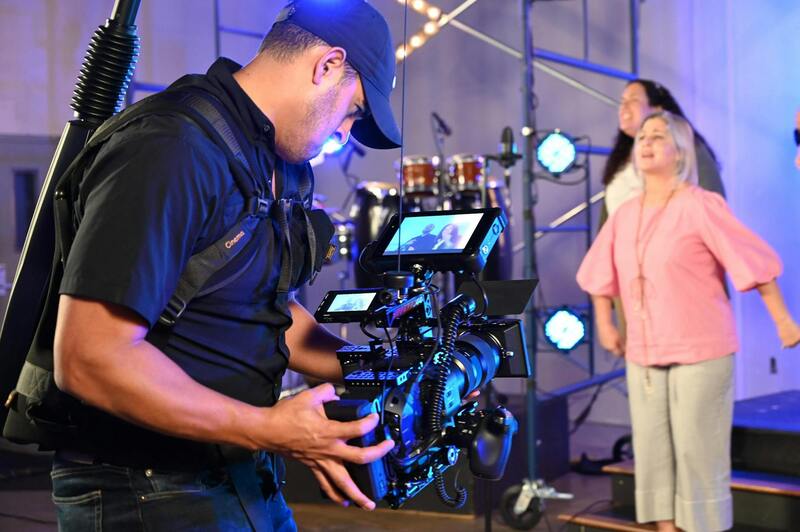
Launching a free webcast demands attention to specific hardware and software to ensure a smooth streaming experience. First, a high-quality camera capable of capturing clear video is fundamental. Depending on the scale of your broadcast, options range from simple HD webcams to professional-grade camcorders. Clear visuals significantly enhance viewer engagement and credibility.
Audio quality is equally vital; utilizing a reliable microphone can eliminate background noise and deliver crisp sound. Lavalier microphones or cardioid condenser mics are excellent choices for clarity, especially during interviews or presentations. Viewers are more likely to stay engaged when audio is free of distortions and interruptions.
Computer systems used for streaming should possess sufficient processing power, ample RAM, and a stable internet connection. Typically, a dedicated computer with a multi-core processor and at least 8GB of RAM provides the needed performance for live encoding and broadcasting tasks. A wired Ethernet connection is preferred over Wi-Fi to sustain consistent bandwidth, reducing latency and avoiding interruptions.

Internet Connectivity and Bandwidth
Steady and robust internet connectivity stands as the backbone of successful webcast delivery. For standard HD streams, upload speeds of at least 5 Mbps are recommended; for higher resolutions or multi-camera setups, 10 Mbps or more may be necessary. Prior to broadcast, conducting speed tests ensures your connection can sustain the data flow without lag or buffering. In cases where multiple broadcasts are planned simultaneously, a dedicated internet line can prevent bandwidth competition, ensuring consistent streaming quality.
Encoding Software and Platforms
Encoding software converts your video feed into a live stream compatible with broadcasting platforms. Popular free encoding tools include OBS Studio and Streamlabs OBS, which offer extensive customization options, scene switching, and overlays. These platforms support various output formats and integrate with multiple free webcasting services, providing flexibility for different production needs.
Choosing the right platform involves assessing support for desired features such as multi-source mixing, live chat integration, and real-time analytics. Compatibility with your hardware, ease of use, and community support are also crucial factors when selecting encoding software and streaming platforms.
Testing and Troubleshooting
Prior to your live event, conducting comprehensive test runs is essential. Testing allows you to verify audio-visual synchronization, check streaming stability, and familiarize yourself with the software interface. During these tests, evaluate network performance, video and audio quality, and the responsiveness of your streaming setup.
Developing a troubleshooting plan for common issues—such as connectivity drops, audio/video sync issues, or platform glitches—ensures preparedness. Keeping backup hardware, like additional microphones or internet sources, can minimize disruptions should technical problems arise during the webcast.
Limitations and Challenges of Free Webcasting
While free webcasting services provide a cost-effective solution for live streaming needs, they come with specific limitations that users must consider. One prominent challenge involves bandwidth constraints. Free platforms often restrict the maximum upload and streaming bitrate, which can impact the overall video quality, especially during high-traffic periods or in cases where your internet connection isn't robust. This constraint can result in buffering, lower resolution streams, and a less professional appearance, undermining the impact of your broadcast.
Another common limitation pertains to branding and customization options. Free services typically include their logos or watermarks overlaying the video player, which can detract from your brand identity. Customization of the viewer interface, overlays, and player skins is usually minimal or restricted, limiting the ability to create a branded and cohesive viewing experience for your audience.
Support and reliability are additional considerations. Free webcasting platforms may lack dedicated customer support or extensive troubleshooting resources. When technical issues arise—such as stream interruptions, login problems, or technical glitches—the response can be delayed or insufficient, potentially disrupting your webcast and affecting audience engagement. Moreover, free services might experience higher downtime or system outages during peak usage times, diminishing the dependability necessary for professional broadcasts.
Additionally, some free platforms impose limitations on the duration of streams, storage options, or viewer engagement tools. These restrictions can hinder long-form or multi-session broadcasts, making it difficult to host comprehensive events or series without moving to a paid solution eventually. Organizers must weigh these limitations against their specific needs and plan accordingly to ensure a smooth streaming experience.

Understanding these challenges allows content creators and organizations to strategize effectively and determine when to transition to more advanced, paid streaming solutions as their needs evolve or to implement workarounds that maximize the capabilities of free services.
Limitations and Challenges of Free Webcasting
While free webcasting services offer an accessible entry point for broadcasters, they come with inherent constraints that can impact the quality and professionalism of live streams. One primary concern is the restriction on customization options. Many free platforms provide limited interfaces, overlays, and player skins, which hampers the ability to create a branded and cohesive viewing experience. Effective branding through overlays, watermarks, and tailored player designs often requires paid features that are typically not accessible on free services.
Support and system reliability are also notable issues. Free services often lack dedicated customer support channels or comprehensive troubleshooting resources. When technical problems such as stream interruptions, login errors, or software glitches occur, response times can be slow or insufficient, risking viewer disengagement. Additionally, system outages or downtime may be more frequent during peak usage periods, jeopardizing scheduled broadcasts and decreasing audience trust.

Another challenge involves operational restrictions. Many free platforms impose limits on broadcast duration, storage capacity, and attendee engagement tools. This can be particularly problematic for hosting long-form events, multi-session webinars, or series that require extended streaming capabilities. Without the ability to seamlessly extend streaming times or store large amounts of content, organizers may find their workflows disrupted or be compelled to upgrade to paid services sooner than expected.
Technical quality is another area impacted by free streaming options. While some platforms provide decent video and audio quality, others may compromise clarity due to bandwidth limitations or lower server capacities. The quality of the viewer experience can thus vary significantly, affecting the perceived professionalism of your productions.
Despite these limitations, free webcasting services can serve as useful tools for small-scale events, test runs, or initial audience outreach. Content creators and organizations should carefully evaluate these constraints against their specific needs and consider strategies for mitigating challenges, such as combining multiple free services or planning for eventual upgrades. Recognizing these hurdles also helps in setting realistic expectations for your broadcasts and devising contingency plans to ensure audience engagement remains high regardless of technical hiccups.