Overview of Live Streaming for Events
In the dynamic landscape of event planning and management, the integration of live streaming technology has revolutionized how audiences engage with events, especially in vibrant cities like Miami. The significance of live streaming lies in its ability to extend the reach of an event beyond physical boundaries, allowing viewers from around the world to participate in real-time. This capability not only broadens the audience but also enhances user engagement by providing immersive and interactive experiences. Live streaming services facilitate a seamless transmission of live content, making it possible to share conferences, concerts, corporate events, and festivals with a global audience. For event organizers in Miami, leveraging professional live stream services ensures high-quality video and audio delivery, which is crucial for maintaining professionalism and viewer satisfaction. Moreover, live streaming creates opportunities for increased brand visibility, sponsorship activation, and post-event content marketing. The rise in smartphone usage and high-speed internet access has further amplified the importance of live streaming. Attendees and viewers expect real-time coverage and the ability to access content on multiple devices. By adopting comprehensive live streaming solutions, event organizers can ensure their content is accessible, engaging, and memorable. In contexts where audience interaction is a priority, professional live stream providers incorporate features such as live chat, polls, and multimedia integration. These tools foster a sense of community and participation, making live streams more engaging and personalized. Additionally, strategic use of live streaming allows organizations to gather valuable analytics about viewer behavior, preferences, and engagement levels, informing future event planning. The benefits extend to marketing efforts, as live streams can be repurposed into highlights, highlights reels, and promotional content, amplifying the event’s reach well beyond the live moment. As Miami continues to grow as a hub for entertainment, business, and cultural innovation, the importance of reliable, high-quality live streaming services becomes even more evident. Employing the right technology and expertise ensures that the essence and energy of the event are accurately captured and transmitted to viewers, creating an inclusive experience that transcends physical limitations.
Legal, Privacy, and Accessibility Considerations
Implementing live stream services for events necessitates careful attention to legal and privacy issues to ensure a seamless and responsible broadcasting experience. Organizers must adhere to intellectual property rights, making certain that all content shared during the live stream has clear permissions or licenses. This includes music, video clips, images, and other multimedia elements incorporated into the broadcast.
Ensuring viewer privacy is equally vital. When integrating interactive features such as chat functions, polls, or feedback forms, organizations should establish transparent policies outlining how viewer data is collected, stored, and utilized. Providing viewers with options to control their privacy settings fosters trust and encourages participation.
Accessibility is another critical aspect. To maximize inclusivity, live streams must be equipped with features like closed captioning and descriptive audio for viewers with hearing or visual impairments. Additionally, offering content in multiple languages through real-time translation can broaden the reach of the event, making it more inclusive to diverse audiences.
To navigate these considerations effectively, it is advisable to collaborate with live streaming service providers who offer extensive support in managing rights, privacy, and accessibility requirements. These professionals are well-versed in the latest regulations and technological solutions, enabling organizers to focus on delivering impactful content without concerns over potential compliance issues.
Implementing Best Practices for Responsible Live Streaming
- Secure necessary permissions and licenses for all content used in the broadcast.
- Establish clear privacy policies, particularly when incorporating interactive elements.
- Integrate accessibility features such as captions and audio descriptions.
- Offer multilingual options to cater to diverse audiences.
- Maintain transparency with viewers regarding data collection and privacy practices.
- Ensure compliance with regional broadcasting regulations and standards.
Technical Requirements and Setup
Implementing a successful live streaming event hinges on meticulous technical planning and setup. The foundation begins with selecting the appropriate hardware and software infrastructure tailored to your event’s scale and complexity. High-definition cameras capable of capturing clear, professional visuals are essential, as they significantly impact viewer experience. For larger events, multiple camera angles can elevate production quality, providing dynamic perspectives that engage audiences more effectively.
Audio clarity is equally vital. Using professional microphones and audio mixing consoles ensures that sound is crisp, balanced, and synchronized with video feeds. Poor audio quality can detract from the viewer experience, regardless of the visual quality presented. Additionally, a reliable internet connection with sufficient bandwidth is fundamental. For live events, upload speeds should be significantly higher than the stream’s bitrate to prevent interruptions or buffering issues.
Choosing a streaming platform with scalable capabilities is recommended, especially for events expected to attract large audiences. It allows adjusting the stream quality dynamically based on viewer bandwidth and ensures consistent delivery. Setting up redundancy systems, such as backup internet connections and power supplies, mitigates potential technical failures. Implementing a dedicated technical team to monitor the live stream in real-time ensures immediate response to any unforeseen issues, maintaining smooth broadcast continuity.
Beyond hardware, integrating necessary software solutions like encoders and streaming management tools is essential. Hardware encoders convert high-quality video inputs into formats suitable for internet transmission, optimizing performance and stream stability. Software solutions often provide additional features, including real-time analytics, overlays, and multi-platform simultaneous streaming, boosting engagement and reach.
Prior to the event, comprehensive testing is mandatory. Conduct trial runs to verify camera angles, audio levels, streaming quality, and latency. Adjust configurations accordingly to fine-tune the broadcast environment. Clear communication with all technical personnel and performers regarding roles and expectations reduces the risk of miscommunication during the live event.
Overall, investing in reliable equipment, robust network infrastructure, and skilled technical support constitutes the backbone of professional live streaming services. Detailed pre-event planning and rigorous testing safeguard the production quality, ultimately delivering a compelling viewing experience for audiences across diverse locations.
Technical Requirements and Setup for Live Streaming Events
Executing a successful live stream requires meticulous planning and execution of technical elements to ensure high-quality delivery and audience engagement. Critical components include robust internet connectivity, reliable hardware, and effective encoding solutions. A dedicated high-speed internet connection with minimum upload speeds suitable for the desired video resolution is essential to prevent buffering and interruptions. Redundant internet connections or backup solutions are recommended to mitigate potential outages during the broadcast.
Hardware devices like professional cameras, audio mixers, and editing consoles should be selected based on the scale and scope of the event. These devices facilitate superior video and audio quality, vital for audience retention and overall experience. Integrating software encoders that support multi-platform streaming allows for efficient management of the broadcast, enabling simultaneous delivery to various social media channels and streaming platforms.
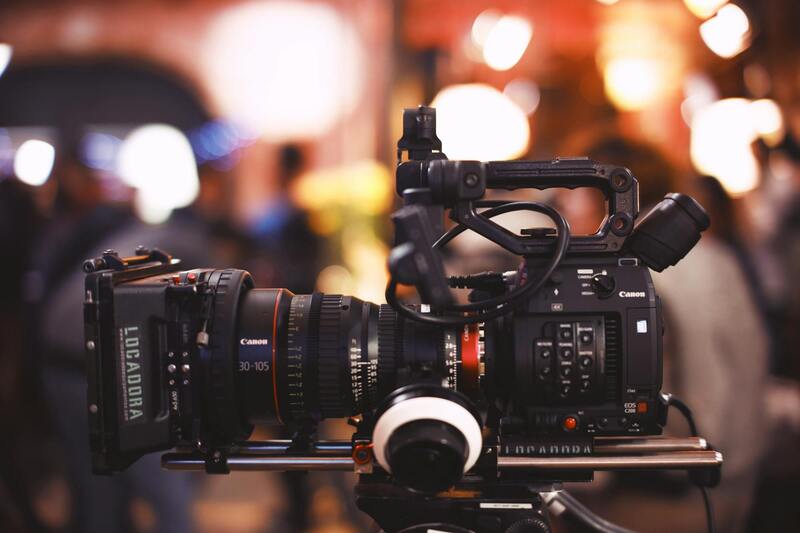
Audio clarity is often overlooked but is crucial for impactful live streaming. Using high-quality microphones, sound mixing boards, and soundproof environments enhances audio fidelity. Properly synchronized video and audio feeds ensure a seamless viewing experience, avoiding distracting delays or mismatches.
Pre-event testing is a fundamental step in the setup process. Conduct multiple trial runs to assess camera angles, audio levels, streaming stability, and latency issues. Adjust configurations based on test results, such as configuring bitrates and resolving any connectivity or hardware conflicts. Effective communication among the technical team and performers minimizes miscommunication and facilitates swift troubleshooting during the live event.
For larger events, integrating production management software helps coordinate different elements like graphics, overlays, and multi-camera switching. These tools enable real-time control over the broadcast, allowing for dynamic presentation and professional-grade production quality. Establishing clear roles and responsibilities among the technical staff ensures smooth operation and quick response to issues, reinforcing the overall success of your live stream.
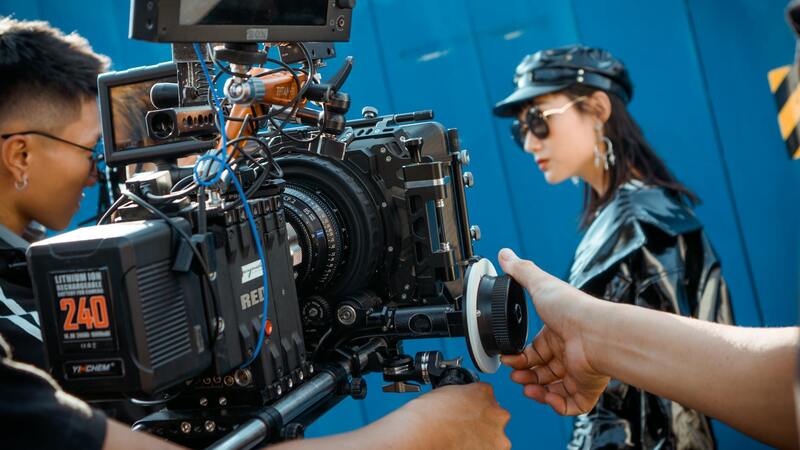
Ensuring the setup is correctly configured before the event minimizes disruptions and enhances viewer satisfaction. Documenting the technical setup process creates a reference for troubleshooting and future improvements, contributing to continual enhancement of live streaming services. With the right equipment, comprehensive testing, and coordinated execution, live streaming can effectively extend the reach and impact of your event to audiences worldwide.
Technical Requirements and Setup for Live Streaming
Successful live streaming of events at Miami venues demands careful planning and execution of technical elements to ensure a seamless broadcast experience. The foundation of a high-quality stream begins with selecting the appropriate equipment that aligns with the specific needs of the event. Core components include professional-grade cameras capable of capturing high-resolution footage, high-fidelity microphones for clear audio, and reliable encoders to transmit the content efficiently to streaming platforms.
Internet connectivity forms the backbone of live event streaming. A dedicated, high-bandwidth connection mitigates common issues such as buffering, lag, or interruptions. Preferably, fiber optic internet or Ethernet connections are utilized to provide stable and consistent bandwidth. During setup, conduct throughput tests to confirm the network can handle the data load, especially for multi-camera setups or high-definition streams.
In addition to core hardware, logistical considerations encompass proper placement of cameras and microphones, acoustical treatments, and power supply arrangements. Setting up multiple cameras at different angles can capture the event dynamically, while auxiliary equipment like video switchers allows real-time switching between feeds for a polished presentation. Audio mixers and backup microphones ensure sound quality remains consistent, even if technical issues arise.
To manage all technical components effectively, a dedicated technical team or production crew familiar with live streaming workflows is essential. Their responsibilities include configuring hardware, monitoring stream health, troubleshooting connectivity issues, and coordinating with event staff. Running comprehensive tests ahead of the event helps identify potential problems, allowing adjustments that optimize the streaming experience. These rehearsals should simulate the live environment as closely as possible, checking camera angles, audio levels, transitions, and bitrate settings.
Furthermore, establishing a contingency plan—such as backup internet connections, spare hardware, and alternative streaming sources—can prevent disruptions. Documentation of all technical procedures and configurations provides valuable reference points for troubleshooting and future event planning. This detailed preparation ensures that the livestream maintains a high standard of quality, engaging viewers consistently from start to finish.
Technical Requirements and Setup
Implementing a seamless live stream for events necessitates meticulous attention to technical details. Selecting the appropriate hardware, establishing reliable internet connections, and configuring software are foundational steps to ensure high-quality transmission. Typically, professional-grade cameras capable of high-definition output are employed, often with multiple units positioned strategically around the venue to provide diverse angles and immersive perspectives. Microphone placements should be optimized for clear, unobstructed audio capture, minimizing ambient noise and echo.
To enhance production value, video switchers or mixers are integrated for real-time transitions, overlays, and effects. This allows a dynamic viewing experience that adheres to professional standards, maintaining audience engagement throughout the event. Audio mixers facilitate balanced sound levels, ensuring spoken content, music, and other audio elements are captured distinctively without distortion or imbalance. Auxiliary equipment such as wireless microphones, lapel mics, and inline audio processors provide additional flexibility and sound clarity.
Technical Crew and Workflow Management
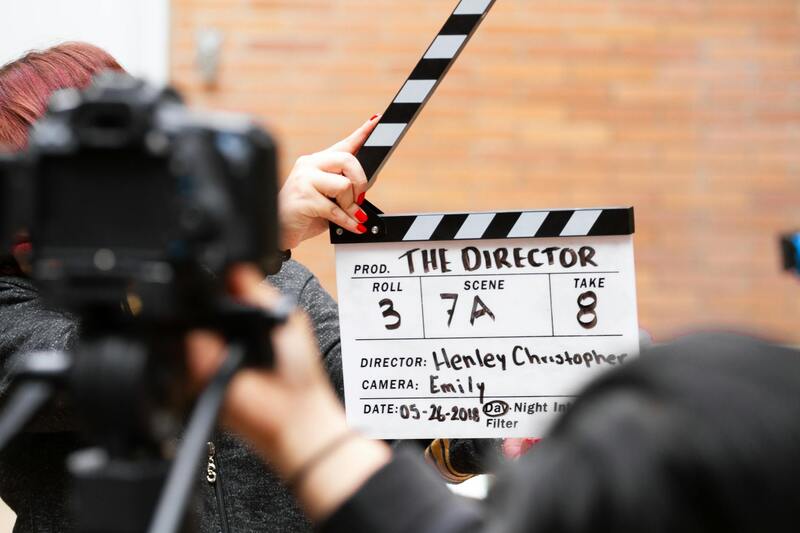
An experienced production team is vital for managing live stream operations. Their responsibilities include hardware setup, software configuration, troubleshooting connectivity concerns, and stream monitoring. Pre-event rehearsals serve as crucial opportunities to identify and resolve potential issues, simulating live conditions to fine-tune camera angles, audio levels, and broadcast settings.
Establishing backup plans is equally important — redundant internet connections, spare hardware components, and alternative stream sources mitigate the risk of disruptions. All technical procedures should be thoroughly documented, providing a reference for troubleshooting and future improvements. These preparations guarantee a professional-quality broadcast and a smooth viewing experience for audiences tuning in remotely.
Optimizing the Viewer Experience
To maximize viewer engagement, it is essential to combine technical excellence with interactive elements. Incorporating live chat functionalities, social media integration, and real-time polls can foster a sense of community among remote attendees. Offering multiple viewing options, such as different camera angles or audio descriptions, caters to diverse audience needs and preferences.
Additionally, providing clear instructions on how to access the stream and emphasizing the schedule boosts turnout and participation. Post-event analytics and feedback gathering can inform future live streaming strategies, ensuring continuous improvement and audience satisfaction.
In managing all technical aspects, partnering with experienced live stream service providers in Miami ensures adherence to best practices, resulting in a broadcast that is visually appealing, stable, and engaging across all devices and platforms.
Technical Requirements and Setup for Successful Live Event Streaming
Executing a seamless live stream requires meticulous attention to both technical infrastructure and operational procedures. The foundation of a high-quality broadcast lies in reliable internet connectivity, appropriate hardware, and sophisticated software. These elements must be coordinated meticulously to ensure stability, clarity, and an engaging experience for viewers tuning in remotely.
Firstly, a dedicated high-speed internet connection with sufficient upload bandwidth is paramount. Typically, an upload speed of at least 10 Mbps is recommended for HD streaming, though higher speeds provide additional buffer for smooth transmission. Redundant internet connections—such as_secondary providers or failover systems—are critical for mitigating interruptions caused by network outages or fluctuations.
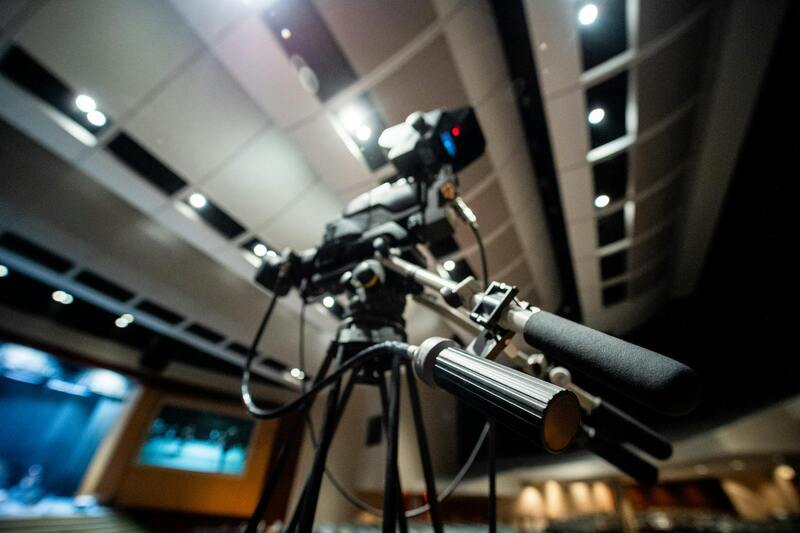
Equipment choices also influence the quality and flexibility of the broadcast. High-definition cameras capable of 1080p or 4K resolution, along with stabilized mounts and lenses suited for the event environment, are essential. Audio devices such as wireless microphones and mixers ensure clear sound distribution. For events requiring multiple camera angles or specialized shots, switchers and production hardware enable smooth transitions that enhance viewer engagement.
Software solutions serve as the control hub for the live stream. Professional-grade encoders convert video and audio signals into formats suitable for online delivery, supporting adaptive streaming profiles that automatically adjust quality based on viewer bandwidth. Additionally, integrated streaming platforms or dedicated broadcast software facilitate streaming management, chat moderation, and real-time analytics.
Thorough pre-event testing is indispensable. These preparations include verifying equipment functionality, assessing internet stability, and conducting trial runs to identify potential issues. Documentation of technical procedures aids troubleshooting, minimizes errors, and streamlines setup procedures for future events. Backup plans—such as spare hardware components, alternative streams, or additional content sources—are vital for addressing unforeseen technical challenges swiftly.
Many comprehensive event live stream services in Miami offer technical support teams that assist with these preparations. They provide equipment rentals, on-site technical personnel, and detailed consultation to ensure all technical aspects are optimized before the event begins. Properly documenting procedures and testing protocols enhances the overall quality and reliability of the broadcast, leading to a more satisfying experience for remote viewers.
- Reliable high-speed internet with redundancy
- High-quality cameras and audio equipment
- Professional encoding and streaming software
- Thorough pre-event testing and documentation
- Backup systems for critical hardware and internet sources
Legal, Privacy, and Accessibility Considerations
When selecting an event live stream service in Miami, it is vital to prioritize comprehensive legal, privacy, and accessibility measures to ensure a successful broadcast. This not only helps safeguard content rights but also fosters an inclusive environment for all viewers.
Content Rights and Permissions
Stream organizers must verify ownership and permissions related to the content being broadcast. This includes securing rights for music, video clips, images, and any copyrighted material included in the event. Collaborating closely with rights holders and obtaining necessary licenses or agreements mitigates potential disruptions or takedowns during the live event.
Maintaining Privacy and Data Security
Protecting attendee information and stream data is fundamental. Event hosts should work with providers that implement secure streaming protocols and data encryption to prevent unauthorized access. Additionally, establishing clear privacy policies and informing viewers about data collection practices foster trust and transparency.
Implementing Accessibility Features
Inclusive broadcasting expands reach and compliance by integrating features such as closed captioning, descriptive audio, and transcripts for viewers with disabilities. Reliable live stream services should facilitate easy implementation of these options and support multiple devices and platforms, ensuring seamless access for all audiences.
Monitoring and Compliance
Continuous monitoring during the event helps identify and mitigate any issues related to content rights, privacy, or accessibility. Skilled technical teams equipped with tools for real-time compliance can address challenges promptly, maintaining a professional standard throughout the broadcast.