
Understanding Live Broadcast Production
Live broadcast production is the comprehensive process of creating real-time audiovisual content for transmission over various platforms, including television, internet streaming, and corporate channels. This type of production involves meticulous planning, coordination, and execution to ensure that the broadcast is seamless, engaging, and professional. It serves a crucial role in delivering live events such as conferences, concerts, sports games, and breaking news segments, effectively connecting audiences with the moment as it unfolds.
The purpose of live broadcast production extends beyond mere transmission; it aims to provide a captivating viewing experience that captures the essence of the event while maintaining high technical standards. In today’s fast-paced digital landscape, live broadcasts facilitate instant communication, broaden reach, and generate immediate engagement. Whether for corporate communications, entertainment, or community outreach, producing a high-quality live broadcast demands expertise, precision, and adherence to best practices.
Music festivals, political rallies, major sporting events, and corporate launches all benefit from professional live broadcast production. It ensures that regardless of geographical barriers, audiences can participate in real-time, gaining access to the event’s energy, details, and atmosphere. As digital consumption continues to grow, the significance of delivering polished, reliable live broadcasts becomes more evident, making it an essential element of modern communication strategies.
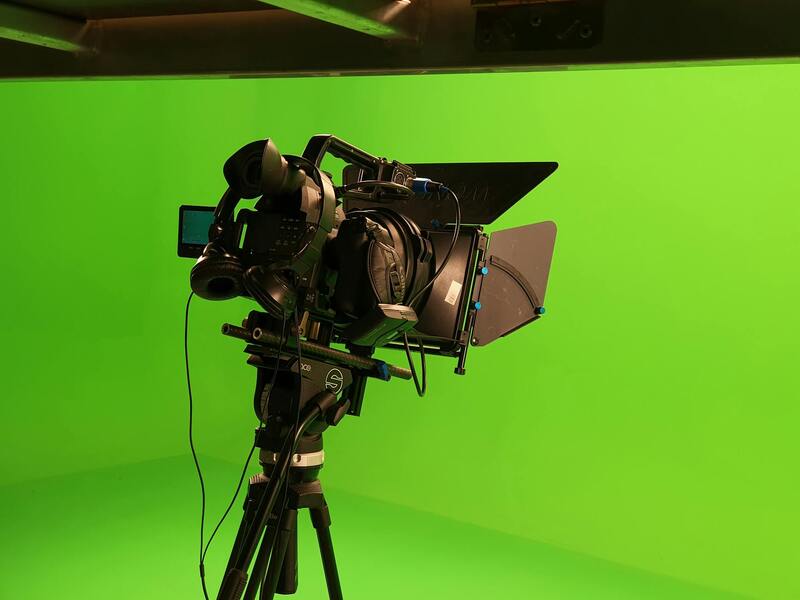
At its core, live broadcast production weaves together multiple technical and creative components—multicamera setups, audio management, real-time graphics, and live editing—to produce a cohesive and immersive experience. This process requires a well-coordinated team of professionals, including producers, directors, camera operators, sound engineers, and technical specialists, who work harmoniously to deliver an uninterruptible stream that aligns with the event’s objectives and audience expectations.
Recognized for its immediacy, the live broadcast format demands rigorous attention to detail during every phase, from initial concept to final delivery. It ensures that critical moments are captured flawlessly, visuals and audio remain synchronized, and production glitches are minimized, all while maintaining the authenticity and excitement of the live event. Given the widespread accessibility of digital platforms, the impact of expertly produced live broadcasts continues to grow, making it a vital component of contemporary media and communication practices.
Understanding Live Broadcast Production
Effective live broadcast production hinges on meticulous synchronization of various technical and creative elements to ensure a seamless viewer experience. It involves a comprehensive process that starts well before the event begins, encompassing careful planning, setup, real-time management, and post-event analysis. This discipline demands a strategic approach to every stage, from initial concept development through to execution and distribution, with the goal of capturing the energy and authenticity of the live event while maintaining technical excellence.
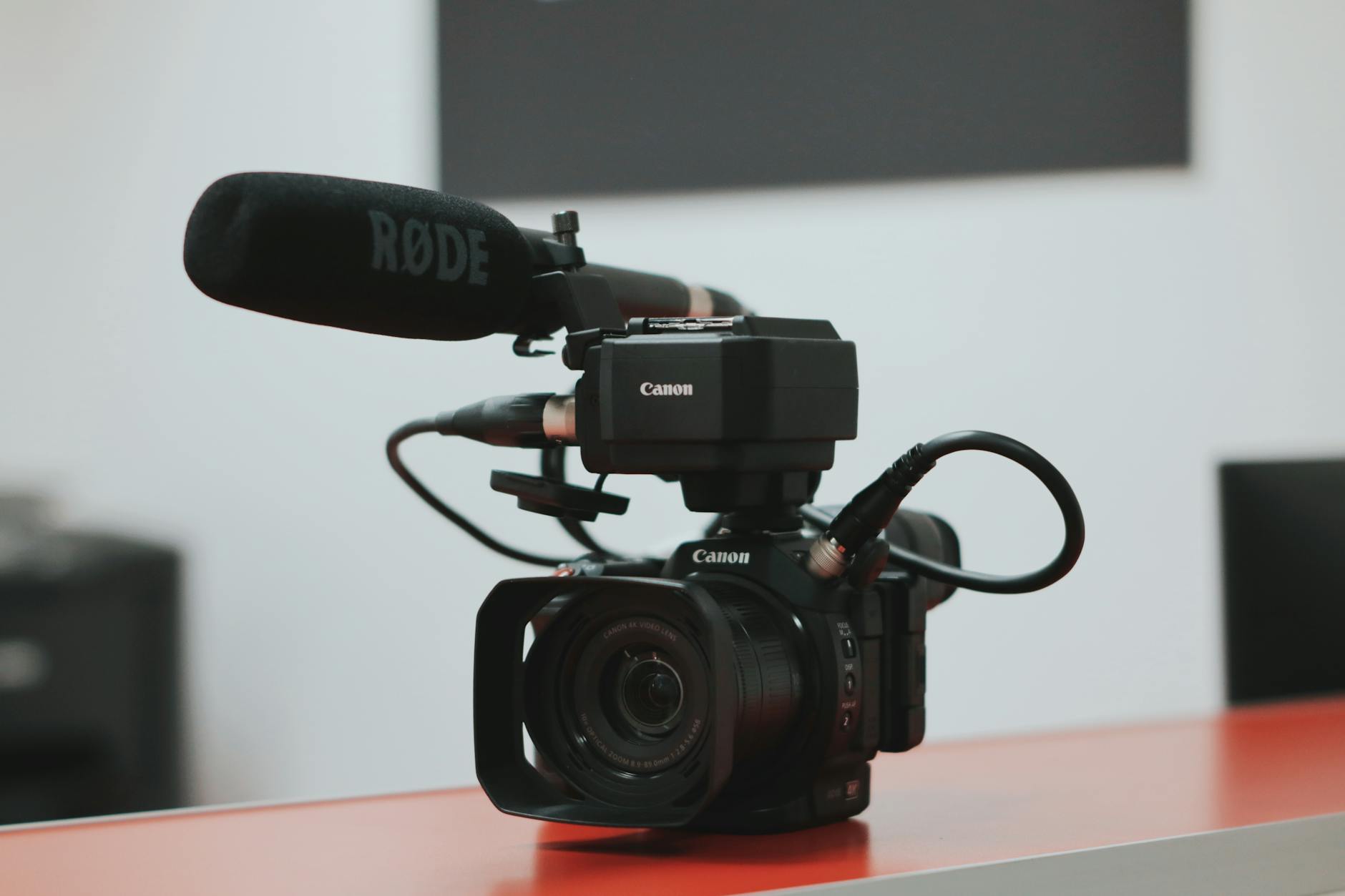
Central to the production process is the integration of multiple technical facets, including camera work, sound engineering, graphics, and switching technology. Skilled directors and technical operators coordinate these components in real time to deliver a cohesive visual narrative. This requires a keen eye for detail, quick decision-making, and an understanding of the event’s flow to ensure that every critical moment is captured and broadcast flawlessly.
The complexity of live production also necessitates robust communication systems among team members. Clear, rapid communication channels allow for swift problem resolution and smooth operation during the live event. When all elements function harmoniously, the broadcast not only entertains or informs but also elevates the perceived professionalism of the hosting organization, building a trustworthy connection with the audience.
Key Components of Live Broadcast Production
- Video Equipment: Multiple professional cameras, switchers, and signal processors to capture live visuals from different angles.
- Audio Equipment: High-quality microphones, mixers, and monitoring systems to ensure clear, balanced sound throughout the broadcast.
- Broadcasting Platforms: Reliable streaming services and transmission protocols that facilitate real-time delivery across varied devices and bandwidths.
- Production Crew: Skilled professionals such as directors, camera operators, sound engineers, and technical support staff.
- Graphics and Visuals: Real-time graphics, overlays, and subtitles that enhance storytelling and viewer engagement.
Pre-Production Planning for Live Broadcasts
Preparation is crucial to the success of any live broadcast. It begins with a detailed blueprint of the event, including a comprehensive timeline, shot list, and contingency plans for potential technical issues. This phase involves coordination with all stakeholders to align on content goals, schedules, and technical requirements. Location assessments and equipment testing are integral parts of this process, ensuring that all hardware and connectivity setups are operational and optimized for the specific environment.
Creating detailed scripts and cue sheets helps streamline transitions and manage timing, especially when integrating graphics or live interviews. Pre-production also involves rehearsals to familiarize the team with the event flow, test camera angles, and troubleshoot any unforeseen challenges. These steps lay the foundation for a professional, glitch-free presentation during the live event.
Live Production Execution
During the live broadcast, the production team executes the plan with precision, adapting to real-time developments. The director oversees the overall flow, making dynamic decisions about camera angles, graphics, and audio levels, while switching between different camera feeds to keep the audience engaged. A communications system allows the team to coordinate seamlessly, ensuring that transitions are smooth and timing is accurate.
Monitoring the stream's stability is essential, with backup plans in place in case of technical failures. This includes redundant hardware, alternative internet connections, and real-time troubleshooting to address issues promptly, minimizing disruptions to viewers. Critical moments are recorded for post-event editing and archival purposes, ensuring that the event's highlights can be repurposed for future use.
Technical Considerations and Equipment
High-quality, resilient hardware forms the backbone of any live broadcast. This encompasses broadcast-grade cameras capable of capturing high-resolution images, sound systems ensuring clarity in diverse acoustic environments, and servers that handle data transmission with minimal latency. Advanced encoder technology compresses video streams efficiently, maximizing quality while minimizing bandwidth consumption.
Proper setup includes cabling, signal routing, and network configurations designed for optimal performance. In addition to hardware, software solutions for switching, graphics insertion, and real-time editing enhance the broadcast’s professionalism. Ensuring interoperability among all equipment components is vital for a smooth broadcast, and regular testing before the event reduces the risk of technical issues.
Furthermore, cybersecurity measures are important to prevent unauthorized access or interruptions during live streams. Secure connections, firewalls, and encryption protocols help safeguard the broadcast content and infrastructure against potential threats.
Advanced Techniques in Live Broadcast Production
To elevate the quality and engagement level of live broadcasts, incorporating advanced production techniques is essential. These methods not only enhance the visual and auditory experience for viewers but also contribute to a seamless viewing environment that maintains professionalism throughout the event.
One such technique involves the integration of multiple camera angles, allowing for dynamic switching and a more immersive experience. Strategic placement of cameras ensures coverage of all critical aspects of the event, capturing audience reactions, detailed close-ups, and wide shots that contextualize the scene. This requires meticulous planning during the pre-production phase to determine camera positions and the necessary equipment for each angle.
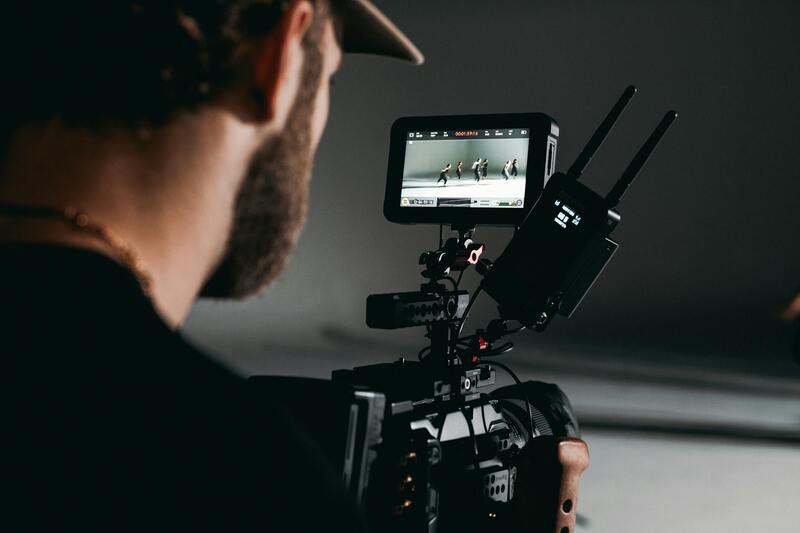
In addition to traditional cameras, robotic and remote-controlled cameras are increasingly utilized to access challenging viewpoints or to reduce on-site personnel. These cameras can be operated from a control room, providing flexibility and safety, especially in environment-sensitive scenarios.
Graphics and overlays also play a significant role in live broadcasts. Real-time graphics, lower thirds, and information overlays enhance viewer understanding and engagement. Professional-grade software enables smooth integration of visual elements without disrupting the flow of the broadcast.
Another crucial aspect is audio management. Utilizing multiple microphones, including lapels, hand-held, and ambient mics, ensures clear capture of spoken content and environmental sounds. Audio mixing in real-time guarantees consistent levels and clarity, which is vital for maintaining professional standards throughout the event.
Implementing live message and social media integration can further expand viewer interaction. Real-time comments and polls can be displayed on screen, fostering audience participation and increasing engagement metrics. This requires dedicated hardware and software solutions capable of handling incoming data streams without latency issues.
Security measures extend beyond infrastructure to content protection. Encrypted data streams prevent unauthorized interception and viewing, while secure access controls restrict broadcast management to authorized personnel. Regular security audits ensure that all systems are resilient against emerging threats, maintaining the integrity of the live event.

Furthermore, contingency plans are vital to address potential technical failures. This includes having backup equipment such as spare cameras, audio interfaces, and redundant internet connections. These safeguards enable quick switches in case of malfunction, ensuring continuous broadcasting without significant delays.
Effective communication among the production team is facilitated through integrated intercom systems. Clear and immediate coordination ensures that every team member is aligned, from camera operators to technical directors, guaranteeing that transitions, overlays, and other live editing elements occur seamlessly.
In essence, implementing these advanced techniques requires meticulous coordination of hardware, software, and personnel, all aimed at producing an engaging, smooth, and professional live broadcast. Proper planning, along with the use of innovative tools, allows producers to deliver high-quality content that captivates audiences and preserves the event’s integrity.
Technical Considerations and Equipment in Live Broadcast Production
Successfully executing a live broadcast hinges on the deployment of specialized equipment and meticulous technical planning. High-definition cameras are the cornerstone of visual clarity, with professional-grade models offering real-time adjustable settings for focus, zoom, and framing to ensure crisp, engaging visuals. Complementing these are video switchers or vision mixers, which allow the producer to seamlessly transition between multiple camera feeds, add visual effects, and overlay graphics, creating a dynamic viewing experience.
Audio quality significantly impacts the overall production value. Therefore, high-fidelity microphones—such as lavalier or shotgun mics—are employed to capture clear sound from hosts, guests, or on-site elements. An audio mixer consolidates multiple inputs, enabling real-time adjustment of sound levels and ensuring balanced audio delivery. It’s also crucial to incorporate quality headphones for monitoring live audio feeds, facilitating immediate troubleshooting of audio issues without disrupting the broadcast.
Lighting and Connectivity Infrastructure
Optimal lighting is essential for proper on-camera appearance and visual consistency. Professionals often utilize LED panels or softboxes with dimming capabilities to provide even, flicker-free illumination that adapts to different shooting environments. Proper lighting enhances the aesthetic appeal and ensures the audience’s focus remains on the content being broadcast.
Reliable connectivity forms the backbone of live broadcasts. Dedicated internet lines, such as fiber-optic connections, guarantee high-speed data transmission. Redundant connections, including cellular backups like 4G or 5G, are critical in maintaining uninterrupted streams, especially in unstable network environments. Routers and network switches with Quality of Service (QoS) features prioritize data packets to prevent latency issues or signal drops during peak traffic.
Monitoring and Control Systems
Live production requires real-time monitoring of video and audio feeds. Multi-view monitors display all camera angles simultaneously, allowing directed adjustments on-the-fly. Intercom systems facilitate instant communication among team members, ensuring synchronization of cues, transitions, and other live editing activities. Control rooms often incorporate software interfaces that enable producers and directors to oversee the entire production flow, make critical decisions, and deploy graphics or overlays instantly.
In addition, remote control panels allow operators to manage specific functions such as camera pan, tilt, and zoom (PTZ), providing greater flexibility during live shoots. This setup not only enhances visual storytelling but also reduces the need for extensive physical movement on-site, which is especially advantageous during current safety protocols.
Effective Troubleshooting Measures
Despite careful planning and high-quality equipment, technical difficulties can still arise. Implementing comprehensive troubleshooting protocols involves real-time diagnostics, backup systems, and rapid response teams. Immediate identification of issues, such as audio dropouts or video signal loss, allows on-the-spot corrections to minimize disruption. Additionally, pre-established contingency plans, including backup hardware and alternate feed routes, ensure that the broadcast continues smoothly even in the face of equipment failures or connectivity interruptions.
Furthermore, training the technical crew to handle unexpected technical issues swiftly is critical. Regular drills and maintenance checks of all equipment help in identifying potential flaws before the day of the event. This proactive approach significantly enhances the reliability and professionalism of live broadcasts, ensuring that audiences receive a high-quality viewing experience without interruptions.
Technical Considerations and Equipment
Executing a high-quality live broadcast hinges on meticulous attention to technical specifications and equipment reliability. Bandwidth capacity is fundamental; sufficient bandwidth ensures smooth streaming without buffering or latency issues, especially when multiple feeds or high-definition content is involved. Content delivery networks (CDNs) are often employed to optimize data transmission, distributing the live feed across multiple servers to reach audiences seamlessly regardless of their geographical location.
Equipment durability plays a crucial role in maintaining broadcast integrity. High-end cameras, switching consoles, and audio equipment should be capable of withstanding extended usage and environmental conditions, such as varying temperatures or humidity levels. Regular maintenance and quality assurance checks mitigate the risk of unexpected failures during live events.
Advanced streaming hardware, including encoders and decoders, are responsible for converting audio and video signals into a format suitable for internet transmission. Using reliable hardware with built-in redundancy can prevent interruptions. Backup systems, such as secondary encoders and uninterruptible power supplies (UPS), are vital for safeguarding against power failures or hardware malfunctions.
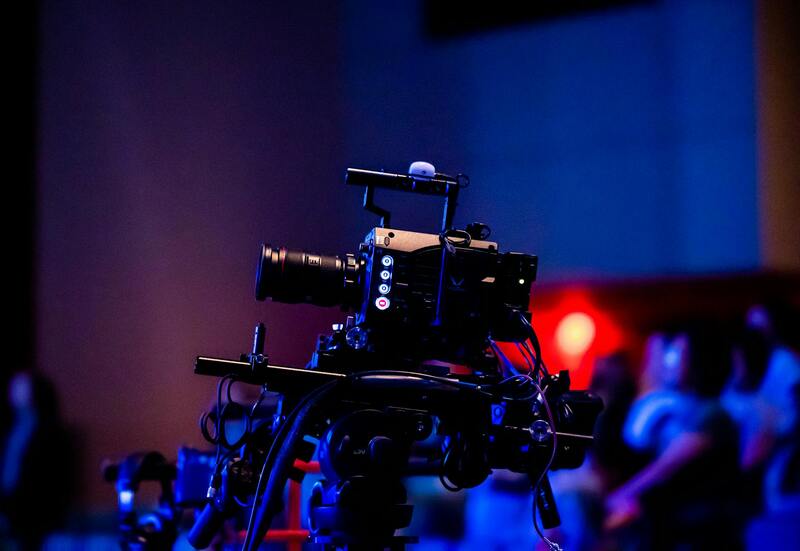
To further enhance the resilience of the broadcast, comprehensive backup strategies include duplicate audio-visual feeds, backup internet connections, and contingency plans for data rerouting. This layered approach helps ensure continuous transmission, even when faced with technical setbacks. Proper training of technical staff on equipment operation, troubleshooting, and emergency protocols elevates the overall quality and dependability of live broadcasts, minimizing downtime and preserving viewer engagement.
Legal and Security Aspects in Live Broadcasting
While focusing on the technical facets of live broadcast production, it’s essential to adhere to established standards concerning content rights and intellectual property. Securing necessary permissions and licenses for music, footage, or proprietary content prevents infringements that could suspend the broadcast or lead to legal repercussions. Additionally, implementing content moderation measures helps manage user interactions and comments, especially on social media platforms integrated with live streams.
Data security is equally critical; protecting the transmission network from unauthorized access and cyber threats ensures the integrity of the broadcast. Encrypted data streams and secure login protocols for all personnel involved minimize the risk of hacking or data breaches. Physical security on-site, including controlled access to production crews and equipment, further prevents tampering or theft.
Maintaining comprehensive documentation related to content rights, broadcast permissions, and security protocols supports compliance and accountability. Conducting routine audits and technical assessments aligns operations with best practices and industry standards, fortifying the broadcast against unforeseen challenges.
Technical Considerations and Equipment
In the realm of live broadcast production, the selection and deployment of appropriate technical equipment are fundamental to achieving high-quality streams that captivate viewers and maintain broadcast reliability. This encompasses a variety of hardware and software tools designed to facilitate seamless signal transmission, real-time editing, and stable connectivity.
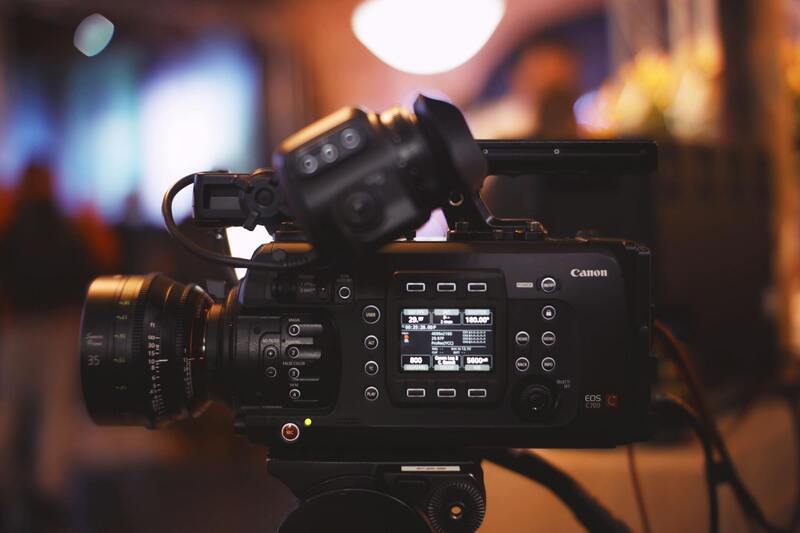
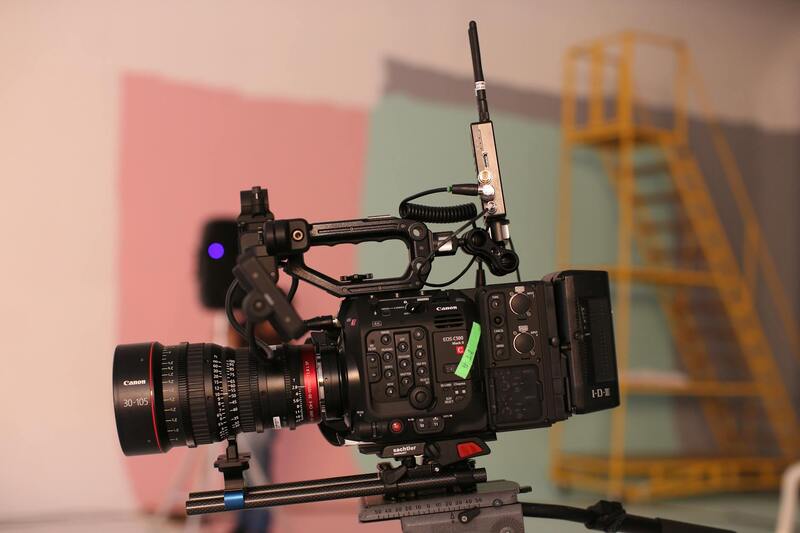
High-definition cameras are the cornerstone of professional live broadcasts, providing clear visuals that enhance viewer engagement. These cameras often support multiple angles and remote operation, allowing producers to craft a dynamic viewing experience. Complementing cameras, professional audio equipment ensures crystal-clear sound, which is equally crucial for audience retention and overall broadcast professionalism.
Video switchers, or production switchers, enable real-time switching between multiple camera feeds and video sources, creating a cohesive and engaging story. Additionally, video encoding hardware compresses the video feed for efficient streaming over various platforms, while decoders facilitate the reception of high-quality content on the viewer’s end.
Stable and robust networking infrastructure forms the backbone of successful live productions. Multiple redundant internet connections, such as fiber optic lines or bonded cellular networks, ensure continuous transmission even if one pathway experiences disruptions. Network security measures like firewalls and intrusion detection systems safeguard against unauthorized access that could compromise broadcast integrity.
Capture and streaming software platforms serve as the control center for live productions, offering features like real-time graphics, overlays, and multi-stream management. These tools facilitate on-the-fly adjustments and ensure that the live feed aligns with the intended visual identity and messaging.
Camera cranes, jib arms, and wireless transmitters expand the creative possibilities while maintaining flexibility and mobility during shoots. For on-site security and operation, professional technicians and engineers monitor equipment performance continuously, ready to troubleshoot potential issues instantaneously.
Investing in quality equipment and reliable technical infrastructure minimizes latency, reduces signal degradation, and enhances viewer experience. Properly maintained and calibrated gear ensures consistency and reliability throughout the broadcast, which is essential for high-stakes live events such as sports, conferences, or concerts.
Understanding Live Broadcast Production
Live broadcast production involves a complex orchestration of technical skills, creative vision, and precise planning to deliver real-time content to audiences across various platforms. It encompasses everything from initial concept development to the final transmission, requiring a dedicated team equipped with specialized knowledge and state-of-the-art technology. Successful live broadcasts demand meticulous coordination among directors, camera operators, technical engineers, and producers, all working synergistically to ensure the seamless flow of visuals and audio. This process is inherently dynamic, often needing on-the-spot adjustments to handle unexpected situations, such as technical glitches or environmental factors, all while maintaining the event's narrative and broadcast quality.
Key Components of Live Broadcast Production
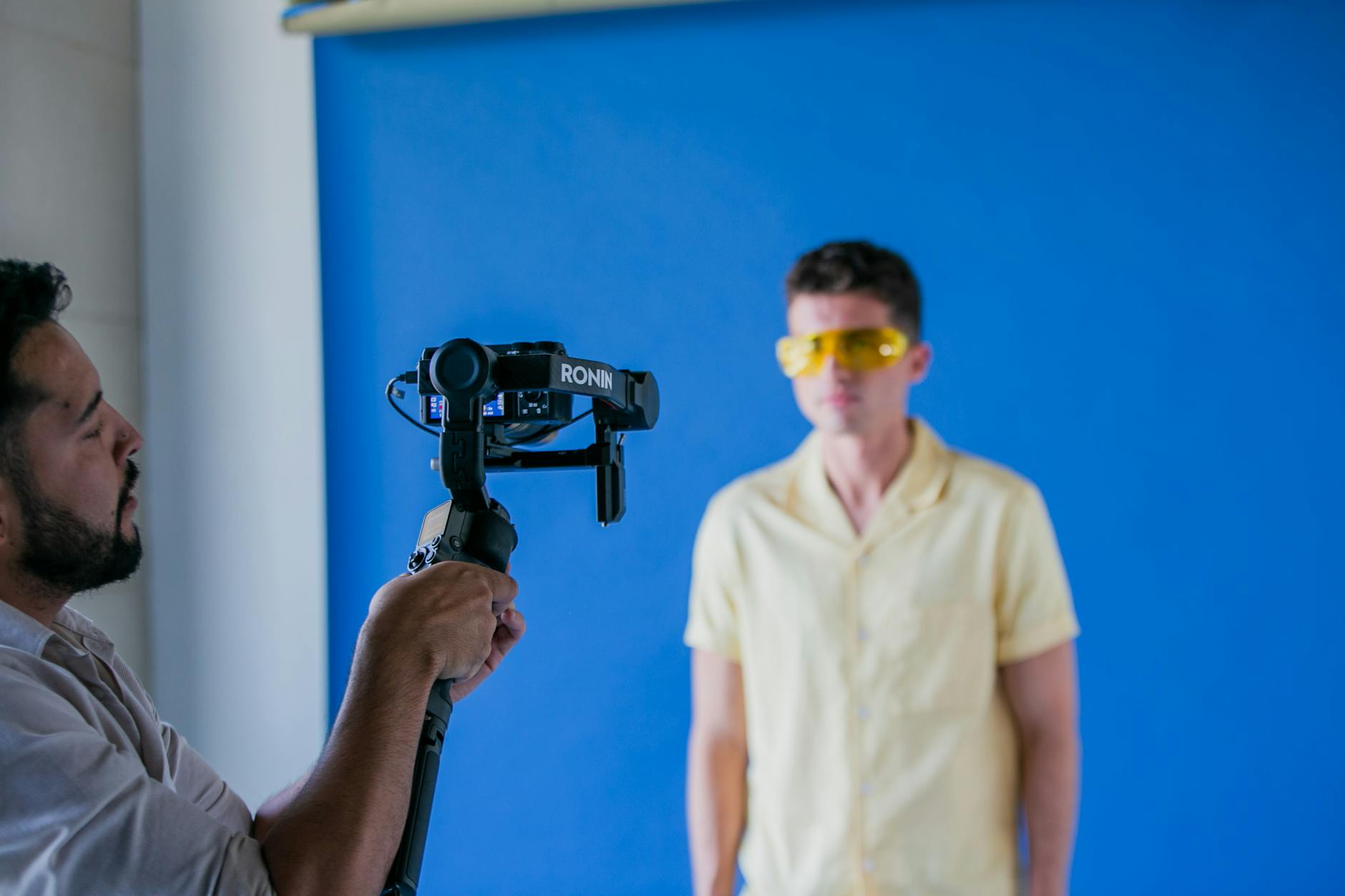
At the core of every successful live broadcast are essential components that work together to deliver a polished final product. These include high-definition cameras, professional audio equipment, real-time switching consoles, and reliable streaming hardware. Moreover, the visual elements such as graphics, overlays, and transitions require dedicated software tools that allow instant customization throughout the broadcast. The production team manages all technical aspects, ensuring synchronization between audio and video feeds, maintaining consistent broadcast quality, and controlling visual content delivery. Additionally, the use of communication systems like intercoms enables seamless coordination among crew members during live events.
Pre-Production Planning for Live Broadcasts
Pre-production planning is vital for the success of any live broadcast. This phase involves developing a detailed production outline, identifying key segments, and scheduling rehearsals to iron out potential issues. A comprehensive storyboard helps visualize the flow of content, outlines camera angles, and specifies the placement of graphics and overlays. Furthermore, technical scouts assess the venue to determine optimal equipment placement, power sources, and internet connectivity. It's also essential to coordinate with all stakeholders—clients, performers, presenters—to understand their expectations and incorporate their input into the planning process. Pre-event testing of all technical gear and connectivity ensures readiness, minimizing the risk of unforeseen disruptions during live transmission.
Live Production Execution
Executing a live broadcast involves real-time decision-making and swift technical adjustments. Directors oversee the entire operation, directing camera feeds, controlling audio levels, and managing visual effects to match the event’s pacing. Camera operators respond to cues, capturing pivotal moments, while technical staff monitor equipment and network stability to address issues immediately. The use of multiple camera angles allows for dynamic storytelling, engaging viewers with a variety of perspectives. Interactivity can be enhanced by integrating live chat, social media feeds, or audience polls, making the broadcast more immersive and participatory. During the event, critical attention is paid to maintaining audio clarity, minimizing latency, and ensuring smooth transitions between segments.
Technical Considerations and Equipment
The backbone of a successful live broadcast is advanced technical equipment designed for high performance and reliability. Key hardware includes broadcast-quality cameras capable of capturing detailed visuals in various lighting conditions, along with professional audio mixers to deliver clear sound quality. Video switchers facilitate seamless transitions and mixing of different camera sources, while encoding hardware transmits the final stream efficiently across networks. Redundant systems are often employed to mitigate equipment failure, including backup power supplies and secondary transmission paths. Network bandwidth and connection stability are paramount, with many broadcasters leveraging bonded cellular solutions or fiber optic lines to ensure uninterrupted streaming. Software solutions provide the flexibility to implement real-time graphics, overlays, and multi-source handling, all of which contribute to a compelling visual presentation.

Legal and Security Aspects in Live Broadcasting
While focusing on content delivery, it remains crucial to adhere to official protocols that uphold broadcast integrity. This includes verifying licensing agreements for music, visuals, and branding elements to prevent copyright issues. Content moderation policies help manage real-time interactions, safeguarding against inappropriate or offensive material. Additionally, robust cybersecurity measures are employed to protect streaming infrastructure from potential threats such as hacking or unauthorized access. Encryption protocols secure live feeds, ensuring that only authorized viewers can access the content. Protective measures extend to safeguarding sensitive broadcast equipment and onsite data, with surveillance systems monitoring activity around critical areas. Maintaining a comprehensive security plan enhances broadcast reliability and builds audience trust, reaffirming the professionalism of the production team.
Choosing the Right Live Broadcast Production Partner in Miami
Partnering with a reputable Miami-based live broadcast production agency is essential to ensure a seamless viewing experience for your audience. Selecting an agency that aligns with your project’s specific needs can greatly influence the overall quality and success of your live event. Consider agencies with extensive local experience, as they possess a nuanced understanding of Miami’s unique environment, infrastructure, and audience preferences.
Experience and Portfolio
Evaluate the agency’s history in producing live broadcasts similar to your event. A well-rounded portfolio demonstrates versatility across various formats, from concerts and corporate conferences to sports events. Agencies with a proven track record often have established protocols for managing complex productions, handling unpredictable challenges, and ensuring timely delivery.
Advanced Technology and Equipment
Technological sophistication is paramount in live broadcast production. An ideal partner should utilize state-of-the-art equipment, including high-definition cameras, dynamic switchers, and reliable streaming hardware. Cutting-edge solutions like multi-camera setups, real-time graphics, and instant replay capabilities elevate the broadcast quality and viewer engagement. Additionally, their familiarity with Miami’s infrastructure ensures compatibility with local networks and access to reliable internet connections.
Customer Support and Flexibility
The ability to adapt and provide dedicated support throughout the production process distinguishes top-tier agencies. Look for a partner that offers clear communication channels, pre-event planning sessions, and on-site technical assistance. Flexibility in accommodating last-minute changes or technical adjustments demonstrates professionalism and commitment to your event’s success.
Local Connections and Logistics
Being headquartered in Miami means easier coordination with local venues, authorities, and service providers. Knowledge of local permitting procedures and logistical considerations streamlines preparation and minimizes potential delays. An agency with strong community ties can also facilitate smooth access to necessary resources, such as power supplies and security personnel, which are crucial for high-quality live broadcasts.
Security and Data Management
As part of their service, a reliable production agency should implement comprehensive security measures to safeguard your content. This includes encryption of live streams, secure data storage, and privacy controls to prevent unauthorized access. Given the increasing importance of cyber protection, a Miami agency well-versed in cybersecurity best practices can help prevent disruptions or breaches during your broadcast.
Cost Transparency and Contract Clarity
Transparent pricing structures and clear contractual terms prevent misunderstandings. An experienced agency provides detailed proposals outlining all aspects of the production, including equipment, personnel, and contingency plans. This clarity ensures your budget aligns with the scope of services and quality standards expected.
Conclusion
Choosing a production agency with local insight, advanced technology, comprehensive support, and a focus on security significantly enhances the professionalism and reliability of your live broadcast. Prioritize partnerships that demonstrate a dedicated approach to delivering seamless, high-quality content, solidifying your reputation while engaging your Miami audience effectively.