
Understanding Live Streaming for Events
Live streaming has transformed the way events are experienced and shared, offering real-time access to audiences regardless of geographical boundaries. For event organizers in Miami, integrating professional live streaming services ensures that their events reach a broader audience, increase engagement, and maximize return on investment. This technology allows viewers to participate remotely, watch presentations, performances, or conferences from the comfort of their homes or offices, providing an immersive experience that traditional in-person attendance might not facilitate.
The process of live streaming involves capturing high-quality video and audio content, transmitting it over the internet, and broadcasting it live on various digital platforms. This seamless operation requires advanced equipment, reliable internet connections, and expertise in managing the entire broadcast from start to finish. When executed correctly, live streaming elevates the visibility of events, attracts wider participation, and creates opportunities for ongoing content sharing.
Benefits of live streaming extend beyond immediate audience reach. It offers a permanent digital footprint that can be repurposed for marketing, training, or archival purposes. In a vibrant city like Miami, where events range from corporate conferences and product launches to music festivals and cultural celebrations, professional live streaming ensures that every moment is captured with clarity and professionalism. As the digital landscape continues to evolve, having a robust live streaming setup is becoming an essential component of comprehensive event coverage.
Essential Equipment and Technology for Successful Live Streaming
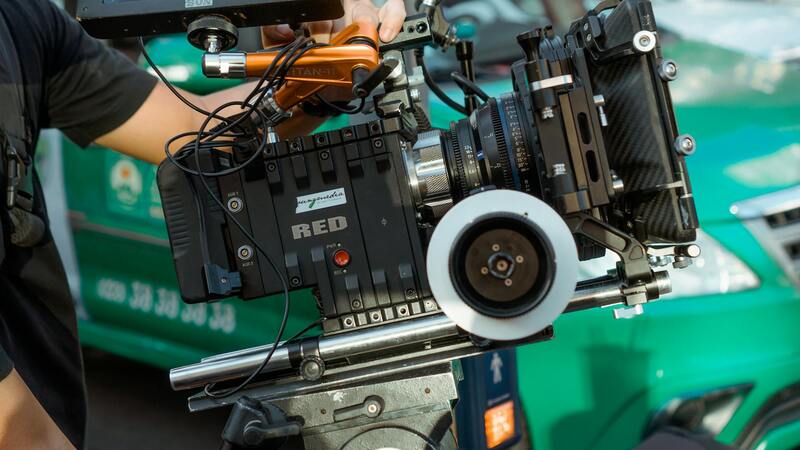
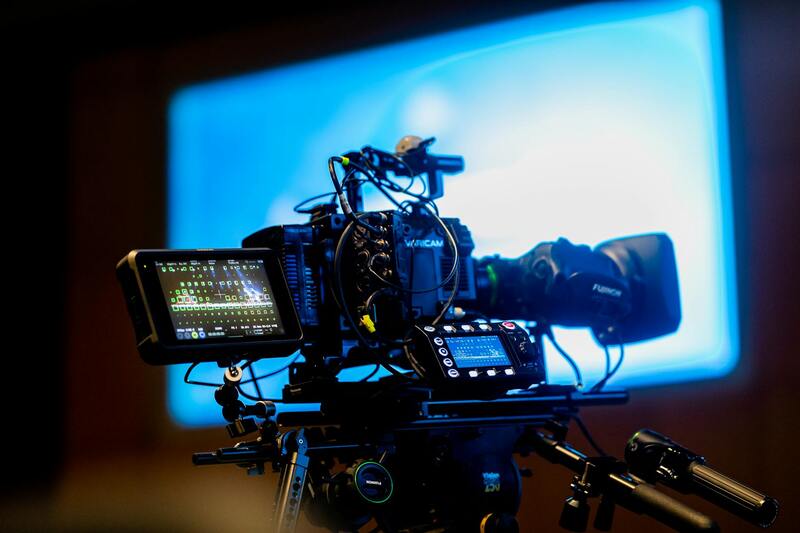
Executing a flawless live stream requires more than just a stable internet connection; it involves leveraging advanced, professional-grade equipment to ensure clarity, stability, and high definition. Key components include high-resolution cameras capable of capturing every detail with precision, even in challenging lighting conditions. Broadcast cameras with professional lenses and zoom features are preferred for their flexibility and ability to focus on different focal points seamlessly during live events.
Beyond cameras, reliable encoding hardware is fundamental to convert raw footage into a stream that can be transmitted over the internet. Hardware encoders offer lower latency and higher quality compared to software-based solutions, making them ideal for large-scale and critical broadcasts. Connection stability is also crucial; thus, utilizing dedicated fiber-optic internet lines or bonded internet solutions that combine multiple connections can prevent interruptions during live coverage.
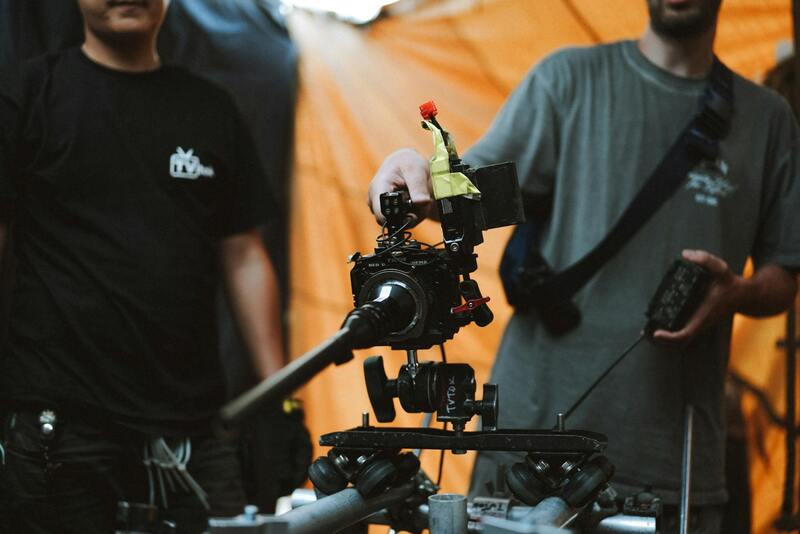
Other vital technological elements include audio equipment such as lapel or shotgun microphones, which provide clear sound capture without interference. Syncing audio with video is vital for maintaining a professional broadcast experience. Additionally, sufficient lighting setups enhance image quality, especially for indoor events, ensuring subjects are well lit and colors appear natural on camera.
Internet connectivity remains the backbone of any successful live stream. Utilizing multiple internet sources with automatic failover capabilities guarantees continuous broadcast even if one connection drops. For events with multiple camera angles or complex production needs, switching equipment that allows seamless scene transitions and overlays adds a professional appearance.
Finally, audience engagement tools such as live chat integrations, polls, and Q&A modules can be incorporated into the streaming setup to foster interaction and maintain viewer interest in real time. When combined with a skilled technical team, the right equipment creates an immersive, uninterrupted viewing experience that enhances event professionalism and viewer engagement.
Technical Challenges and Solutions in Live Streaming
As live streaming technology becomes more sophisticated, it introduces a range of technical challenges that require detailed attention and expert handling. One of the most common issues faced during live broadcasts is connection instability, which can result in buffering, pixelation, or complete stream interruptions. To combat this, professional vendors often employ multiple internet connections, such as bonded internet solutions that merge several broadband feeds. This approach ensures redundancy and maximum uptime, allowing the stream to continue uninterrupted despite fluctuations or failures in individual connections.
Another significant hurdle is bandwidth management, particularly for high-definition streams requiring substantial data transfer rates. Implementing adaptive bitrate streaming adjusts the video quality dynamically based on available bandwidth, preserving stream stability without compromising viewer experience. Advanced streaming platforms utilize these protocols to deliver seamless broadcasting, even with variable network conditions.
Synchronization between video and audio feeds is critical for professional quality broadcasts. Latency issues can cause audio to drift out of sync with video, disrupting viewing flow. To address this, live streaming equipment often incorporates low-latency protocols and real-time audio/video synchronization tools. Wireless microphones paired with digital transmission systems can further reduce delay and interference, ensuring clear communication from speakers and performers.
Lighting, framing, and camera angles are other facets that require meticulous planning. Proper lighting enhances image clarity and overall production quality, especially in indoor environments where ambient light may be insufficient. High-quality cameras with fast autofocus, optical image stabilization, and multiple lens options facilitate capturing crisp, well-exposed footage from various angles, adding production depth and professionalism.
Real-Time Monitoring and Management
To maintain smooth live streams, continuous monitoring by technical teams is essential. This includes tracking internet performance, audio levels, and video quality metrics. Many modern streaming setups feature real-time dashboards that alert operators to potential issues, allowing immediate adjustments. Additionally, switching between multiple camera feeds or overlays requires seamless hardware and software integration, supported by skilled personnel who can manage scene transitions smoothly without disrupting the broadcast flow.
- Scene switching equipment: Facilitates quick changes between camera angles or pre-recorded segments.
- Overlay graphics and titles: Enhance visual storytelling and brand prominence during the live event.
- Audience interaction tools: Incorporate chat feeds, polls, and Q&A modules to boost engagement.
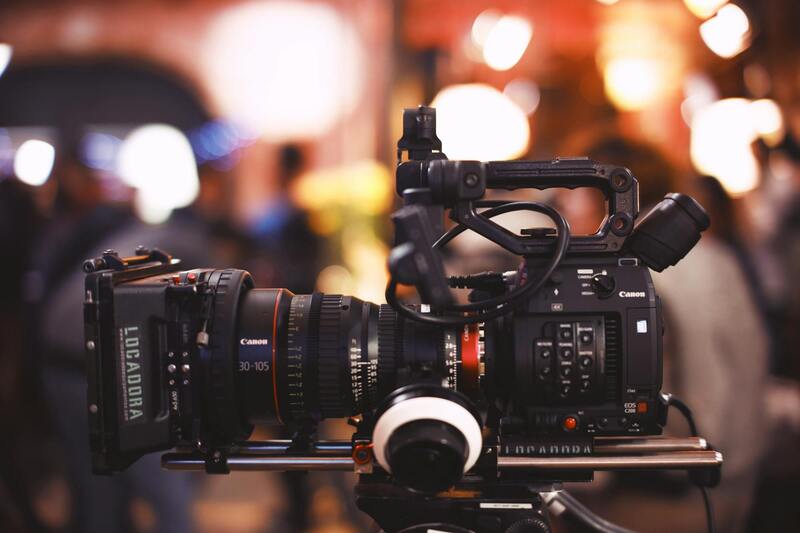
Dealing with unforeseen technical issues swiftly is vital for maintaining viewer trust and broadcast integrity. Skilled technical teams perform contingency checks before the event and remain vigilant throughout, prepared to troubleshoot hardware, software, or network problems as they arise. Implementing redundant systems, such as backup cameras, audio sources, and failover internet connections, further mitigates risks of disruption.
Post-Production and Content Delivery
After the live broadcast concludes, the focus shifts to content management. Recording the entire stream allows for later editing, creating highlight reels, or on-demand content. Many professionals utilize post-production services that include clipping key moments, enhancing audio-visual quality, and adding branding elements. Proper encoding ensures that the final content is compatible across various platforms and devices, maximizing reach and engagement.
Content delivery methods—such as cloud-based platforms, social media integrations, or private portals—are chosen based on target audiences and distribution goals. Secure archiving of stream recordings provides valuable assets for future promotions, training sessions, or continued audience engagement.
Understanding Live Streaming for Events
Live streaming has transformed the way events are experienced and shared, providing real-time digital access to audiences regardless of their location. It involves broadcasting live video content over the internet, enabling viewers to participate, observe, and engage as if they were physically present. This method caters to a broad spectrum of event types, including corporate conferences, concerts, seminars, weddings, and promotional launches, allowing organizers to extend their reach and maximize event visibility.
In the realm of event production, live streaming offers immediacy, interaction, and broad accessibility. It facilitates direct interaction between hosts and remote viewers through integrated features such as live chat, polls, and question-and-answer sessions, fostering ongoing engagement. Moreover, the ability to share high-quality, professionally produced content ensures that the event's visual and informational impact remains intact across various devices and platform formats.
Properly executed live streaming not only amplifies the event's scope but also enhances brand presence and audience loyalty. By reaching niche or geographically dispersed audiences in real-time, organizations can generate more impactful impressions, gather immediate feedback, and build a sense of community around their brand or cause. This dynamic mode of content delivery provides measurable opportunities for data collection, audience analysis, and strategic planning.
Key Equipment and Technology
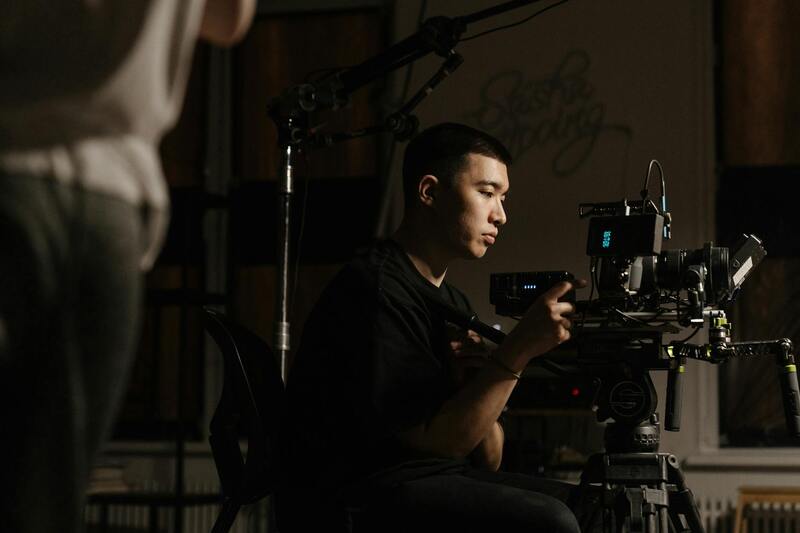
Achieving professional-grade live streaming hinges on the use of advanced hardware and reliable software solutions. Central to this setup are high-definition cameras capable of capturing detailed visuals in various lighting conditions, combined with professional-grade audio equipment to ensure clear sound. Wireless microphones, mixers, and soundboards are frequently employed to capture multiple audio sources, providing an immersive experience for remote viewers.
Connectivity plays a crucial role, with dedicated internet connections preferred over public Wi-Fi to maintain stability and bandwidth. Dual or redundant internet sources are often integrated to mitigate interruptions, ensuring the stream remains uninterrupted even if one connection encounters issues.
Streaming software platforms serve as the core of the live broadcast, managing encoding, transcoding, and distribution. These tools allow producers to add overlays, graphics, and branding elements in real time, automating transitions and managing multiple camera feeds. Video switchers and hardware encoders are common, as they facilitate seamless switching between different camera angles and resolutions, providing a dynamic viewing experience.
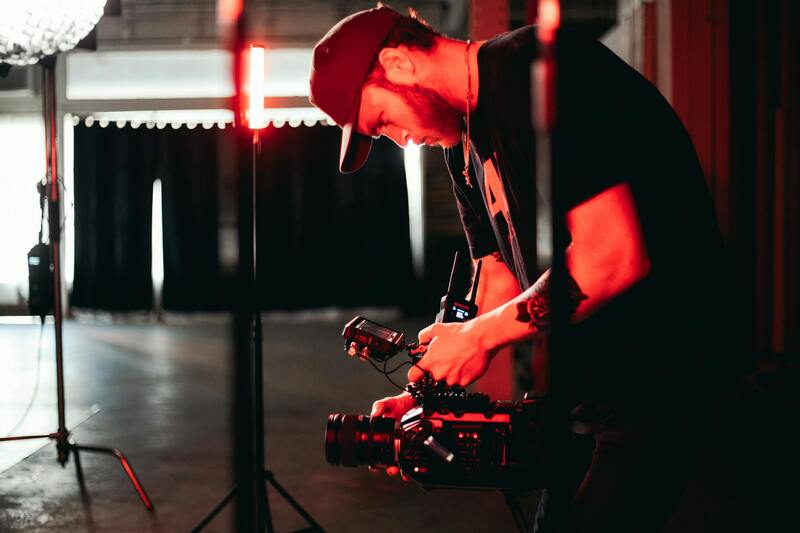
Networking infrastructure must be meticulously prepared, with prioritization of upload bandwidth for streaming traffic. Routers and firewalls are configured to optimize data flow and prevent lag or buffering issues. Additionally, support systems such as backup power supplies and surge protectors are vital to safeguard equipment during the event.
In summary, securing a comprehensive suite of reliable, high-performance equipment is essential to deliver engaging, high-quality live streams that meet the expectations of modern audiences and uphold brand standards. The integration of cutting-edge video, audio, and networking technology under skilled technical supervision ensures a flawless broadcast from start to finish, fostering audience engagement and event success.
Understanding Live Streaming for Events
In the realm of modern event coverage, live streaming has become a cornerstone for engaging audiences in real time. To achieve a professional level of broadcast quality, it is essential to understand the various components that contribute to an effective live streaming setup. Live streaming for events involves not just capturing video footage but also ensuring that the transmission of the visual and audio content reaches viewers without delays or interruptions. This requires meticulous planning, coordination, and integration of advanced technology.
Stream quality largely depends on the stability and capacity of the internet connection, which must support high-bandwidth data transfer with minimal latency. Event organizers and live stream producers must evaluate their network infrastructure beforehand, often opting for dedicated internet lines or redundant connections to keep the stream stable under peak viewership. The use of load balancing techniques and quality of service (QoS) configurations on network devices ensures that streaming traffic receives priority over other network activities.
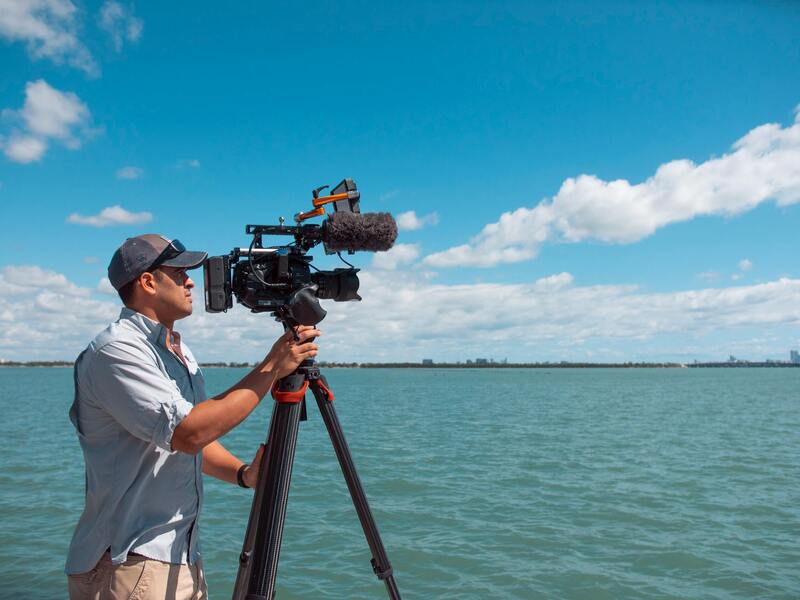
At the core of the live streaming process is the software platform responsible for encoding, transcoding, and distributing the content. Robust streaming software enables the integration of multiple camera feeds, overlays, and real-time graphics, which enhance visual appeal and brand visibility. Hardware encoders and switchers facilitate effortless switching between different camera angles, providing viewers with a dynamic and engaging experience.
Audio quality also plays a vital role in overall broadcast professionalism. High-fidelity microphones, mixers, and audio interfaces ensure clear sound capture, reducing background noise and echo, which can detract from viewer engagement. Wireless microphones or directional microphones are often employed for flexibility in capturing sound from different areas of the event venue.
Equipping the event with professional-grade streaming hardware is essential to meet high standards for image clarity, sound fidelity, and user experience. The proper setup and calibration of cameras, audio equipment, and streaming hardware need to be performed by experienced technicians. This preparatory work minimizes technical issues during the live event, ensuring a smooth, uninterrupted broadcast.
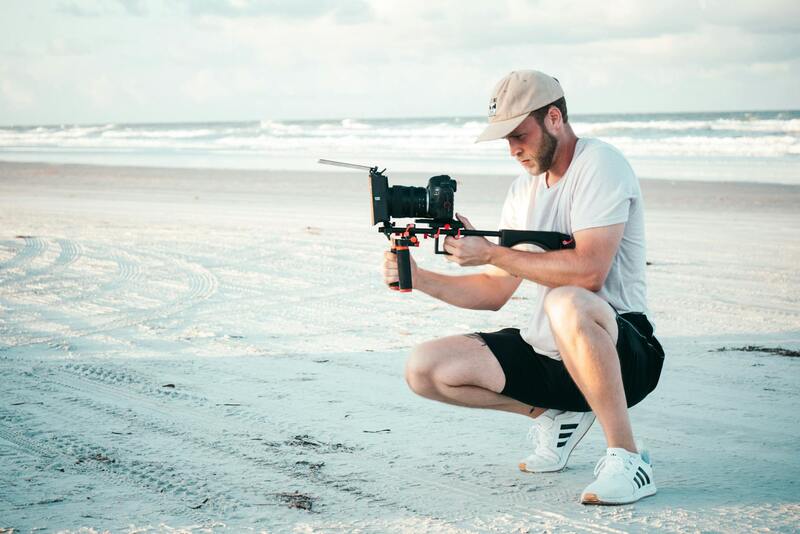
Strategic planning during the pre-production phase includes defining the event's broadcast objectives, designing camera shots, and preparing graphics and overlay content. It also involves verifying internet connectivity, conducting test runs, and establishing a comprehensive on-site technical support plan. These measures guarantee that all equipment functions correctly and that the production team can swiftly handle any unforeseen issues that may arise during the live event.
Ultimately, mastering the intricate details of live streaming technology and infrastructure ensures that the final broadcast is professional, engaging, and capable of capturing the essence of any Miami event, whether corporate, cultural, or entertainment-related.
Legal and Licensing Considerations
Understanding the intricacies of live streaming involves more than just technological proficiency; it also requires awareness of the legal parameters surrounding content rights, licensing, and permissions. Securing the appropriate agreements before broadcasting an event ensures that all intellectual property, including music, videos, images, and third-party content, is properly licensed for live streaming purposes. This proactive approach not only safeguards against potential disputes but also guarantees a seamless viewing experience for online audiences.
Event organizers and content producers should coordinate with rights holders to obtain necessary permissions, especially when streaming copyrighted material or third-party media. In some cases, licenses may be required for music used during performances or background tracks, as well as for any proprietary visuals displayed during the event. Adhering to these licensing protocols helps to protect the host and production team from unforeseen legal complications that could disrupt the broadcast or result in penalties.
Another critical aspect is the adherence to privacy regulations and consent procedures. When capturing live footage, explicit permission from individuals or participants involved should be secured, particularly if identifiable visuals are included. This step is vital to respect individual rights and maintain ethical standards within the live streaming process. Implementing clear signage or obtaining written consent forms prior to the broadcast further solidifies this compliance.
Standards and industry best practices dictate that live stream producers familiarize themselves with local regulations governing broadcasting and online content distribution. This knowledge enables proper planning and execution, fostering a professional environment that aligns with legal frameworks. For businesses aiming to showcase Miami’s vibrant cultural scene or corporate events, meticulous attention to licensing ensures their streams are both impactful and compliant, avoiding potential pitfalls that could impair the event’s reputation or reach.
Legal and Licensing Considerations
When engaging in videographer live streaming, especially within a vibrant city like Miami, understanding the essential legal and licensing protocols is crucial. These considerations ensure that the live broadcast maintains high standards of compliance, protecting the rights of all parties involved and preserving the professionalism of the event. Several key factors come into play, including permissions, copyrights, and privacy rights.
One fundamental aspect is obtaining clear permissions from individuals or entities when their visual or audio content will appear on the stream. This often involves securing written consent forms from participants or attendees, particularly when the content captures identifiable visuals or personal information. Such measures not only uphold ethical standards but also enhance trust among viewers and participants.
Regarding copyrights, any music, footage, or visual materials used during the stream should be appropriately licensed. This includes background music, proprietary visuals, and any third-party content. Utilizing licensed media avoids potential copyright infringement issues that could lead to interruptions or legal disputes. Content creators should work with licensing agencies or utilize royalty-free resources to ensure all media used is compliant with intellectual property laws.
Privacy laws also play a significant role in live streaming. In Miami, and broadly across Florida, the collection and dissemination of personal data through live broadcasts must adhere to relevant privacy statutes. This is especially relevant when streaming in public spaces or private venues where individuals may expect privacy. Implementing clear signage and obtaining explicit consent prior to broadcast are effective methods to maintain transparency and uphold privacy rights.
Another element to consider is licensing for event venues or proprietary visuals displayed during a stream. Permissions from venue owners or copyright holders are essential if their intellectual property or property rights are involved. This reduces the likelihood of disruptions due to unauthorized use and maintains the integrity of the broadcast.
Finally, being aware of local regulations governing digital broadcasting and online content distribution allows producers to navigate compliance effectively. Miami’s diverse legal landscape necessitates staying up-to-date with evolving laws and industry standards, ensuring each live stream is executed with professionalism and legal adherence.
Legal and Licensing Considerations
Ensuring a seamless and compliant live streaming experience involves attention to multiple legal aspects related to content rights, privacy, and venue permissions. These components are fundamental to maintaining a professional broadcast that respects intellectual property laws and individual privacy rights.
When broadcasting events live, it is crucial to secure all necessary rights to the media being streamed. This includes obtaining licenses for third-party content such as music, video clips, images, or any proprietary visuals incorporated into the stream. Failure to secure appropriate permissions can lead to content removal, broadcasting interruptions, or potential legal claims. Professional videographers often work with licensing agencies or utilize royalty-free resources to verify that all media assets are appropriately cleared for public dissemination.
Privacy considerations also play a vital role in live streaming, especially in environments where individuals may be captured on video. In Miami, and the wider Florida region, regulations governing personal data collection and dissemination require live stream producers to implement transparent procedures. This involves visibly posting signage indicating that a live broadcast is in progress and that footage may include identifiable individuals. Obtaining explicit consent from people who are likely to appear on camera before starting the stream is a significant step towards safeguarding privacy rights.
Venue Permissions and Proprietary Content
Streams taking place in private venues or public spaces need explicit authorization from venue owners or managing authorities. This includes permissions for using proprietary visuals, logos, or branding that may be displayed during the broadcast. Respecting venue and copyright owner rights not only prevents interruptions but also preserves the professional relationship and reputation of the event organizers.
Adherence to Local Regulations
Staying informed about local regulations on digital broadcasting and online content distribution is essential. Miami’s diverse legal landscape requires producers to continually update their knowledge of evolving statutes and industry standards. This proactive approach ensures that every live stream complies with current legal frameworks, reducing the risk of penalties or conflicts. Working with experienced legal and compliance professionals can further safeguard the integrity of the stream and uphold the high standards expected for professional videography services.
By taking these official and responsible steps, Miami-based videographers and event organizers can deliver high-quality, compliant live streams that resonate with audiences, promote their brand, and uphold the highest standards of professionalism.