
Overview of Live Streaming Production Studios
Live streaming production studios are sophisticated facilities designed to produce high-quality live video content for various platforms, including social media, corporate events, broadcast networks, and online platforms. These studios serve as the backbone for delivering seamless, engaging, and professional live broadcasts, leveraging advanced technology and expert operators. The core purpose of a live streaming production studio is to combine multiple visual and audio sources into a unified broadcast stream, ensuring clarity, stability, and visual appeal.
At its essence, a live streaming production studio integrates several key components: high-definition cameras, professional audio equipment, switchers, graphics generators, and streaming encoders. These components work in harmony within a carefully designed space that minimizes technical issues and maximizes production quality.
Beyond technical infrastructure, skilled production staff—including directors, camera operators, sound engineers, and technical directors—coordinate every aspect of the broadcast. Their expertise ensures that content flows smoothly, is visually captivating, and meets the expectations of diverse audiences. The ability to incorporate real-time graphics, audience interaction features, and multiple camera angles sets professional studios apart from simpler, consumer-grade streaming setups.

Leaders in this field recognize the importance of reliable infrastructure—power backup, optimized acoustics, and seamless internet connectivity—to avoid disruptions during live events. The collaboration between state-of-the-art hardware and experienced specialists is what elevates a typical streaming session into a polished, professional broadcast capable of engaging large and varied audiences.
Operational flexibility is also a hallmark, allowing studios to adapt to different types of content, whether it’s a corporate presentation, a musical performance, a panel discussion, or a product launch. The ability to switch between different formats and visual styles in real-time affords broadcasters and content creators a dynamic platform for storytelling.
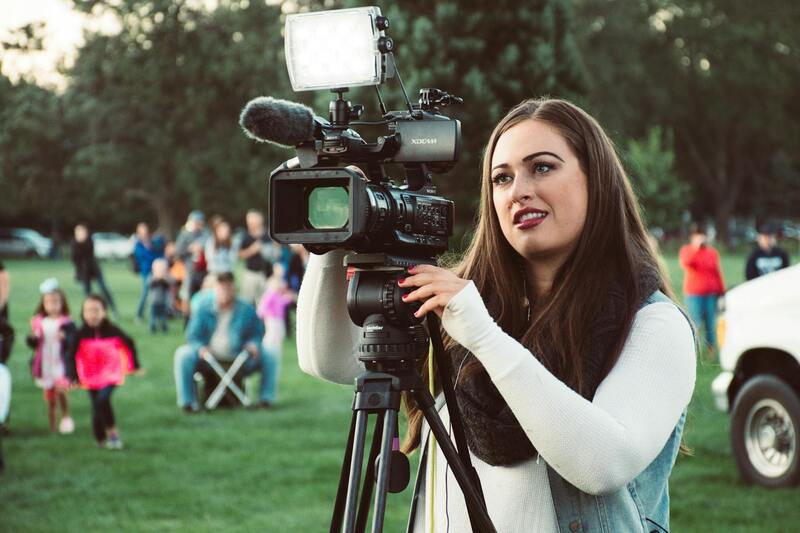
Overall, a live streaming production studio acts as a complete ecosystem, ensuring that every detail—from camera angles to graphics—is optimized for delivering high-quality, reliable live video content. The result is a platform that not only meets professional standards but also maximizes viewer engagement and content impact.
Key Equipment and Technology Used
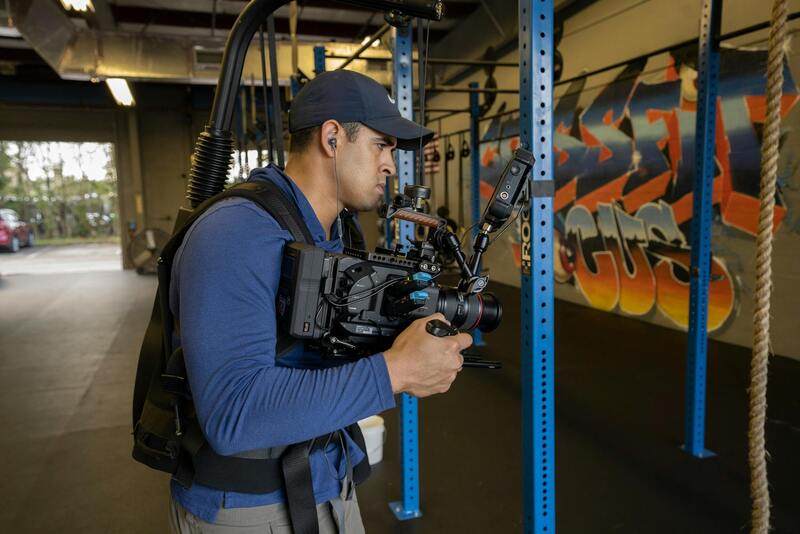
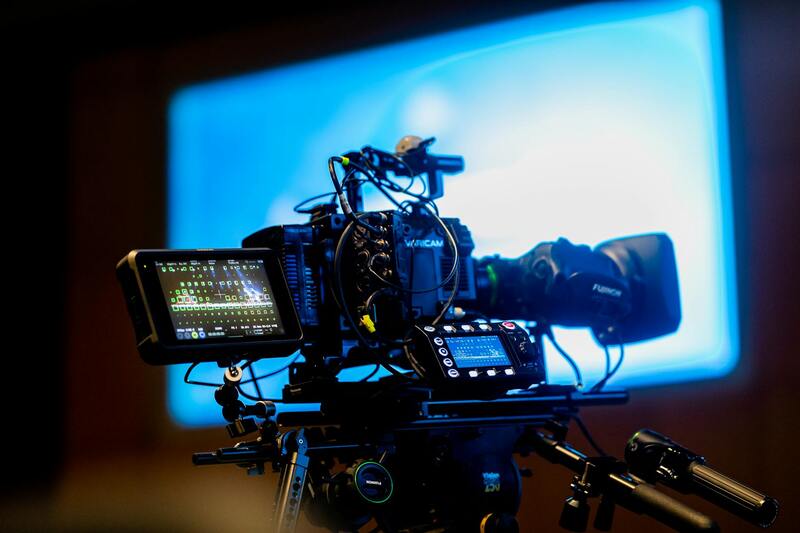
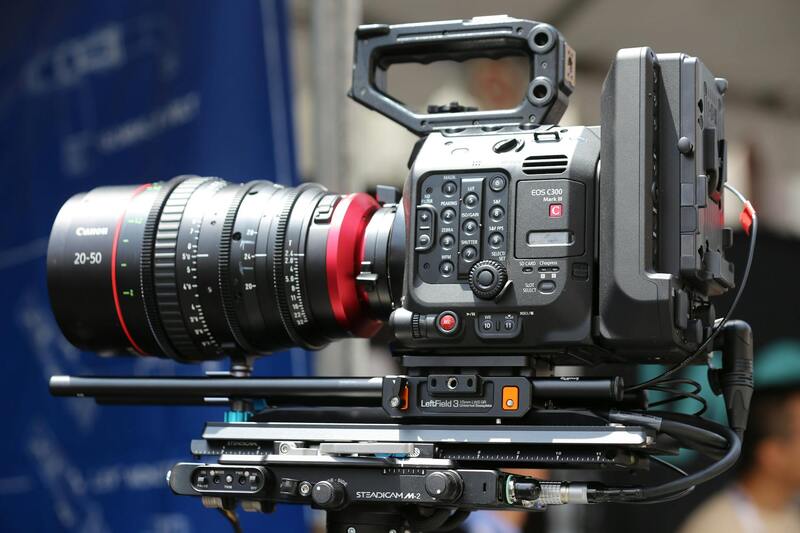
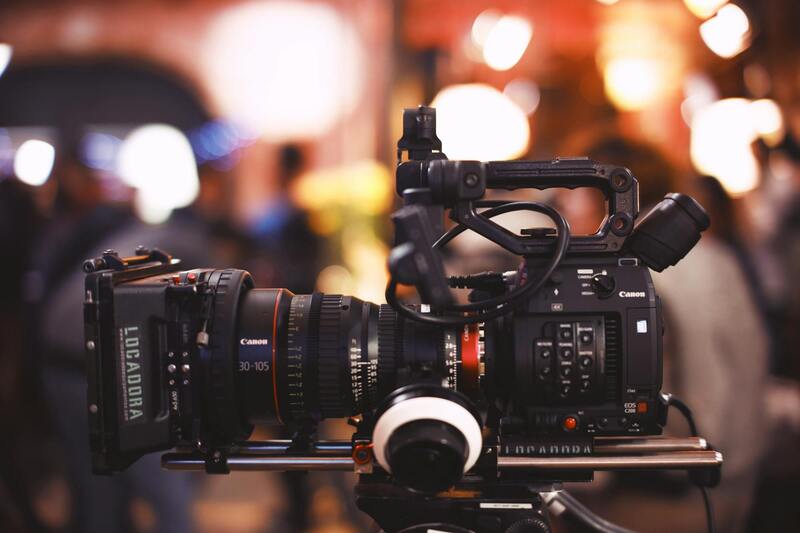
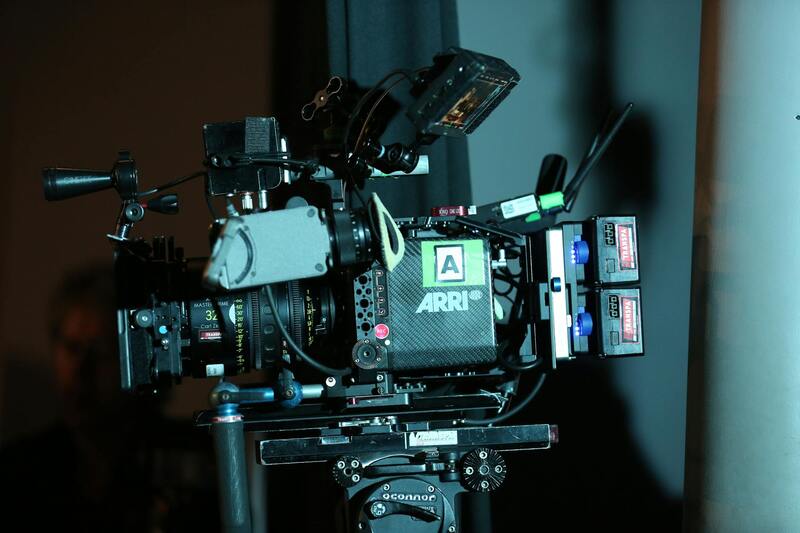
Establishing a top-tier live streaming production studio relies heavily on integrating sophisticated hardware and software to ensure seamless broadcast quality. Central to this setup are high-definition cameras capable of capturing crisp, detailed images from multiple angles. These cameras are often equipped with professional lenses, remote control capabilities, and stabilization features to maintain image consistency during dynamic shots.
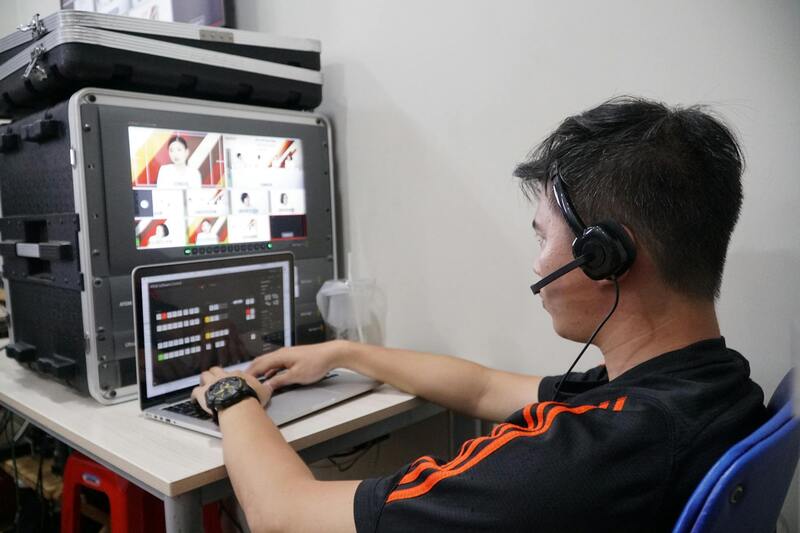
Complementing the cameras are professional video switchers, also known as production mixers. These devices allow operators to switch seamlessly between multiple camera feeds, incorporate live graphics, overlays, and effects, and manage transitions with precision. High-quality video switchers often feature real-time preview screens, multi-layer composition abilities, and integrations with other hardware for a smooth production workflow.
Encoders serve as the bridge between the studio and online viewers by compressing and transmitting high-quality video signals over the internet. Using hardware encoders ensures greater reliability and lower latency compared to software-based solutions, especially during complex broadcasts. Advanced encoders support multiple streaming protocols, adaptive bitrate streaming, and can integrate with content delivery networks (CDNs) for expansive audience reach.
Audio quality is equally critical in live streaming. Industry-standard audio equipment includes digital mixing consoles, wireless microphones, and professional in-ear monitoring systems. These tools provide clear, balanced sound and allow for real-time audio adjustments, reducing background noise and enhancing speech intelligibility. Audio interfaces and preamps also ensure that microphone signals are clean and optimized before transmission.
Software solutions such as digital production software and stream management platforms streamline the production process. These programs facilitate multi-camera control, real-time graphics insertion, chat integration, and audience interaction features. Many softwares offer remote control options, enabling producers to manage content from off-site locations, boosting operational flexibility.
To achieve the highest production standards, studios often employ auxiliary equipment such as lighting systems, teleprompters, and signal routing hardware. Properly designed racks and cable management systems are essential for maintaining a tidy and efficient workspace, minimizing technical issues during live broadcasts.
Overall, the combination of high-caliber cameras, switching hardware, encoders, and audio equipment creates a sturdy backbone for professional live streaming. These assets work in harmony to deliver a compelling viewer experience characterized by clarity, stability, and dynamic visual presentation.
Essential Components of a Live Streaming Production Studio
Running a professional live streaming operation requires a carefully curated blend of advanced equipment and strategic setup. Central to this environment are the high-definition cameras, which capture every detail with clarity and color accuracy. These cameras are often complemented by sophisticated switching hardware, allowing seamless transitions between multiple video sources to create a dynamic and engaging broadcast. Encoder hardware or software is responsible for converting video streams into formats compatible with various streaming platforms, ensuring smooth delivery to viewers worldwide.
Audio remains a foundational element, demanding equipment that guarantees pristine sound. Digital audio mixing consoles enable real-time adjustments, balancing multiple audio channels such as microphones, music tracks, and ambient sounds. Wireless microphones offer mobility for hosts and guests, while in-ear monitors provide clear audio feedback. Audio interfaces and preamplifiers help maintain signal integrity, preventing noise and distortion, which is critical for a professional viewing experience.
Stream management platforms and digital production software are vital for controlling the flow of content during live broadcasts. These tools enable multi-camera control, real-time graphics insertion, and interactive features like chat overlays, which engage viewers. Remote control capabilities allow producers to oversee the stream from off-site locations, providing operational flexibility and rapid response to any on-the-fly adjustments needed.
Auxiliary equipment enhances the overall production quality and functionality. Lighting systems are carefully designed to ensure that the host and set are illuminated evenly, reducing shadows and enhancing visual appeal. Teleprompters help speakers deliver messages smoothly without looking away from the camera, while signal routing hardware ensures that all video and audio signals are correctly directed throughout the studio setup. Cable management systems and racks contribute to a safe, organized workspace, minimizing potential disruptions during live events.
Achieving high production standards involves integrating these components into a cohesive environment. The synergy among cameras, switching hardware, encoders, and audio equipment results in broadcasts that are stable, visually compelling, and engaging for audiences. Proper infrastructure not only elevates the quality of the live stream but also enhances operational efficiency, making the studio capable of handling diverse event types ranging from corporate webinars to large-scale productions.
Advanced Production Techniques in Live Streaming Studios
To ensure seamless and high-quality live broadcasts, many modern live streaming production studios incorporate advanced production techniques that maximize viewer engagement and broadcast professionalism. One primary approach involves multi-camera setups, which allow for dynamic shot transitions, close-ups, and wide-angle views, providing a more cinematic experience. Skilled directors utilize switchers and real-time editing software to select camera angles, incorporate graphics, and insert pre-recorded segments during the live stream, creating a polished final product.
Furthermore, employing real-time graphics and overlays enhances visual communication, emphasizing key messages, branding elements, or informational content. These overlays can include lower-thirds, event titles, or live social media feeds, making the broadcast more interactive and informative. Integration of virtual sets and augmented reality elements is also becoming increasingly popular, providing an immersive experience without the need for extensive physical set construction.
Sound and Lighting Optimization
High-quality sound reinforcement is fundamental to professional live streaming. Studios employ sophisticated audio equipment such as digital mixers, wireless microphones, and sound processors to capture and enhance audio clarity. Proper placement of microphones and soundproofing of the studio environment minimizes ambient noise and echoes, ensuring that speech and music are crystal clear.
Lighting design plays a critical role in creating an engaging visual environment. LED lighting systems with adjustable color temperature and brightness are tailored to suit different broadcast themes and set designs. Soft lighting reduces harsh shadows and highlights the subject uniformly, while key and fill lights are carefully positioned to achieve depth and dimension. Color gels and lighting presets are often used to match branding or mood requirements, contributing to a cohesive visual presentation.
Workflow and Content Management
A streamlined workflow is essential for maximizing efficiency during live streaming events. Studios implement detailed production schedules and checklists that coordinate camera cues, graphics insertion, audio mixing, and technician roles. Pre-production rehearsals and technical rehearsals ensure that all equipment functions correctly and that talent is familiar with the broadcast flow.
Content management systems facilitate smooth integration of pre-produced videos, slideshows, and graphics to be triggered at precise moments. Additionally, remote participation tools allow guest speakers or remote hosts to join the broadcast seamlessly, expanding the versatility and reach of live streaming events.
Advanced Techniques in Live Streaming Production Studios
To elevate the quality and professionalism of live streaming broadcasts, studios employ a range of sophisticated techniques and operational practices. These methods not only ensure seamless execution but also allow for creative flexibility, high production value, and audience engagement. Implementing such advanced techniques requires a thorough understanding of both equipment capabilities and the strategic planning that aligns with broadcast goals.
Multi-camera Setups and Switching
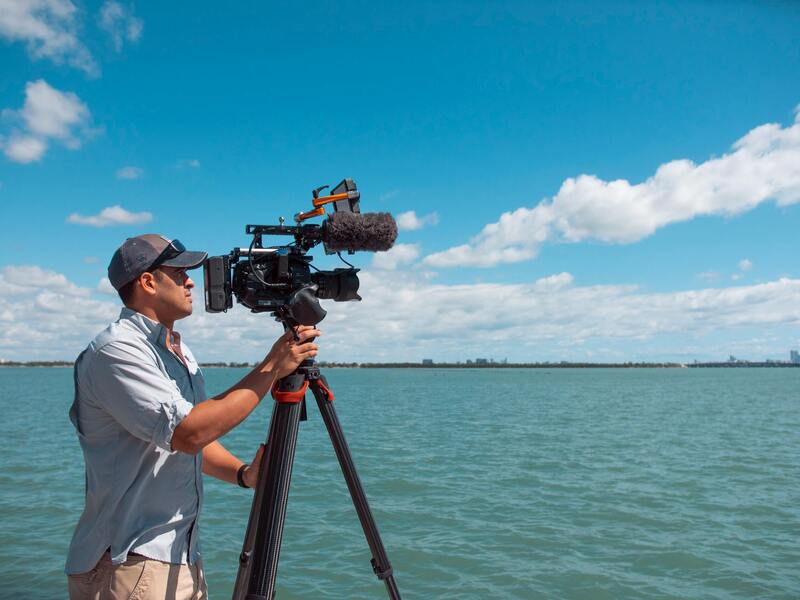
One cornerstone of professional live streaming production is using multi-camera setups. These systems provide multiple viewpoints, creating a dynamic viewing experience that can be easily switched between in real-time. Skilled directors and technical operators manage multiple camera feeds via switchers, selecting the best angle to highlight speakers, presenters, or visual content. High-quality switchers support transitions such as fades, wipes, and special effects, enhancing visual interest.
Real-Time Graphics and Overlay Integration
Integrating graphics, overlays, and animations during live streams adds professionalism and branding consistency. Live graphics can include lower thirds, titles, countdown timers, and branding logos. Custom-designed overlays are synchronized with the broadcast flow, often managed through dedicated software that integrates with the production mix. This setup allows real-time updates, dynamic transitions, and engaging visual effects that enhance viewer retention and convey key information effectively.
Audio Mixing and Sound Optimization
High-quality audio is critical in maintaining viewer engagement and delivering clear messaging. Professional audio mixing involves using digital mixers with multiple channels, allowing adjustments to microphone levels, sound effects, and music tracks simultaneously. Sound engineers optimize audio clarity by equalizing frequencies, applying noise gates, and eliminating feedback. Additionally, employing feedback suppression and echo cancellation technologies ensures pristine sound quality, especially in complex setups involving multiple microphones and remote participants.
Stream Management and Redundancy Protocols
To prevent interruptions during live broadcasts, studios implement redundant streaming solutions. These may include multiple Internet connections, backup encoders, and failover servers that automatically switch in case of primary system failure. Such protocols guarantee that the live stream remains uninterrupted, provides consistent quality, and minimizes technical difficulties. Comprehensive stream management also involves real-time monitoring of stream health, bandwidth utilization, and viewer engagement analytics, enabling rapid response to issues as they arise.
Remote and Hybrid Participation
Incorporating remote participants extends the reach and versatility of live streaming events. Studios employ high-definition video conferencing tools, integrated into the broadcast workflow, to include remote guests seamlessly. These systems support synchronized audio and video feeds, ensuring that remote speakers are given the same prominence as on-site talent. Additionally, hybrid setups facilitate interactive sessions, Q&A segments, and panel discussions, fostering more engaging and interactive broadcasts.
Automation and Workflow Optimization
Automation tools streamline repetitive tasks, such as switching camera angles, triggering graphics, or adjusting audio levels. Using pre-programmed macros and scripting, studios can deliver complex broadcast sequences with minimal manual intervention, reducing errors and increasing efficiency. Integrated workflow management systems coordinate all aspects of production, from pre-show rehearsals to post-broadcast analytics, ensuring cohesive execution and easy troubleshooting.
Conclusion
Mastering advanced techniques in live streaming production empowers studios to deliver broadcasts that are visually captivating, acoustically pristine, and seamlessly operated. These methods underpin the professional quality that audiences expect from high-caliber events, corporate communications, and entertainment. As technology continues to evolve, live streaming studios remain at the forefront, adopting innovative solutions to meet the demands of complex, engaging live content.
Design and Setup for Live Streaming Studios
Creating an effective live streaming production studio requires meticulous planning, technical expertise, and modern infrastructure. The design process encompasses selecting a suitable space that offers optimal acoustics, lighting control, and sufficient room for all necessary equipment and personnel. Soundproofing is crucial to prevent external noise interference, while flexible lighting solutions enable the studio to adapt to various broadcast styles and moods. Proper electrical grounding and surge protection are vital for safeguarding sensitive equipment and ensuring uninterrupted operations.
Studio layout must ensure seamless workflows, with designated zones for camera setups, control rooms, makeup stations, and green screen areas if needed. Ergonomic design principles enhance comfort for operators and on-camera talent, which is essential during lengthy broadcasts. The integration of soundproofed control booths allows directors and technicians to manage live feeds without external distractions, maintaining the broadcast’s professionalism.
The technological setup involves a combination of high-definition cameras capable of capturing multiple angles, professional-grade audio equipment, and a robust network infrastructure. A reliable internet connection with high bandwidth ensures stability and low latency, which are critical for real-time streaming. The choice of switching hardware—such as switchers and mixers—allows quick transitions between cameras and overlays, maintaining a dynamic and engaging broadcast.
Control systems, including vision mixers, audio processors, and graphics generators, are integrated into a centralized workflow. This setup ensures smooth coordination among different production elements, from visual effects to audio levels. Cameras are often mounted on adjustable rigs or pedestals, with remote control capabilities for flexibility and precise framing. Additionally, professional lighting fixtures, capable of adjusting color temperature and intensity, help achieve desirable visual effects conducive to high-quality video output.
Technology Integration and Workflow Management
The core of a successful live streaming operation lies in integrated workflow management. Modern studios use software solutions that synchronize camera feeds, graphics, audio, and streaming outputs. These systems support pre-programming sequences, allowing operators to automate transitions, overlays, and audio adjustments seamlessly. Workflow automation reduces human error, accelerates production timelines, and guarantees consistency across broadcasts.
Enhanced control interfaces, such as touch screens and remote control panels, provide operators with intuitive access to complex functions, facilitating rapid decision-making during live events. Furthermore, cloud-based solutions enable collaboration among remote producers, editors, and content managers, broadening the scope of live production capabilities. Data logging and analytics integrated into the workflow platform aid in evaluating performance, identifying areas for improvement, and optimizing future broadcasts.
Incorporating real-time monitoring tools ensures all feeds are synchronized and functioning correctly before and during the broadcast. Alert systems notify operators of any technical issues, allowing immediate corrective actions. As live streaming technology advances, so does the need for scalable infrastructure capable of supporting multi-camera productions, multi-language streams, and high-bandwidth content delivery.
Overview of Live Streaming Production Studios
Live streaming production studios serve as the backbone of professional broadcast content, providing the infrastructure necessary to deliver high-quality live events across digital platforms. These studios are equipped with advanced hardware and software systems designed to handle multi-camera setups, real-time graphics, dynamic audio management, and seamless streaming logistics. Typically located in strategic venues or dedicated spaces, they enable content creators, corporations, and event organizers to reach audiences with clarity and professionalism. Their purpose extends beyond mere transmission, encompassing content preparation, real-time editing, and ensuring viewers experience minimal latency and maximum engagement.

In Miami, these facilities have become integral to industries ranging from entertainment and sports to corporate communications and education. Their ability to adapt to diverse content formats makes them essential partners for any organization looking to expand its digital footprint. As the demand for live content grows, the sophistication of these studios continues to evolve, embracing innovations that enhance broadcast quality and operational efficiency. Understanding the core offerings and technical foundations of live streaming production studios empowers clients to make informed decisions tailored to their specific broadcasting needs.
Key Equipment and Technology Used
At the heart of any live streaming production studio lies an array of specialized equipment designed for robustness and reliability. Key components include:
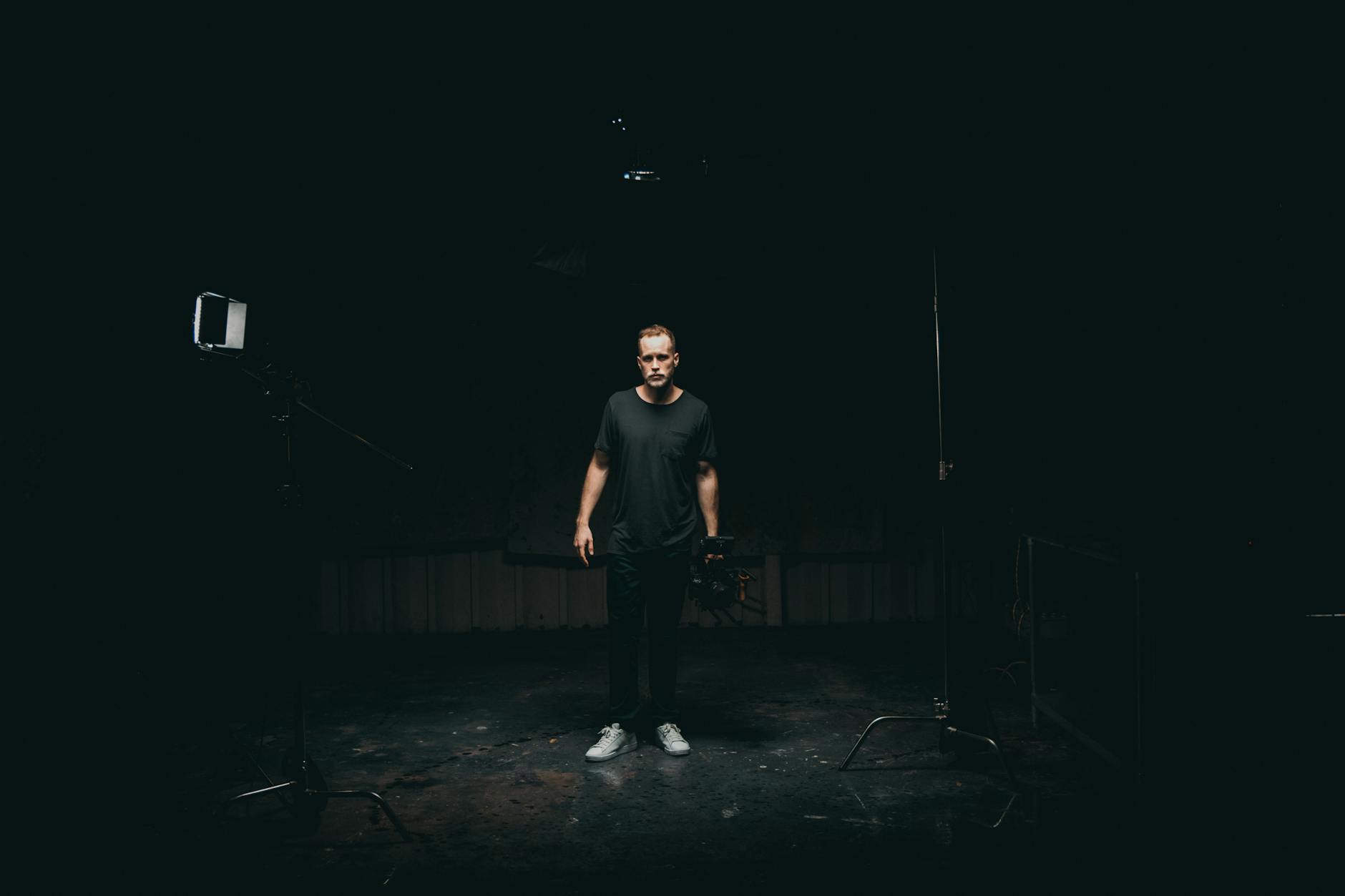
- Cameras: High-definition (HD) and 4K cameras with professional lenses offer sharp, vibrant visuals. PTZ (pan-tilt-zoom) cameras allow remote control, enabling flexible shot compositions without additional personnel.
- Switchers and Mixers: Video switchers facilitate seamless transitions between multiple camera feeds, incorporating overlays and graphics as needed.
- Audiovisual Equipment: Quality microphones, audio mixers, and digital signal processors ensure clear sound for live audiences and remote viewers alike.
- Graphics and Teleprompters: Real-time graphics generators and professional teleprompter systems enhance on-screen presentation and viewer engagement.
- Streaming Hardware: Encoder devices convert raw video signals into streamable formats, while dedicated servers handle content distribution with minimal latency.
- Control Interfaces: Touchscreens, control panels, and remote management systems provide intuitive operation and monitoring of live feeds.
State-of-the-art software complements hardware setups, supporting multi-camera management, real-time editing, and automated workflows. Cloud-based solutions further enhance flexibility, enabling collaborative control among dispersed production teams. This technological synergy ensures live streaming studios can meet high standards of quality, reliability, and scalability required for diverse projects across Miami’s vibrant content landscape.
Design and Setup for Live Streaming Studios
The design of a live streaming studio is a critical factor in achieving operational efficiency and broadcast excellence. Proper space planning ensures seamless integration of equipment, secure cable management, and sufficient room for staff and talent. Acoustic treatment minimizes echo and external noise, preserving audio purity essential for professional productions. Lighting design is tailored to optimize camera performance and maintain consistent visual quality, with adjustable LED lighting systems providing flexibility for different scenarios.
Layout considerations also include dedicated control areas for engineers and producers, clearly segregated from the main shooting space to facilitate smooth workflow during live events. Technical infrastructure must support high-bandwidth internet connections and backup power supplies to prevent interruption. Networking equipment should be strategically distributed for optimized data flow, reducing latency and avoiding bottlenecks.
In Miami, studios often customize their layout to attract a wide range of clients, ensuring their spaces are versatile enough to accommodate various event types—from corporate webinars to entertainment broadcasts. The integration of interactive elements, such as green screens or dedicated branding areas, enhances viewer engagement, while modular setups enable quick reconfiguration for diverse production requirements. A strategic approach to studio design ultimately fosters a professional environment conducive to high-quality content delivery.
Advanced Techniques and Quality Assurance in Live Streaming Production Studios
Ensuring impeccable broadcast quality in a live streaming production studio involves implementing a blend of advanced techniques and rigorous quality assurance protocols. This process starts with meticulous calibration of the entire visual and audio pipeline. Color grading and audio leveling are essential to achieve consistent output that aligns with the client’s branding and audience expectations. Employing professional-grade color grading tools during pre-production allows for accurate color representation while maintaining visual fidelity throughout the live stream.
Audio quality is equally critical. Using high-end microphones, audio mixers, and digital signal processors ensures that sound is crystal clear, well-balanced, and free of distortion or background noise. Acoustic treatment within the studio helps eliminate echoes and external noise interference, thereby enhancing audio integrity. Sound checks are performed pre-event to fine-tune levels and eliminate issues before a live broadcast begins.
Complementing these measures are redundant technical systems designed to minimize risk. Dual internet connections, with automatic failover capabilities, guarantee uninterrupted streaming even in case of network issues. Backup power supplies and uninterruptible power systems (UPS) are stationed across critical equipment to prevent downtime during unexpected power outages. Continuous system monitoring through specialized software allows technicians to detect anomalies proactively, enabling swift corrective actions that prevent visible disruptions or degraded content quality during the broadcast.
Implementing Professional Video and Audio Signal Routing
Signal routing is a cornerstone of broadcast quality assurance. Utilizing professional-grade routers and switchers enables seamless switching between camera feeds, graphics, and video sources in real time. This setup allows directors to execute smooth transitions, picture-in-picture effects, and overlays that enhance viewer engagement. With fiber optic or SDI cabling options, signal integrity is preserved over long distances, preventing data loss or degradation that can compromise visual clarity.
Automation and workflow management tools streamline production, reducing human error and increasing efficiency. Pre-programmed scene changes, graphic insertions, and automated audio mixing help maintain a polished look without overburdening technical staff. This level of precision is especially vital during live events where timing and synchronization directly impact the viewer experience.
Training and Certification for Studio Staff
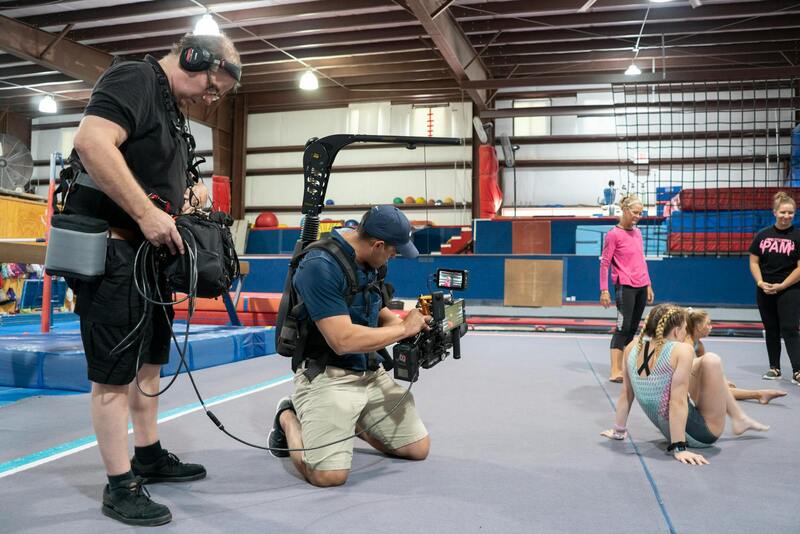
Consistently delivering high-quality live streams also depends on the expertise of the production team. Regular training sessions and certifications for camera operators, technicians, and producers keep staff updated on the latest workflows, equipment functionalities, and troubleshooting techniques. Skilled staff can quickly adapt to new technologies, troubleshoot on the fly, and coordinate seamlessly during complex productions, preventing potentially costly errors or delays.
Post-Production Quality Checks and Content Optimization
While live production aims for perfection in real-time, post-production workflows are equally vital in refining content. Post-broadcast review allows for quality checks, including video stabilization, noise reduction, and color correction, to analyze performance metrics and viewer feedback. Optimized content can be repurposed for on-demand services, social media, or promotional use, extending the reach and impact of the live stream.
Incorporating detailed analytics into post-production efforts provides valuable insights into viewer engagement, peak times, and content preferences. This data-driven approach informs future productions, ensuring continuous improvement. Additionally, detailed recording of all streams creates a comprehensive archive for legal compliance, training, and promotional purposes, solidifying the studio’s reputation for professionalism and reliability.