
Overview of Live Stream Productions
Live stream productions have revolutionized the way organizations, businesses, and event organizers in Miami engage with their audiences. At its core, a live stream production involves broadcasting real-time video content over the internet, allowing viewers from around the world to participate in events as they happen. This approach has become indispensable for conferences, concerts, corporate events, religious gatherings, sports competitions, and cultural festivals, offering immediacy, accessibility, and a broader reach than traditional media methods.
In Miami, a vibrant hub of entertainment, commerce, and cultural diversity, live streaming has seen exponential growth. Growing demand for instant sharing of experiences, coupled with advancements in internet infrastructure and broadcast technology, has made high-quality live stream production a vital component for success. Organizations leverage live streaming not only to expand their audience but also to enhance engagement through interactive elements like chat, Q&A sessions, and real-time social media integration.
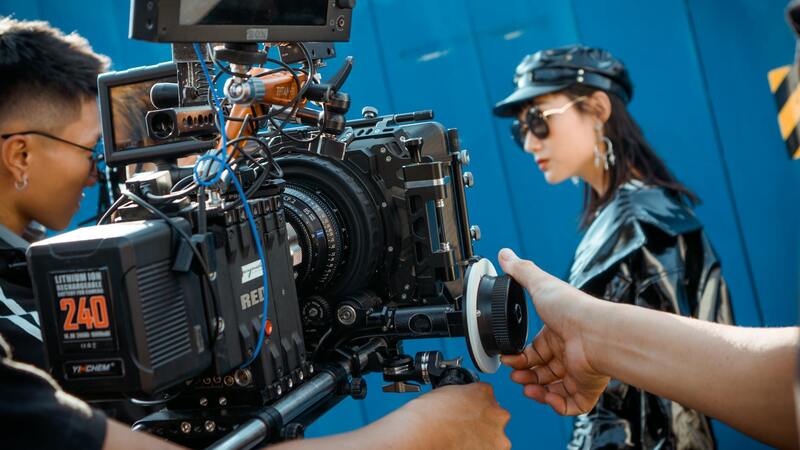
Modern live stream productions combine technical expertise, high-grade equipment, and comprehensive planning to deliver seamless broadcasts. The importance of such productions extends beyond mere visibility; they serve as strategic tools to boost brand recognition, increase revenue streams through ticket sales or sponsorships, and foster community involvement. As technology continues to evolve, live streaming remains a dynamic and adaptable medium, essential for organizations aiming to maximize impact in an increasingly digital world.
Whether broadcasting a corporate seminar, a sports match, or a cultural festival, the ability to deliver professional-grade live streams that are stable, visually appealing, and engaging is integral to achieving communication goals. The growth of live streaming in Miami reflects a broader trend across industries, emphasizing the need for reliable, high-quality live stream productions that meet the expectations of diverse audiences.
Ultimately, live stream productions empower organizations with versatile tools for storytelling, marketing, and engagement, transforming traditional events into compelling digital experiences accessible to a global audience. As Miami continues to thrive as a center for innovation and diversity, the demand for expert live streaming services will only increase, solidifying their role as an essential component of modern event execution.
Key Equipment and Technology
Successful live stream productions depend heavily on the choice and integration of advanced equipment and technology. Ensuring a flawless broadcast requires a combination of high-definition cameras, professional audio systems, reliable encoders, and robust internet connectivity. The quality of visual and audio components directly influences viewer engagement and overall impression of the event.
High-grade cameras are essential for capturing clear, sharp footage, whether the event involves multiple speakers, performances, or dynamic scenes. These cameras often feature optical zoom, image stabilization, and high frame rates to accommodate diverse shooting requirements. Complementing the visual hardware, professional audio equipment—including wireless microphones, mixers, and soundboards—ensures crisp, well-balanced sound that reaches viewers without distraction or distortion.
In addition to capturing content, effective encoding technology is critical for transmitting streams efficiently and maintaining stability. Modern streaming encoders can handle multiple input sources, support adaptive bitrate streaming, and integrate seamlessly with content delivery networks. Software solutions and hardware encoders are often employed in tandem to optimize output quality and reliability.
Internet connectivity forms the backbone of any live streaming setup. Fiber-optic internet with high upload speeds is preferred for its stability and capacity to handle large data volumes without interruptions. As backup, redundant internet sources or mobile 4G/5G connectivity are often integrated to avoid broadcast failures due to connection issues.
Emerging technologies, including wireless transmission systems, drone cameras, and 4K resolution streams, are increasingly incorporated to elevate production quality. These innovations provide greater creative flexibility and allow for more immersive viewer experiences, especially in large-scale events or outdoor settings where mobility and wide coverage are essential.
Conclusion
Investing in the right combination of high-performance equipment and cutting-edge technology enables comprehensive control over the live streaming process. It ensures smooth operation, high quality, and adaptability to various event types and environments. When selecting equipment, understanding the event’s scope and audience expectations is vital for creating an engaging, professional broadcast from start to finish.
Key Equipment and Technology
Executing a professional live stream requires a synergy of advanced equipment and innovative technology. High-definition cameras form the backbone of visual quality, with options ranging from PTZ (pan-tilt-zoom) cameras for versatile shots to multi-camera setups that provide dynamic angles. State-of-the-art microphones, including lapel, shotgun, and boundary mics, ensure crisp, clear audio that complements the visual experience. Integrating audio mixers allows producers to manage multiple sound sources efficiently, reducing noise and balancing levels seamlessly.
Streaming hardware, such as live switchers and encoders, facilitate real-time video processing and format conversion, making content compatible with various platforms. Hardware encoders offer reliability and low latency, vital for maintaining broadcast continuity, especially in complex productions. Meanwhile, software encoding solutions can provide flexibility and ease of use, particularly when paired with powerful computers.
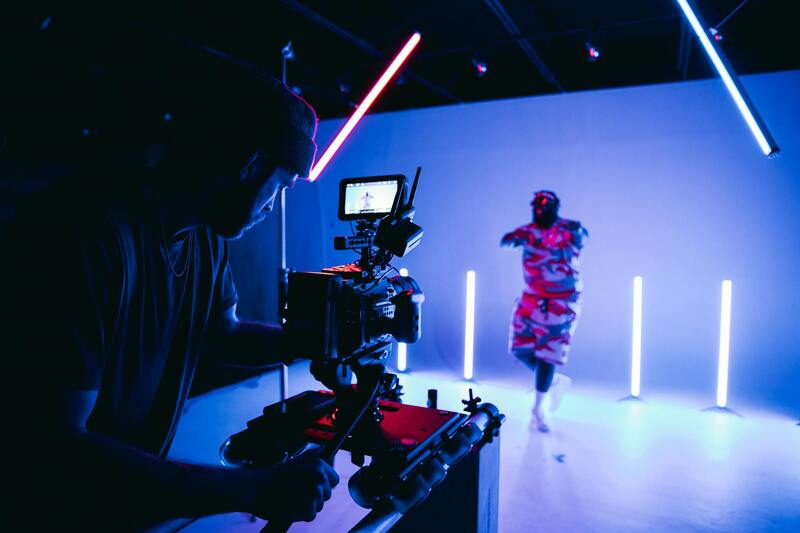
Supporting equipment, including lighting systems, teleprompters, and stabilizers, contribute significantly to production quality. Proper lighting ensures subjects are well-visible and creates the desired ambiance, while teleprompters assist presenters in maintaining eye contact and delivering smooth presentations. Camera stabilizers and gimbals enable fluid movement shots, especially useful in outdoor or mobile event settings.
Emerging Technologies and Software Solutions
Advanced software solutions such as multi-platform streaming dashboards enable producers to manage live broadcasts across several channels simultaneously. Features like real-time analytics, chat management, and engagement tools enhance interaction with viewers and optimize content delivery.
Emerging trends include the integration of drone cameras, providing sweeping aerial shots for outdoor and large-scale events. Wireless transmission systems offer enhanced mobility by reducing cable clutter, allowing crews to capture shots from previously inaccessible angles. Additionally, 4K resolution streaming has become increasingly feasible, delivering sharper visuals that captivate viewers and elevate the production value.
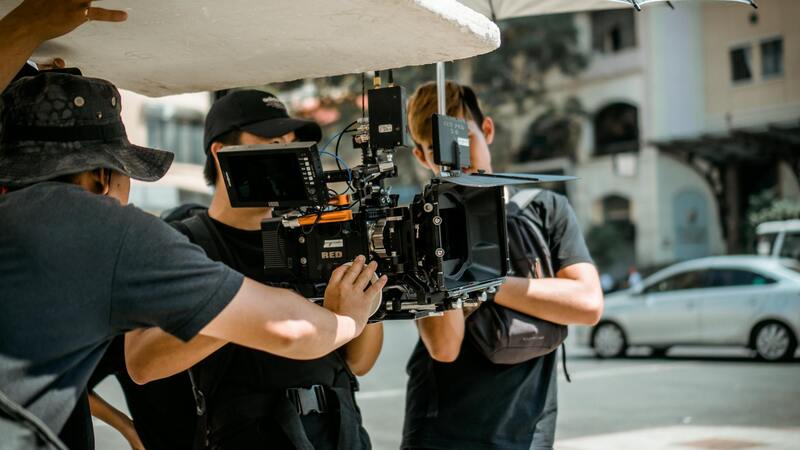
This combination of robust hardware and innovative software solutions ensures that live stream productions remain competitive, engaging, and capable of delivering high-quality content tailored to meet evolving viewer expectations.
Pre-Production Planning Essentials for Live Stream Productions
Effective planning forms the backbone of a seamless live streaming experience. It encompasses detailed content scripting to outline key messages, designated camera angles, and cue timings, ensuring that every aspect of the broadcast aligns with the intended narrative. Technical rehearsals are crucial, allowing the production team to test equipment, coordinate signal flows, and troubleshoot potential issues before the actual event. These rehearsals facilitate synchronization among camera operators, sound engineers, and talent, which minimizes on-air disruptions. Another vital component pertains to securing permits or permissions—particularly when broadcasting in public spaces or large venues—where compliance with local regulations is necessary. These permissions provide legal clearance for staging the event and prevent interruptions during the live broadcast. Additionally, establishing a comprehensive checklist of equipment, personnel roles, and contingency plans ensures the team is prepared for any unforeseen circumstances. A detailed shot list and storyboard guide the camera operators to capture essential moments, especially in events with multiple camera feeds or complex visual elements. Content creators should also incorporate contingency strategies such as backup internet connections, alternate power sources, and redundant equipment setups to sustain uninterrupted streaming. By establishing clear channels of communication among the production team—including coordinators for technical support, talent, and on-site staff—the production process becomes more streamlined. Furthermore, coordinating with the venue to set up appropriate lighting, sound systems, and staging ensures the aesthetic quality and technical reliability of the broadcast. The integration of project management software tools can facilitate real-time updates, scheduling, and task allocation, enhancing overall coordination. Through meticulous planning, live stream productions can execute flawlessly, delivering high-quality content that resonates with viewers and meets branding objectives.
Production Day Execution
Executing a successful live stream production hinges on meticulous coordination and precise management of various technical components. On the day of the event, the production team must adhere to the established schedule, ensuring all equipment is operational and set up correctly. Proper setup involves testing cameras, audio channels, switching equipment, and internet connections well in advance to identify and address any issues promptly. Equipment calibration, such as color correction on cameras and audio levels, guarantees consistency in the broadcast’s visual and sound quality.
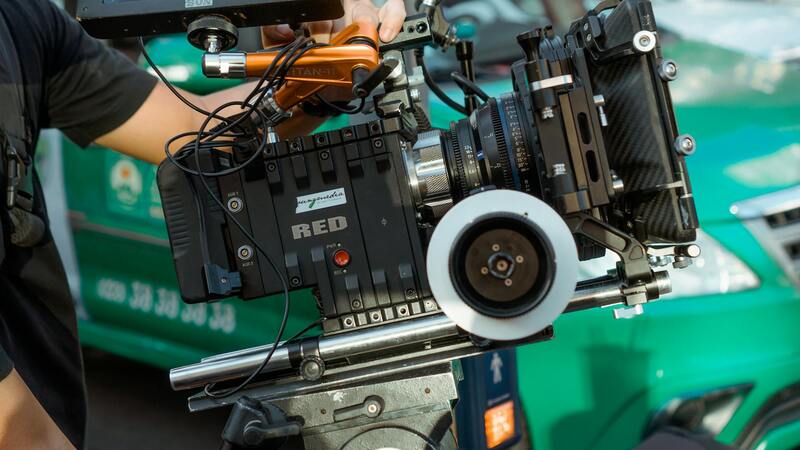
Camera operation forms the backbone of a professional live stream. Multiple camera angles are often employed to provide viewers with a dynamic viewing experience. Camera operators must follow predetermined shot lists or storyboard cues, capturing key moments as planned and adjusting their framing to capture spontaneous event highlights without missing critical details. Remote control systems may be utilized to allow director-driven camera adjustments, ensuring flexible shot composition and seamless transitions.
Audio management is equally vital, demanding attentive oversight of sound levels, microphone placement, and background noise mitigation. During live streaming, audio engineers monitor feeds continuously, making real-time adjustments to maintain optimal clarity. Wireless mics, lapel microphones, and ambient sound sources such as audience reactions are synchronized to provide an engaging auditory experience that complements the visual presentation.
Managing live switching involves selecting camera feeds, adding graphics or overlays, and transitioning smoothly between scenes. This process is executed through a production switcher or video mixer operated by a skilled technician. Effective switching maintains viewer engagement and highlights important moments, such as speeches, performances, or product demonstrations. Additionally, the director and technical crew monitor the live feed for glitches or disruptions, ready to execute contingency protocols if necessary.
Feeding the live stream involves managing multiple outputs, including streaming platform interfaces, backup feeds, and local recordings for post-event editing. Proper bandwidth management and redundant internet paths are crucial to prevent interruptions, especially when broadcasting from venues with fluctuating network quality. Continuous communication across the production team ensures that everyone is aligned, and any unforeseen issues are swiftly addressed to keep the broadcast seamless.
Overall, the execution phase demands a high level of technical proficiency, coordination, and adaptability. A well-managed production day results in a polished, engaging live stream that accurately captures the event's essence for remote audiences, thereby expanding its reach and impact.
Technical Strategies for Smooth Live Stream Operations
Conducting successful live stream productions depends heavily on employing proven technical strategies that ensure a seamless broadcast experience. Strictly adhering to tried-and-true procedures minimizes disruptions and maximizes viewer satisfaction. At the core of these strategies is meticulous planning and execution of the technical workflow, which involves multiple interconnected systems working in harmony.
Data Transmission and Network Infrastructure
Reliable internet connectivity forms the backbone of high-quality live streaming. Using dedicated bandwidth and multiple internet connections with automatic failover capabilities helps prevent interruptions caused by network fluctuations. This network redundancy ensures that if one internet line encounters issues, another seamlessly takes over, maintaining the continuity of the stream.
- Utilize high-speed broadband connections with symmetrical upload and download speeds.
- Implement load balancing across multiple internet sources for redundancy.
- Regularly test network performance before the event to identify potential bottlenecks.
Video Encoding and Quality Management
Encoding settings play a vital role in balancing video quality with streaming stability. Choosing appropriate bitrate and resolution ensures viewers experience clear visuals without buffering. Live stream producers often utilize hardware encoders or software solutions with adaptive bitrate technology, which dynamically adjusts the video quality based on bandwidth availability.
- Employ hardware encoders for low-latency streaming in high-pressure environments.
- Set up encoding parameters that align with the target platform’s specifications.
- Continuously monitor stream performance to detect and correct quality issues promptly.
Audio Configuration and Synchronization
Clear audio is essential for effective communication in live productions. Using professional-grade microphones and sound mixing consoles offers high audio fidelity. Synchronizing audio with video ensures a cohesive viewing experience, especially when multiple camera feeds and audio sources are involved.
- Opt for directional microphones to isolate sound sources and reduce background noise.
- Implement audio mixers with real-time equalization and level controls.
- Set up audio delay systems, if necessary, to match video feed timing.
Monitoring and Troubleshooting in Real-Time
Throughout the live broadcast, continuous monitoring allows production teams to identify issues as they occur. Using software dashboards and dedicated hardware meters to track video and audio signals can aid in early detection of problems. Establishing clear communication protocols among team members ensures swift responses to technical challenges, minimizing viewer impact.
- Utilize multi-view monitoring platforms for comprehensive oversight of all video feeds.
- Set up alert systems for parameters indicating potential issues, such as drops in signal strength or audio distortion.
- Train technical staff on troubleshooting procedures to resolve common problems promptly.
Effective Post-Stream Analysis
Post-broadcast, analyzing performance data and viewer feedback provides insights to refine future live stream productions. Metrics such as buffering incidents, viewer drop-off points, and engagement levels highlight areas for improvement. This data-driven approach allows teams to adjust configurations, update equipment, and enhance training for upcoming events.
Overview of Live Stream Productions
Live stream productions serve as a dynamic platform for effectively reaching diverse audiences through real-time digital broadcasts. They encompass a broad spectrum of content delivery methods, including corporate events, live concerts, sports events, educational webinars, and social media broadcasts. The core advantage lies in delivering immediate engagement, allowing viewers to participate actively and providing producers with instant feedback. High-quality live streams require meticulous coordination of technology, personnel, and planning to ensure seamless operations from start to finish. Whether broadcasting on social media, dedicated streaming platforms, or customized websites, the objective remains to produce visually engaging and technically flawless live content that resonates with viewers and meets organizational goals.
Types of Live Stream Productions
- Corporate Events: Product launches, conferences, and internal meetings are broadcasted to global audiences, emphasizing brand messaging and stakeholder engagement.
- Entertainment Shows: Music concerts, comedy acts, and award ceremonies leverage live streaming to reach wider audiences beyond physical venues.
- Educational Webinars: Live educational content, workshops, and seminars facilitate interactive learning experiences across different institutions and organizations.
- Sports and Recreation: Live coverage of sporting events ensures real-time viewer participation and broadens fan engagement on digital platforms.
- Community and Religious Services: Faith-based gatherings and community events are broadcasted to maintain connection with members who cannot attend physically.
Key Equipment and Technology
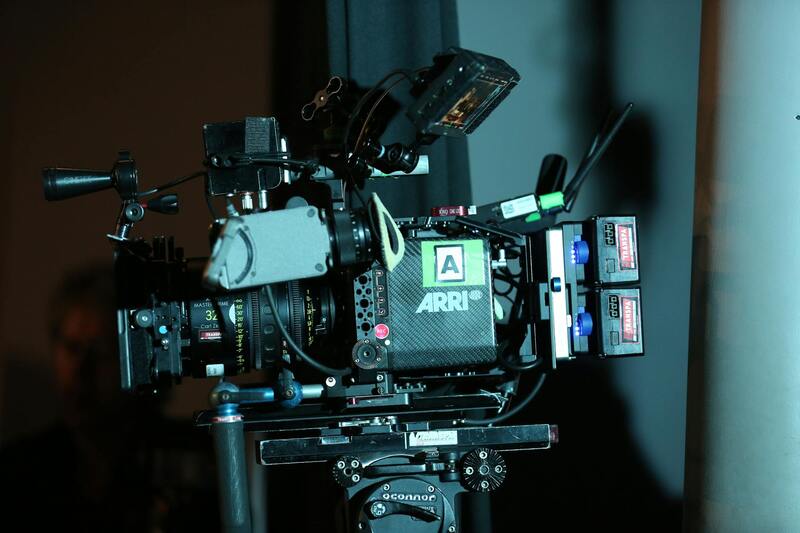
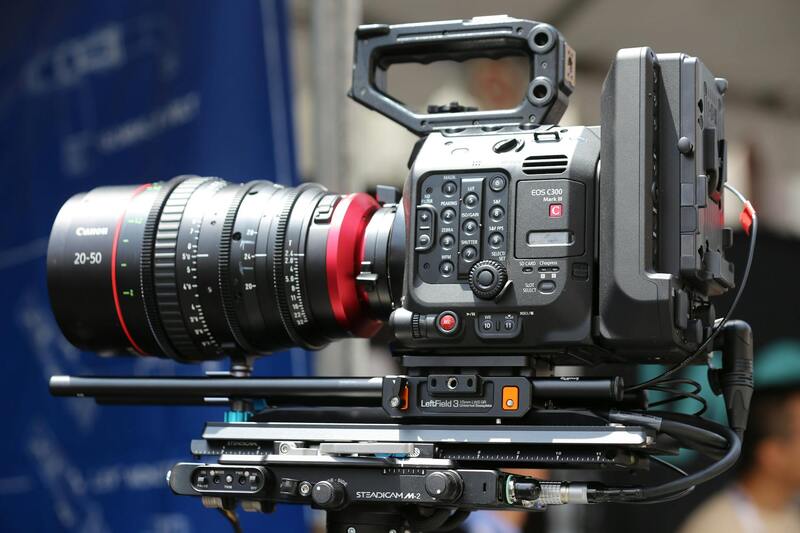
Producing high-quality live streams relies on a curated set of advanced equipment and technology components designed to optimize video and audio delivery. Central to this setup are professional-grade cameras capable of capturing in high resolution and with excellent color fidelity. Multiple camera angles enhance visual engagement and provide varied perspectives akin to traditional television broadcasts. Audio quality is equally vital, with directional microphones and sound mixers employed to capture clear, crisp sound, reducing background noise and echo issues.
The backbone of any successful live stream is a reliable internet connection, often supported by dedicated fiber-optic service or multiple bonded connections to ensure bandwidth stability. Encoding hardware or software converts raw video signals into streaming-compatible formats in real time, with options for adaptive bitrate streaming to accommodate viewers with varying internet speeds. Additional equipment such as video switchers, graphics servers, and real-time monitoring tools allow production teams to manage transitions, overlay graphics, and troubleshoot issues during the broadcast.
Pre-Production Planning
Effective live stream production begins with comprehensive pre-production planning that maps out every aspect of the broadcast. This phase involves defining the content objectives, establishing the target audience, and setting clear technical requirements. Content scripting and shot planning ensure that camera operators and talent are aligned on key moments and visual cues, reducing on-camera uncertainty during live execution.
Technical rehearsals are integral, allowing teams to test connectivity, synchronize audio and video feeds, and refine lighting and staging setups. During this phase, backup plans and contingencies are also established to address potential technical failures or unforeseen disruptions. Coordination among the production crew—camera operators, sound engineers, directors, and technical support—ensures clear communication channels, both pre-event and in real-time.
Engagement strategies are also designed in this stage, such as incorporating interactive elements like live polls, Q&A sessions, or social media interactions to boost viewer participation and retention. Additionally, compliance with branding, copyrights, and safety protocols is verified, ensuring the broadcast adheres to all relevant guidelines and standards.
Production Day Execution
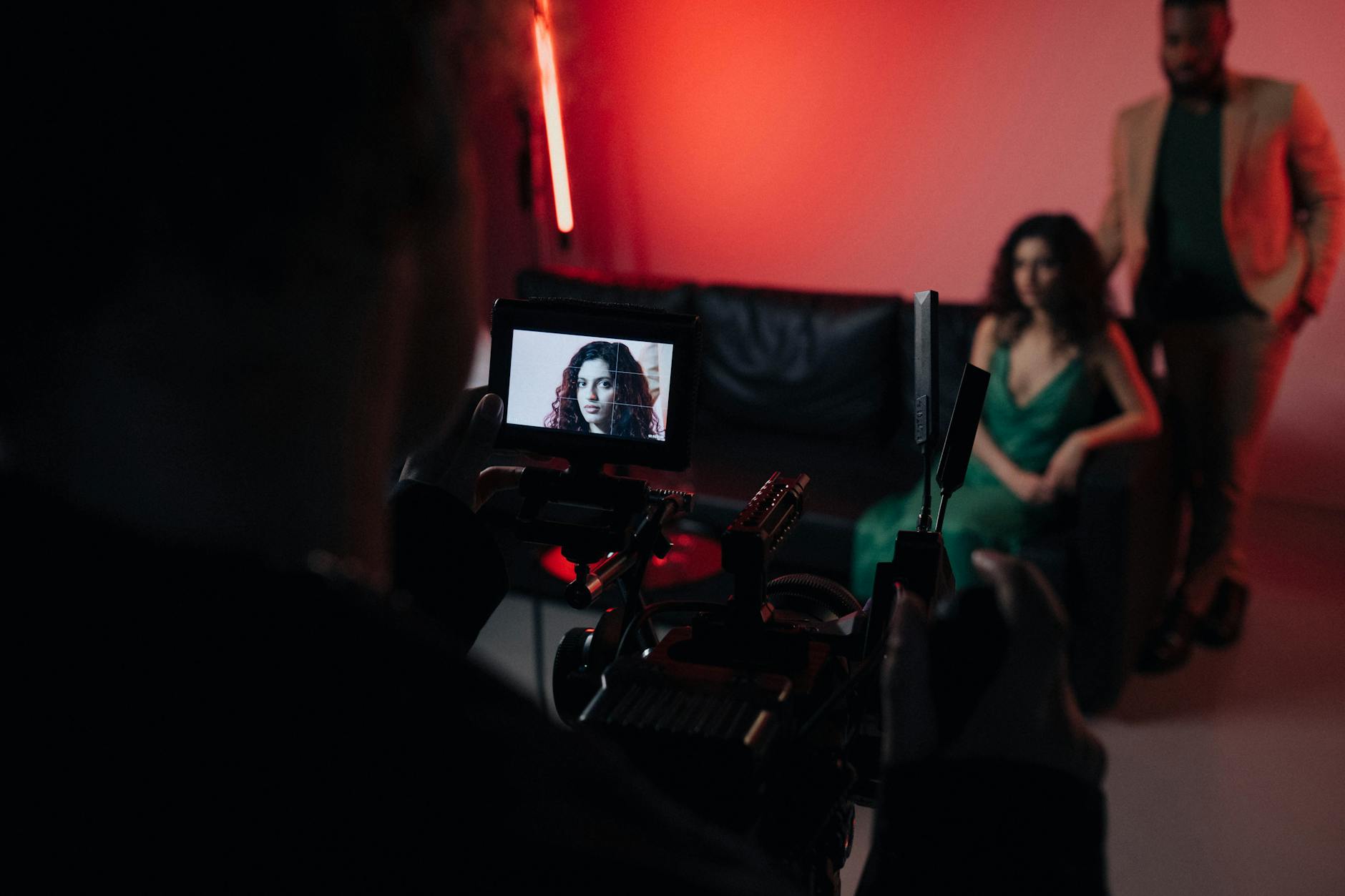
On the day of the event, the focus shifts to flawless execution through precise coordination and real-time troubleshooting. Production teams set up equipment well in advance, conducting thorough system checks to confirm connectivity, camera operation, and audio levels. During the live stream, a director manages camera switches, visual effects, and overlays, ensuring a visually engaging presentation aligned with the event’s narrative.
Monitoring tools, such as multi-view interfaces and signal meters, allow technical supervisors to oversee all feeds and identify issues swiftly. Continuous communication among team members, facilitated via headsets and prompt response protocols, is crucial for addressing any technical glitches that may arise. Backup systems, including secondary internet lines and redundant hardware, provide additional security, minimizing potential disruptions.
Post-Production and Distribution
Following the live broadcast, the focus transitions to post-production activities, including editing, clipping highlight moments, and preparing content for on-demand access. Analyzing viewer engagement data, such as peak viewership periods and drop-off points, helps assess the success of the event and identify areas for improvement. Feedback channels, including surveys and social media comments, offer insights into audience reception and preferences.
Distribution of recorded content across various platforms extends the reach and maximizes content value. Video editing software allows post-event enhancements, like branding overlays or subtitles, making the content accessible to a broader audience. Archiving these broadcasts ensures a resource for future marketing, training, or promotional use.
Comprehensive Strategies for Successful Live Stream Productions in Miami
Executing a seamless live stream production requires meticulous planning and adherence to proven methods that ensure a professional and engaging broadcast. From initial preparations through post-event distribution, each phase demands precision, technical expertise, and strategic coordination. Leveraging the right infrastructure and experienced personnel significantly enhances the quality and reliability of your live streaming efforts.
Implementing Official and Professional Methods
To guarantee a polished on-air presentation, it is essential to utilize time-tested and official procedures. This includes environment assessment to secure stable internet connections with sufficient bandwidth, professional-grade hardware, and backup systems to hedge against potential disruptions. Employing dedicated streaming servers or CDNs (Content Delivery Networks) can help distribute your content efficiently across various regions, reducing latency and buffering issues.
Another critical element involves synchronized coordination among the production team members. Designate roles such as technical director, camera operators, audio engineers, and a content producer. Clear communication channels, often established through wired headsets, enable swift problem-solving and prompt decision-making, maintaining broadcast quality throughout the event.

To maximize the effectiveness of your live stream, consider the following official techniques:
- Rigorous Rehearsals: Conduct full-scale dry runs to test equipment, internet reliability, and coordination workflows. These rehearsals reveal potential issues that can be addressed ahead of the live event.
- Quality Audio and Video Equipment: Use professional-grade cameras, microphones, and switchers. High-definition video (preferably 4K for future readiness) combined with clear audio substantially enhances viewer engagement.
- Dedicated Streaming Hardware and Software: Opt for reputable streaming encoders and software that support multiple input sources and overlay features, allowing rich, dynamic broadcasts.
- Real-Time Monitoring and Troubleshooting: Employ multi-view monitors and signal analytics tools to oversee all video feeds and audio levels actively. This vigilance enables swift identification and resolution of technical issues during the broadcast.
- Strong Internet Connectivity: Prioritize wired connections with redundant internet links to ensure uninterrupted streaming. Test internet speeds and stability in advance to mitigate unforeseen disruptions.
- Effective Content Management: Prepare overlays, lower thirds, branding elements, and audience engagement tools, such as live polls or Q&A features, to enrich the content and interaction.
- Compliance with Broadcast Standards: Adhere to recommended technical standards for color calibration, audio levels, and signal integrity to deliver a consistent viewer experience.
Post-Production and Content Optimization
Post-event activities are pivotal in extracting the maximum value from your live stream. Post-production includes editing the raw footage to craft highlights, adding branding elements, and preparing the content for on-demand access across various platforms. Properly archiving the recorded event allows for future marketing, training, or promotional applications, extending the lifespan of your content.
Analyzing viewer metrics—such as engagement rates, peak viewing times, and audience drop-off points—provides insights into the success of your event. Feedback collected through surveys and social media comments helps refine future live stream strategies. Ensuring your content meets high production standards during editing—including consistent branding, subtitles, and visual effects—improves accessibility and viewer perception, further solidifying your reputation for quality live productions.
Selecting a Miami-Based Production Provider
Partnering with a reputable local team specializing in live stream production enhances project execution. Such providers bring regional expertise, access to advanced equipment, and a thorough understanding of Miami’s unique logistical considerations. Evaluating potential partners on their technical capabilities, portfolio of past events, and ability to customize solutions ensures a successful collaboration.
In-depth consultations with your chosen provider help define project scope, timeline, and deliverables. Their experience can guide you through official best practices, legal compliance, and technological innovations, fostering a professional and seamless live streaming experience tailored to your event's specific needs.