
Overview of Remote Live Stream Production
Remote live stream production has revolutionized the way organizations broadcast events, conferences, and presentations to audiences around the world. This method involves capturing, managing, and transmitting live video content from various locations to viewers in real-time, utilizing advanced internet connectivity and broadcasting technologies. Unlike traditional on-site production, remote live streaming allows content creators and organizations to operate from different geographical areas without compromising broadcast quality or viewer experience.
In Miami, a vibrant hub for media and entertainment, remote live stream production has gained significant prominence. This approach provides local businesses, corporate entities, educational institutions, and entertainment venues the ability to extend their reach efficiently and cost-effectively. It eliminates the constraints of physical presence, enabling seamless coverage of events such as conferences, sports tournaments, cultural festivals, and product launches. Miami’s diverse and dynamic environment makes it an ideal setting for adopting remote live streaming solutions, fostering innovation and expanding audience engagement beyond traditional boundaries.
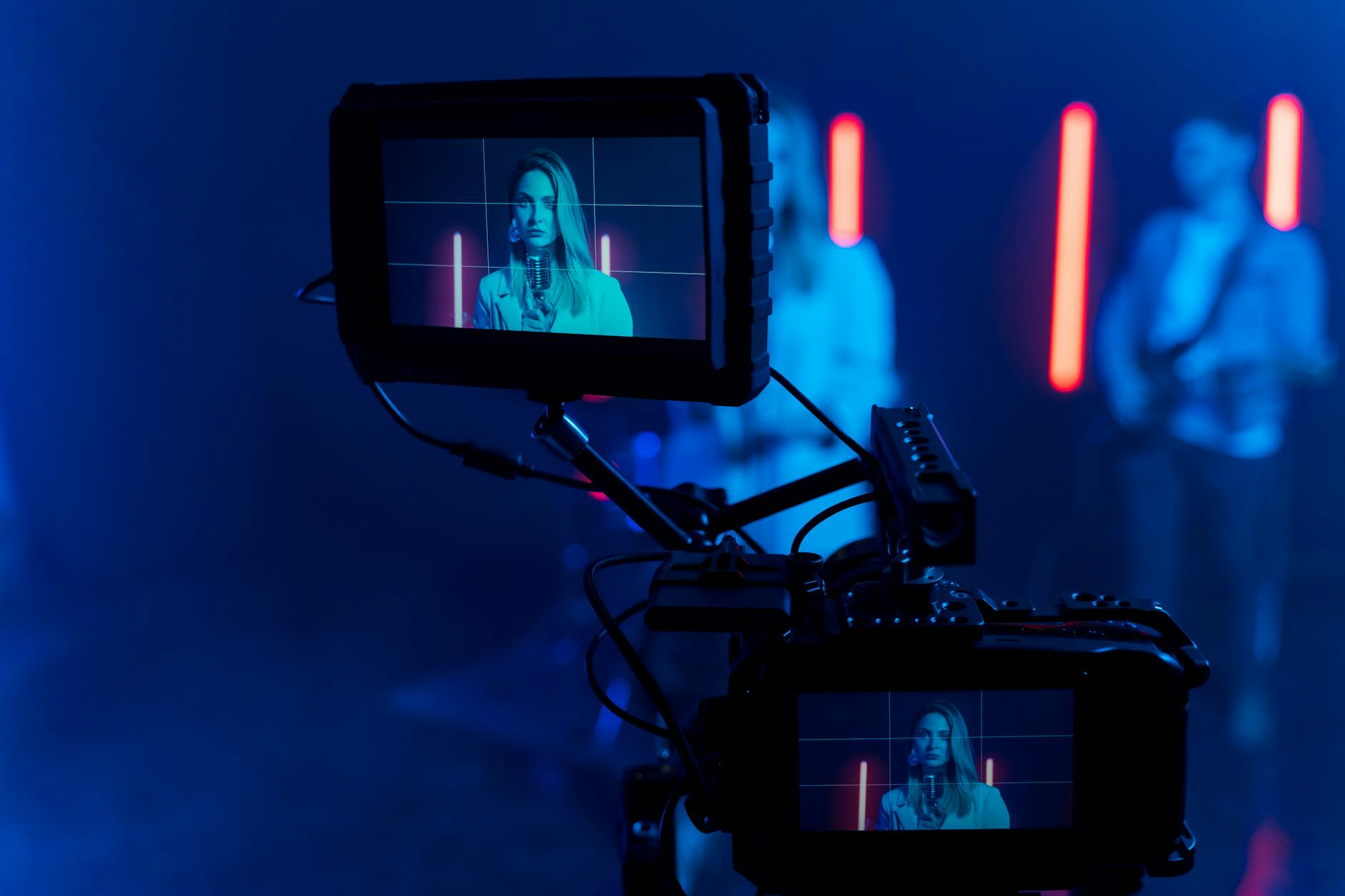
Embracing remote live stream production is not just about technology; it’s a strategic decision to enhance visibility, increase accessibility, and optimize operational costs. As digital content consumption continues to grow, Miami organizations that leverage reliable remote streaming methods position themselves at the forefront of contemporary communication and media engagement in a competitive landscape.
Key Components of Remote Live Streaming
Effective remote live stream production hinges on the integration of several critical components that work cohesively to deliver a seamless viewing experience. Central to this setup are high-quality cameras capable of capturing live footage in various environments. These cameras should support multiple resolutions to cater to different audience bandwidths and device capabilities. Alongside cameras, encoding equipment plays a vital role; it compresses the video feed into formats suitable for real-time broadcasting. Reliable encoders with hardware or software solutions ensure minimal latency and maintain high visual fidelity.
Internet connectivity forms the backbone of remote live streaming. Achieving stable, high-speed internet connections with sufficient upload speeds is paramount. Redundant connections, such as primary fiber optic lines complemented by cellular backup, mitigate disruptions caused by network fluctuations. Network hardware, including routers and switches, must be optimized for low latency and high throughput.
Streaming platforms are the bridges that carry the broadcast to viewers across various devices. Whether utilizing dedicated streaming services, content delivery networks (CDNs), or proprietary platforms, choosing solutions that support scalable bandwidth and multiple user access is crucial. These platforms also offer analytics tools, chat integrations, and simultaneous multi-stream capabilities, enhancing viewer engagement.
In addition, remotely operated audio equipment, such as wireless microphones and audio mixers, ensures sound clarity and synchronization with video streams. Properly synchronized audio-visual feeds contribute significantly to professional-quality productions.
Finally, control rooms equipped with software for managing multiple feeds, overlays, transitions, and live editing allow producers to maintain a dynamic, polished broadcast. These control interfaces are often accessible remotely, further emphasizing the flexibility of remote live stream production.
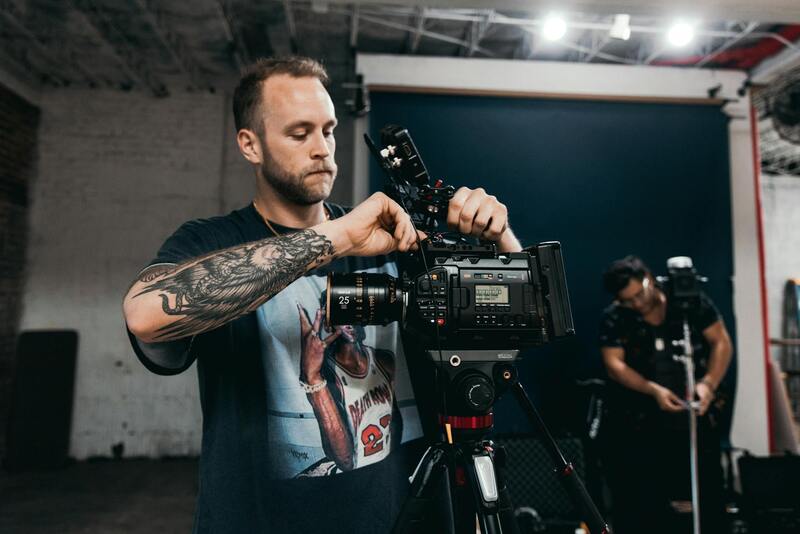
Advanced Techniques for Secure and Reliable Remote Live Stream Production
Implementing remote live stream production requires meticulous attention to security and reliability to ensure seamless broadcasts that reach audiences without interruptions or vulnerabilities. One of the most effective approaches involves establishing a dedicated Virtual Private Network (VPN) tailored specifically for production teams. This VPN provides encrypted connections between remote sites and production facilities, safeguarding sensitive content from unauthorized access and minimizing the risk of data breaches during transmission.
In addition to secure networks, employing multi-factor authentication (MFA) across all access points adds an extra layer of protection. MFA ensures that only authorized personnel can operate critical control systems, reducing the likelihood of unauthorized interference or cyberattacks.

Reliability also hinges on redundant hardware and network pathways. For instance, deploying dual internet connections from different providers ensures continuous streaming even if one connection encounters a disruption. Load balancers can distribute streaming traffic efficiently across multiple servers, preventing overload and maintaining stream quality.
Operationally, implementing real-time monitoring tools help technical teams detect and address issues proactively. These tools provide detailed insights into network latency, packet loss, and bandwidth usage, enabling immediate corrective actions to avoid buffering or quality degradation.
Furthermore, adopting adaptive bitrate streaming technology dynamically adjusts the video quality based on the viewer’s network conditions. This ensures a stable viewing experience, even when bandwidth fluctuates, by delivering the highest possible quality without causing buffering delays.

Comprehensive testing and rehearsals prior to the actual event are essential to identify potential technical obstacles. This process includes verifying network stability, testing audio and video synchronization, and confirming control interface responsiveness. Additionally, establishing clear communication protocols among remote operators facilitates quick responses to unforeseen issues during live transmissions.
Advanced encryption standards (AES) should be integrated throughout the production infrastructure to secure all data streams and stored content. Regular updates and patches to software and firmware components help close vulnerabilities that could be exploited during live events.
Ultimately, combining strict security measures with redundant, well-monitored systems guarantees a high level of dependability for remote live stream productions. This approach ensures that content creators in Miami and beyond can deliver consistent, professional broadcasts that uphold the highest standards of integrity and viewer trust.
Technology and Equipment for Remote Live Streams
Executing a seamless remote live stream relies heavily on deploying the right technology and equipment. The backbone of any effective remote production setup is a high-bandwidth, stable internet connection capable of handling the data demands of live video transmissions. Fiber optic internet is often preferred for its reliability and speed, but advanced wireless solutions with failover capabilities can also ensure continuity during unexpected disruptions.
In addition to internet infrastructure, specialized hardware components are crucial. Video encoders transform high-quality video signals from multiple sources into streaming-compatible formats. These encoders should support adaptive bitrate streaming to dynamically adjust video quality based on viewer network conditions, ensuring minimal buffering and optimal clarity. Video switchers enable live editing of multiple camera feeds, allowing real-time selection, transitions, and overlays, which are essential for professional quality broadcasts.
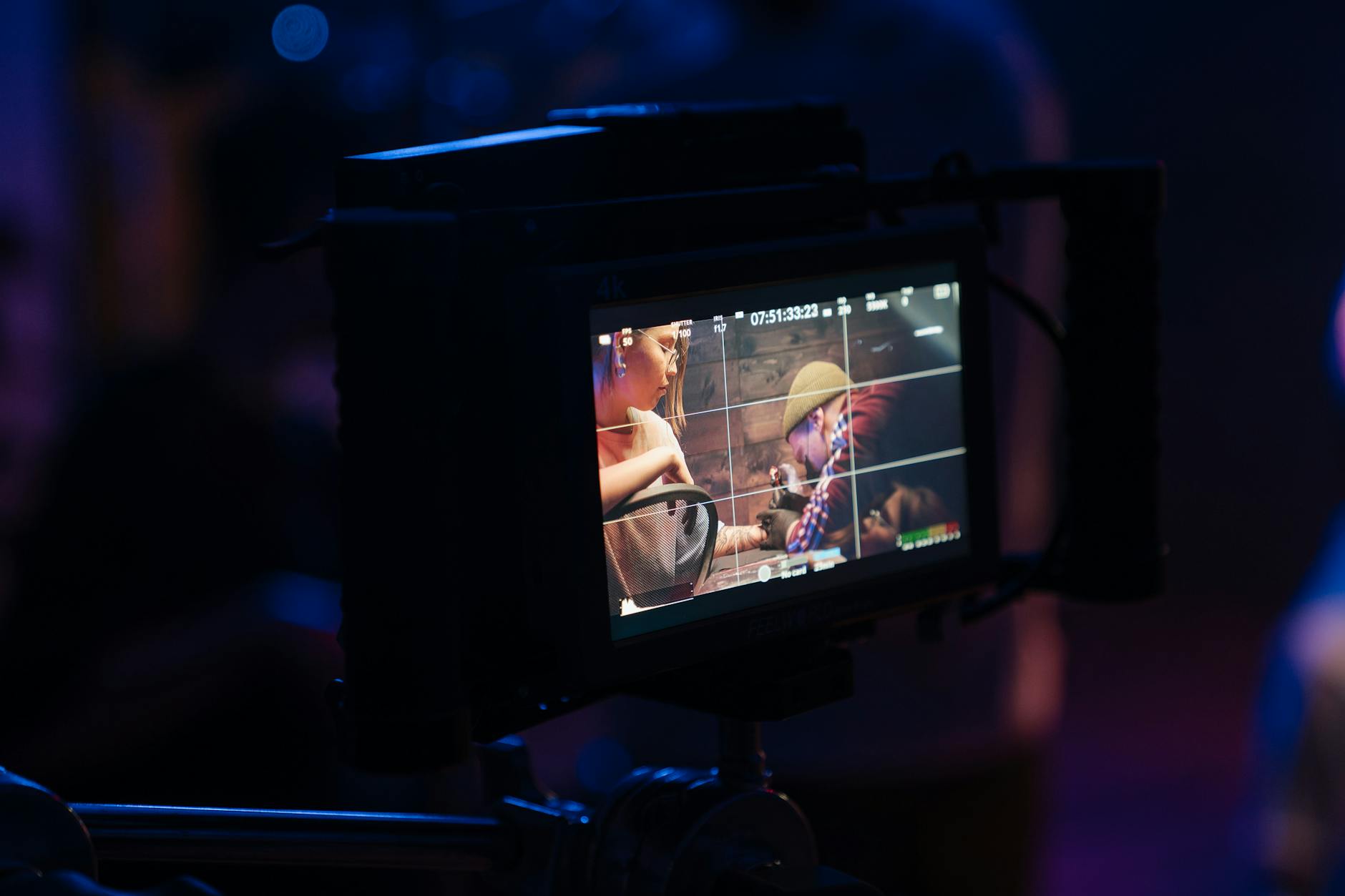
Audio quality significantly impacts the viewer experience; therefore, professional-grade microphones, audio mixers, and digital signal processors are employed to capture clear sound and manage multiple audio sources effectively. To synchronize audio and video streams accurately, timecode generators and synchronization hardware are used, preventing lag discrepancies that could diminish production quality.
Monitoring tools are vital for real-time oversight of the broadcast. Multiscreen monitors, internet connection test devices, and streaming analytics dashboards provide immediate feedback on stream health, latency, and buffer rates. These tools enable remote operators to quickly identify and address any technical issues before they impact viewers.
Security measures, including hardware firewalls, encryption protocols for data transmission, and secure access controls, protect the production environment. Implementing resilient hardware solutions with redundant power supplies and failover systems ensures that the stream remains uninterrupted even in the event of hardware failure.
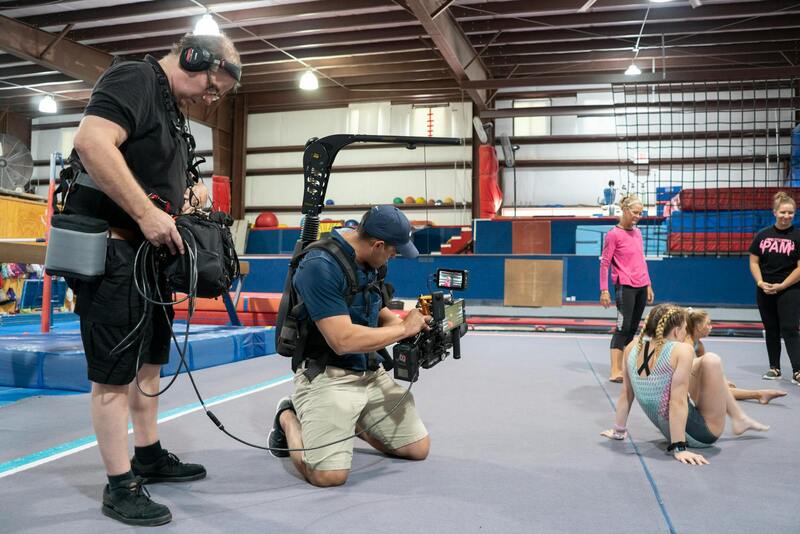
Ultimately, deploying a comprehensive set of advanced technology and equipment tailored for remote production enables content creators to deliver high-quality, reliable live streams. These systems must be regularly maintained and updated to adapt to evolving technological standards and ensure optimal performance.
Technology and Equipment for Remote Live Streams
Achieving high-quality remote live stream production hinges on the integration of robust hardware, sophisticated software, and reliable network infrastructure. Content creators and production teams must invest in state-of-the-art technology to ensure seamless transmission of live content across various platforms.
Core Hardware Components
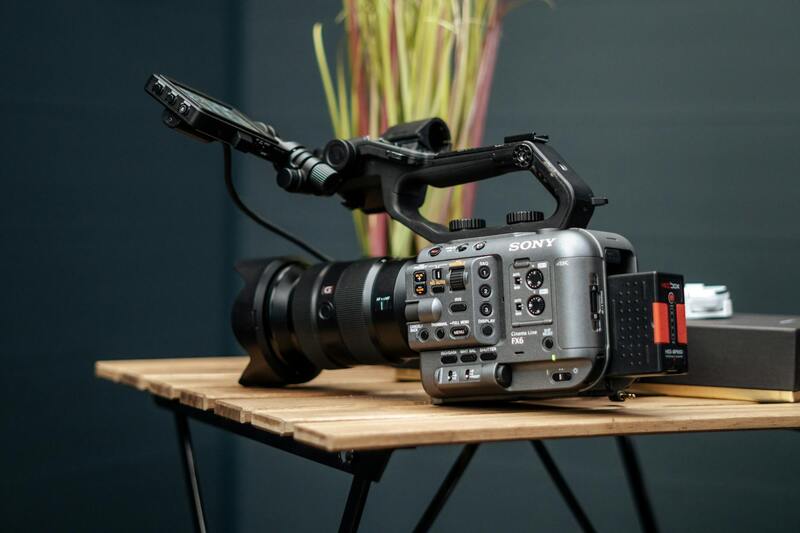
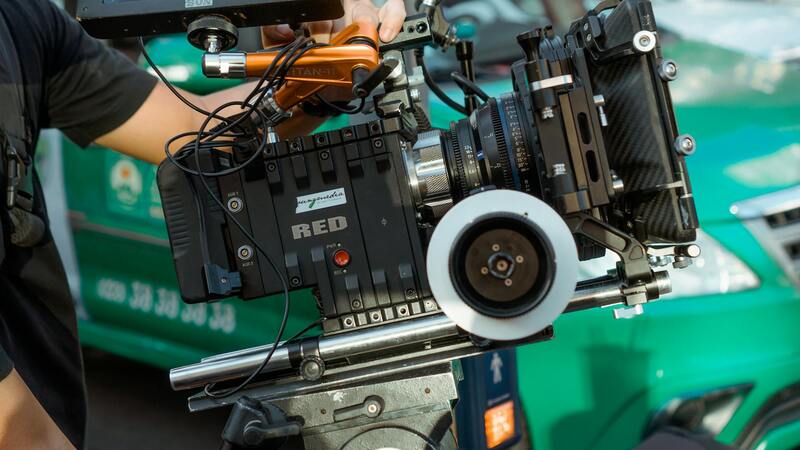
- Video Capture Devices: Professional-grade cameras capable of capturing high-resolution footage, including 4K or higher, are essential. These often include PTZ (pan-tilt-zoom) cameras for flexible positioning and remote operation.
- Encoding Hardware: Hardware encoders convert video signals into digital formats suitable for streaming. These devices support multiple input sources and offer adaptive bitrate streaming to accommodate varying internet conditions.
- Audio Equipment: High-fidelity microphones, audio mixers, and digital signal processors ensure crisp sound quality. This setup allows for mixing multiple audio sources, including guest microphones and ambient sound, delivering a professional auditory experience.
- Switchers and Playback Devices: Video switchers enable seamless transitions between cameras and sources, while playback units provide pre-recorded content that can be integrated into the live stream efficiently.
Software Solutions
- Streaming Platforms: Professional broadcasting software or cloud-based platforms facilitate multi-device streaming, real-time editing, and overlay implementation. These platforms often include chat integration, analytics, and audience engagement tools.
- Remote Control Software: Applications that allow operators to control cameras, audio levels, and switching remotely minimize the need for on-site personnel and streamline workflows.
- Monitoring and Analytics Tools: Software solutions provide real-time insight into stream health, viewer metrics, and performance, enabling immediate troubleshooting and quality assurance.

Network Infrastructure
A stable, high-speed internet connection is critical for maintaining consistent stream quality. Fiber optic internet connections with symmetrical upload and download speeds are preferred, ensuring low latency and minimal buffering. Redundant internet links or bonding solutions are often employed to mitigate disruptions and ensure continuous broadcasting.
To optimize network performance, dedicated bandwidth management tools are used to prioritize live streaming traffic, reducing the risk of interference from other applications or devices within the network environment.
Additional Equipment and Considerations
- Power Backup Systems: Uninterruptible Power Supplies (UPS) and backup generators are vital for preventing stream interruption due to power failures.
- Remote Control Panels and Consoles: Centralized control interfaces streamline management, allowing operators to oversee multiple devices from a remote location efficiently.
- Security Technologies: Encryption devices, firewalls, and secure VPNs safeguard the production environment from unauthorized access and data breaches, ensuring content integrity.
Implementation of these technological solutions requires careful planning and ongoing maintenance to adapt to the evolving landscape of live streaming standards. Regular updates, routine hardware checks, and staff training are essential to sustain a high level of production quality and to address emerging challenges promptly.
Effective Use of Software Solutions for Remote Live Streaming
Utilizing advanced software platforms is essential for managing remote live streams with precision and efficiency. These solutions facilitate streaming scheduling, real-time monitoring, multi-camera control, and seamless integration with various content delivery networks (CDNs). Robust broadcasting software provides a user-friendly interface for operators, enabling remote management of video sources, audio levels, scene transitions, and graphics overlays, thereby producing a polished final product. With features such as multi-stream capabilities, adaptive bitrate streaming, and integrated analytics, broadcasters can optimize the viewer experience across multiple devices and networks. Additionally, cloud-based platforms enable real-time collaboration among production teams, regardless of geographical locations, which is crucial for remote operations. Operators should ensure that the chosen software supports industry-standard protocols such as RTMP, SRT, and HLS to maximize compatibility and streaming stability. Regular training on software updates and functionalities enhances operational efficiency and minimizes errors during live broadcasts.
Implementing Robust Security Measures for Remote Live Production
Security plays a vital role in maintaining the integrity of remote live streaming operations. Implementing encryption protocols ensures that video feeds and control signals are protected from unauthorized access. VPNs (Virtual Private Networks) create secure tunnels for data transmission, preventing interception and tampering during streaming sessions. Firewalls and intrusion detection systems add layers of defense, monitoring network traffic for suspicious activity and blocking malicious threats. Access controls and authentication procedures restrict entry to authorized personnel, reducing the risk of internal or external breaches. Regular security audits, software patches, and hardware updates are necessary to address emerging vulnerabilities. Staff training on security best practices strengthens the overall resilience of the broadcast infrastructure, ensuring a stable and trustworthy streaming environment.
Data Management and Storage Solutions for Remote Production
Effective data management is fundamental for handling the large volumes of video and audio data generated during remote live streams. Cloud storage solutions provide scalable, accessible repositories for raw footage, production assets, and recorded streams, enabling quick retrieval and post-event editing. Implementing redundant storage systems, such as RAID configurations and off-site backups, protects against data loss due to hardware failure or unforeseen incidents. Automated archiving workflows facilitate organized cataloging of content, simplifying future access and compliance. Secure data transfer protocols, including SFTP (Secure File Transfer Protocol), ensure that content remains protected during transfer between remote locations and central storage facilities. Regular data audits and version control practices help maintain data integrity and streamline post-production processes.
Effective Methods for Enhancing Remote Live Stream Production Quality
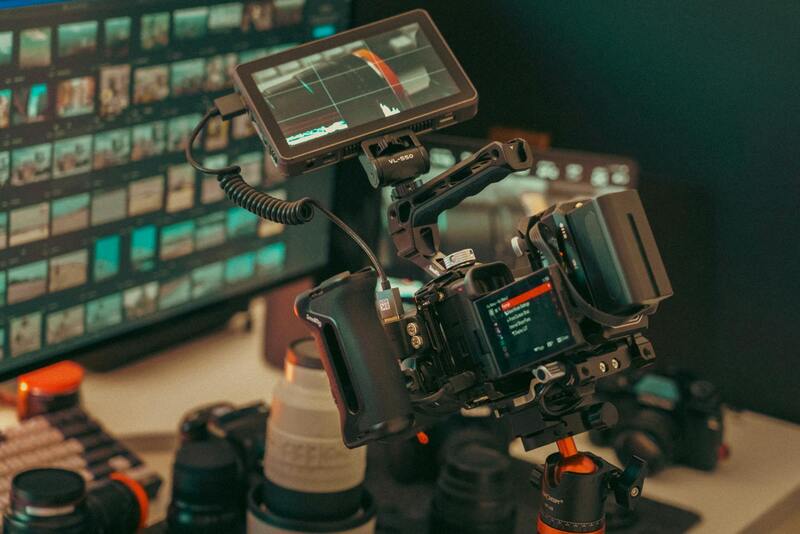
To ensure high-quality remote live stream productions, employing a combination of advanced technologies and meticulous planning is essential. This involves integrating reliable transmission protocols, high-caliber hardware, and robust software solutions that facilitate seamless connectivity and real-time broadcasting. Video codecs, such as H.264 and H.265, are commonly used to optimize video compression without compromising visual integrity, enabling smooth delivery even over limited bandwidths.
Streamlining the Production Workflow
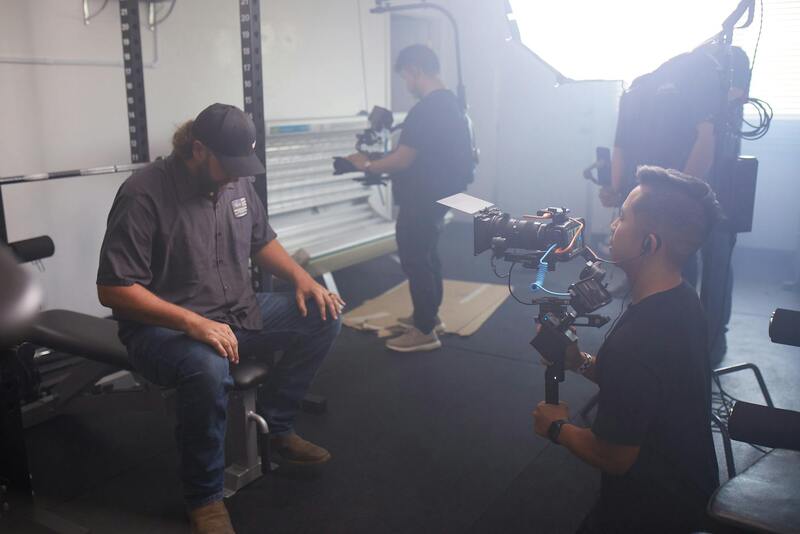
- Pre-production Planning: Clear coordination with remote teams guarantees that all technical requirements, schedules, and content specifications are aligned prior to the event. This reduces the likelihood of technical disruptions and enhances overall stream quality.
- Rigorous Testing: Conduct thorough tests of transmission paths, audio-visual equipment, and internet connectivity. Pre-event dry runs help identify potential issues, allowing for timely adjustments.
- Dedicated Technical Support: Employing skilled technicians with experience in remote live streaming ensures rapid troubleshooting and system adjustments during the broadcast.
Optimizing Network Infrastructure
- High-Speed Internet Connections: A dedicated fiber-optic link minimizes latency and packet loss, providing a stable and consistent stream.
- Bandwidth Management: Prioritizing streaming data over less critical network traffic can prevent interruptions or quality degradation.
- Redundant Internet Connections: Multiple internet sources or failover systems, such as LTE or satellite links, ensure continuous broadcast even if primary connections fail.
Leveraging Specialized Production Software
- Advanced software platforms facilitate real-time switching, multi-camera integration, graphics overlay, and live editing from remote locations.
- Cloud-based solutions enable collaboration among remote teams, providing centralized control and instant content sharing.
Implementing Effective Communication Channels
- Stable and secure communication tools, such as encrypted VoIP channels, allow synchronized interactions among remote producers, directors, and technical staff.
- Constant coordination helps manage live feed adjustments, troubleshoot issues immediately, and ensure a coherent viewing experience for the audience.
These strategies — combined with ongoing staff training and staying abreast of technological innovations — create a resilient, high-quality remote live stream production environment. The focus remains on delivering a seamless viewer experience while maintaining operational stability through reliable equipment, optimized workflows, and advanced connectivity solutions.
Future Trends in Remote Live Stream Production
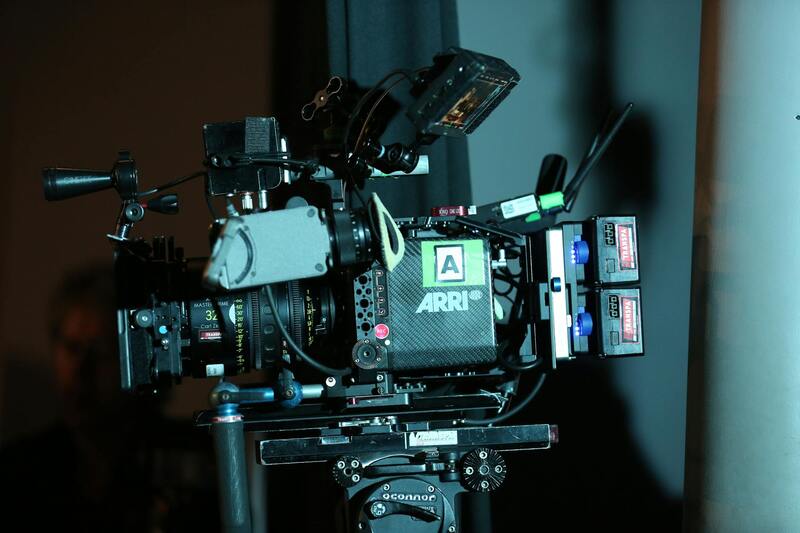
As remote live stream production continues to evolve, emerging technologies and innovative approaches promise to significantly enhance the quality, interactivity, and reliability of broadcast content in Miami. Among these advancements, the integration of 5G connectivity stands out as a transformative force. 5G networks provide unprecedented bandwidth and ultra-low latency, enabling seamless transmission of high-definition video and audio feeds in real time. This improvement reduces latency issues and enhances the overall viewer experience, particularly for event coverage, concerts, or sports broadcasts where immediacy is vital.

Cloud-based production platforms are increasingly becoming central to remote live stream workflows. These solutions facilitate centralized management, real-time editing, and multi-layered content delivery, allowing teams to collaborate effortlessly from various locations within Miami or even beyond. Cloud services eliminate geographical barriers and hardware limitations, ensuring a flexible and scalable production environment capable of handling complex live content with multiple sources.
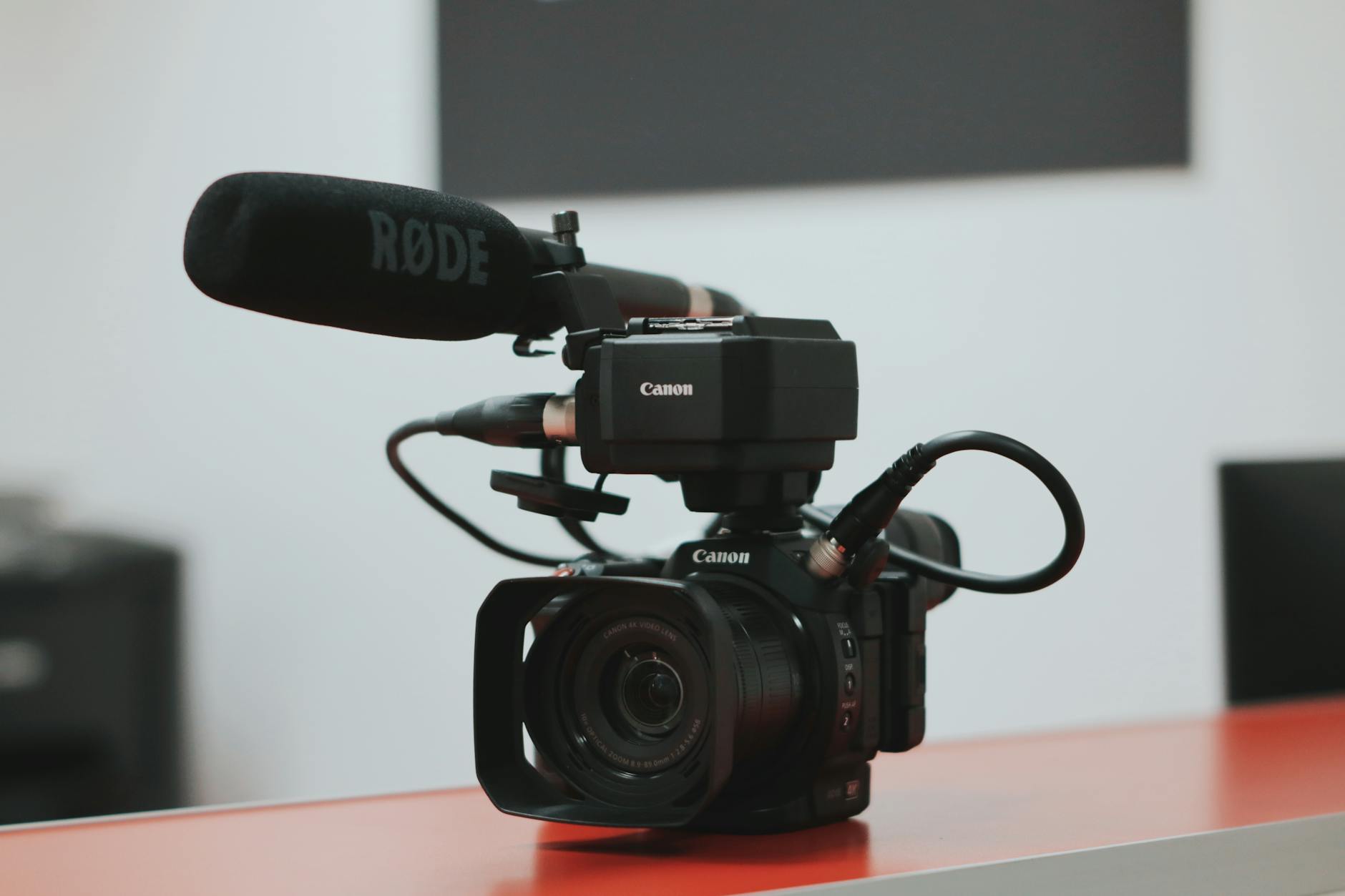
Interactive features are transforming remote broadcast experiences by fostering viewer engagement and participation. Technologies such as integrated chat, real-time polls, and VR/AR overlays enable audiences to interact directly with live content, increasing retention and overall satisfaction. For broadcasters in Miami, incorporating interactive elements not only boosts engagement metrics but also creates immersive experiences that resonate with modern audiences.
Furthermore, advancements in artificial intelligence (AI) are poised to revolutionize remote production workflows. AI-driven automation can enhance content editing, real-time quality control, and targeted content delivery, resulting in more efficient operations and higher production standards. Machine learning algorithms can predict potential issues before they impact the stream, enabling preemptive adjustments that ensure consistent broadcast quality.
Despite these promising innovations, the importance of robust infrastructure and skilled technical teams remains critical. The integration of new technologies must be supported by comprehensive training and maintenance protocols to maximize their benefits. For Miami-based broadcasters and production companies, staying ahead involves continuous adaptation, investing in reliable connectivity solutions, and developing expertise in emerging tech trends.
As the landscape of remote live stream production advances, leveraging these technological innovations will be essential for creating dynamic, high-quality broadcasts that meet the growing demands of audiences and clients alike. Embracing these trends promises not only to elevate the production standards but also to expand the creative possibilities available in Miami's vibrant live streaming scene.