
Overview of Livestreaming Services
Livestreaming companies have become essential partners for a diverse range of events, spanning from corporate presentations and product launches to large-scale public gatherings and special occasions. Their core responsibility is to deliver high-quality, real-time video content to a remote audience, ensuring that viewers experience the event as if they were physically present. This process involves utilizing advanced broadcasting technologies, internet infrastructure, and sophisticated production techniques to create seamless and engaging live streams.
At their core, a livestreaming company's primary offerings include comprehensive event coverage, real-time video transmission, and playback options for viewers who wish to revisit the content later. They typically provide services such as multi-camera setup, professional audio integration, custom graphics, and live editing to enhance the visual appeal and clarity of the broadcast. Additionally, many companies offer turnkey solutions that handle everything from initial planning and setup to post-event analytics and content archiving.
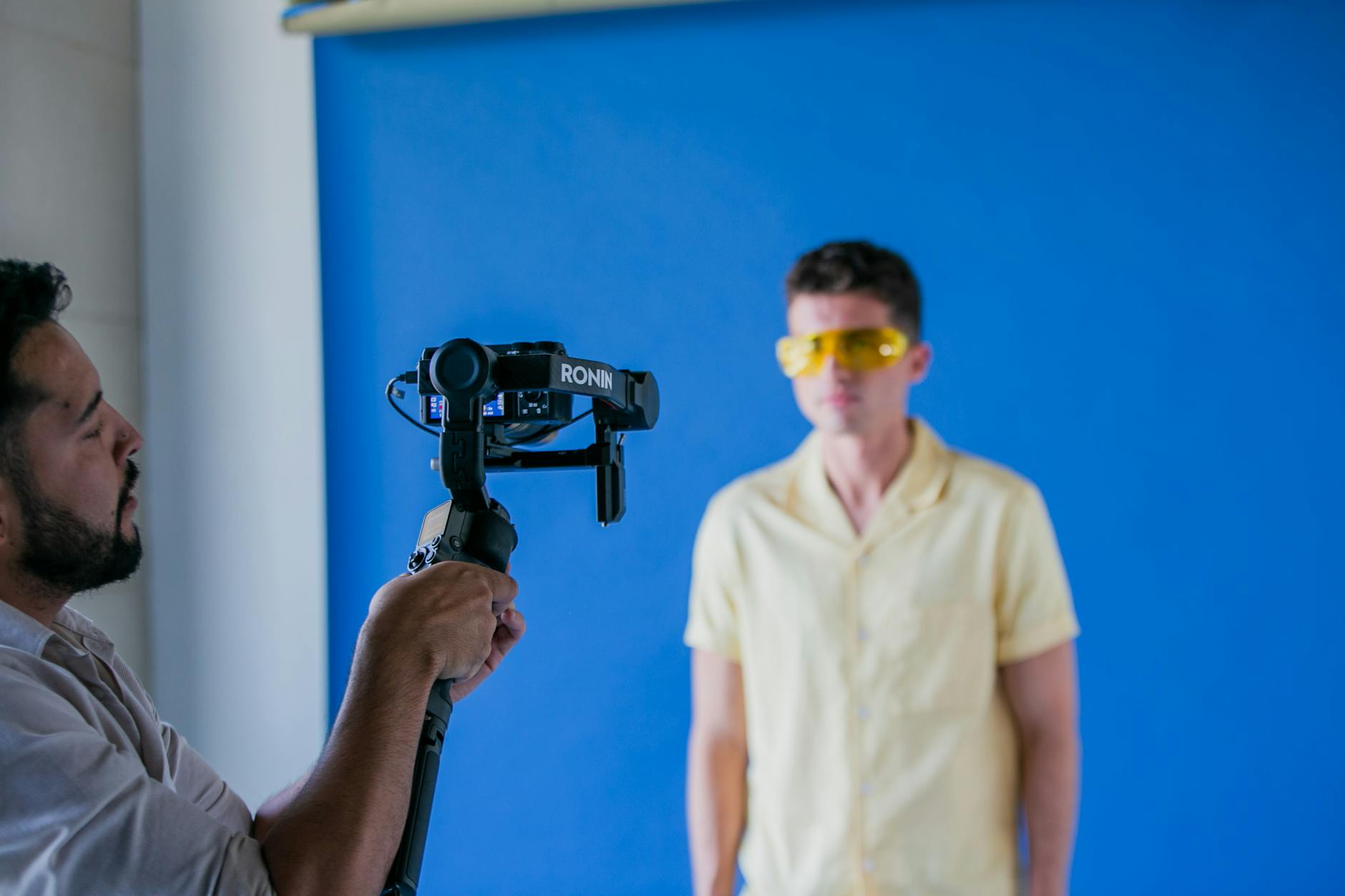
For corporate functions, livestreaming companies facilitate webinars, shareholder meetings, and training sessions, ensuring secure and accessible broadcasts tailored to professional standards. For entertainment and cultural events, they manage live concerts, festivals, and theatrical performances, capturing the essence of the event with clarity and dynamic visuals. Whether it's a private conference or a public festival, these companies employ cutting-edge technology to deliver uninterrupted streams irrespective of location or scale.
Beyond basic broadcasting, many firms also assist with content promotion, audience engagement, and real-time interaction, such as live chat integration and polling features. This holistic approach helps organizations extend their reach, increase engagement, and maximize the impact of their events. As the popularity of digital content consumption continues to grow, the demand for reliable, high-quality livestreaming services that can adapt to various event needs and audience sizes remains high.
Understanding the scope and capabilities of a livestreaming company is vital when planning for any event that requires remote participation. It assures organizers that their content will be delivered professionally, with technical support and expertise dedicated to creating an engaging viewer experience. In the dynamic landscape of digital broadcasting, selecting the right partner can significantly influence the success of your event and the way your message is communicated to a global audience.
Understanding the Core Offerings of a Livestreaming Company
At the heart of any effective livestreaming solution lies a comprehensive suite of services designed to enhance the viewer experience and ensure seamless delivery. A professional livestreaming company incorporates advanced hardware and software tools to produce a polished broadcast that aligns with the event's objectives and audience expectations. These services include multi-camera operations, professional-grade audio and video equipment, and real-time editing capabilities, allowing for smooth transitions, overlays, and graphics that elevate the production quality.
One of the crucial aspects is the integration of scalable streaming platforms capable of supporting varying audience sizes without sacrificing quality. This entails utilizing reliable content delivery networks (CDNs) and adaptive bitrate streaming technologies, which adjust the stream quality dynamically based on viewers' internet connectivity. Such features are instrumental in maintaining uninterrupted viewing experiences, especially during high-traffic events.
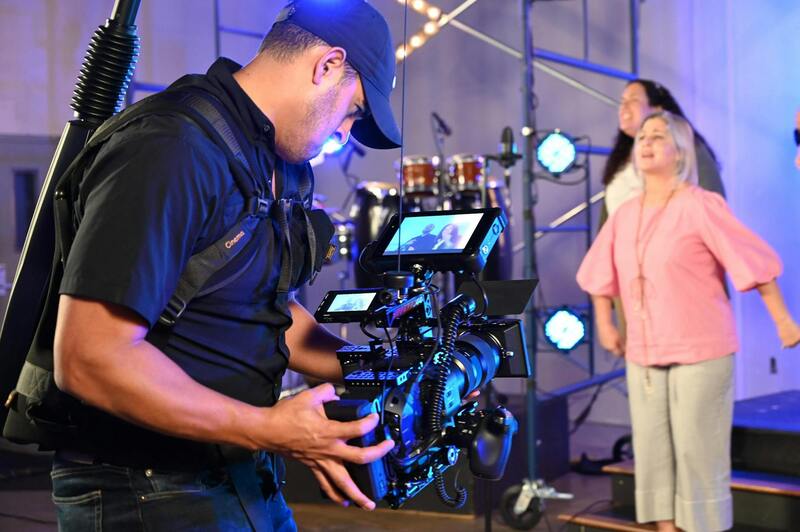
In addition to live broadcasting, many companies provide supplementary services such as content management, live interaction tools, and post-event analytics. Interactive features like live chat, polls, and Q&A sessions foster real-time engagement, making virtual events more participatory and memorable. Post-event analytics enable organizers to assess viewer engagement, reach, and overall performance, providing valuable insights for future initiatives.
Furthermore, a sophisticated livestreaming service incorporates dedicated technical support teams, available throughout the event. This ensures prompt resolution of any technical issues that may arise, safeguarding the broadcast's integrity and minimizing disruptions. Such support encompasses network monitoring, equipment troubleshooting, and on-site technical assistance when needed.
Multiplier Benefits of a Fully-Integrated Livestreaming Solution
- Enhanced broadcast quality through professional-grade equipment and editing software
- Maximized engagement with interactive tools and audience participation features
- Robust delivery infrastructure to accommodate large-scale viewership
- Expert technical support ensuring smooth operations
- Post-event data collection for performance analysis
Selecting a livestreaming company that offers these comprehensive services guarantees a professional presentation that resonates with viewers, bolsters the event's impact, and extends its reach beyond physical boundaries. For organizations aiming to attract and engage a global audience, partnering with a provider capable of delivering end-to-end solutions is a strategic move that elevates the overall event quality and effectiveness.
Ensuring Compliance and Security in Livestreaming
When partnering with a reputable livestreaming company, it is vital to consider the measures they implement to safeguard content and viewer data. A professional service provider employs advanced encryption protocols to secure the live feed during transmission, preventing unauthorized access or interception. This encryption ensures that sensitive information, personal data, and proprietary content remain protected throughout the broadcast process.
Additionally, a dedicated approach to digital rights management (DRM) is essential. This includes digital watermarking, access control, and secure login procedures that restrict viewing to authorized audiences only. For organizations handling confidential or exclusive content, these security features help maintain the integrity of the broadcast and uphold the trust of viewers.
Another aspect involves compliance with broadcasting standards and best practices. This involves adherence to accessibility guidelines, such as providing captions or transcripts for viewers with disabilities, and ensuring compliance with local and international broadcasting regulations. A seasoned livestreaming company takes proactive steps to meet these standards, thereby enhancing the professionalism and inclusivity of the event.
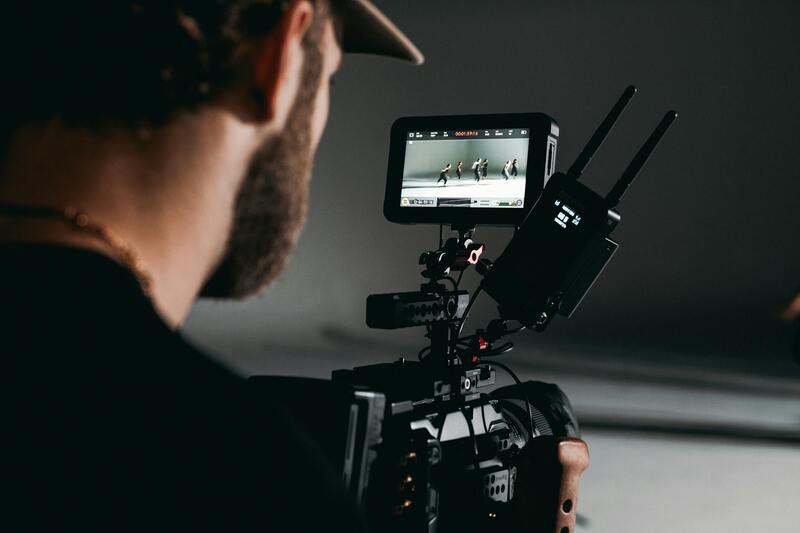
Furthermore, a reliable provider maintains comprehensive backup systems and redundant infrastructure. These measures ensure uninterrupted streams even in the face of technical failures or network issues. By employing multiple data centers and failover mechanisms, the company guarantees consistent service delivery, minimizing downtime and protecting the event’s reputation.
Client Support and Post-Event Services
Beyond the live broadcast, an experienced livestreaming company offers extensive post-event support. This encompasses detailed analytics reports that provide insights into viewer engagement, geographic reach, viewing durations, and interactive feature usage. Such data helps organizers evaluate the success of the event and identify areas for improvement.
Moreover, the support team remains available after the event for on-demand content management. This includes editing, clip creation, and content distribution, which can extend the lifespan and impact of the event. Additionally, documentation and lessons learned sessions with clients help refine future livestream strategies.
Professional livestreaming services also include record-keeping for compliance and archival purposes. Securely storing recordings allows organizations to repurpose content for marketing, training, or internal review, providing long-term value from the event.
Evaluating Technical Expertise and Equipment
One of the most critical aspects to assess when selecting a livestreaming company in Miami is their technical expertise and the quality of their equipment. A professional service provider invests in cutting-edge hardware, including high-definition cameras, professional audio systems, and reliable streaming servers. They also utilize advanced encoding and compression technology to deliver clear, lag-free broadcasts across multiple devices and platforms.
Furthermore, technical proficiency extends to their capability to handle live switching, multi-camera operations, and real-time graphics integration. This ensures a visually engaging stream that captures all angles and highlights, effectively maintaining audience interest. The handling of complex configurations, such as remote guest appearances or multiple feeds, demonstrates a company’s ability to adapt to various event requirements.

Cost Structure and Budget Considerations
Understanding the financial aspect of hiring a professional livestreaming company is essential for effective planning. Pricing models can vary significantly based on the scope of the event, the level of technical complexity, and the required equipment. Many companies charge a flat fee that encompasses setup, production, and streaming services, while others may opt for an hourly rate, particularly for smaller or shorter events. In some cases, premium features such as multi-camera setups, advanced graphics, or on-demand content may incur additional costs.
When evaluating options, it’s important to balance the cost against the quality and scope of services provided. Lower-priced offerings might cut corners on equipment quality or technical support, which can compromise the broadcast’s stability and professionalism. Conversely, higher-investment providers often include comprehensive packages with dedicated project managers, on-site technicians, and post-event analytics, ensuring you receive value that aligns with your event’s objectives.
To optimize your budget, consider the following strategies:
- Define Your Core Needs: Clearly identify the essential features required for your event, such as multi-camera feeds, interactive elements, or audience engagement tools. Eliminating unnecessary add-ons can reduce expenses.
- Plan for Contingencies: Allocate a portion of your budget to address unexpected issues. Technical glitches can occur, and having resources available for quick resolution avoids costly delays or re-broadcasts.
- Seek Package Deals: Many companies offer bundled services that provide comprehensive coverage at a competitive rate. These may include pre-production, live streaming, and post-event content delivery.
It’s advisable to request detailed proposals from multiple providers, comparing not just prices but also the scope of services offered. Pay attention to the technical support, experience levels of the crew, and the quality of the broadcast technology. Sometimes, a slightly higher investment results in a more seamless streaming experience, safeguarding your brand reputation and audience engagement.
Cost Structure and Budget Considerations
When planning to partner with a livestreaming company, understanding the cost structure is essential to align the services with your event’s financial parameters. Livestreaming costs can vary significantly based on several factors, including the complexity of the broadcast, the level of technical support, and the quality of equipment used. Recognizing these variables helps organizations and event organizers allocate resources efficiently, ensuring a high-quality broadcast without unnecessary expenditure.
Standard pricing models often include components such as pre-production, on-site technical support, live streaming, and post-event analytics. Packages that cover all these elements tend to carry a premium but offer a seamless experience that minimizes issues during the broadcast. Conversely, basic packages might focus solely on the live stream, requiring additional investment for supplementary services like graphics, multiple camera angles, or audience interaction features.
To facilitate optimal budget planning, consider the following key points:
- Event Scale and Complexity: Larger events with multiple camera angles, live interactive elements, or extensive graphics demand higher investment due to the required technical infrastructure and personnel.
- Technical Requirements: Advanced streaming technologies, such as 4K resolution, multi-source switching, or integration with social media platforms, typically involve additional costs.
- Support and Staffing: The level of onsite technical personnel, including engineers and technical directors, impacts overall expenses. A dedicated project manager can streamline coordination but may also influence the cost.
- Post-Event Analytics and Content Delivery: Services such as audience analytics, recording, and distribution across multiple channels are valuable for post-event engagement but may entail extra fees.

Crafting a comprehensive proposal request from different providers allows for comparison of pricing alongside service scope. By scrutinizing the technical support quality, broadcast equipment used, and experience of the team, organizations can identify the most suited partner for their specific needs. Even if a service appears more costly initially, the enhanced professionalism and stability it offers can safeguard the overall success and reputation of your event.
Maintaining a strategic approach to budgeting incorporates flexibility for unforeseen circumstances, ensures the availability of robust technical assistance, and guarantees that the broadcast remains seamless, engaging, and impactful for the audience. Effective cost management ultimately leads to the successful transmission of your vision without compromising on quality or experience.
Comprehensive Approach to Livestreaming in Miami
Detailed Planning and Pre-Production
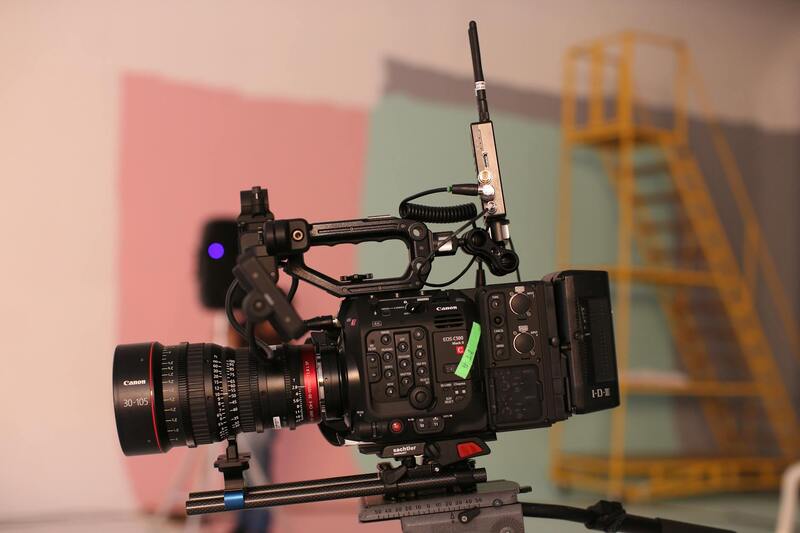
Effective livestreaming begins well before the cameras start rolling. Precise planning involves collaborating with the chosen livestreaming company to develop a detailed schedule, storyboard, and technical blueprint that align with the event's goals. This phase includes site surveys to assess physical infrastructure, lighting, power sources, and internet reliability. Preparing backup plans for potential technical issues ensures a smooth broadcast regardless of unforeseen circumstances. Pre-production also covers content preparation, such as coordinating camera angles, graphics, and overlays, which enhance the viewer experience and reinforce brand messaging.
State-of-the-Art Equipment and Technology
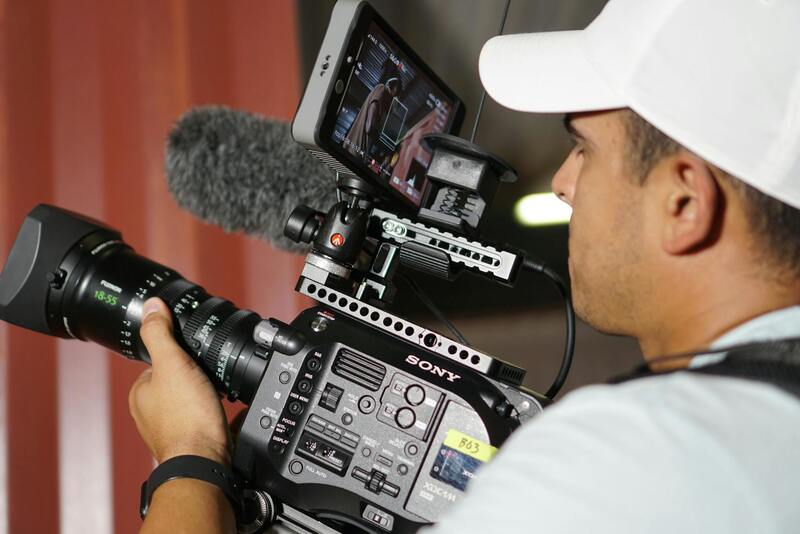
Investing in high-quality broadcast equipment is essential for creating a professional livestream. Modern cameras with high resolution, reliable audio systems, robust switching hardware, and efficient encoding devices contribute to a visually appealing and engaging broadcast. Additionally, technologies such as multi-camera switching, real-time graphics, and closed-captioning can significantly improve content delivery. Multi-platform streaming capabilities also allow for simultaneous broadcast across social media, websites, and dedicated apps, expanding reach and accessibility. Consistent testing and calibration of this equipment prior to the event help prevent technical hiccups, ensuring a flawless presentation.
Onsite Technical Support and Staffing
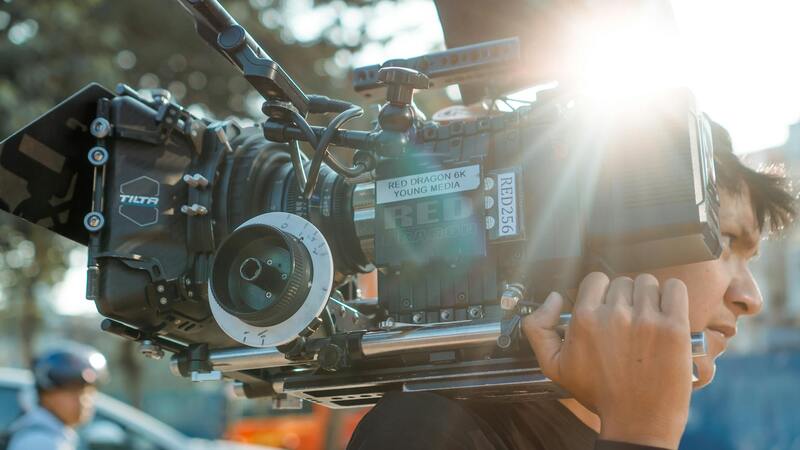
A dedicated team of technical professionals manages the live broadcast, handling everything from camera operation to audio mixing and troubleshooting. Skilled engineers and directors coordinate to capture and transmit content seamlessly, promptly addressing any issues that arise during the event. Having sufficient technical staffing guarantees that all equipment functions properly and that the broadcast remains consistent. For larger events, a simple command structure with an on-site project manager simplifies communication, leading to efficient problem-solving and a cohesive production effort.
Post-Event Delivery and Analytics
The end of a livestream marks the beginning of content repurposing and analysis. Post-event services such as recording, highlight clips, and distribution support allow organizations to maximize engagement even after the live broadcast concludes. Audience analytics offer insights into viewership patterns, engagement levels, and demographic data, which can inform future content strategies. Sharing these insights with stakeholders supports continuous improvement in livestream quality and audience targeting.
Leveraging Innovative Platforms and Technologies
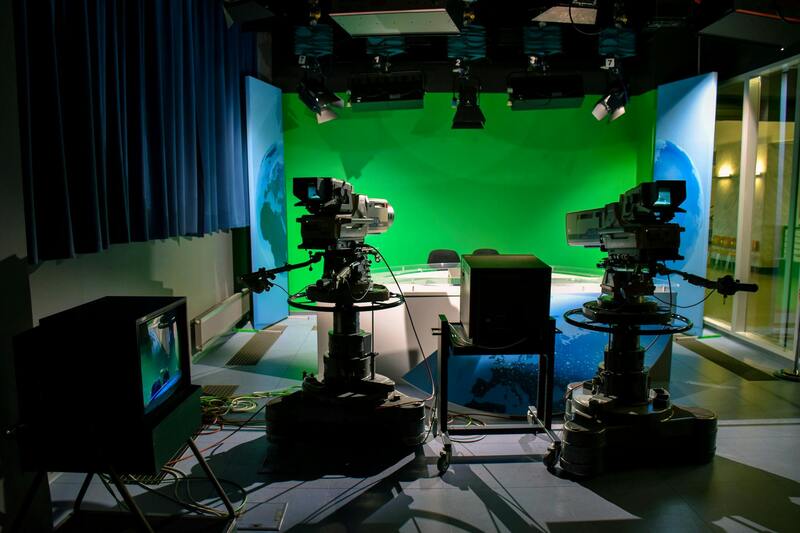
Modern livestreaming solutions are built on versatile platforms that support various features such as adaptive streaming, multi-streaming, and live chat integrations. Some platforms also offer interactive elements like polls, Q&A sessions, and real-time feedback, enhancing viewer participation. Cloud-based solutions enable scalable and flexible broadcasts, accommodating varying audience sizes. The integration of augmented reality (AR) and virtual sets is increasingly prominent, creating immersive visual experiences that captivate the audience and elevate the overall production value.
Comprehensive Approach to Livestreaming with a Miami-based Company
Choosing a professional livestreaming company in Miami requires an understanding of the comprehensive workflow involved in delivering a seamless broadcast. From initial consultation and pre-production planning to the live event itself and post-event analysis, each phase demands meticulous attention to detail and coordination among skilled professionals.
Pre-Event Planning and Coordination
Effective livestreaming begins well before the cameras start rolling. The project kickoff involves detailed discussions about the event’s objectives, target audience, content format, and technical requirements. The company conducts site visits to assess internet connectivity, power sources, and available infrastructure, ensuring the venue supports high-quality streaming. During this phase, an event schedule and production timeline are established, outlining roles and responsibilities of all team members.
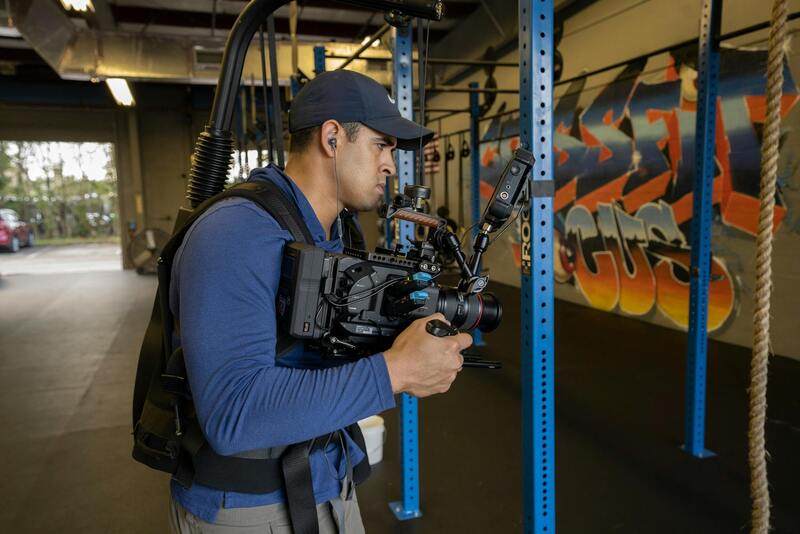
Designing a comprehensive technical plan includes selecting the appropriate streaming platforms, encoding equipment, audio-visual setup, and backup solutions. Synchronizing with event organizers, vendors, and venue management ensures smooth execution on the day of the event. Additionally, digital branding elements such as overlays, lower thirds, and logos are prepared to enhance the visual presentation and ensure consistent branding across all channels.
Executing a High-Quality Livestream
During the live event, a team of experienced technicians and directors manage multiple tasks to deliver a flawless broadcast. Camera operators capture diverse angles, while audio engineers monitor sound quality. The director oversees the production switcher to seamlessly transition between different camera feeds, incorporate graphics, and manage live interactions. Simultaneously, a reliable internet connection is maintained, with backup solutions in place to handle any connectivity issues that may arise.
Live chat moderation and interactive features like polling or Q&A sessions can significantly boost audience engagement. The integration of augmented reality elements or virtual sets, facilitated by advanced technologies, elevates the viewer experience by creating immersive visual environments that align with the event’s theme or branding.
Post-Event Content Management and Analysis
After the live broadcast concludes, the focus shifts to content management and performance review. Recorded footage can be edited into highlight reels, key takeaways, or social media snippets to extend the reach beyond the live event. Distributing this content across multiple channels maximizes visibility and engagement.
Analytics play a pivotal role in understanding audience behavior. Metrics such as total viewership, peak concurrent viewers, engagement rates, and geographic data provide valuable insights. These insights enable organizers and content creators to refine their strategies for future broadcasts, ensuring continual improvement in quality and effectiveness.
Visual Enhancements and Technological Innovations
Modern livestreaming solutions capitalize on innovations such as adaptive streaming, multi-platform broadcasting, and real-time interaction tools. These features allow audiences to access content on any device while participating actively through polls, chats, or interactive overlays. Cloud-based platforms offer scalability, ensuring the broadcast can handle varying audience sizes without loss of quality.

Emerging technologies like augmented reality (AR) and virtual environments provide immersive experiences that captivate viewers and set new standards for professional livestreams. As a result, Miami-based companies adopting these innovations can deliver visually stunning, engaging broadcasts that stand out in a competitive media landscape.