
Overview of Live-Streaming Production Services
In an increasingly connected digital landscape, live-streaming production services have become an essential component for organizations, businesses, and event organizers looking to broaden their reach and enhance audience engagement. These services encompass the comprehensive planning, technology deployment, and execution involved in broadcasting live video content over the internet, allowing real-time interaction with viewers regardless of geographic location.
Live-streaming production is not merely about transmitting video; it involves a sophisticated blend of audiovisual equipment, specialized software, and expert personnel to deliver high-quality content seamlessly. Whether hosting a corporate seminar, product launch, concert, or sporting event, professional live-streaming ensures that the event maintains visual clarity, audiovisual consistency, and minimal latency, thereby providing viewers with an experience close to physically attending the event.
For Miami-based businesses and event organizers, leveraging live-streaming production services can significantly increase outreach potential. This vibrant city, known for its bustling events, cultural festivals, and business expos, benefits immensely from professional live-streaming that can showcase their events globally in real time. These services enable organizations to extend their audience beyond physical confines, boost brand visibility, and create interactive experiences that foster deeper engagement.
In essence, live-streaming production services serve as a vital bridge between traditional event hosting and digital innovation. They help ensure content delivery is optimized for various platforms, such as social media, websites, and dedicated streaming pages, providing flexibility and accessibility for viewers. As the demand for high-quality live content continues to grow, businesses in Miami increasingly turn to specialized providers to craft impactful, reliable, and engaging live broadcast experiences that meet their specific objectives.
Key Equipment and Technologies
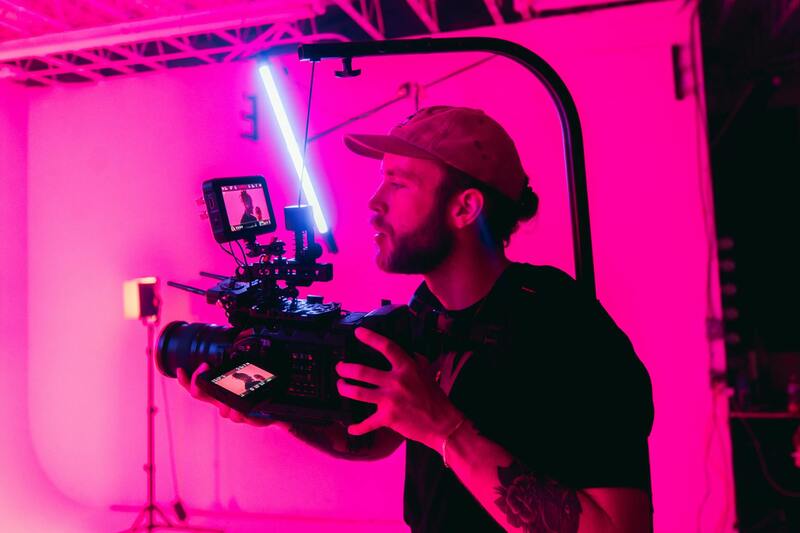
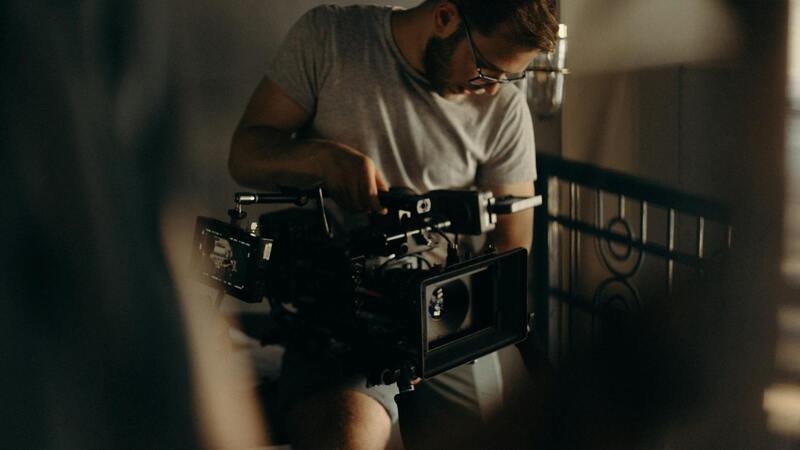
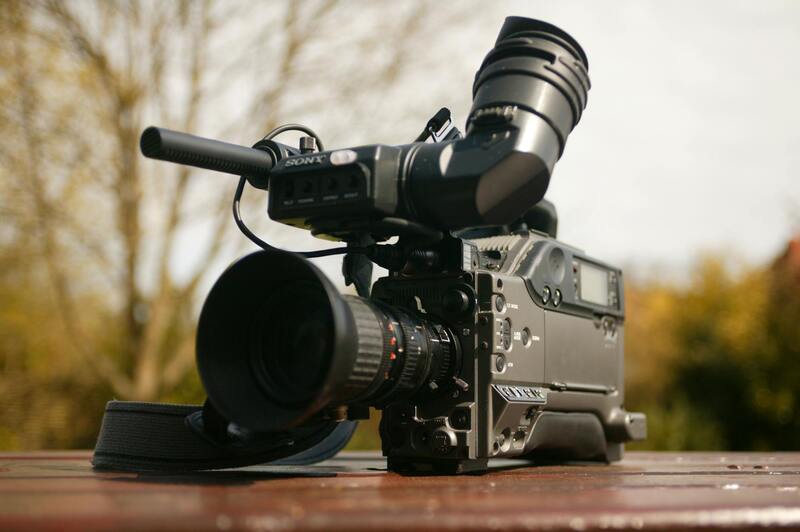
Executing high-caliber live-streaming productions demands a sophisticated array of equipment and cutting-edge technologies. These tools are essential to ensure seamless delivery, superior visual quality, and reliable audio performance. Central to any successful broadcast are professional cameras, which range from high-definition DSLRs to compact, multi-camera setups that provide dynamic shots and comprehensive coverage of the event. These cameras are often equipped with remote control capabilities, enabling operators to capture diverse angles without disturbance during live proceedings.
Audio equipment is equally critical. High-fidelity microphones, mixers, and wireless transmitters ensure clear dialogue, music, and ambient sounds reach viewers without distortion. Lavalier microphones are preferred in many corporate or panel settings for their discretion and mobility, while shotgun mics are typically used for capturing specific sound zones. Audio consoles with multiple channels allow engineers to balance sound levels precisely, crucial for maintaining professional sound quality.
Streaming hardware must support real-time encoding, ensuring that footage is compressed and transmitted efficiently. Hardware encoders are often used alongside software solutions to facilitate smooth streaming with minimal latency. These devices connect to internet infrastructure, which in high-stakes production, often involves dedicated fiber optic links, backup internet connections, or cellular bonding solutions to prevent disruptions.
Video switchers and graphic overlay systems play significant roles in live environments, allowing seamless switching between camera feeds and adding real-time graphics, lower thirds, or branding elements. These visual enhancements help communicate vital information, engage viewers, and reinforce branding efforts. Additionally, multi-view monitors enable operators to oversee all camera inputs simultaneously, ensuring a cohesive production flow.
On the software front, professional streaming platforms facilitate multi-platform broadcasting, offering integrations with social networks, dedicated websites, and streaming services. These platforms support analytics tracking, viewer interaction tools, and security features such as encryption and access controls.
Furthermore, network infrastructure plays a pivotal role in maintaining stream integrity. High-speed internet connections with sufficient bandwidth are essential, and network management tools can prioritize streaming data, mitigate latency issues, and prevent packet loss. For larger events, temporary network solutions like portable 4G/5G routers or satellite internet may be deployed to secure stable connectivity, especially in outdoor or less accessible venues.
Planning and Pre-Production Processes
A successful live-stream hinges on meticulous planning and comprehensive pre-production activities. This phase involves detailed consultations with clients to clarify objectives, target audiences, and key messages. Precise event analysis helps determine the optimal production setup, including camera positions, audio arrangements, and graphics integration.
Location scouting is vital to assess lighting conditions, available space, power sources, and internet access. These insights facilitate the design of an appropriate technical blueprint tailored to the venue’s unique aspects. Equipment logistics, such as transportation timelines and setup schedules, are coordinated during this phase to ensure everything arrives and is configured smoothly before the event.
Pre-production also includes content rehearsal, which allows the production team to test all systems, conduct camera and audio checks, and verify internet stability. These rehearsals are crucial to identify potential issues and implement contingency plans. Additionally, creating detailed run sheets, cue sheets, and shot lists ensures everyone involved understands the flow and timing of the live broadcast.
Visual branding materials, lower third graphics, and interactive overlays are prepared in advance to enhance viewer engagement and reinforce branding elements. Accompanying social media strategies are also crafted to optimize audience interaction and promote real-time engagement during the event.
Key Equipment and Technologies
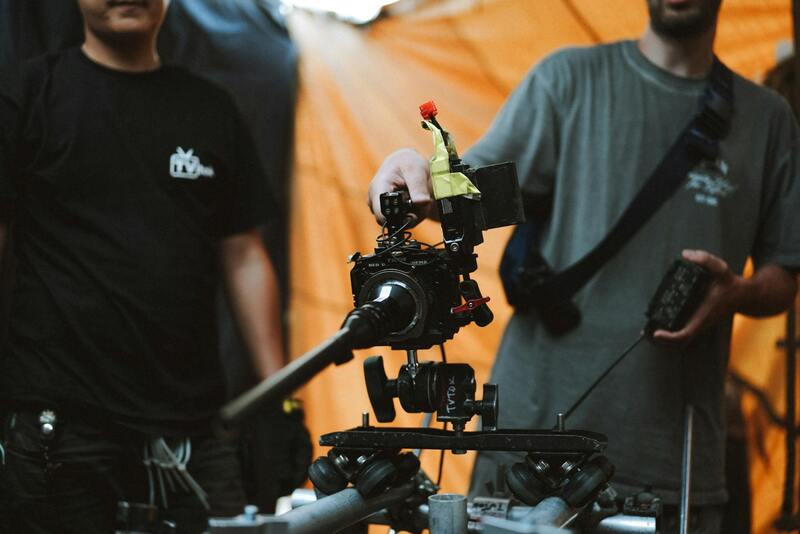
Successful live-streaming production relies heavily on a sophisticated array of equipment and technologies designed to deliver high-quality, reliable broadcasts. Central to this setup are professional-grade cameras that provide crisp, high-resolution imaging capable of capturing dynamic visuals from various angles. These cameras are often equipped with pan-tilt-zoom (PTZ) capabilities to allow seamless control over framing and movement, ensuring fluid transitions during live events.
Switchers or video mixers form the core of managing multiple video feeds in real-time, enabling smooth transitions, overlays, and picture-in-picture effects that enhance viewer engagement. Encoders are essential for converting the raw video signal into digital data suitable for streaming across various platforms, with advanced models supporting multiple bitrates and codecs to optimize connectivity and audience reach.
High-powered audio equipment, including mixers, microphones, and wireless systems, ensure clear sound quality, which is critical for professional broadcasts. Quality audio complements visual elements, providing a comprehensive sensory experience for viewers. Additionally, graphic servers and overlay systems facilitate the integration of branding elements, lower thirds, interactive graphics, and other visual enhancements that reinforce messaging and maintain viewer interest.
In modern live-streaming setups, the use of multi-view monitors allows technical teams to simultaneously observe various video feeds, audio levels, and system statuses, ensuring continuous quality control. On the networking side, robust internet connectivity solutions such as bonded internet links or dedicated fiber connections provide the bandwidth necessary to support high-definition live streaming with minimal latency and buffering issues.
Furthermore, the deployment of streaming software and hardware distribution systems supports multi-platform distribution, enabling content to reach audiences on various social media networks, live-streaming portals, and organizational websites with tailored stream configurations. The integration of remote camera control and cloud-based content management systems adds flexibility, allowing producers to adapt quickly to changing event conditions and audience interactions.
Planning and Pre-Production Processes
Effective live-streaming production begins long before the event goes live. Detailed planning involves aligning technical requirements with creative objectives, establishing clear roles within the production team, and preparing contingency strategies for potential technical failures. This phase includes developing a comprehensive script or run sheet that guides camera cues, transitions, audio cues, and graphics deployment, ensuring a cohesive narrative flow.
Pre-production also encompasses venue assessment, where the production team evaluates lighting, space configurations, power availability, and internet access. This enables the design of a tailored technical setup optimized for the specific environment, mitigating potential issues during the live event.
Content rehearsals are part of this process, allowing the team to test all equipment, verify internet stability, and fine-tune visual and audio elements. Rehearsals also provide an opportunity to train on the operation of graphics overlays, remote control systems, and switching protocols, ensuring synchronization among all technical aspects. Supplementing these preparations are production manuals, cue sheets, and shot lists that clearly define the sequence of events and responsibilities, facilitating coordination during the actual broadcast.
Creating visual branding materials, such as lower thirds, logos, and interactive overlays, in advance ensures a polished presentation that maintains brand consistency and viewer engagement throughout the live stream. Strategic social media and engagement plans are also devised to maximize real-time interaction and content sharing, expanding the event’s reach and impact. This comprehensive approach to planning minimizes risks and enhances the overall quality of the live-streamed event.
Ensuring Content Authenticity and Security During Streaming
Maintaining the integrity of live-streamed content is essential for delivering a professional broadcast. Employing secure encoding methods and protected transmission channels helps prevent unauthorized access and disruption. End-to-end encryption ensures that data transmitted across networks remains private, safeguarding the brand’s reputation and viewer trust. Additionally, implementing secure login protocols for production staff and moderators reduces the risk of interference or content theft.
Content authenticity verification involves using digital watermarking and timestamping technologies to confirm that the broadcast remains unaltered from source to viewer. These measures also assist in reselling or licensing streams, providing proof of ownership and origin. Live stream providers often utilize redundant streaming pathways and failover systems. These backup routes automatically activate in case of primary network failure, maintaining continuous broadcast flow without interruptions.
Implementing Quality Control and Monitoring
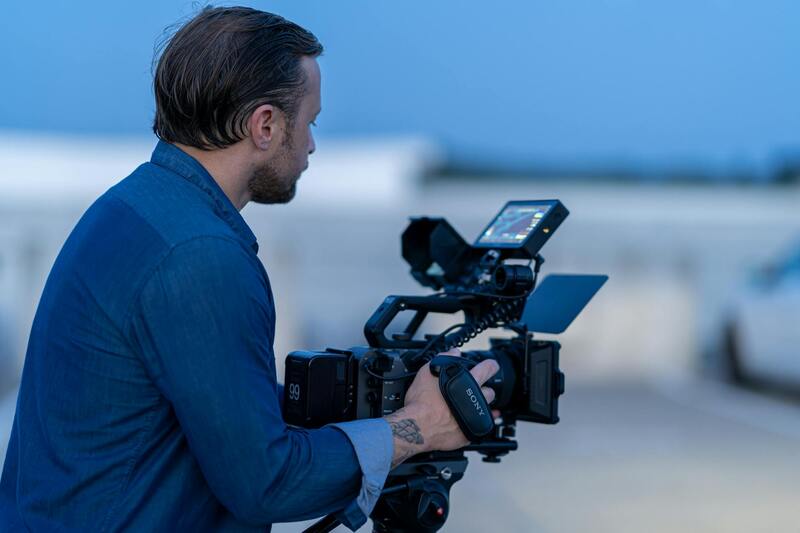
Quality control is integral to a seamless live-streaming experience. Continuous monitoring of the stream’s video and audio quality allows technical teams to identify and resolve issues instantaneously. Real-time analytics platforms track bitrate fluctuations, latency, and viewer engagement metrics, providing insights that can inform immediate adjustments.
This proactive approach minimizes disruptions, such as buffering or degraded visual fidelity, ensuring viewers remain engaged throughout the broadcast. Integrating multi-platform monitoring tools further helps track performance across different devices and network conditions, ensuring a consistent viewing experience regardless of the viewer's location or device.
Managing Viewer Interaction and Engagement
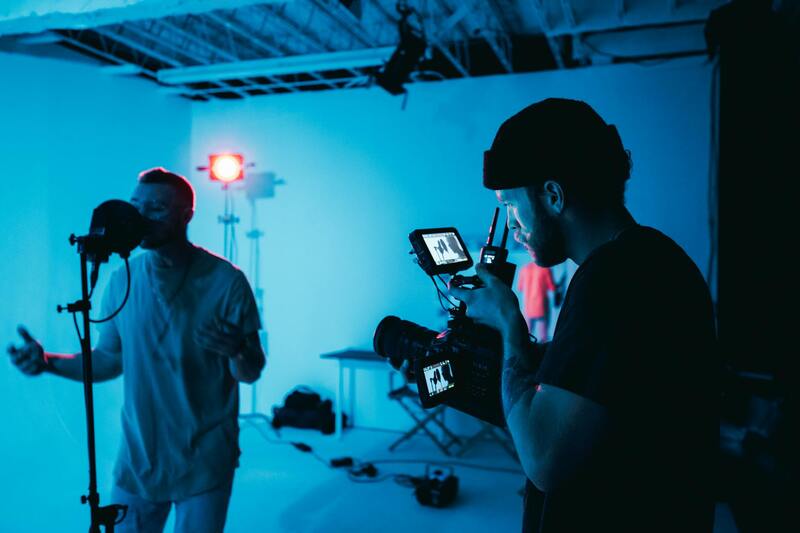
Effective live-streaming isn’t solely about broadcasting content; it also involves engaging the audience in real-time. Implementing chat moderation tools, live polls, and interactive overlays fosters active participation. These features encourage viewers to comment, ask questions, and share the content, thereby increasing engagement metrics and expanding reach.
Furthermore, integrated social media feeds and call-to-action prompts can prompt viewers to share the stream, subscribe, or participate in contests. Properly managing these interactions requires dedicated personnel or automated moderation tools to ensure the conversation remains constructive and aligned with the brand’s messaging.
By maintaining an active engagement strategy, content creators and brands can build stronger relationships with their audience, enhancing both brand loyalty and visibility across digital platforms.
Execution: Live-Streaming Production Setup
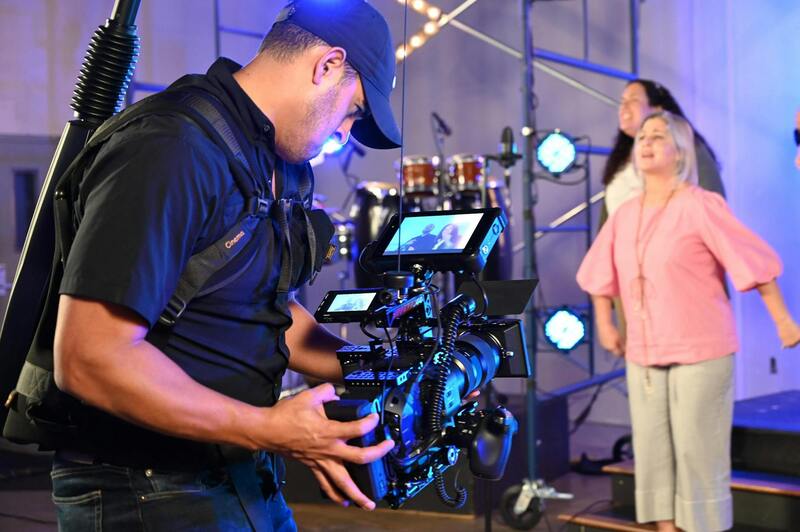
Establishing a successful live-streaming event requires meticulous planning and seamless execution of technical components. The setup process begins with verifying that all critical equipment is in place and functioning properly to avoid disruptions during the broadcast. This includes high-definition cameras, professional audio gear, reliable streaming encoders, and backup systems to handle unexpected failures.
Coordination with the production crew is essential. Assigning roles such as camera operators, audio technicians, and technical directors ensures that each aspect of the production receives dedicated attention. Clear communication channels should be established to facilitate smooth transitions, rapid troubleshooting, and real-time decision-making throughout the broadcast.
Additionally, a comprehensive pre-event checklist helps to confirm that all equipment has been calibrated and tested. This involves checking network connections, verifying streaming platform access, and conducting trial runs to identify potential issues. The setup process also includes configuring overlay graphics, titles, and real-time data integration to enhance the viewer experience.
On the day of the event, logistical coordination is crucial to ensure timely setup, troubleshooting, and calibration. Start with a detailed rundown of the broadcast schedule and specific cues for camera switching, graphics, and media inserts. Having a dedicated team monitor live metrics such as stream health, viewer engagement, and technical performance guarantees a high-quality delivery. Promptly addressing any issues that arise prevents unnecessary downtime or quality degradation, ensuring a professional presentation that aligns with client expectations.
Execution: Live-Streaming Production Setup
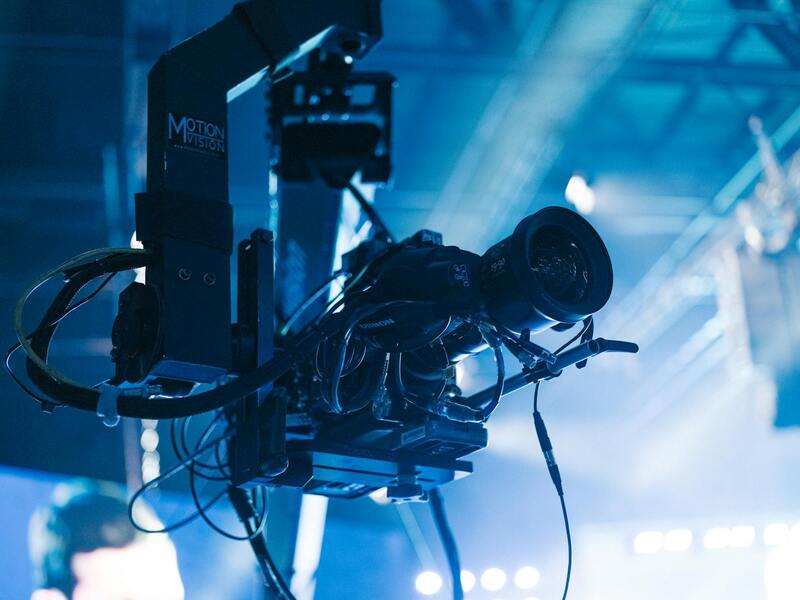
Setting up for a live-streaming event requires meticulous preparation and precise execution to ensure a seamless broadcast. This phase begins with verification of all technical components, including cameras, audio equipment, streaming encoders, and network connectivity. An optimal configuration involves deploying multiple camera angles to capture different perspectives, which enrich the viewer experience and provide flexibility during the broadcast. Control panels and switchers allow the director to seamlessly transition between sources, manage overlays, and incorporate live graphics to keep the content engaging.
Prior to going live, comprehensive testing is essential. This includes verifying the stability and speed of internet connections, calibrating audio levels for clarity, and testing streaming hardware to avoid latency issues. A dedicated technical team continuously monitors these elements throughout the event, ready to troubleshoot in real time and implement contingency measures should any technical discrepancies occur. The goal is to maintain a consistent, high-quality stream that aligns with the broadcast plan.
In addition to hardware and network readiness, synchronization of pre-designed graphics, captions, and overlays enhances viewer engagement and branding consistency. These visual elements are configured to appear at designated moments, such as introductions, call-to-action prompts, or post-event summaries. Operating in tandem, the technical and creative teams deliver a cohesive live presentation that maximizes audience engagement and meets client specifications.
Effective communication is vital during the broadcast. Clear, real-time coordination among camera operators, audio technicians, graphics personnel, and the director allows for quick adjustments and smooth transitions. Using professional communication tools, the team can relay cues and troubleshoot unexpected challenges without disrupting the flow of the event.
Preparation extends into implementing backup strategies, such as secondary streaming channels and redundant hardware, to mitigate the impact of any equipment failure. This layered approach ensures uninterrupted delivery and preserves the professionalism of the live event. When all components operate in harmony, the result is a polished, dynamic stream that resonates with viewers and achieves the client’s objectives, whether for corporate events, live concerts, or webinars.
Execution: Live-Streaming Production Setup
Establishing an effective live-streaming production setup involves meticulous coordination of various technical and creative elements to ensure a seamless broadcast experience. At the core of a successful live stream is the integration of high-quality hardware, reliable network infrastructure, and synchronized software tools. Typically, a professional production team will assemble a control room equipped with multi-view monitors, mixing consoles, and switching equipment to manage multiple video feeds and transitions in real time.
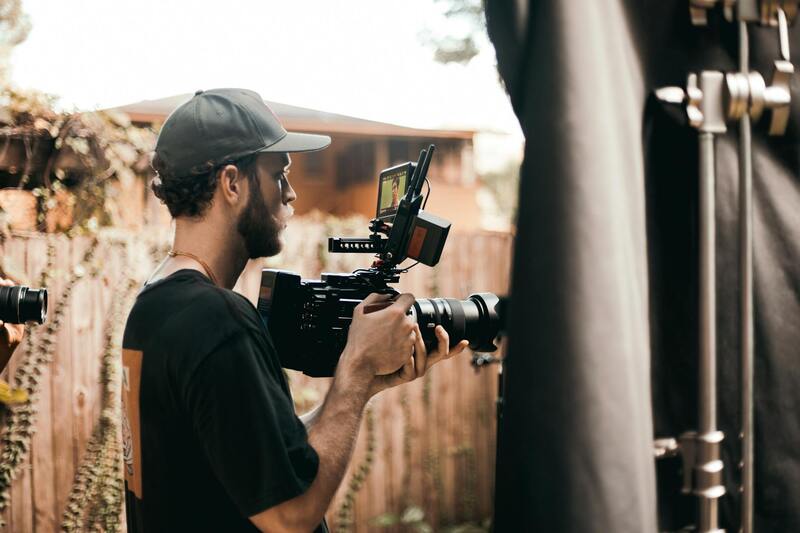
Camera deployment is pivotal for capturing diverse angles and engaging visuals. High-definition cameras, often with robotic capabilities, provide flexibility and precision during live events. Audio quality is equally essential; professional microphones and audio mixers ensure clear sound capture, minimizing background noise and balancing audio levels across multiple sources.
To support dynamic visual storytelling, graphics engines and overlay systems are integrated into the workflow. These tools enable real-time display of branding elements, lower-thirds, event titles, and live data feeds that enhance viewer engagement and reinforce branding goals. Effective use of these visual components ensures that the stream is not only technically sound but also visually compelling.
Synchronization and timing are critical; the production team employs software solutions to coordinate camera cues, graphics insertions, and transitions, ensuring consistency throughout the broadcast. Rigorous testing procedures are conducted before the live event to troubleshoot potential technical issues. Backup equipment, such as spare cameras, audio sources, and redundant encoding hardware, are kept on standby to mitigate the risk of failure during the broadcast.
Network stability remains a top priority. Utilizing dedicated high-bandwidth internet connections, often with bonded streams or backup lines, guarantees uninterrupted streaming even in areas with potential connectivity issues. Network engineers monitor bandwidth utilization and latency constantly, adjusting configurations as needed to maintain optimal quality.
Direction and communication play a vital role during live production. The technical and creative teams stay connected through professional intercom systems, enabling quick decision-making for transitions, cueing graphics, or addressing unexpected technical glitches. This coordination ensures a polished, professional presentation that aligns with the event objectives.
Implementing contingency plans, such as multi-platform streaming and secondary backup streams, provide additional layers of security to prevent content loss or interruption. These plans are carefully scripted and rehearsed, allowing the production team to react swiftly and effectively to any unforeseen challenges. When all these elements operate cohesively, the resulting live stream is smooth, engaging, and impactful, delivering a high-quality viewer experience that meets or exceeds client expectations.
Advanced Techniques in Live-Streaming Production Services
Mastering live-streaming production involves implementing advanced techniques that elevate the quality, engagement, and reliability of streams. These techniques extend beyond basic broadcasting, requiring a comprehensive understanding of real-time content management, audience interaction, and technical robustness. A proficient team employs protocols such as multi-camera switching, real-time graphics overlay, and synchronized audio-visual feeds to create a seamless viewing experience. Integrating professional-grade graphics and animations enhances visual appeal, making the content more engaging and memorable for viewers.
Utilization of Multi-Camera Setups
Deploying multiple cameras allows dynamic shot selection, providing viewers with different angles and focal points. This approach not only enriches the viewer experience but also offers flexibility for real-time storytelling. Live-switching equipment enables the production team to transition smoothly between shots, maintaining continuity and professionalism. The ability to incorporate close-ups, wide shots, and alternative perspectives ensures the content resonates more effectively with the audience.
Integration of Real-Time Graphics and Overlays
Dynamic graphics, lower thirds, and real-time overlays serve as effective tools for conveying crucial information, branding, and augmenting storytelling. These visual elements are synchronized with the broadcast timeline, allowing for seamless integration of sponsor logos, event titles, social media feeds, and other interactive content. Advanced graphic systems enable quick updates and customization during the stream, ensuring the visuals stay relevant and engaging throughout the event.
Audio Optimization Strategies
Sound quality plays an equally vital role in live streaming. Professional audio equipment, including lapel microphones, boom mics, and mixers, ensures clear, balanced sound delivery. Techniques such as audio mixing, noise reduction, and feedback suppression are employed to maintain exceptional clarity. Proper audio-visual synchronization guarantees that the audio complements the visual content perfectly, facilitating a more immersive viewer experience.
Live Audience Interaction and Engagement
Incorporating live chats, Q&A sessions, and interactive polls increases viewer participation and engagement. These features are integrated into the stream using specialized software, allowing hosts to respond in real time. Leveraging social media platforms for audience interaction facilitates broader reach and community building around the event. Skilled production teams monitor these channels continuously, moderating content and highlighting viewer comments to enhance real-time engagement.
Advanced Security and Redundancy Measures
To ensure uninterrupted streaming, production services incorporate robust security protocols. Encryption techniques safeguard content against unauthorized access, while redundant streaming paths prevent interruptions caused by bandwidth issues. Employing multiple internet connections, hot spares, and failover mechanisms ensures that live broadcasts proceed smoothly under various circumstances. Additionally, comprehensive monitoring tools are employed to detect and resolve issues swiftly, minimizing the risk of technical failures.
Content Repurposing for Extended Reach
Post-event, live-streaming services often include content repurposing strategies to maximize reach. Recorded streams can be edited into shorter clips, promotional reels, or highlight reels for social media dissemination. Archiving the full event provides valuable content for future marketing efforts, training, or internal use. These content pieces enhance brand visibility, extend the lifespan of the event’s digital footprint, and create additional engagement opportunities for the audience.
Choosing the Right Miami Live-Streaming Production Partner
Selecting a reliable live-streaming provider in Miami necessitates a thorough evaluation process. Experience is paramount; a company with a proven track record in handling diverse events—from corporate conferences to large festivals—demonstrates adaptability and expertise. The technology stack should be state-of-the-art, encompassing the latest in broadcasting hardware and software solutions to ensure high-quality streams.
Assessing a provider’s portfolio offers insight into their capabilities and style, helping you determine if their previous work aligns with your event’s vision. Additionally, customizable service options—such as tailored technical setups, on-site support, and post-production services—are vital for ensuring the event’s success. Effective communication and a clear understanding of your objectives from the outset facilitate a smooth collaboration, resulting in a professional and engaging live stream that meets your expectations.