Introduction to Live Streaming Video Production
Live streaming video production has become a transformative tool for businesses, entertainment providers, and organizations aiming to reach audiences in real time. This technology enables the simultaneous broadcast of events, presentations, or performances directly to viewers via internet-connected devices, offering immediacy and interactive engagement that traditional media cannot match. In Miami, a city renowned for its vibrant entertainment scene, dynamic business environment, and diverse cultural landscape, live streaming is increasingly vital for expanding reach and enhancing brand presence.
The importance of live streaming in Miami spans across multiple industries include entertainment, corporate events, real estate, education, and hospitality. For entertainment companies and artists, it provides a platform for global audiences to experience performances regardless of physical location, fostering broader exposure and engagement. Corporate entities utilize live streams for product launches, webinars, and conferences, enabling seamless interaction with clients, partners, and stakeholders in real time.
Within the hospitality industry, Miami’s hotels and resorts leverage live streaming to showcase amenities and host virtual tours, attracting prospective visitors beyond traditional marketing methods. Educational institutions adopt this technology to deliver lectures, seminars, and training sessions, expanding access to knowledge. Furthermore, live streaming enhances the visibility of local festivals, cultural events, and sports competitions, contributing to the city’s vibrant cultural calendar and economic vitality.
Implementing effective live streaming requires a strategic approach that encompasses technical expertise, compelling content creation, and audience engagement techniques. As Miami continues to grow as a hub for innovation, understanding the foundational elements of live streaming production is essential for providers aiming to deliver high-caliber broadcasts that meet or exceed audience expectations. From small-scale professional setups to large-scale multi-camera productions, mastering this medium opens numerous opportunities for growth, outreach, and influence in the bustling Miami market.
With the proper infrastructure and expertise, live streaming can transform traditional events into global experiences, making it an indispensable element of modern media strategy. As technology advances and consumer preferences evolve, the capacity to produce dynamic, engaging, and reliable live videos will remain a cornerstone of competitive advantage for businesses and creators operating within Miami’s diverse and fast-paced environment.
Essential Equipment and Technology
Implementing professional live streaming video production in Miami requires a comprehensive understanding of the equipment and technology that facilitate smooth, high-quality broadcasts. The core components include high-definition cameras, reliable encoding hardware, robust audio systems, and stable internet connections.
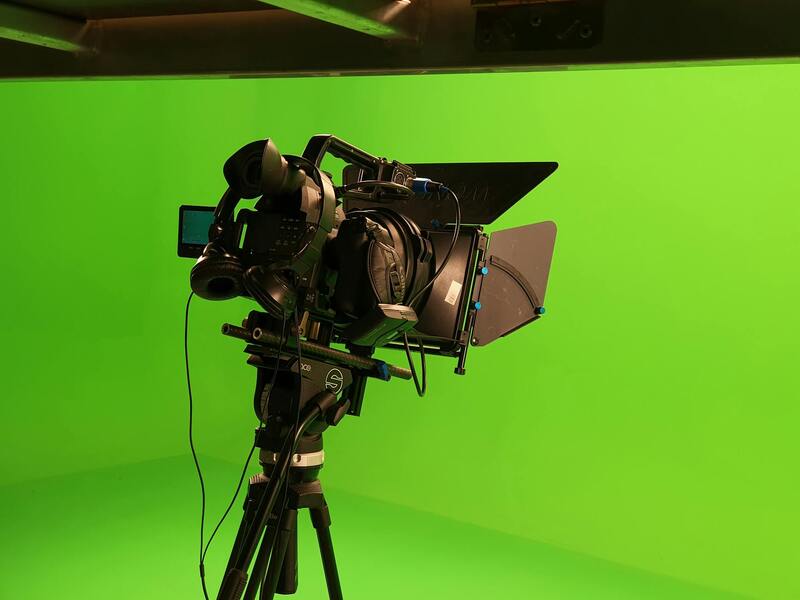
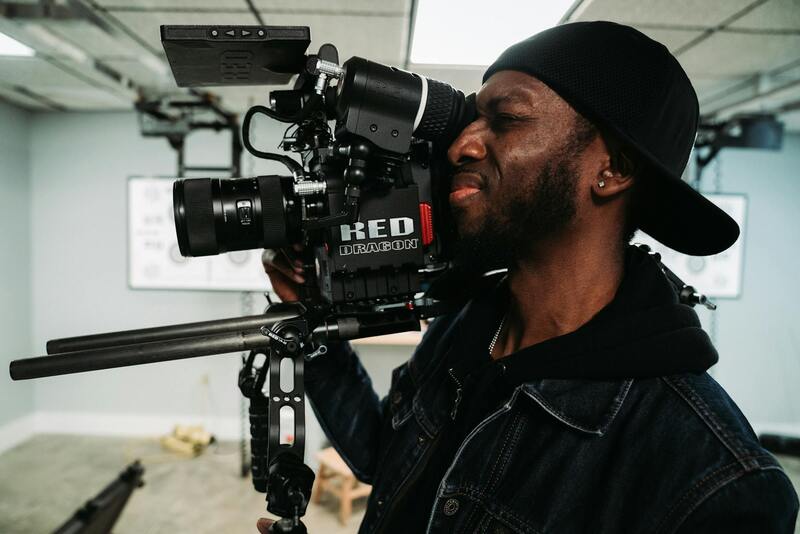
High-quality cameras are fundamental for capturing crisp visuals. Depending on the scale of the production, options range from DSLR and mirrorless cameras to professional broadcast-grade cameras equipped with SDI or HDMI outputs. These cameras should support high-resolution outputs such as 4K to meet modern viewer expectations.
Encoding hardware or software transforms the camera’s video feed into a digital stream compatible with the chosen streaming platform. Hardware encoders, like the Teradek or AJA Keene, offer dedicated hardware solutions optimized for reliability and low latency, making them ideal for high-profile or complex broadcasts.
Audio quality is equally critical; professional microphones—such as shotgun microphones or lavalier mics—capture clear sound, while mixers allow for real-time audio adjustments. Integrating multiple audio sources ensures flexibility to address different segments of the event.
Reliable internet connectivity forms the backbone of any live stream. Miami-based production teams often leverage dedicated fiber optic connections or bonded cellular solutions to ensure bandwidth stability and minimal latency, especially when streaming large-scale events or multiple camera feeds.
For seamless control over the live production, switching hardware and control panels facilitate smooth transitions between feeds, overlays, and graphics, enriching the viewer experience. Additionally, professional lighting equipment enhances the visual quality, especially in indoor settings or low-light scenarios.
Incorporating other essential technology like teleprompting devices, real-time graphics generators, and multiple monitors for production crew can significantly improve the workflow and output quality.
Ultimately, selecting the right mix of equipment tailored to the specific event and audience expectations is key to delivering a successful live streaming experience that stands out in Miami’s competitive digital landscape.
broadcast setup and production techniques
Optimizing Camera Work and Live Switching
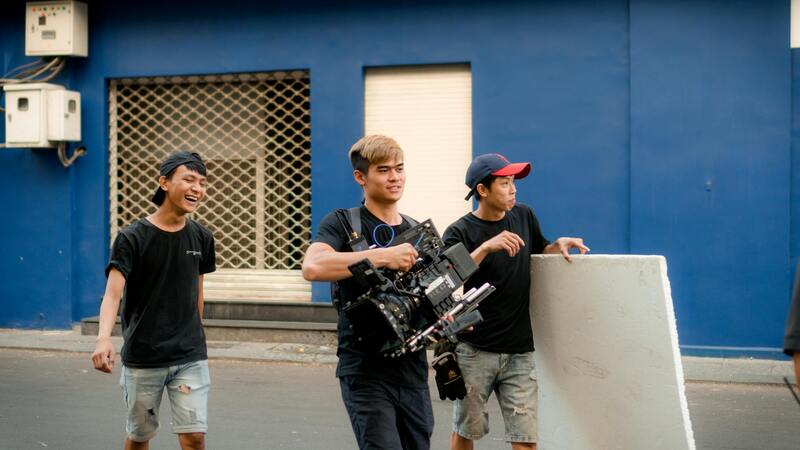
Effective live streaming production hinges on precise camera operation and seamless feed management. Utilizing multiple high-definition cameras allows for varied shots, angles, and perspectives that keep viewers engaged. Professional camera systems equipped with remote control features and high-quality lenses ensure clarity, color accuracy, and focus, even in challenging lighting conditions.
During broadcast, live switching between camera feeds is managed through switchers or vision mixers. These devices enable producers to select and transition between shots smoothly, incorporating effects like fades, wipes, and picture-in-picture overlays that enhance visual storytelling. Maintaining a balance between shot selection and timing is essential to preserve the pacing of the broadcast.
Audio Integration and Management
High-fidelity audio is integral to professional live streaming. It's important to employ clean, well-mixed sound feeds that complement the visual content. Microphones should be positioned correctly—such as boom mics for wide audio capture and wired lavaliers for targeted speech clarity.
Audio mixers enable live adjustments for volume levels, equalization, and dynamic processing, which are critical for reducing background noise and ensuring consistent sound quality across different segments. For multi-location or multi-sound-source events, audio routing systems are used to prevent interference and manage multiple inputs effectively. This configuration guarantees that all sound sources align with the video feed, providing viewers with an immersive experience.
Overlay Graphics and Real-Time Content Integration
Graphics play a key role in broadcasting, offering context and branding while maintaining viewer engagement. Implementing real-time graphics generators allows for the display of lower thirds, event branding, sponsor logos, and live statistics dynamically during the stream.
For instance, overlaying a countdown timer before a presentation or highlighting key points with animated text can significantly elevate production quality. These graphics are typically managed via dedicated software connected directly to the broadcast workflow, enabling quick updates without disrupting the live feed.
Managing internet connections and data flow
To sustain a high-quality live stream, network reliability is paramount. Many Miami-based production teams rely on bonded cellular networks, dedicated fiber optic internet, or satellite internet solutions to secure stable bandwidth, especially during large or multi-camera broadcasts.
Bandwidth management tools monitor data flow, ensuring minimal latency and preventing buffering interruptions. Redundant internet connections are also employed to switch seamlessly in case of primary network failure, guaranteeing continuous broadcast delivery. Properly configured network equipment prioritizes live streaming traffic, maintaining prioritization for data packets essential to smooth viewing experience.
Real-Time Monitoring and Feedback Systems
During live production, real-time monitoring provides critical feedback on audio levels, video quality, and stream health. Control panels and software interfaces display live metrics, allowing technicians to make immediate adjustments as needed. These systems help prevent issues such as dropped frames, audio artifacts, or synchronization errors, which could compromise viewer satisfaction.
Additionally, many production setups include multiview monitors that display multiple feeds simultaneously, providing producers with a comprehensive overview and rapid response capabilities. Maintaining vigilance over technical parameters ensures the live broadcast adheres to professional standards and delivers a seamless experience to audiences across Miami and beyond.
Broadcast Setup and Production Techniques
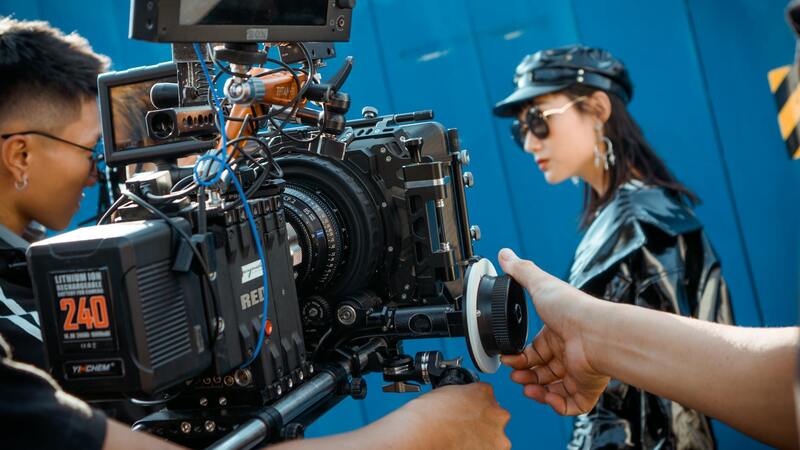
In order to deliver a polished and professional live streaming video, meticulous setup of broadcasting equipment and strategic production techniques are essential. Proper camera configuration ensures optimal image quality, with choices between ENG (Electronic News Gathering) cameras, studio broadcast cameras, or PTZ (Pan-Tilt-Zoom) cameras depending on the scope of the event. These cameras should be operated by experienced camera operators who understand framing, focus, and movement to capture dynamic aspects of the event seamlessly.
Audio management is equally critical in professional live streaming. High-quality microphones, such as lavalier, shotgun, or boundary microphones, should be used to capture clear sound. An audio mixer often accompanies the setup to balance levels, eliminate background noise, and manage multiple audio sources efficiently. Sound engineers constantly monitor audio feeds to prevent distortions and ensure consistent volume levels, which are key to maintaining audience engagement and understanding.
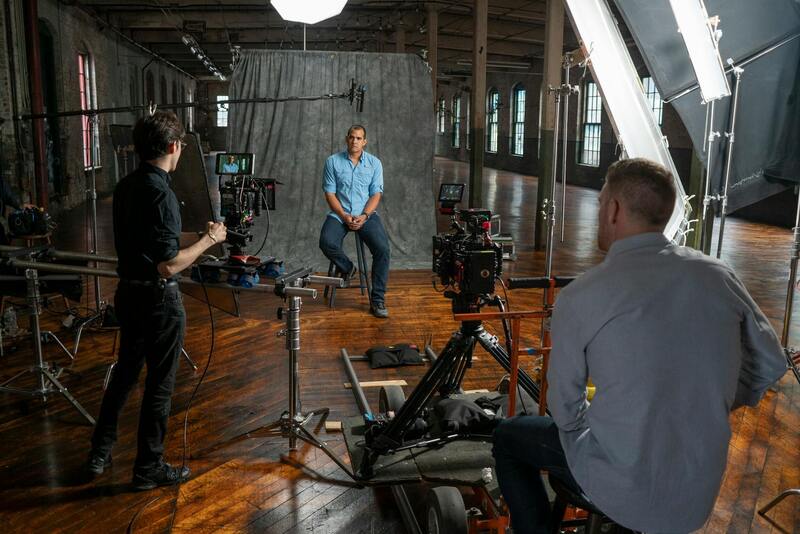
Lighting plays a significant role in enhancing video quality and highlighting important subjects. Proper lighting setups involve a combination of key, fill, and backlighting to create depth and clarity. Softboxes, LED panels, or ring lights can be employed depending on the environment, with adjustments made to color temperature and intensity for optimal visual clarity. Consistent lighting not only improves visual appeal but also reduces the need for digital corrections during post-production.
Multi-camera coordination is fundamental for a dynamic broadcast experience. Production teams often employ video switchers or mixers to seamlessly transition between different camera feeds, creating a lively and engaging presentation. Skilled directors or technical directors manage these transitions in real-time, utilizing pre-planned shot sequences and real-time cues to emphasize key moments or switch views based on audience reactions.
Another aspect involves ensuring the compatibility and synchronization of all equipment. Video signals from various sources should be encoded with synchronized timecodes or genlock systems to prevent latency issues and visual discrepancies. Careful cable management and signal routing minimize interference and potential points of failure during a live event.
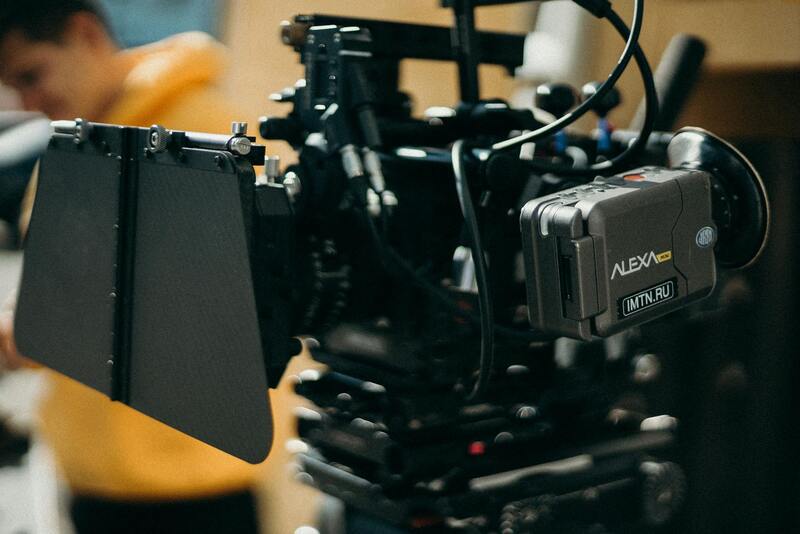
Coordination among technical staff is vital. Producers, camera operators, audio engineers, and technical directors must work in harmony from the planning phase through the actual broadcast. Effective communication systems, such as intercoms or wireless headsets, facilitate quick decision-making and rapid response to unforeseen issues. Detailed run sheets and rehearsals ensure smooth execution and minimize surprises during the live event.

By integrating these elements with expert oversight, a comprehensive broadcast setup can be achieved that meets high standards of clarity, reliability, and viewer engagement. Thorough preparation and an understanding of advanced production techniques are what distinguish a routine live stream from a truly professional broadcast experience that audiences expect in Miami's vibrant event landscape.
Advanced Signal Management and Redundancy Systems in Live Streaming Video Production
Ensuring a seamless live streaming experience requires meticulous attention to signal integrity and system redundancy. In high-quality live streaming video production, the use of advanced signal management techniques helps maintain video and audio fidelity despite the complexities involved in live broadcasts. Technologies such as SDI (Serial Digital Interface) and HDMI cables are commonly employed for transmitting high-definition signals; however, these can be susceptible to interference and loss. To counteract this, professional setups incorporate fiber optic cabling and signal amplifiers, which extend signal reach and preserve quality over longer distances.
Synchronization of video sources is paramount in a multi-camera setup to prevent visual discrepancies. Genlock systems, which synchronize multiple video devices to a single timing source, ensure uniformity in color and motion. This synchronization allows for smooth transitions and consistent framing as different camera feeds are switched or layered during the broadcast.
Redundancy mechanisms are also integral to professional live streaming. Dual-power supplies, backup internet connections, and redundant signal pathways safeguard the broadcast against equipment failure or network disruptions. For instance, redundant encoders can automatically take over if the primary encoder encounters an issue, minimizing downtime. Similarly, multiple internet connections—such as wired broadband, 4G/5G cellular links, and satellite feeds—are often aggregated using bonding devices to ensure continuous data flow even if one source falters.
Signal management extends beyond hardware, involving sophisticated software that monitors and adjusts streaming parameters in real-time. This includes adaptive bitrate streaming techniques, which dynamically alter the quality of the video stream based on network conditions, ensuring viewers experience minimal buffering regardless of fluctuations in bandwidth. Implementing these strategies requires an integrated approach, blending hardware resilience with intelligent software solutions to deliver consistent, high-quality live streaming content.
Moreover, rigorous testing and rehearsals are conducted before the actual event. Simulated live runs help identify potential points of failure in the signal chain, allowing technical teams to troubleshoot and reinforce vulnerable links within the system. Continuous monitoring during the broadcast allows operators to make real-time adjustments, such as switching to backup feeds or adjusting encoding settings, to sustain stream stability.
Maximizing the efficacy of these systems involves not only selection of reliable equipment but also comprehensive staff training and adherence to established protocols. Technical personnel must be well-versed in troubleshooting procedures, switchovers, and system diagnostics to respond swiftly to any unexpected issues. This strategic combination of advanced signal management, system redundancies, and skilled personnel forms the backbone of professional live streaming video production, ensuring a flawless viewing experience for audiences in Miami and beyond.
Local Regulations and Best Practices
Adhering to local regulations is essential for a seamless live streaming experience that respects regional standards and legal frameworks. Compliance involves understanding relevant broadcast rights, licensing agreements, and content restrictions specific to each jurisdiction. For instance, certain areas may have regulations governing the use of copyrighted material, which necessitates acquiring appropriate permissions before streaming copyrighted content. Additionally, understanding rules around the use of certain visuals, language, or subject matter helps prevent potential disruptions or sanctions during the broadcast.
Incorporating best practices in live streaming production extends beyond legal considerations to include technical, ethical, and operational standards. A fundamental aspect involves implementing clear communication protocols among the production team to ensure smooth coordination during the live event. This includes pre-defining roles, responsibilities, and contingency plans for common technical issues or unforeseen circumstances.
Another critical practice is conducting thorough risk assessments and establishing robust backup procedures. For example, having redundant internet connections, backup equipment for critical components, and contingency plans for technical failures can significantly mitigate disruptions. Moreover, ensuring data privacy and security protocols are adhered to during the production helps protect sensitive information and uphold audience trust.
Maintaining transparency with viewers regarding content and streaming procedures fosters engagement and aligns expectations. Clear branding, consistent visual identity, and timely communication of stream status or technical notices contribute to a professional image.
Furthermore, respecting audience accessibility needs by providing closed captions, audio descriptions, and multi-language options enhances inclusivity. These practices demonstrate a commitment to delivering high-quality live streaming that meets community standards and delivers value to viewers.

Advanced Techniques for Ensuring High-Quality Live Streaming Video Production
Implementing Redundancy and Backup Solutions to Maintain Stream Continuity
To uphold seamless broadcast quality in live streaming video production, deploying multiple layers of redundancy is essential. This involves setting up backup internet connections, such as secondary broadband or cellular data networks, which automatically activate if the primary connection encounters interruptions. Redundant encoding devices ensure that video signals are preserved and transmitted without disruption, even during equipment failure or technical glitches.
Additionally, integrating backup power sources, like uninterruptible power supplies (UPS) and generators, guarantees that critical equipment remains operational despite power outages. This approach minimizes downtime and preserves the integrity of the live stream, providing uninterrupted viewing experiences for audiences.
Refining Audio-Visual Quality for a Professional Streaming Experience
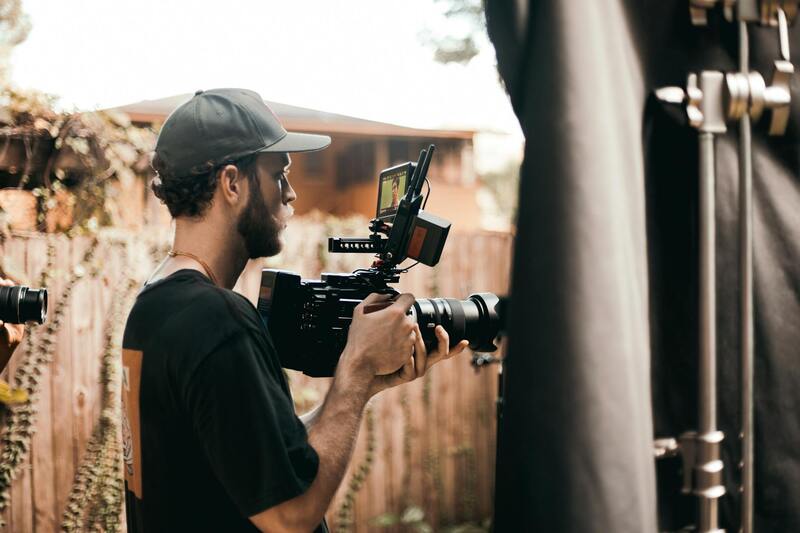
Achieving crystal-clear audio and high-definition visuals is paramount in professional live streaming. High-quality microphones, such as directional shotgun microphones or lavalier mics, capture clear sound, while mixing consoles enable real-time audio balancing. Complementing audio, the selection of 4K or 1080p cameras with professional-grade lenses ensures sharp, vibrant visuals that captivate viewers.
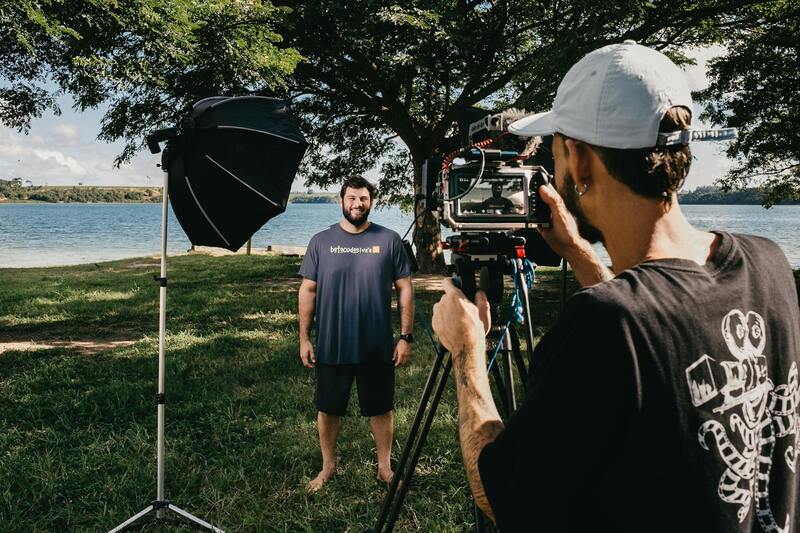
Proper lighting setups, including softboxes and LED panels, eliminate shadows and enhance visual clarity. Color grading and real-time graphic overlays can be employed during broadcast to provide context and brand consistency, thereby increasing engagement and viewer retention.
Utilizing Professional Streaming Software for Enhanced Production Capabilities
Advanced streaming software allows for sophisticated production workflows, including multi-camera switching, picture-in-picture overlays, and live titling. Such tools facilitate real-time editing and branding, resulting in a polished, professional presentation. Features like audio mixing, chroma keying for green screens, and integrated chat monitoring help streamline operations and improve audience interaction.
Furthermore, stream schedulers and analytics integrations provide insights into viewer engagement, enabling producers to adapt content dynamically and optimize performance.
Monitoring and Troubleshooting During Live Broadcasts
Real-time monitoring of stream health is critical to identify and resolve issues promptly. Utilizing multiple dashboards displaying internet bandwidth, encoding status, and viewer statistics allows producers to maintain control over the broadcast. Automated alerts can notify operators of problematic elements like signal loss or low bitrate, enabling swift intervention.
Having a dedicated technical team or support personnel during the live event ensures quick responses to unforeseen problems, minimizing broadcast disruptions and safeguarding the viewer experience.
Secure and Compliant Streaming Practices
Implementing secure streaming practices involves encrypting video streams and managing access controls to prevent unauthorized viewing or data breaches. Utilizing secure streaming servers and employing digital rights management (DRM) protocols safeguard content and intellectual property rights.
Additionally, adhering to content guidelines and compliance standards related to intellectual property, advertising disclosures, and viewer privacy enhances the credibility of the production. Regular audits and updates of security measures ensure ongoing protection against emerging threats.
Training and Certification for Production Teams
Equipping production personnel with specialized training in live streaming techniques, equipment operation, and troubleshooting procedures enhances operational efficiency. Certification programs or workshops from recognized industry associations serve to validate expertise and ensure adherence to best practices.
This specialized knowledge fosters a skilled team capable of managing complex live streaming setups, addressing technical challenges swiftly, and delivering consistently high-quality broadcasts.
Understanding the Certification and Quality Assurance Processes in Live Streaming Video Production
Maintaining high standards in live streaming video production mandates adherence to a rigorous certification and quality assurance process. This process ensures that every broadcast consistently meets industry benchmarks for clarity, stability, and security, while also aligning with the expectations of clients and audiences.
One of the key components involves the implementation of comprehensive quality control protocols that govern every stage of the production cycle. These include pre-event testing, monitoring during the broadcast, and post-event evaluations to identify and address any issues that could detract from the viewer experience. Utilizing professional-grade software tools for real-time analytics allows producers to gauge stream performance continuously and make necessary adjustments instantaneously.
To validate quality standards, live streaming operations often undergo accreditation by reputable industry bodies. Such certification processes assess technical capabilities, adherence to best practices, and compliance with security protocols. Achieving and maintaining such certifications not only enhances credibility but also demonstrates a commitment to delivering high-quality, reliable streaming content.
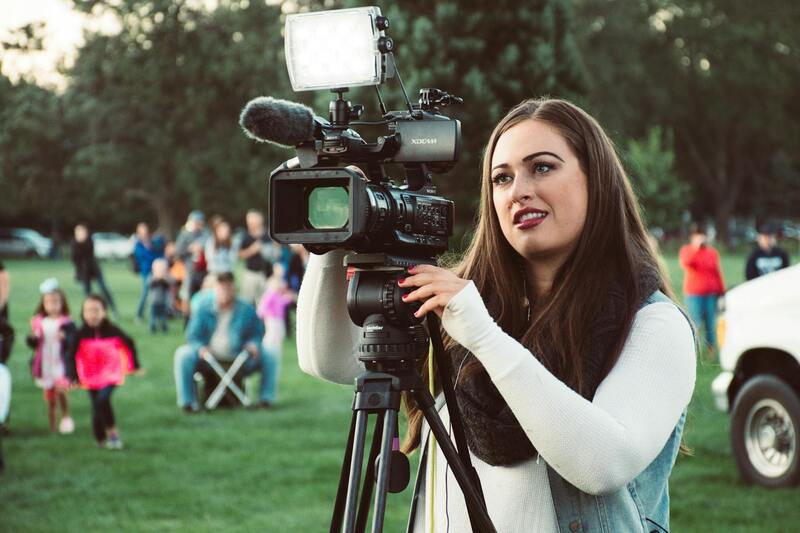
Another crucial aspect involves the deployment of certified equipment and certified personnel. Brands and organizations frequently specify the use of professional-grade encoders, switchers, and cameras that meet established industry standards. Equally important is the ongoing training and certification of production teams, involving specialized workshops focused on technical operations, security measures, and troubleshooting techniques. Certified personnel are better equipped to handle complex live environments, reducing errors and stream disruptions.
Implementing Secure and Certified Streaming Practices
Security protocols form an integral part of a structured certification process, safeguarding against unauthorized access and content theft. Encryption methods, access controls, and secure streaming servers are employed to protect valuable content assets. Certification bodies often evaluate these security measures as part of the accreditation process, ensuring that streaming operations are resilient against emerging threats.
Furthermore, establishing compliance with international standards for data privacy and consumer protection signals professionalism and builds trust with viewers. This includes transparent data handling practices and clear content licensing agreements, which are verified through periodic audits. By aligning with these standards, live streaming providers demonstrate their dedication to quality and integrity, reinforcing their reputation within the industry.
Ongoing Monitoring and Continuous Improvement
Effective live streaming enterprises prioritize ongoing monitoring mechanisms that provide continuous feedback on system performance. These include network performance metrics, stream stability indicators, and audience engagement analytics. Regular data analysis guides iterative improvements, from optimizing bitrates and resolving latency issues to enhancing viewer interaction features.
In addition, post-broadcast reviews are instrumental in identifying procedural gaps and areas for enhancement. Documentation of lessons learned, coupled with updates to protocols and equipment, ensures that production teams stay aligned with evolving standards and technological advancements. This cycle of continuous evaluation and improvement underpins the delivery of top-tier live streaming experiences.