
Understanding Live-Streaming Video Production
Live-streaming video production has become an essential element for modern communications, enabling organizations, event organizers, and businesses to broadcast real-time content to a global audience with immediacy and high engagement. Unlike traditional video broadcasting, which involves pre-recorded content that can be edited and scheduled in advance, live-streaming entails capturing, encoding, and transmitting video signals seamlessly as events unfold. This immediacy creates a direct connection between the presenter and the viewer, fostering interactive and immersive experiences that static methods cannot replicate.
Fundamentally, live-streaming involves several core components working in harmony:
- Capture Equipment: Cameras and microphones that record the event or scene with clarity and precision.
- Encoding Devices: Hardware or software solutions that compress video and audio signals into digital formats suitable for internet transmission.
- Streaming Platforms: Delivery networks that transmit the live feed to viewers, often utilizing Content Delivery Network (CDN) infrastructure to ensure stability and global reach.
- Viewing Interfaces: Web applications, mobile apps, or embedded video players that enable audiences to access the live broadcast effortlessly.
Compared to traditional broadcasting, which relies heavily on satellite or cable infrastructure and pre-production scheduling, live-streaming leverages internet-based protocols such as RTMP (Real-Time Messaging Protocol) and HLS (HTTP Live Streaming). These protocols facilitate low-latency, scalable transmission, making it possible for businesses and event organizers to reach diverse audiences regardless of geographical boundaries.
Another important distinction lies in the capacity for interaction. Live streams often include features like real-time chat, polls, or Q&A sessions, transforming passive viewers into active participants. This interactivity enhances engagement, fosters community building, and provides immediate feedback for content creators and event organizers.
Understanding these fundamentals underscores the significance of choosing the right technology, setting clear objectives, and implementing meticulous planning to produce compelling live content. This foundation is crucial for any Miami-based organization seeking to maximize their outreach, whether they are hosting corporate conferences, entertainment events, or educational seminars.

Essential Equipment for Live-Streaming
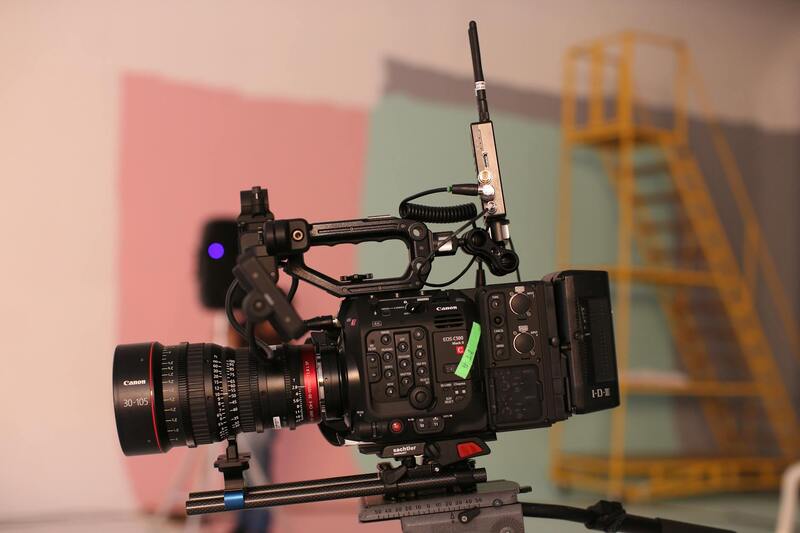
Executing a high-quality live-streaming video production requires a comprehensive suite of equipment designed to ensure clarity, stability, and professional output. The core hardware components include high-resolution cameras capable of capturing detailed visuals in varying lighting conditions, paired with high-quality microphones to deliver crystal-clear audio. Synchronizing audio and video sources correctly is crucial to prevent lag and ensure seamless broadcast quality.
Beyond basic capture devices, encoding hardware or software solutions are vital. Hardware encoders are dedicated devices that compress video streams in real-time, minimizing latency and reducing bandwidth consumption, while software encoders—often integrated into production computers—offer flexibility and advanced control features. Both options must be selected based on the scale of the broadcast and specific technical needs.
To support smooth transmission, a stable internet connection with sufficient upload speeds is essential. For larger events or venues, redundant network setups such as dual internet sources or bonded cellular connections help mitigate disruptions caused by network instability. Routers optimized for real-time streaming and dedicated network hardware further improve reliability.
In addition to the core components, auxiliary equipment enhances the production value and operational efficiency. These include lighting systems to ensure proper illumination, video switchers to seamlessly transition between multiple camera feeds, and monitors for real-time previewing. For remote hosting or multi-camera setups, wireless video transmission systems enable mobility without sacrificing video quality.
Post-event, storage solutions such as external drives or cloud-based platforms are used to archive raw footage and finished streams. This archive becomes a valuable resource for content repurposing, quality review, or future reference.
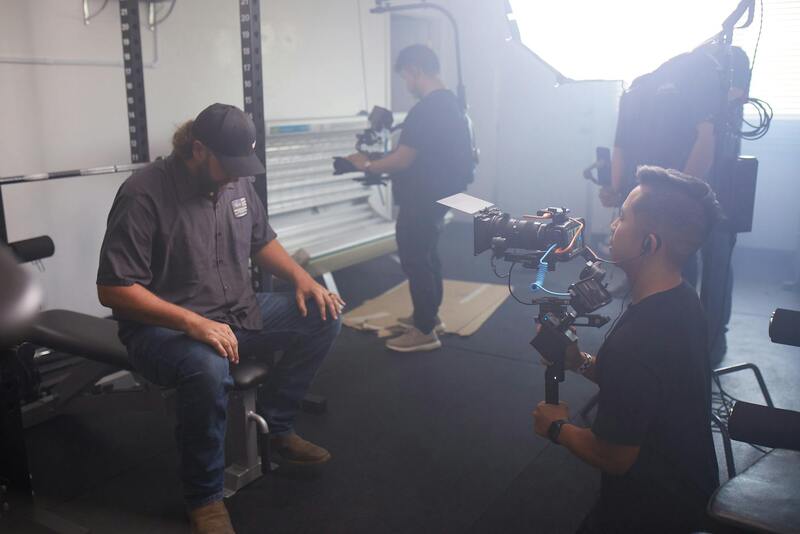
Having the right equipment aligned with the event's scope helps ensure a smooth production process, minimizes technical issues, and elevates the viewer experience. Investing in reliable hardware and properly configuring all components are fundamental steps towards professional-grade live-streaming in Miami's vibrant and diverse event landscape.
Technical Execution and Live Operations
Effective technical execution is the backbone of a seamless live-streaming experience. It involves meticulous planning of camera placements, audio configurations, and real-time monitoring to ensure consistent quality throughout the broadcast. Prior to the event, a detailed run sheet is created, outlining camera cues, transitions, and audio adjustments to streamline live operations.
During live production, dedicated operators manage each component, from switching camera feeds to controlling audio levels. Precision in timing is crucial, especially when integrating graphics, overlays, or on-screen information that can elevate the viewer's engagement. Coordinating these elements requires a skilled crew well-versed in live production techniques.
A key aspect of live operation is redundancy. Having backup equipment, such as additional cameras or audio units, ensures swift substitution in case of technical issues. Additionally, employing a dedicated control room equipped with professional monitors and switchers allows the production team to oversee the stream's quality and promptly address any anomalies.
Effective communication channels, like intercom systems, facilitate real-time coordination among camera operators, directors, and technical staff. This setup enables swift decision-making, such as switching camera angles or managing unexpected interruptions. Transitioning smoothly between different scenes or camera angles preserves viewer engagement and maintains a professional broadcast appearance.
Throughout the event, constant monitoring of internet connectivity, audio signals, and video feeds helps preempt disruptions. The implementation of real-time quality checks allows the team to respond swiftly to any loss of signal or equipment malfunction. Having a dedicated technician continuously overseeing the technical stack ensures swift troubleshooting and minimal downtime.

In high-stakes live scenarios, contingency plans are vital. Having predefined procedures for equipment failure, unexpected power outages, or connectivity issues minimizes impact on the broadcast. This might include defaulting to backup streams, switching to alternative internet sources, or temporarily muting audio while resolving technical hurdles. A disciplined approach to technical execution is essential for maintaining viewer trust and achieving high production standards. Ongoing training for technical staff, regular equipment maintenance, and thorough rehearsals before the live event contribute significantly to a successful broadcast. When these elements are aligned, the live-streaming process becomes resilient, professional, and engaging for the online audience.
Technical Execution and Live Operations
Executing a seamless live-streaming video production demands meticulous attention to technical detail and proactive management throughout the event. At the core is a comprehensive setup that integrates multiple hardware components such as professional camcorders, switchers, encoders, and audio equipment to ensure high-quality video and sound fidelity. This infrastructure must be complemented by a robust internet connection, ideally utilizing dedicated fiber optic lines or bonded internet solutions, to handle the high data transfer rates required for flawless streaming without interruptions.
During the live event, continuous monitoring of all technical streams is critical. This involves real-time oversight of video feeds, audio levels, and internet stability by a skilled production team. Employing live switching techniques allows the director to seamlessly transition between camera angles, overlay graphics, or insert prerecorded segments, maintaining audience engagement and emphasizing key moments.
Audio quality is equally essential. Using professional-grade microphones, mixers, and audio processors ensures clear, balanced sound that complements the visual elements. Auditory clarity helps in effective communication and enhances overall viewer satisfaction. Additionally, employing audio delay and lip-sync adjustments helps synchronize sound with video feeds, which is especially important when multiple camera sources or prerecorded content are involved.
Implementing redundant systems acts as a safeguard against potential failures. This includes backup power supplies (UPS units), secondary internet connections, and extra hardware components. Such measures ensure the live broadcast continues smoothly, even in unforeseen circumstances. A designated technical director oversees these systems, making instant decisions to address issues as they arise, such as switching to backup streams or adjusting data flow priorities.
Pre-event rehearsals are indispensable for identifying potential issues and training the technical team to respond swiftly during the actual broadcast. Participants should perform thorough run-throughs, testing equipment and workflows to guarantee everything operates as intended. During the event, clear communication channels among camera operators, producers, and technical staff facilitate quick, coordinated responses to dynamic situations.
Finally, detailed documentation of procedures, along with post-event reviews and performance analytics, allow teams to refine their approach for future productions. This analysis highlights strengths, identifies areas for improvement, and guides updates to equipment configurations or operational protocols. Consistent application of these best practices ensures the production maintains high standards, minimizes downtime, and delivers captivating content tailored to the Miami audience.
Technical Execution and Live Operations
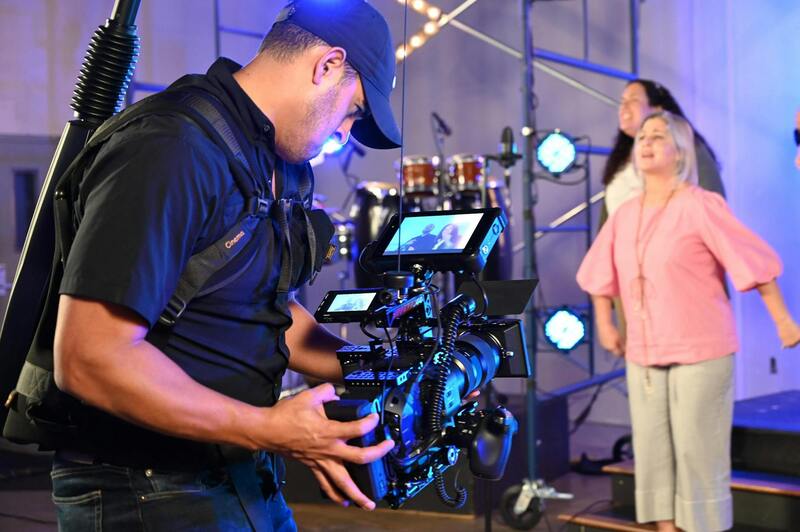
Executing a successful live-streaming video production requires meticulous coordination of various technical elements on the day of the event. Key personnel, including the technical director, camera operators, sound engineers, and graphics specialists, must work in harmony to ensure a seamless broadcast.
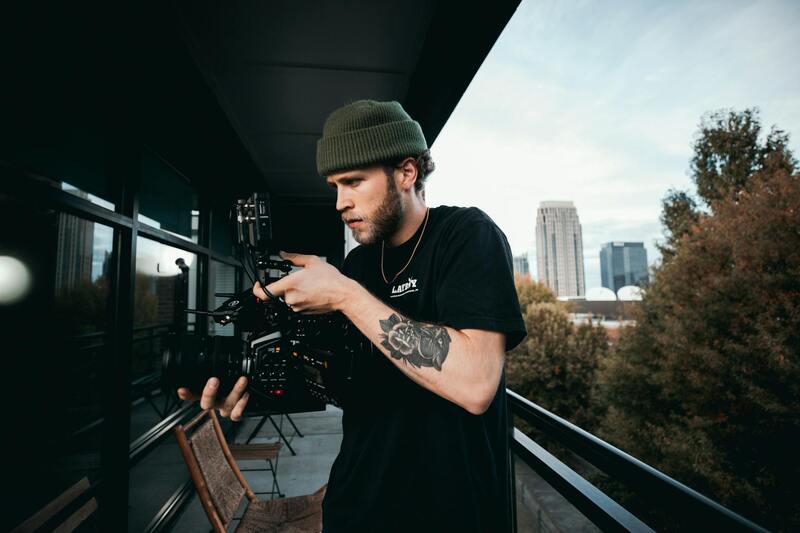
Camera operation is central to capturing the event’s essence. Operators should be well-versed in framing, focus, and movement, adapting to the live environment's demands while following director cues. Utilizing multiple camera angles enhances viewer engagement and provides dynamic perspectives that highlight important moments.
Switching between camera feeds, often managed through professional video switchers, allows for smooth transitions and the inclusion of special effects or overlays. Precision and timing are critical to maintain the flow, especially during live performances or keynote speeches.
Graphics and overlays play a vital role in communicating information effectively. These include event branding, lower thirds, titles, and real-time updates, which should be prepared in advance but also adaptable for live input. Software solutions enable quick editing and incorporation of these elements without disrupting the broadcast continuity.
Maintaining stream stability involves real-time monitoring of internet connections, hardware functions, and encoding quality. Employing professional streaming encoders that support adaptive bitrate streaming ensures that the video adjusts to fluctuating bandwidth conditions, minimizing buffering issues. Backup systems are indispensable, such as secondary internet connections or alternate streaming servers, to instantly switch over if primary systems encounter problems.
During the event, constant communication among the production team is essential. Clear protocols for troubleshooting, equipment management, and live decision-making enable swift resolution of issues. Deploying real-time analytics, such as frame loss, latency, and connection strength, informs the team’s actions, ensuring the stream remains stable and professional throughout.
Post-broadcast, the team should conduct a comprehensive review of the live operation. Analyzing metrics like viewer engagement, technical performance, and incident logs helps identify areas for process improvement. Documenting lessons learned fosters continuous enhancement of protocols and equipment setups, which is crucial for elevating future live-streamed productions in Miami's competitive event market.
Technical Execution and Live Operations
Executing a smooth live-streaming video production requires meticulous attention to detail during the broadcast. Prior to the event, comprehensive rehearsals allow the production team to identify potential technical issues and familiarize themselves with the equipment and workflow protocols. Effective communication among crew members, including camera operators, sound engineers, and streaming technicians, is essential for seamless coordination.
During the broadcast, real-time monitoring tools provide crucial insights into the stream’s health. It’s vital to continuously observe parameters like upload bandwidth, bit rate, frame rate, and encoding quality. These metrics help identify and rectify issues before they impact viewers' experience. Employing professional-grade encoders capable of adaptive bitrate streaming ensures the video dynamically adjusts to network fluctuations, maintaining a consistent quality.
A key component of live operations involves managing the switching between different camera feeds and overlays. Utilizing a multi-viewer setup allows the director to oversee all input sources simultaneously, facilitating smooth transitions and multi-angle coverage. Integrated audio mixing ensures clarity and balance across all sound sources, preventing audio dropouts or distortions.
Emergency preparedness is a cornerstone of successful live-streaming. Backup systems such as secondary internet connections, redundant power supplies, and standby equipment are essential to mitigate unexpected failures. Clear protocols for troubleshooting hardware issues, network disruptions, or software glitches should be in place. Designated team members should be responsible for specific technical tasks, enabling swift problem resolution. Real-time analytics dashboards display critical information like viewer engagement metrics, latency, buffer rates, and stream stability. These insights guide immediate corrective actions, such as adjusting encoding settings or switching servers. Maintaining close contact with the streaming platform support team can facilitate rapid troubleshooting if unforeseen issues arise. Post-broadcast, a comprehensive review session helps assess performance and identify areas for improvement. Analyzing technical logs, viewer feedback, and incident reports enables continuous refinement of procedures and equipment setup. This process ensures the production team stays ahead in delivering high-quality live streams amid Miami's vibrant and competitive event scene.
Technical Execution and Live Operations
Executing a live-streaming video production in a professional and seamless manner requires meticulous attention to technical details during the broadcast. A coordinated team, often comprising technical directors, camera operators, audio engineers, and streaming specialists, is essential for managing the real-time demands of broadcast operations. Each team member must be thoroughly familiar with their roles to maintain high-quality output without interruptions.
During the live production, real-time monitoring of video feeds is crucial to ensure that all sources are functioning correctly and that transitions between cameras, graphics, or pre-recorded content are smooth. The technical director uses live switching software or hardware switchers to alternate between multiple video inputs, creating a dynamic and engaging broadcast. Precision is key, particularly when integrating multiple camera angles, graphic overlays, or live feeds from remote locations.
Audio quality plays a significant role in the overall viewer experience. An audio engineer manages live sound inputs, balancing levels from microphones, onsite sound sources, and any pre-recorded audio. Effective use of audio mixing consoles ensures clarity and prevents distortions, while noise reduction technologies help eliminate unwanted background sounds. Monitoring audio in real-time allows for immediate corrective measures if discrepancies are detected.
Network stability is paramount during a live event. A dedicated internet connection with sufficient bandwidth, possibly supplemented by backup connections, ensures continuous stream delivery. Low latency is critical for real-time interactions, especially during interactive sessions or live Q&As. Protocols for swift troubleshooting must be established to address potential disruptions, such as network outages or streaming software failures.
Stream management tools facilitate the oversight of streaming quality and viewer engagement metrics. Real-time dashboards provide data on stream health, buffer rates, viewer counts, and interaction levels. These insights enable producers to make on-the-fly adjustments, such as switching servers or optimizing encoding settings, to maintain a stable and high-quality broadcast.
Coordination among team members, clear communication channels, and adherence to pre-established protocols enhance the overall quality and professionalism of live-streaming events. With a well-trained team and robust technical systems, live-streaming providers can deliver compelling, uninterrupted content that meets the expectations of Miami's vibrant event scene.
Advanced Techniques for Secure and High-Quality Live-Streaming Video Production
To ensure the integrity and consistency of live-streaming content, employing advanced methods is essential. High-end encryption protocols safeguard the stream from unauthorized access, ensuring that only designated viewers have access to sensitive or exclusive content. Secure streaming platforms utilize encryption standards such as AES (Advanced Encryption Standard) or DRM (Digital Rights Management) to maintain content privacy while providing smooth delivery.
Employing redundant streaming paths can significantly mitigate the risks associated with network disruptions. This involves setting up multiple internet connections, preferably from different service providers, to switch seamlessly if one connection fails. Load balancing algorithms distribute the stream across these paths, maintaining uninterrupted broadcast and preventing potential quality degradation or loss of the live feed.
Another emerging method involves utilizing adaptive bitrate streaming technology. This technique automatically adjusts the video quality based on the viewer's current bandwidth capabilities, providing a buffer-free experience regardless of fluctuating network conditions. Adaptive streaming also optimizes server resources, allowing more viewers to access high-quality content simultaneously, which is particularly beneficial during large events or highly attended webinars.
Content delivery networks (CDNs) play a crucial role in dispersing live streams across multiple geographical locations. By caching streams on distributed servers, CDNs dramatically reduce latency, improve stream stability, and enhance viewer experience. Selecting a CDN provider with a robust global infrastructure ensures that Miami-based producers can broadcast to both local and international audiences without compromise.
Utilizing real-time monitoring tools enables proactive management of technical issues. These tools track stream health, encoder performance, and viewer engagement metrics. Alerts for issues like increased latency or buffering allow operators to execute corrective actions swiftly, such as adjusting bitrates or switching encoding servers. This proactive approach maintains high-quality, professional-level streams even during demanding live events.
Moreover, integrating secure login portals and access controls ensures that the stream reaches only authorized personnel or clients. This is particularly relevant for private corporate events, webinars with sensitive content, or VIP streams. Password protection, multi-factor authentication, and user-specific access rights help maintain control over who can view or interact with the live feed.
Finally, employing professional-grade hardware streaming encoders and software solutions can greatly enhance the overall quality and reliability of live-streaming productions. High-performance encoders minimize latency and maximize image clarity, while software options allow for greater flexibility in switching sources, overlaying graphics, and integrating real-time data feeds. Regularly updating and maintaining these systems ensures they operate smoothly during critical moments, safeguarding against unexpected failures.