
Overview of Livestreaming Production Services
Livestreaming production services have become essential for organizations aiming to broadcast events in real time with high-quality visuals and seamless audio. These services encompass a comprehensive range of technical and creative components designed to deliver engaging live content across various platforms. From corporate conferences and industry seminars to concerts and community gatherings, professional livestreaming ensures that audiences access events regardless of geographic boundaries, enhancing reach and engagement.
At the core of these services are advanced camera systems, professional audio equipment, and robust streaming technology. These elements work together to capture live footage, optimize sound clarity, and transmit data efficiently. The production process also includes real-time editing, graphics integration, and multi-camera switching, providing a polished viewing experience reminiscent of traditional broadcast quality. Additionally, protocols are put in place for smooth transmission even when faced with network challenges, ensuring consistent broadcast quality.

During an event, a dedicated team manages the entire broadcast, coordinating technical elements and ensuring synchronization across different media sources. They are responsible for real-time troubleshooting, seamless transitions, and maintaining the integrity of the live feed. Moreover, customized overlays, branding, and interactive features can be integrated to make each stream unique and aligned with the event’s goals.
The appeal of professional livestreaming production services resides not only in delivering high-fidelity content but also in providing a reliable framework for event organizers. It broadens audience access, facilitates detailed analytics, and offers options for on-demand content distribution afterward. As digital engagement continues to rise, employing experienced production providers becomes crucial for organizations seeking to maximize the impact of their live broadcasts.
For those seeking comprehensive livestreaming solutions in Miami, partnering with local specialists ensures proximity to event locations, immediate technical support, and tailored services that meet specific event requirements. This synergy of expert planning, advanced equipment, and dedicated support creates an environment where live events can be experienced as they happen, with professionalism and clarity.
Importance of Professional Equipment and Technology
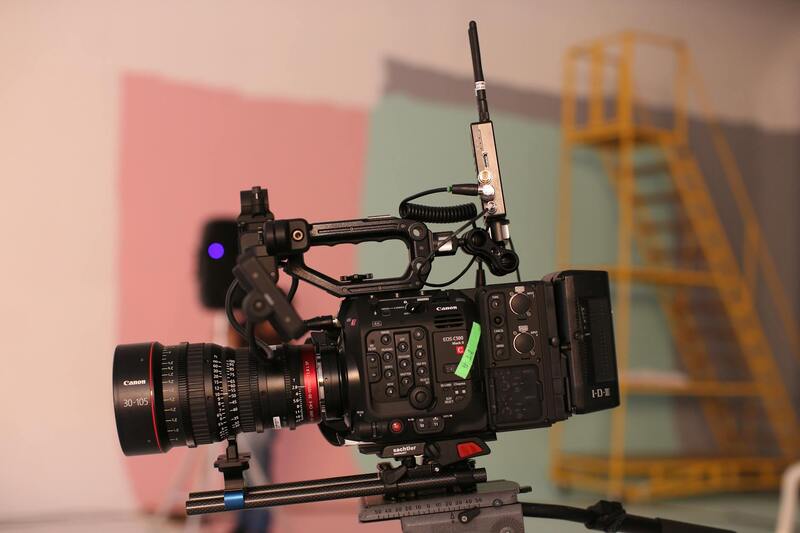
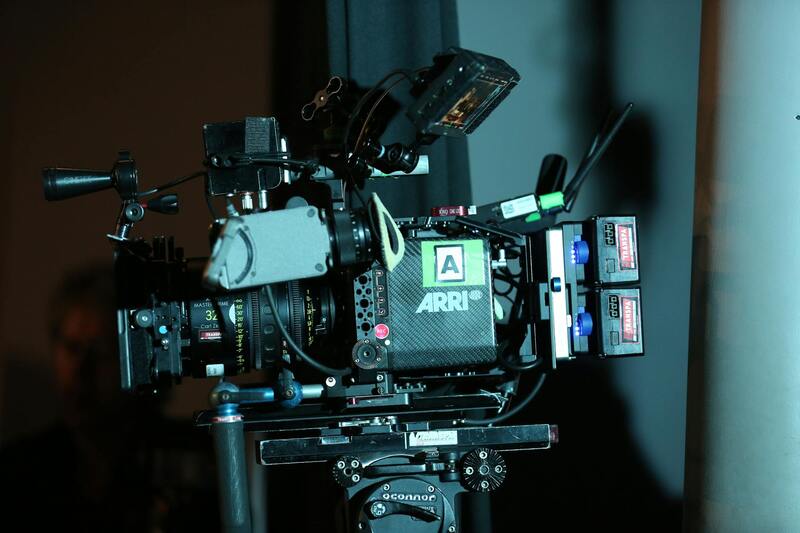
Utilizing state-of-the-art equipment is fundamental to ensuring a polished and engaging livestream. High-quality cameras serve as the cornerstone of the visual experience, capturing clear, vibrant footage that draws viewers into the event. These cameras often feature high-definition sensors, versatile lenses, and advanced stabilization technology, enabling smooth, crisp imagery even in dynamic or challenging environments.

Switching hardware, such as professional video switchers, allows producers to seamlessly transition between multiple camera feeds, graphics, and video sources. This equipment ensures smooth visual continuity and enables real-time overlay insertion, making broadcasts more dynamic and visually compelling. Incorporating hardware that can handle multiple inputs concurrently is vital for complex productions, especially during multi-camera events.
Audio quality is equally significant; professional microphones and sound mixers eliminate background noise and emphasize speech clarity. Clear audio ensures that the audience fully engages with the content, which is especially critical for live interviews, panel discussions, or performances. Advanced audio processing devices can also provide noise reduction and echo cancellation, enhancing the overall listening experience.
Streaming platforms and encoding hardware directly impact broadcast stability and reach. Reliable encoders convert high-quality video and audio into compressed formats suitable for transmission over the internet, minimizing latency and buffering issues. Integrating robust streaming platforms that support adaptive bitrate streaming significantly improves viewer experience across different network conditions.
Efficient use of this advanced technology requires an experienced technical team capable of configuring and operating equipment during live events. Proper calibration, troubleshooting, and maintenance are essential to prevent interruptions and ensure a seamless broadcast.

Investing in professional-grade equipment and maintaining up-to-date technology infrastructure underscores a commitment to delivering exceptional live content. It also provides a foundation for scaling operations, experimenting with innovative broadcasting features, and meeting the rising expectations of digital audiences.
On-site Setup and Technical Support
Executing a successful livestream hinges on meticulous on-site setup and dedicated technical expertise. Professional livestreaming production services deploy skilled technicians who oversee the deployment of equipment, ensuring all components function seamlessly throughout the event. This includes the strategic placement of cameras to capture engaging visuals from various angles, and the precise calibration of lighting systems to optimize visibility and mood. Adequate power sources and backup systems are essential, preventing disruptions caused by outages or technical failures.
Additionally, audio setups such as microphone arrays, mixers, and soundproofing elements are calibrated to enhance clarity and reduce unwanted noise. The integration of wireless and wired connections ensures stable and high-speed data transmission, which is indispensable for maintaining broadcast integrity. Regular testing of all hardware prior to the event helps identify potential issues, allowing the team to address them proactively.
Technical support personnel are on-site throughout the livestream to monitor signal strength, troubleshoot synchronization issues, and adapt to unforeseen challenges swiftly. Their presence guarantees that the live broadcast proceeds smoothly, with minimal latency or quality degradation. This comprehensive setup process forms the backbone of high-caliber livestreams, ensuring professional presentation and continuous operation regardless of the event's complexity.
Content Delivery and Platform Integration
Effective content delivery involves integrating robust streaming platforms with advanced encoding solutions, optimizing the transmission of live video and audio to viewers across diverse devices and network conditions. Hosting platforms chosen by professional livestreaming providers support high scalability, adaptive bitrate streaming, and multi-bitrate encoding, which collectively ensure that viewers experience minimal buffering and clear visuals regardless of their internet speed.
Streamline platform integration by utilizing APIs and content management systems that facilitate real-time control over broadcast parameters, chat features, and viewer analytics. This integration allows for customized user experiences, including live polls, Q&A sessions, and interactive overlays that heighten engagement.
Quality assurance during this phase involves rigorous testing of the streaming pipeline, from capturing footage to encoding, transmission, and playback. These tests verify synchronization between audio and video, proper functioning of overlays, and stability over extended periods.
An end-to-end approach to content delivery ensures consistency and professionalism, translating to increased viewer satisfaction and higher engagement rates. Implementing this with precision guarantees that the event’s core message is conveyed effectively, regardless of platform or device.
Ensuring Broadcast Reliability and Quality
Reliability is at the heart of any professional livestreaming operation. To maintain high quality throughout the event, providers employ multiple layers of redundancy, including backup internet connections, feed sources, and power supplies. This redundancy offers resilience against potential technical failures, ensuring the broadcast remains uninterrupted.
Optimal network bandwidth allocation and real-time monitoring tools enable technicians to identify and resolve issues proactively. Adaptive streaming technology plays a crucial role by dynamically adjusting the quality of the stream based on real-time network conditions, preventing buffering and lagging.
Dedicated bandwidth management ensures consistent data flow, while encoders with error correction capabilities maintain video and audio quality even during fluctuating network signals. Signal strength and latency are continuously supervised, with backup systems ready to take over instantly should primary feeds encounter issues.
Regular maintenance and rigorous testing prior to the event minimize risks, while detailed contingency plans allow teams to swiftly implement corrective actions if needed. This comprehensive approach results in a reliable broadcast that maintains professional standards from start to finish.
Post-Event Services and Content Repurposing
Post-event support is vital for maximizing the value of the livestream content. After broadcasting, professional services include editing raw footage to produce highlight reels, on-demand videos, and promotional snippets. These assets can be repurposed for marketing campaigns, social media, or archival purposes, broadening the reach of the event beyond the live moment.
Content licensing, digital distribution, and secure storage ensure that recordings are preserved with integrity and accessibility. By analyzing viewer engagement metrics, content strategists can refine future productions and identify audience preferences.
Additionally, some service providers offer social media clipping, short-form video edits, and transcription services to enhance post-event marketing efforts. This comprehensive post-broadcast process extends the event’s impact, fostering ongoing engagement and creating additional revenue streams.
Proper content management ensures that the event’s message reaches a broader audience, providing measurable returns on investment while reinforcing the brand’s presence in the digital sphere.

Advanced Technical Support and On-Site Setup
Successful livestreaming production hinges on meticulous on-site setup and dedicated technical support. Professionals in this field coordinate a comprehensive logistics plan that ensures all equipment—cameras, switchers, audio systems, and streaming hardware—are correctly installed and optimized for the event’s requirements. This involves strategic placement of cameras for optimal angles, secure mounting of lighting, and ensuring all cabling and power sources are safely arranged to prevent disruptions.
Experienced technicians conduct rigorous testing of all systems prior to the event, checking for issues related to connectivity, audio clarity, video quality, and synchronization. This preemptive approach mitigates potential technical failures and guarantees a seamless broadcast experience.
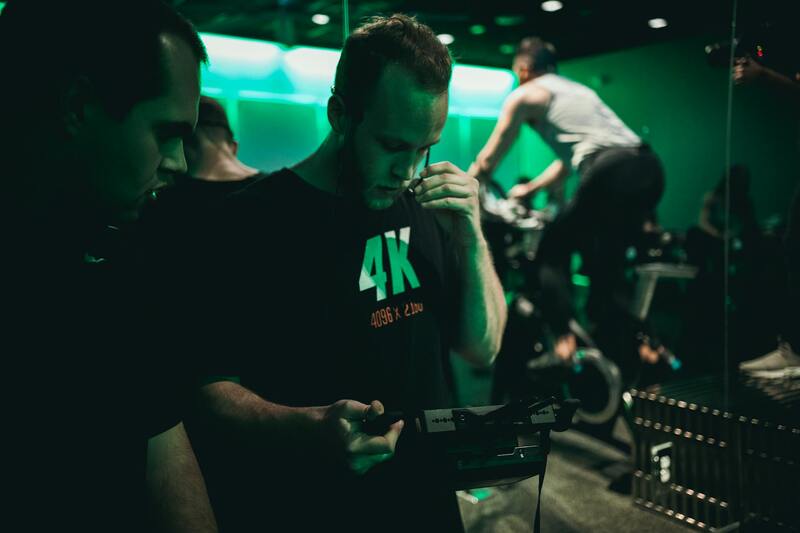
During the live event, real-time technical support is critical. Support teams monitor data streams, troubleshoot unforeseen issues, and make instantaneous adjustments to maintain broadcast integrity. Whether it’s dealing with network fluctuations, resolving audio glitches, or managing multiple camera feeds, on-site technicians serve as the backbone of a smooth live production.
The coordination extends to managing multiple production elements, including graphics, overlays, and on-screen information, which enhance viewer engagement and reinforce the event’s professional presentation. Effective communication protocols among crew members facilitate swift problem resolution, which is essential for maintaining broadcast quality in dynamic environments.
Ensuring Broadcast Reliability and Quality
Achieving a dependable livestream hinges on meticulous attention to broadcast reliability and picture quality. Professional livestreaming production services leverage advanced hardware and software solutions to minimize latency, prevent buffering, and maintain high-resolution streams. This involves deploying redundant systems such as backup encoders and power supplies, ensuring uninterrupted streaming even if unforeseen technical issues arise. Network stability is also critical; dedicated high-speed internet connections, often with multiple failover options, are used to sustain consistent data transfer rates. These measures collectively prevent drops in the livestream and maintain seamless visual and audio clarity throughout the event.
Quality assurance protocols are integral to this process. Real-time monitoring dashboards allow technical teams to observe stream metrics continually, swiftly identifying and resolving issues before they impact viewers. Professional-grade cameras, switchers, and audio equipment contribute to a sharp, vibrant broadcast that accurately portrays the event's atmosphere. Well-trained operators manage camera angles, lighting levels, and audio levels dynamically, adjusting as conditions change on-site. This level of precision ensures a polished broadcast that upholds the event's integrity and viewers’ expectations for crisp visuals and clear sound.

Implementing proper encoding settings and optimizing data compression techniques also play a vital role in delivering a smooth viewing experience. By balancing file size with visual quality, production teams ensure that streams are both visually impressive and efficient for viewers across diverse devices and network conditions. Combining these technical strategies with experienced personnel ensures that every aspect of the broadcast operates flawlessly, present in both the technical execution and final output seen by audiences.
Every component—from signal capture to final transmission—is carefully engineered and monitored, positioning professional livestreaming as a reliable means of reaching audiences regardless of event scale or complexity. This comprehensive focus on broadcast reliability and quality underscores the dedication of Miami-based production providers to deliver excellence, fostering a positive reputation that drives continued trust in their services.
Comprehensive Methods to Enhance Livestreaming Production Reliability and Quality
Achieving a seamless live broadcast requires meticulous planning, advanced technology, and unwavering technical support. Engaging experienced production teams employs a combination of best practices, industry-leading equipment, and proactive management strategies to minimize disruptions and ensure high-quality delivery throughout the event. Here are key methods used by professional livestreaming production services to maintain broadcast reliability and deliver consistent, professional-grade content.
Robust Network Infrastructure and Redundant Systems
One of the foundational elements in ensuring stream stability is establishing a resilient network setup. High-bandwidth internet connections with dedicated lines reduce the risk of latency or interruptions. Establishing backup internet sources, such as cellular data uplinks or secondary fiber connections, allows seamless failover in case of primary network failure. This redundancy is vital for maintaining continuous transmission, especially during crucial moments of an event. Additionally, employing high-quality routers and switches configured for optimal data flow helps manage traffic effectively, preventing packet loss and ensuring smooth data delivery.
Advanced Compression and Encoding Techniques
Ensuring optimal video and audio quality while efficiently utilizing bandwidth hinges on sophisticated encoding practices. Professional broadcasters utilize industry-standard encoding software that offers adjustable bitrates, adaptive streaming protocols, and intelligent data compression algorithms. These tools dynamically adjust stream quality based on viewers’ network conditions, preventing buffering or degradation. Proper encoding settings also reduce latency, provide crisp visuals, and enhance synchronization between audio and video streams, resulting in a more engaging viewer experience.
Regular Equipment Maintenance and Calibration
To uphold broadcast standards, routine maintenance and calibration of all production equipment are essential. High-grade cameras, switchers, audio mixers, and data encoders are meticulously checked before events. Calibration ensures consistent color accuracy, proper audio levels, and optimal lighting conditions. This proactive approach mitigates equipment failure risks, reduces the likelihood of technical issues during the live event, and guarantees high fidelity in the final output.
Monitoring and Real-Time Troubleshooting
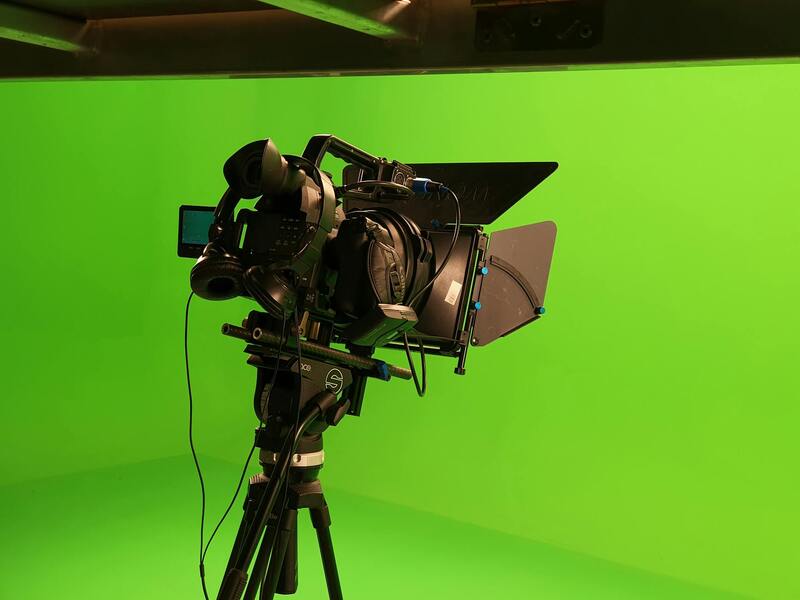
During live streams, a dedicated technical support team continuously monitors the stream’s health, quality metrics, and platform feedback. Using real-time analytics dashboards, operators can detect potential problems such as dropped frames, audio anomalies, or data inconsistencies. Rapid response teams are prepared to switch streams, troubleshoot hardware or network issues on-the-fly, and implement corrective actions without disrupting the broadcast. This vigilance ensures the event remains uninterrupted and meets the audience’s expectations for professionalism and quality.
Effective Data Management and Security Protocols
Securing your content and maintaining stream integrity involve implementing robust encryption methods and access controls. Properly configured firewalls, secure streaming keys, and encrypted data channels prevent unauthorized access and data breaches. Protecting content during transmission ensures that only authorized viewers can access the broadcast, which is especially critical for proprietary or confidential events. Additionally, employing content delivery networks (CDNs) optimizes distribution and enhances stream stability across diverse geographic locations, ensuring a reliable viewing experience worldwide.
Incorporating these core practices creates a resilient broadcasting environment capable of handling the dynamic demands of live events. Professional livestreaming services blend technology, expertise, and strategic planning to deliver broadcasts that consistently meet high standards of quality and dependability.
Advanced Content Delivery and Platform Integration
Effective content delivery forms the backbone of a successful livestreaming event. Professionals ensure that streams are optimized for seamless delivery across multiple platforms, including social media channels, dedicated websites, and third-party streaming services. This involves configuring streaming protocols such as RTMP (Real-Time Messaging Protocol) or HLS (HTTP Live Streaming), which facilitate adaptive bitrate streaming, optimizing viewer experience regardless of varying internet speeds. By employing multi-platform encoders and distribution tools, producers can simultaneously broadcast to several channels, expanding audience reach without sacrificing quality.
Platform integration also requires compatibility checks between streaming hardware and software solutions, ensuring synchronized operations. Live monitoring dashboards allow producers to oversee multiple streams from a centralized interface, facilitating real-time adjustments for latency, quality, and synchronization issues. This coordination is vital for preserving professional presentation and audience engagement during large-scale or multi-location events.
Utilizing Content Delivery Networks (CDNs)
To enhance broadcast reliability, providers leverage CDNs which distribute content across multiple geographically dispersed servers. This reduces load on a single server, minimizes buffering, and eliminates lag, especially for international audiences. CDNs also offer scalability, accommodating increases in viewer numbers without degradation in stream quality, thus ensuring a consistently high-standard viewing experience. Integrating CDN services with streaming platforms demands detailed configuration and continuous performance assessments to adapt to changing audience demands.
Quality Assurance and Real-Time Monitoring
Once the content is live, ongoing monitoring is essential. Professional operators track metrics such as bit rate, packet loss, and latency through sophisticated analytics platforms. Real-time feedback enables immediate troubleshooting; if viewers report buffering or lag, adjustments are swiftly made to rectify the issue. This proactive approach maintains a professional broadcast presentation and prevents viewer dissatisfaction.
Implementing Secure Streaming Protocols
Security measures include encrypted data channels and secure tokens that restrict access to authorized viewers only. Live stream encryption prevents malicious interference and unauthorized recording, safeguarding sensitive content. Additionally, employing digital rights management (DRM) techniques protects intellectual property. These measures not only secure the content but also build trust with clients who value confidentiality and data security in their events.
Ensuring Broadcast Reliability and Quality
Achieving a seamless live streaming experience hinges on meticulous infrastructure management and stringent quality control protocols. Technical redundancies, such as backup servers and additional network pathways, are fundamental to guarantee uninterrupted content delivery, especially during critical moments of a broadcast. These redundancies are configured to activate instantly if primary systems encounter issues, thereby minimizing potential disruptions and maintaining viewer engagement.
Advanced encoding hardware is employed to optimize the video and audio signals prior to transmission, ensuring that streams maintain high resolution and clarity across a variety of devices and network conditions. Continuous bandwidth monitoring allows streaming providers to adapt the flow of data dynamically, preventing bottlenecks and buffering scenarios that could compromise the viewer experience.
Reliable delivery also depends on sophisticated content distribution strategies. Content Delivery Networks (CDNs) play a vital role by dispersing streams across globally distributed servers, which reduces latency and accelerates load times. This decentralized approach enhances resilience against localized network failures and fluctuating internet speeds, offering smooth viewing regardless of geographic location.
Rigorous testing procedures are integral to the deployment process, including pre-broadcast dry runs to verify all technical components. These simulations identify potential weak points, allowing teams to address issues proactively. During the live event, dedicated technical staff monitors broadcast metrics in real time, ready to implement swift remedies should anomalies arise. Such vigilance guarantees the consistency of broadcast quality, reinforcing the professionalism of the event and fostering trust with viewers.
Post-Event Services and Content Repurposing
The conclusion of a live event does not mark the end of its impact. Post-broadcast, content can be archived for on-demand access, providing ongoing engagement opportunities. High-quality recordings enable content repurposing, such as creating highlight reels, social media snippets, or promotional videos that extend the event’s reach.
Professionally edited post-event materials serve beyond marketing—they also facilitate stakeholder reporting and archive valuable content for future use. Organizations frequently leverage these assets for training, internal presentations, or as supplemental material that complements the primary livestream.
Insightful analytics gathered during the broadcast are analyzed to evaluate audience engagement, technical performance, and overall success metrics. These insights inform improvements in subsequent productions, paving the way for continual enhancement of streaming strategies and execution standards.