
Understanding Live Streaming in Video Production
Live streaming has revolutionized the way organizations, event organizers, and content creators share their messages with audiences in real-time. Within the realm of video production, live streaming refers to the process of transmitting live video content over the internet, allowing viewers to experience events as they happen from any location. As Miami continues to grow as a hub for media and entertainment, the demand for professional live streaming services has surged, driven by the need for high-quality, reliable broadcasts that engage viewers across digital platforms.
In the context of Miami’s vibrant event scene, live streaming plays a pivotal role in expanding reach and enhancing audience engagement. Whether it’s a corporate conference, a music festival, a sports event, or a religious gathering, live streaming makes it possible to broadcast seamlessly to large, geographically dispersed audiences without compromising on quality.

One of the primary advantages of live streaming in video production is its immediacy. Unlike recorded content, live streams create a sense of urgency and exclusivity, encouraging viewer interaction and participation. This immediacy can be vital for product launches, press conferences, and community events that benefit from real-time feedback and instant communication.
The growing importance of live streaming is also reflected in its ability to enhance accessibility. With internet penetration and smartphone usage at an all-time high, audiences in Miami and beyond can easily access live content through desktops, tablets, or mobile devices. This accessibility has made live streaming an essential component for businesses aiming to expand their digital footprint and foster stronger relationships with their audiences.
Effective live streaming in Miami demands a comprehensive understanding of both content delivery and technical execution. It involves meticulous planning to ensure that every aspect, from audio and video quality to platform choice, aligns with the event’s goals. Moreover, leveraging professional equipment and experienced technicians can significantly improve the overall quality, reliability, and engagement of the broadcast.
In conclusion, live streaming within video production is a dynamic and vital tool that bridges the gap between organizers and audiences. As technological advancements continue to evolve, Miami-based content creators and event hosts must adopt state-of-the-art solutions to deliver compelling, high-quality broadcasts that resonate with viewers, preserve brand reputation, and maximize viewer engagement across multiple channels.
Understanding Live Streaming in Video Production
In the realm of modern video production, live streaming has emerged as an indispensable technique for real-time content dissemination across diverse industries and event types. Unlike traditional recorded broadcasts, live streaming offers immediacy, engagement, and a dynamic interaction platform that can significantly elevate brand visibility and audience participation. When executed properly, it bridges the physical gap between content creators and viewers, creating an immersive experience that fosters genuine connection and instant feedback.
To achieve a successful live streaming event, understanding the core components and technical requirements is crucial. The content must be delivered with clarity and stability, which necessitates a combination of advanced hardware and robust infrastructure. Platform selection is equally important, as different services offer varied features such as scalability, latency, interactivity options, and integration capabilities with social media sites. As the demand for high-quality live streams increases, leveraging professional-grade equipment and experienced technical teams becomes essential to meet the expectations for professionalism and reliability.
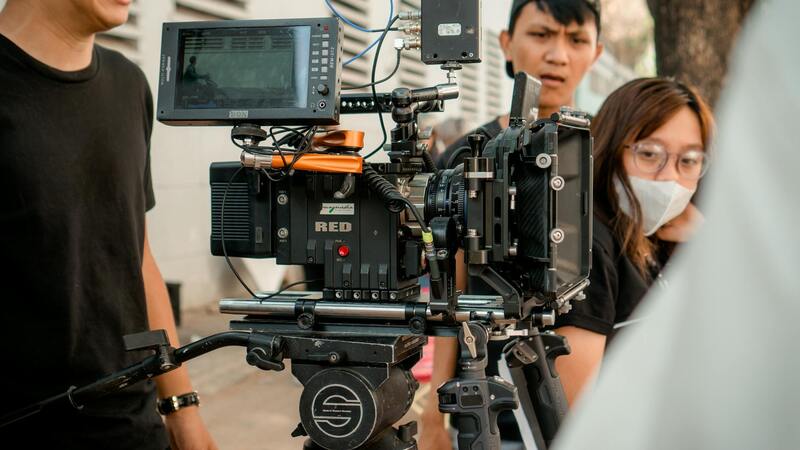
In a highly competitive digital environment like Miami, where numerous events, corporate functions, and entertainment productions take place, deploying a well-organized live streaming strategy can vastly enhance the overall impact of the event. Every element, from pre-event planning to post-broadcast evaluation, plays a role in ensuring a seamless viewer experience. Advanced encoding technology is employed to convert raw audio and video signals into digitally compressed streams compatible with various devices and platforms, reducing buffering and lag issues. Furthermore, network stability and bandwidth capacity are meticulously managed to prevent interruptions that could detract from the broadcast quality.
By integrating multi-camera setups, professional audio mixing, and graphic overlays, broadcasters can create visually compelling streams that mimic the production quality of traditional television. This level of professionalism not only secures viewer trust but also boosts brand authority and credibility. Continuous innovation in streaming technology, such as low-latency protocols and adaptive bitrate streaming, further enhances the viewing experience, making live content more accessible and enjoyable across different devices and network conditions.
In summary, a comprehensive understanding of live streaming in video production encompasses the strategic use of cutting-edge equipment, platform selection, and technical expertise. For businesses and event organizers in Miami aiming to maximize their outreach, partnering with experienced providers who specialize in live streaming ensures that content is delivered seamlessly, professionally, and with the highest visual and audio standards. As the technology evolves, maintaining a focus on quality and viewer engagement remains paramount to leveraging live streaming as a powerful communication tool.
Setting Up for a Live Stream
Effective setup is fundamental to ensuring a seamless and high-quality live streaming experience. This phase involves meticulous preparation of both hardware and software components to minimize technical disruptions during the broadcast. Prior to going live, professionals typically conduct comprehensive equipment checks, verifying the functionality of cameras, microphones, and encoding devices. Additionally, testing internet connectivity is critical; it's advised to utilize wired Ethernet connections whenever possible to ensure stability, especially given the high bandwidth demands of professional streaming.
In the context of Miami-based events, unique logistical considerations often come into play, such as accommodating outdoor venues or locations with variable network infrastructure. For such environments, mobile internet solutions like bonded cellular networks can serve as reliable backups, preventing interruptions caused by fluctuating local bandwidth conditions.

During setup, configuring streaming software is essential. This involves selecting the appropriate platform, adjusting bitrate settings to match available bandwidth, and integrating graphical overlays or branding elements to enhance viewer engagement. For multi-camera productions, switching equipment must be configured to allow smooth transitions and real-time audio mixing.
Equipment calibration is another vital step. This includes balancing audio levels, ensuring proper camera angles, and verifying that all visual elements are correctly displayed. Conducting a brief rehearsal simulates the actual broadcast environment, allowing technical teams to identify and resolve potential issues before the live event. This proactive approach reduces the risk of technical failures and ensures a polished final product for Miami audiences and viewers tuning in remotely.

Another strategic consideration involves coordinating with venue staff or other local suppliers. Establishing clear communication channels ensures that logistical aspects such as power sources, internet access, and space for equipment are adequately addressed. Given Miami’s dynamic event landscape, flexibility and preparedness are key to adapting setup procedures to various venue conditions and technical environments, ultimately contributing to a professional and interruption-free live stream.
Understanding Live Streaming in Video Production
Live streaming has become an integral component of modern video production, especially for events seeking real-time engagement with audiences across Miami and beyond. This technology enables seamless transmission of live content over the internet, leveraging robust broadcasting infrastructure and advanced software solutions. To execute a successful live stream, content creators and event organizers must understand the fundamental principles that underpin this process, including the technical requirements, platform selection, and audience engagement strategies.
Live streaming in Miami requires precise synchronization of various technical elements, from camera setups to encoding devices, ensuring the final output is smooth, high-quality, and latency-minimized. It involves capturing live video feeds, compressing the data through encoding software, then distributing it via CDNs (Content Delivery Networks) or streaming platforms such as YouTube Live, Facebook Live, or bespoke services tailored to specific event needs. The ability to deliver real-time visuals and audio to viewers without interruption hinges on meticulous planning, hardware reliability, and consistent network performance.
In terms of content delivery, best practices include establishing clear communication channels with the audience, integrating chat or Q&A features for interaction, and applying branding or graphical overlays to reinforce event identity. These aspects enhance viewer experience and increase engagement levels. Importantly, live streaming also offers the potential for producing multi-camera events, requiring switchers and advanced workflows to maintain professional visual standards and dynamic transitions.
To ensure optimal performance, thorough technical rehearsals are critical. Conducting test streams allows production teams to evaluate signal quality, troubleshoot software and hardware issues, and confirm that all visual and audio elements function as intended. This proactive approach mitigate disruptions during the live event, especially in complex setups or venues where internet and power supply might be variable.
Furthermore, understanding the audience’s preferences and viewing habits in Miami influences content design and platform choices. Analyzing viewer metrics and feedback post-broadcast helps refine future live streams, fostering continuous improvement and audience retention. The evolving landscape of live streaming technology also demands staying current with innovations such as 4K broadcasting, virtual sets, or augmented reality, which can enhance the overall production quality and viewer immersion.
Effective live streaming in Miami is underpinned by adherence to proven technical standards and robust infrastructure. From selecting the right hardware components to implementing secure and reliable internet connections, every aspect contributes to the success of the broadcast. It also involves collaborating with experienced professionals who understand local logistics, venue challenges, and audience engagement strategies, aligning resources and expertise to generate compelling live experiences.
Prioritizing routine maintenance and testing of equipment ensures consistent performance. This includes verifying camera calibrations, ensuring encoding settings match streaming platform requirements, and confirming backup systems are on standby in case of hardware failure. The technological ecosystem supporting live streaming must be resilient, capable of adapting swiftly to unforeseen issues. Ultimately, understanding the complexities of live streaming in video production enables creators and event organizers to deliver engaging, professional broadcasts that resonate with viewers and meet their expectations. Emphasizing quality control, audience interaction, and technological adaptability ensures production success even in dynamic Miami environments, reinforcing the credibility and reach of the event content.
Execution and Management During Live Broadcasts
During a live streaming event, effective execution and management are vital to maintain a professional appearance and ensure viewer satisfaction. This phase involves real-time oversight of all technical components, including video feeds, audio channels, and streaming stability, to prevent disruptions and deliver a seamless experience. Experienced production teams employ sophisticated tools for live monitoring, allowing operators to track system performance continuously and detect issues promptly.
Key tasks during the broadcast include dynamically switching between camera angles to showcase different perspectives, overlaying graphics or titles when necessary, and managing audio levels across multiple sources to provide a balanced sound. Precise coordination among crew members ensures that transitions are smooth and interruptions are minimized. For instance, using multi-view monitors enables live editors to oversee all video inputs simultaneously, facilitating quick adjustments in response to unforeseen circumstances.
Handling unexpected issues swiftly is fundamental. Common challenges may include internet disruptions, audio feedback, or hardware malfunctions. Having backup equipment and redundant internet connections in place significantly mitigates risk. Real-time troubleshooting also involves communicating clearly with the team and, if needed, making swift decisions to pause or adjust the stream content to maintain professionalism.
Technical staff should be vigilant about maintaining a stable internet connection, verified by continuous speed tests and connection monitoring tools. Additionally, audio engineers must ensure clarity and consistency by frequently checking microphone levels and sound quality. When managing the broadcast, it's essential to keep logs of any issues and resolutions, contributing to ongoing improvements for future live streams.

Post-Stream Evaluation and Content Repurposing
Once the live event concludes, a comprehensive review process is necessary to assess performance and collect actionable insights. This involves analyzing stream analytics, viewer engagement metrics, and technical performance reports to identify strengths and areas for improvement. Gathering feedback from viewers and stakeholders also provides valuable perspectives on content relevance and production quality.
Repurposing live stream content extends its value beyond the initial broadcast. Edited clips, highlight reels, or full recordings can be optimized for multiple platforms, including social media, websites, or promotional campaigns. Proper post-production editing enhances visual and audio quality, ensuring the content remains engaging and professional. Furthermore, archiving the raw footage enables future use for training, reference, or creating new content, maximizing return on investment and expanding audience reach.
Implementing a detailed post-broadcast review and content repurposing strategy helps streamline future productions, refine technical workflows, and strengthen overall content delivery. Consistent evaluation supports continuous improvement, ensuring that each live streaming event builds upon past successes to deliver increasingly compelling viewer experiences.
Implementing Official Methods for Reliable Live Streaming
To ensure a consistent and professional live streaming experience, using officially supported and established methods for content delivery is paramount. The integration of reputable streaming protocols and standardized platforms enhances the stability and quality of broadcasts. For instance, RTMP (Real-Time Messaging Protocol) remains a foundational technology, enabling secure and low-latency transmission of video and audio streams from production facilities to CDN (Content Delivery Networks) for distribution. Such protocols are widely adopted across industry leaders and are embedded in most reliable live streaming solutions.
Employing official Content Delivery Networks (CDNs) ensures that live streams are efficiently distributed to audiences across geographic locations. CDNs like Akamai, Amazon CloudFront, or Cloudflare are trusted entities with robust infrastructure, designed to handle large data loads while minimizing buffering and lag. Selection of a CDN that aligns with your streaming goals guarantees high uptime and swift content delivery, critical for maintaining viewer engagement during live events.
Secure transmission channels, including HTTPS protocols, should be standard practice. These protocols encrypt streams, protecting content from interception and unauthorized access. Implementing end-to-end encryption using official SSL/TLS certificates safeguards stream integrity, especially for sensitive or proprietary content, adding an extra layer of reliability to the live broadcast.

Additionally, adopting industry-standard software solutions such as OBS Studio, vMix, or Wirecast—recognized for their stability and extensive support—can significantly improve production quality. These tools often include integrated features for streaming directly through authenticated services, high-definition output, and multi-source switching, all of which contribute to seamless and professional broadcasts.
Advancing with Authentic Hardware and Infrastructure
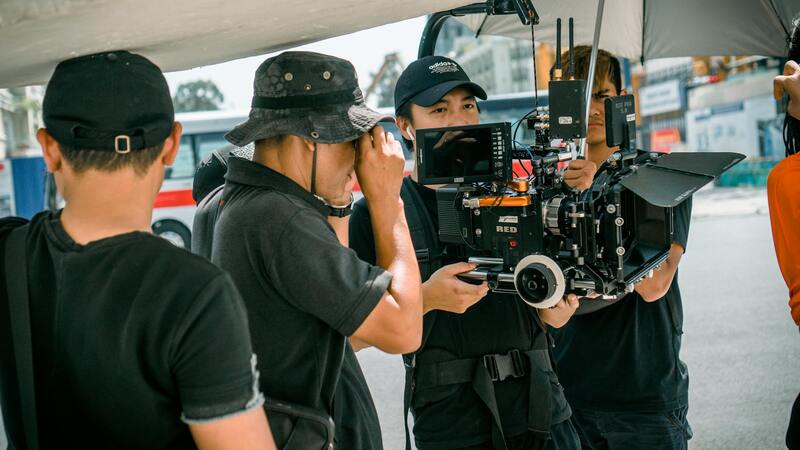
At the core of any successful live streaming operation is the use of certified hardware components. High-quality cameras, professional audio equipment, and broadcast-grade encoders ensure clear visuals and crisp sound. Using hardware encoders like Teradek or Matrox devices, which adhere to industry standards, reduces latency and prevents stream disruptions. Proper network infrastructure, with dedicated bandwidth and redundant connections, further guarantees uninterrupted transmission, especially during high-traffic live events.
Implementing an infrastructure that supports official standards not only reduces technical errors but also fosters a trustworthy brand image. Equipment warranties, regular maintenance, and adherence to manufacturer specifications contribute to consistent performance, reinforcing the reputation of the production team.
Enhancing Content Authenticity Through Certified Solutions
Incorporating certified solutions for encoding, transmission, and distribution aligns with best practices for engaging audiences effectively. These solutions come with comprehensive technical support, security features, and compliance with broadcasting standards, minimizing the risk of technical failures. Regular updates and adherence to official software and hardware guidelines foster compatibility and innovation, facilitating a smooth transition into emerging live streaming technologies.
By choosing reputable providers and certified tools, content creators and organizations can confidently deliver live streamed content that meets industry expectations for quality, security, and reliability. Standardized methods ensure compatibility across devices and platforms, expanding reach and maximizing engagement across diverse viewer bases.
Understanding Live Streaming in Video Production
Live streaming in video production involves broadcasting real-time video content over the internet to a dispersed audience. This process requires meticulous planning, technical expertise, and high-quality equipment to ensure seamless transmission and optimal viewing experiences. Unlike pre-recorded content, live streams present unique challenges, such as network stability, latency management, and synchronization of audio-visual components. Proper understanding of these elements enables production teams to deliver content that is both engaging and free from technical disruptions.
Technical Foundations of Live Streaming
The core of a successful live stream hinges on a robust technical setup that includes encoding hardware, reliable internet connections, and efficient distribution channels. The encoder converts raw audio and video signals into digital data suitable for live transmission. This process must be performed with high-quality, officially certified encoding solutions to maintain the integrity of the broadcast and prevent data loss. Additionally, choosing a transmission protocol optimized for live streaming, such as RTMP or SRT, ensures stable delivery even during high-demand broadcasts.
Advantages of Professional Live Streaming
- Enhanced viewer engagement through smooth, high-definition content delivery
- Ability to reach global audiences without geographical restrictions
- Real-time interactivity via chat, polls, and Q&A sessions that foster audience participation
- Brand visibility and reputation boost through consistent, high-quality broadcasts
- Comprehensive analytics to assess viewer behavior and optimize future content
Ensuring Content Security and Quality
Implementing secure streaming protocols helps protect content integrity and control access. This includes utilizing encrypted transmission methods and secure tokens for authentication, especially when streaming sensitive or proprietary material. Additionally, adherence to predefined bandwidth specifications and redundancy strategies, such as multiple internet connections and backup servers, safeguards against interruptions that can compromise the viewer experience.
Technical support and ongoing quality assessments are vital components of maintaining professional standards. Regularly updating streaming hardware and software, as well as conducting test runs before full broadcasts, minimize the risk of unforeseen issues during actual live events. This proactive approach boosts confidence in your streaming capabilities and reinforces your reputation as a reliable content provider.
Ensuring Optimal Performance and Security in Live Streaming
To maintain a high-quality viewer experience and safeguard your content during live streams, implementing robust technical safeguards is essential. This encompasses the utilization of advanced encryption methods such as Secure Socket Layer (SSL) and Transport Layer Security (TLS) protocols, which encrypt the data transmitted between your streaming server and viewers’ devices. These measures help prevent unauthorized access and ensure that content is delivered securely, especially when streaming sensitive or proprietary material.
Another critical aspect is the deployment of secure authentication mechanisms. Token-based authentication, for example, allows you to control access to your streams by generating unique, time-sensitive tokens for authorized viewers. This prevents unauthorized sharing of stream links and ensures that only intended audiences can access the content. Moreover, integrating Digital Rights Management (DRM) systems can provide additional protections for copyrighted material, giving content creators control over distribution and usage rights.
Maintaining Reliable Streaming Infrastructure
Redundancy forms the backbone of a reliable live streaming setup. Employing multiple internet connections—such as fiber optic, wireless, and LTE—ensures that a failover is available should one connection experience issues. This diversification reduces the risk of interruptions and helps maintain a steady stream even in fluctuating network conditions.
Additionally, backup servers are vital components of a resilient architecture. By replicating stream data across multiple servers, you can switch seamlessly between primary and backup servers in real time. This strategy minimizes downtime, preserves stream continuity, and enhances the overall professionalism of your broadcast.
Technical Support and Quality Assurance
Continuous technical oversight is key to a successful live streaming event. This includes conducting pre-broadcast hardware and software tests to identify potential issues and resolve them before the actual event. Regularly updating streaming equipment and software ensures compatibility with evolving standards and features, fostering optimal performance.
During live events, dedicated technical support teams monitor streams in real time, ready to address any anomalies such as buffering, audio disruptions, or video freezes. Post-broadcast, comprehensive evaluations help identify areas for improvement. Analyzing stream quality metrics, viewer engagement, and technical logs provides insights that inform future enhancements. Repurposing content—such as extracting highlight reels or creating promotional snippets—can maximize the value of the broadcasts and reach broader audiences across different platforms.
Summary of Best Practices for Secure and Reliable Live Streaming
- Implement encryption protocols like SSL/TLS for data security.
- Utilize token-based authentication to control access.
- Deploy Digital Rights Management (DRM) for protected content.
- Employ multiple internet connections for redundancy.
- Maintain backup servers and failover capabilities.
- Conduct pre-event testing and regular system updates.
- Assign dedicated technical support during live broadcasts.
- Analyze post-event metrics to optimize future streams.
- Repurpose content to extend audience engagement.