
Understanding Live Streaming Production
Live streaming production encompasses the process of broadcasting real-time video and audio content over the internet to a wide audience. As a vital component of modern communication, live streaming allows businesses, broadcasters, and event organizers to reach viewers instantly, regardless of geographic boundaries. This method of content delivery has become a cornerstone of digital media, providing immediacy, engagement, and accessibility that traditional broadcast methods often cannot match.
In today’s fast-paced digital landscape, live streaming serves diverse purposes—from virtual conferences and product launches to concerts and sports events. Its importance stems from the ability to connect audiences with content as it unfolds, enabling immediate interaction and engagement. Corporations leverage live streaming to enhance marketing strategies, facilitate remote team communication, or broadcast shareholder meetings. Event organizers depend on it to provide inclusive access to large-scale gatherings, thereby broadening their reach exponentially.
Technological advancements and increasing internet penetration have driven the growth of live streaming production, making it more sophisticated and high-quality. It’s not merely about broadcasting video; it involves an integrated approach combining quality visuals, clear audio, and seamless transmission. This process encompasses several stages—from content planning and technical setup to distribution and post-event analysis—each crucial for ensuring a smooth and professional output.
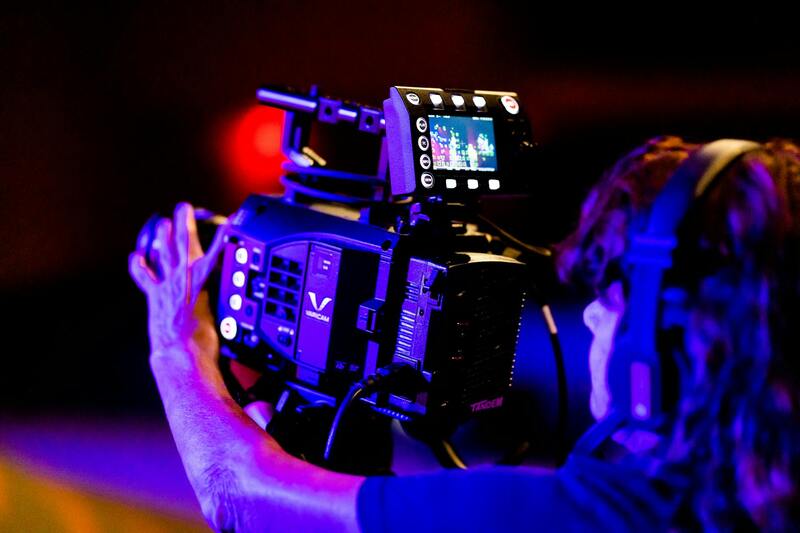
Ultimately, effective live streaming production elevates an organization’s digital presence, enhances viewer engagement, and fosters real-time interactions. As the reliance on remote content consumption continues to grow, mastering this discipline becomes indispensable for maintaining competitive relevance in the media landscape. Whether for entertainment, educational purposes, or corporate communication, live streaming provides a powerful platform to broadcast moments that matter, connecting people across distances with immediacy and impact.
Components of Live Streaming Production
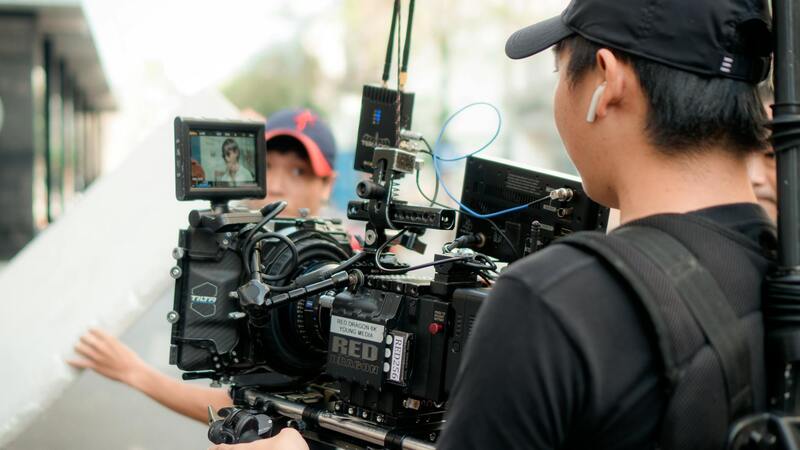
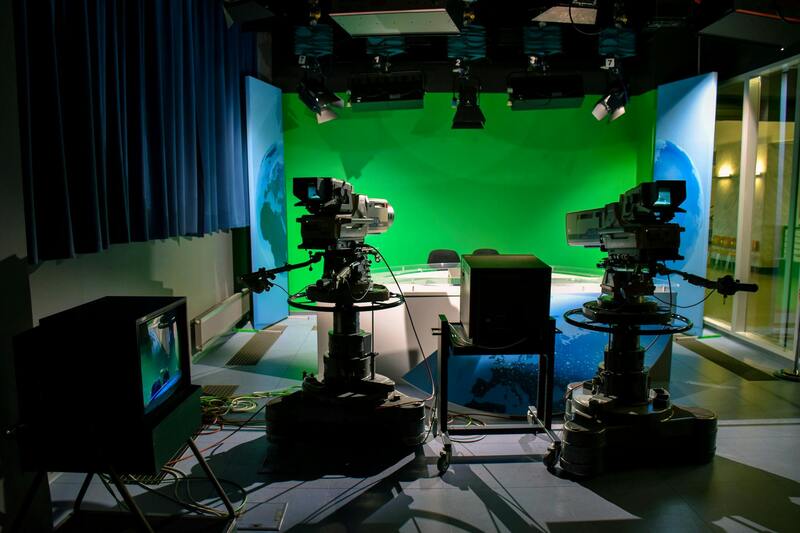
Effective live streaming production requires a combination of hardware, software, and skilled personnel to ensure a seamless broadcast. The core components include high-quality video cameras capable of capturing crisp visuals, professional audio equipment such as microphones and mixers to deliver clear sound, and reliable internet connectivity to support uninterrupted data transmission. These hardware elements must be complemented by robust streaming software that manages encoding, overlays, transitions, and real-time adjustments, all of which contribute to a polished presentation.
Another essential aspect involves production personnel, including camera operators, audio engineers, technical directors, and content producers. Their expertise ensures each element of the transmission aligns with the intended quality standards. A dedicated production team monitors the live feed, manages technical challenges, and makes on-the-fly decisions to adapt to dynamic event conditions.
For smooth integration, industry-standard hardware like switchers, capture cards, and streaming encoders are pivotal. On the software side, platforms that facilitate live editing, security, and analytics support the creation of engaging and professional content. When these components work harmoniously, the result is a broadcast with high visual fidelity, synchronized audio, and minimal latency, which significantly enhances viewer experience.

Technical Setup and Equipment
Implementing a robust technical setup is essential for delivering a seamless live streaming experience. This involves selecting high-quality cameras capable of broadcasting in various lighting conditions, such as 4K resolution models that provide crisp visuals even when zoomed in or during high-motion scenes. Coupled with professional-grade audio equipment—including wireless lavalier microphones, shotgun mics, and mixers—ensuring clear, synchronized sound is as critical as visuals.
Encoding hardware, such as dedicated streaming encoders, plays a pivotal role in converting raw footage into a digital format optimized for online delivery. These encoders should support adaptive bitrate streaming, which dynamically adjusts quality based on viewers' internet speeds, thereby minimizing buffering and ensuring a consistent viewing experience.
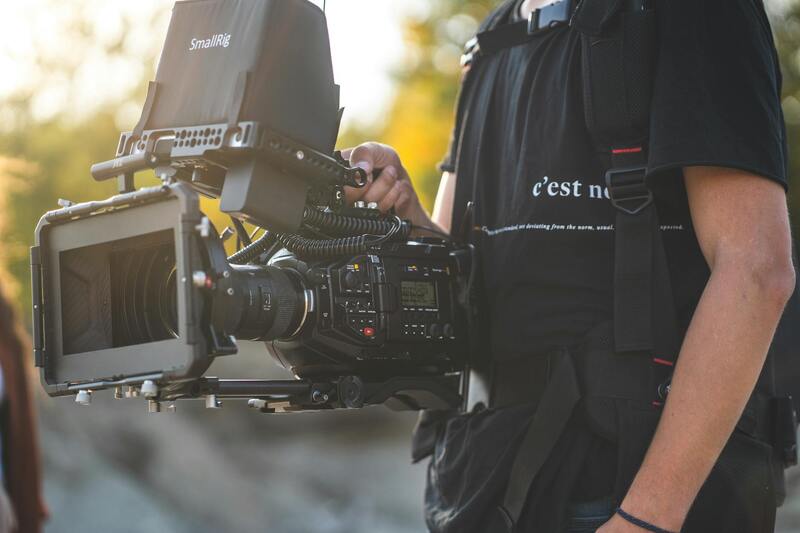
Additionally, monitoring tools like multi-viewers and real-time analytics dashboards enable production teams to oversee multiple camera feeds, manage transitions smoothly, and promptly detect any issues related to audio, video, or streaming quality. Backup equipment, including secondary encoders, extra cables, and portable power supplies, should always be on hand to mitigate unforeseen technical failures.
Network infrastructure is equally crucial. A dedicated fiber optic internet connection with high bandwidth and low latency reduces the risk of interruptions during live broadcasts. Employing dual internet setups or failover solutions ensures continuous streaming even if one connection experiences issues. Furthermore, utilizing content delivery networks (CDNs) extends the reach of the live stream across broader geographic areas, maintaining quality regardless of viewer location.
From a software perspective, choosing a reliable streaming platform integrated with features like real-time chat, viewer engagement tools, and integration with social media channels can significantly enhance audience interaction and overall broadcast professionalism. These platforms often include security measures such as encryption and secure tokens to prevent unauthorized access.
Delivery and Distribution Channels
Optimizing the distribution channels for live streaming involves careful planning to reach the target audience effectively. Popular streaming protocols include HTTP Live Streaming (HLS) and Dynamic Adaptive Streaming over HTTP (DASH), which are compatible with most devices and browsers. These protocols enable adaptive bitrate streaming, providing a buffer-free viewing experience across varied internet speeds.
Choosing the right platforms to host and distribute the live content is paramount. Streaming on well-established social media networks like Facebook Live and YouTube Live offers extensive reach and built-in engagement features. For more controlled and branded experiences, dedicated web players embedded into a website can provide a customized viewing environment, with options for branding, multi-camera viewing, and integrated chat features.
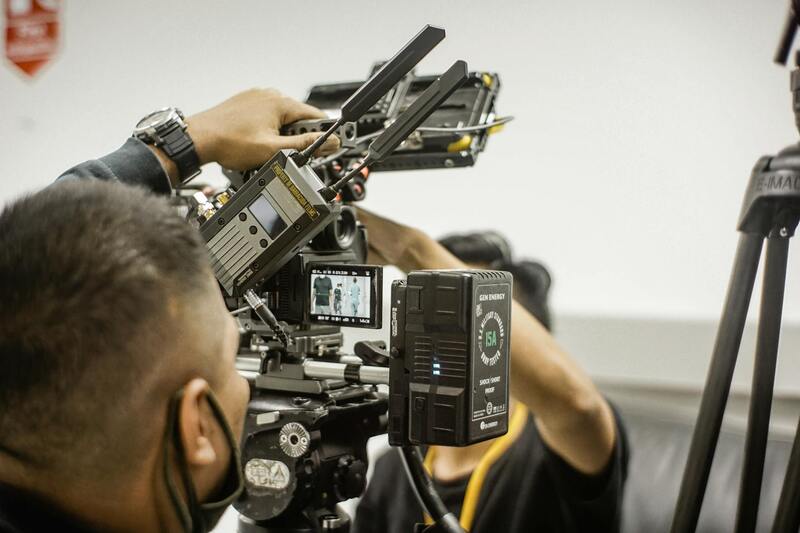
Multistreaming through services that support simultaneous broadcasting to multiple platforms maximizes exposure, attracting diverse audiences. Content delivery networks (CDNs) then distribute the stream across global networks, reducing latency and buffering by routing data through geographically optimized servers.
Moreover, implementing geo-restriction and access control measures can help tailor content delivery to specific regions or user groups, enhancing monetization efforts and compliance with local regulations. Analytics tools integrated into distribution channels offer insights into viewer behavior, engagement metrics, and stream health, allowing for ongoing optimization of future broadcasts.
Managing Live Streams in Miami
Miami's vibrant event scene requires tailored management strategies to address its unique logistical challenges. Real-time monitoring of live streams is especially vital during large-scale events to quickly identify and resolve technical issues. Dedicated streaming operators should oversee bitrate adjustments, camera switching, and audio balancing to maintain an engaging and professional broadcast.
Coordination with local internet providers and venue staff helps ensure that infrastructure remains stable throughout the event. Establishing clear communication protocols among technical teams minimizes delays and miscommunication, which could compromise stream quality or cause interruptions.
Pre-event rehearsals allow teams to troubleshoot potential issues and familiarize themselves with the venue’s technical environment. During the live event, contingency plans should be in place for equipment failures, power outages, or unforeseen disruptions. Using remote support tools can facilitate quick response and problem resolution from off-site specialists if needed.
Understanding local regulations regarding media and broadcasting rights or venue-specific requirements can streamline operations. Detailed protocols for audience management, including moderation of interactive elements and compliance with local broadcasting standards, further contribute to a smooth live streaming experience in Miami.
Technical Setup and Equipment
Establishing a reliable technical foundation is essential for successful live streaming production. High-quality video capture begins with professional-grade cameras capable of delivering crisp images even in varying lighting conditions. These cameras should be paired with robust audio equipment, including microphones and mixers, to ensure clear sound that complements the visual feed. Using multiple cameras allows for dynamic switching between perspectives, engaging viewers with a more immersive experience.
Beyond capture hardware, encoding devices play a critical role in converting raw footage into streamable data. Hardware encoders offer enhanced stability and lower latency, delivering consistent performance during high-demand broadcasts. Coupled with reliable streaming platforms, these tools facilitate seamless distribution across multiple channels.
Lighting plays a pivotal role in the overall production quality. Adequate, well-placed lighting ensures subjects are well illuminated without harsh shadows, thereby improving image clarity. Supporting accessories such as tripods, cranes, and stabilizers also contribute to smooth, professional footage.
Supplementing hardware, high-bandwidth internet connections underpin the entire operation. Ideally, dedicated fiber optic connections or bonded cellular networks are used to maintain stable upload speeds, especially during large-scale live events. Backup internet solutions should also be in place to handle potential disruptions, minimizing any risk of stream interruption.
The choice of streaming platforms or software is driven by the specific needs of the event. Popular options range from enterprise-level solutions offering advanced features to user-friendly interfaces suited for smaller productions. Integration with content management systems can streamline workflows, enabling live chat moderation, real-time analytics, and monetization options.
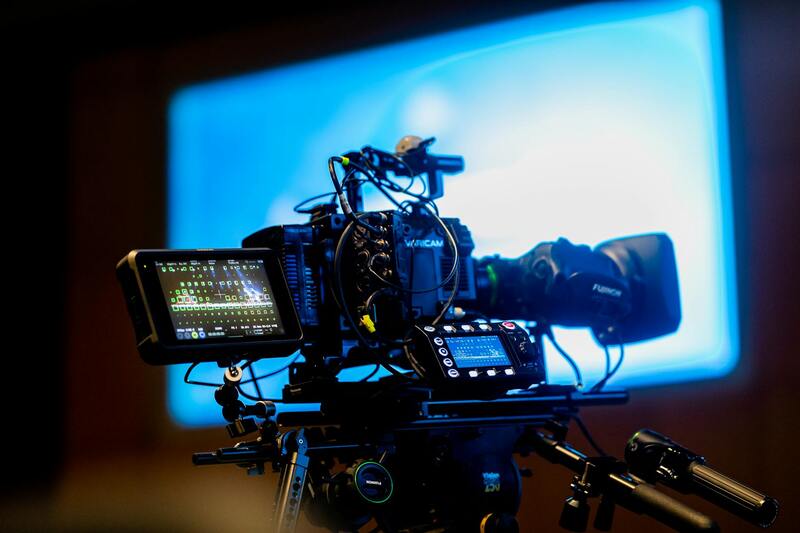
Advanced Techniques in Live Streaming Production for Optimal Viewer Engagement
To elevate the quality and impact of live streaming events, production teams must utilize advanced techniques that refine audio-visual delivery and enhance viewer interaction. This involves leveraging multi-camera setups, which allow dynamic switching between different angles, providing viewers with a more immersive experience. Multi-camera configurations require careful coordination, including synchronized framing and lighting, to ensure seamless transitions during the broadcast.
In addition, integrating real-time graphics and overlays can significantly enhance the visual appeal of a live stream. These elements include branded intros, lower thirds with participant names or titles, and real-time score updates for sports or interactive segments. Using professional broadcast graphics software ensures these overlays are sharp, synchronized, and professional-looking, contributing to a polished broadcast presentation.
Moreover, live streaming production should incorporate multi-platform distribution strategies. Simultaneously streaming to various channels, such as social media platforms and dedicated websites, broadens the reach and caters to different audience segments. This approach requires robust encoding hardware or software capable of simultaneity and stability, ensuring consistent quality across all feeds.
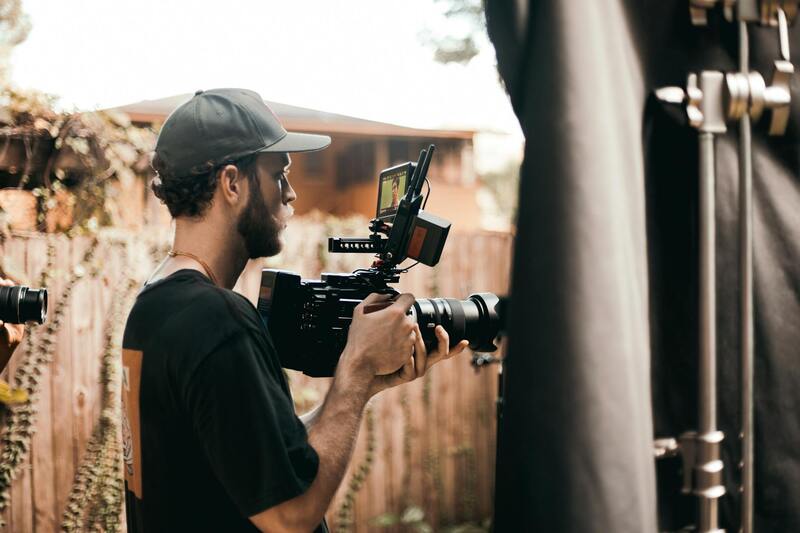
Another vital method involves real-time audience engagement tools. Live chat moderation, Q&A sessions, and interactive polls incorporated directly into the stream encourage active participation, making viewers feel part of the event. Integrating these features seamlessly requires platforms that support API integrations, allowing smooth synchronization without disrupting the flow of the broadcast.
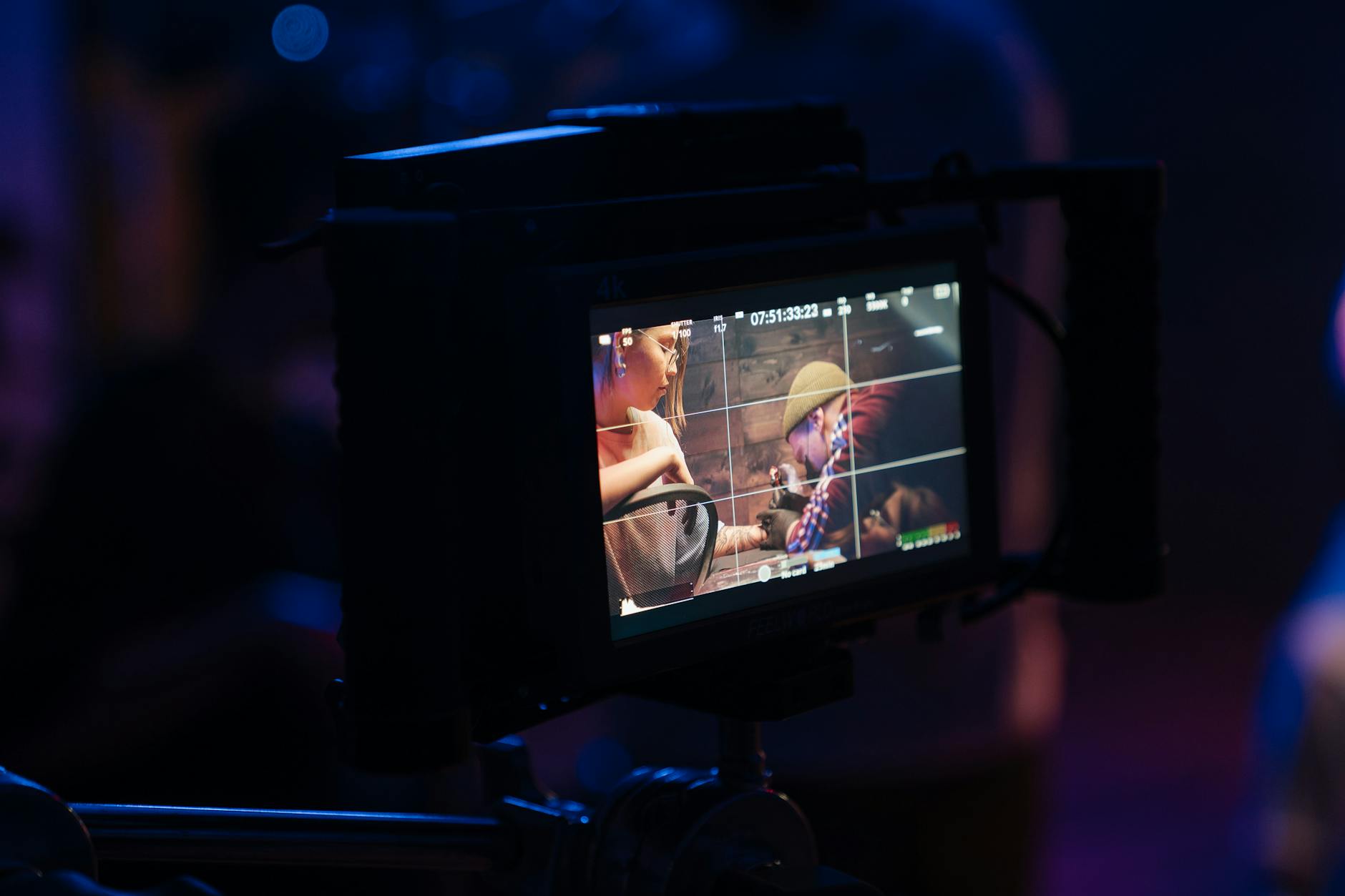
Achieving high production values also means maintaining rigorous quality control standards. Continuous monitoring of stream health, including bitrate, resolution, and latency, allows immediate adjustments to prevent disruptions. Employing professional-grade hardware, such as streaming encoders and monitoring tools, ensures that the technical performance is optimized throughout the event. Additionally, implementing redundancy systems—like backup streams or alternative servers—can mitigate risks related to network failure or hardware malfunction.
Training staff on advanced troubleshooting techniques and familiarity with the streaming platform's features is essential. This expertise enables swift responses to unforeseen issues, minimizing downtime and preserving viewer experience. The synchronization of audio and visual elements remains a cornerstone, requiring meticulous calibration of equipment and consistent testing during the setup phase.
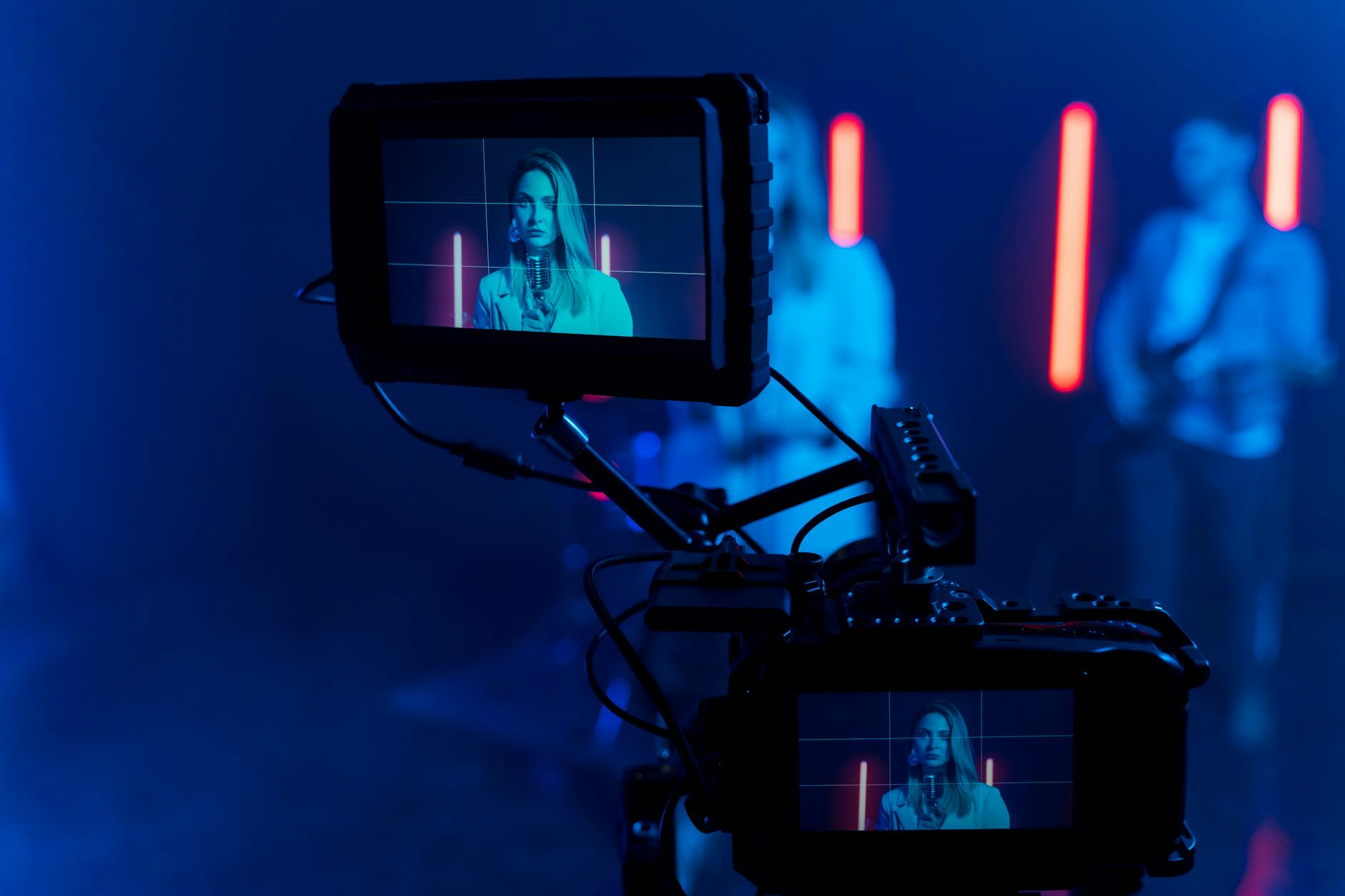
As technology advances, integrating artificial intelligence and machine learning into live production workflows is becoming increasingly prevalent. AI-powered tools can automate camera switching based on scene dynamics, optimize audio levels automatically, and even flag potential quality issues in real-time. These innovations help production teams deliver a more refined viewing experience while reducing manual oversight.
The development of 4K and 8K streaming capabilities offers new avenues for delivering ultra-high-definition content, especially valuable for events demanding detailed visuals such as concerts or sporting events. Implementing these formats requires corresponding hardware upgrades and high-bandwidth internet connections, but the resulting product significantly enhances the viewer’s engagement and perception of professionalism.
Finally, keeping abreast of the latest software updates, hardware innovations, and industry standards is critical. Regular evaluation and upgrading of equipment and workflows ensure that production capabilities remain at the forefront of technology, allowing creators to consistently deliver compelling, high-quality live streams.
Monitoring the Live Stream for Consistent Quality
Effective live streaming production requires continuous oversight to maintain high-quality output throughout the event. This involves the use of advanced monitoring tools that track various aspects of the broadcast in real-time. These tools can measure parameters such as video resolution, frame rate, audio levels, latency, and synchronization between audio and video feeds. Maintaining synchronization is particularly critical to prevent disjointed viewing experiences that can distract or frustrate viewers.
Operators should keep a close eye on encoding settings, as fluctuations here can impact stream stability and quality. Employing dedicated hardware encoders with hardware acceleration can help achieve stable and efficient live streams, especially when dealing with high-definition content. Additionally, automated alerts can notify the production team of any deterioration in stream quality, enabling immediate corrective measures.
Pre-broadcast rehearsals serve as an essential step for quality assurance. During rehearsals, teams can identify potential issues—such as audio imbalances, visual artifacts, or latency problems—and make necessary adjustments. This proactive approach minimizes the risk of disruptions during the actual event.
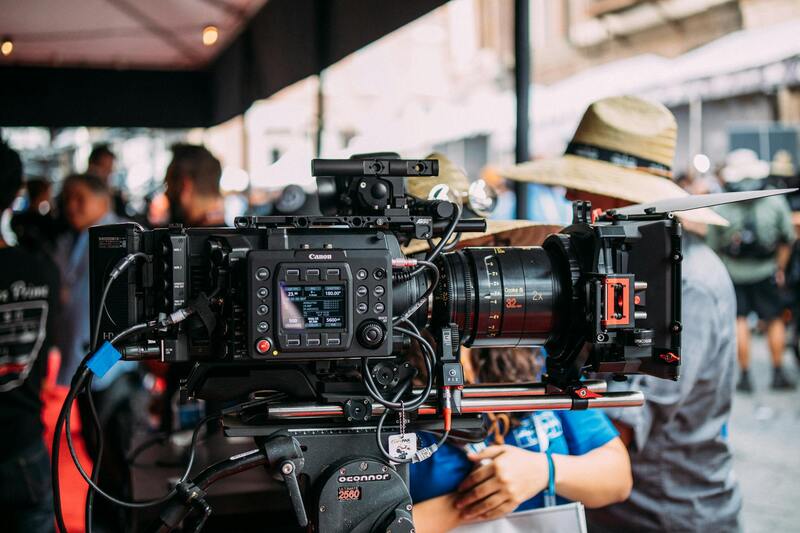
Implementing Troubleshooting Protocols
Despite meticulous planning and advanced technology, issues may occasionally arise during a live stream. Establishing comprehensive troubleshooting protocols is vital for rapid response and resolution. This includes having backup hardware components ready, such as redundant internet connections, spare cameras, and secondary audio sources.
When an issue is detected, the production team should follow a clear chain of actions. This might involve switching to backup feeds, adjusting encoding settings, or addressing connectivity issues. Having an on-site technical specialist or a dedicated troubleshooting team simplifies rapid intervention, minimizing viewer disruption.
Maintaining a detailed incident log during broadcasts helps in diagnosing recurring problems and improving future production workflows. Regular training ensures all team members are familiar with troubleshooting procedures, enabling swift action when unforeseen problems occur.

Secure Data Transmission and Redundancy Measures
Establishing secure and reliable data transmission protocols is fundamental to maintaining uninterrupted live streams. Utilizing encryption methods such as Secure Reliable Transport (SRT) ensures that the data transmitted between the broadcasting source and distribution servers remains protected from interference or unauthorized access. Implementing redundant network pathways further minimizes the risk of signal loss due to network failures. This involves integrating primary and secondary internet connections, such as fiber optic lines with wireless backup options, allowing seamless switching if one connection experiences issues.
Advanced Encoding Techniques
Modern live streaming production leverages cutting-edge encoding technologies to optimize broadcast quality while managing bandwidth efficiently. Adaptive bitrate streaming dynamically adjusts video quality based on the viewer’s internet speed, providing a smoother experience across diverse devices and connection types. Encoder hardware or software used in Miami’s live event productions often support HEVC (High Efficiency Video Coding) and AV1 codecs, which deliver higher compression rates without compromising visual clarity. These advanced techniques are vital for delivering high-definition content in real-time, especially during large-scale events with high viewer concurrency.
Quality Assurance and Monitoring Tools
Real-time quality monitoring tools are integral during the live production process. These platforms provide immediate feedback on metrics such as bit rate, frame rate, latency, and packet loss, enabling operators to detect anomalies quickly. Color grading and video calibration software ensure consistent visual presentation, maintaining professional standards throughout the broadcast. Automated alert systems can notify technical staff if parameters fall outside acceptable ranges, prompting swift corrective actions to prevent viewer disruptions.
Interactive Engagement Features
Integrating interactive components enhances audience engagement, making live streams more dynamic. Features like live chat, polls, real-time Q&A, and social media integration allow viewers to participate actively, fostering a sense of community. In Miami’s vibrant event scene, these tools are employed to bridge the gap between broadcasters and audiences, increasing viewer retention and satisfaction. Proper moderation and seamless integration of these features require sophisticated production management and platform compatibility.
Data Analytics and Performance Metrics
Post-broadcast analysis relies heavily on comprehensive data collection and analytics. Metrics such as viewer count, engagement rates, geographic distribution, and viewing duration inform future production strategies. Advanced analytics platforms can also monitor user behavior patterns and device preferences, guiding content optimization and distribution planning. Profiling audience demographics helps tailor content and marketing efforts, ensuring a more targeted approach in subsequent streaming events.
Advanced Strategies for Live Streaming Production in Miami
Ensuring the highest quality and reliability during live streaming events demands a comprehensive approach to production management and technical execution. Miami’s dynamic media landscape calls for sophisticated methodologies that elevate viewer experience, maximize engagement, and preserve broadcast integrity. Mastery of these advanced strategies involves leveraging cutting-edge techniques and meticulous planning to deliver flawless live content.
Implementing Redundant Systems for Uninterrupted Broadcasts
Redundancy is a cornerstone of professional live streaming. To mitigate risks associated with hardware failure or network disruptions, filmmakers and producers deploy backup systems across critical components. This includes secondary streaming encoders, alternative power supplies, and multiple internet connections, such as fiber and wireless options, to ensure seamless continuity. Employing automatic failover protocols allows the system to switch effortlessly between primary and backup resources, minimizing downtime and preserving a smooth viewer experience.
Utilizing Cloud-Based Infrastructure for Scalability and Flexibility
Cloud technology offers unparalleled flexibility for live streaming in Miami’s bustling event market. Cloud-based solutions enable dynamic resource allocation, allowing producers to scale bandwidth and server capacity on demand. This adaptability is essential during high-traffic events or when reaching geographically dispersed audiences. Cloud platforms often include integrated content delivery networks (CDNs), improving streaming efficiency, reducing latency, and ensuring high-quality video delivery irrespective of viewer location. Furthermore, cloud services facilitate real-time monitoring and management, providing transparency and control over the entire broadcast process.

Advanced Content Management and Segmenting
Effective content segmentation enables producers to deliver tailored content segments for different audiences or platforms, increasing engagement and relevance. Multi-camera feeds, dynamic overlays, and targeted advertising are integrated seamlessly during the broadcast, creating a personalized viewing experience. Managing this complexity requires sophisticated switching and overlay software, capable of real-time editing while maintaining synchronization across all feeds. This approach allows Miami live events to adapt swiftly to audience responses and changing content requirements, elevating professionalism and viewer satisfaction.
Leveraging Interactive Technologies for Enhanced Engagement
Modern live streaming production harnesses interactive features such as augmented reality (AR), 360-degree video, and real-time feedback tools to deepen viewer immersion. These technologies foster a participatory environment, turning passive viewers into active participants. For example, integrating AR overlays can display branding elements or event-specific information dynamically, while 360-degree streaming provides immersive experiences for remote audiences. Effective implementation of these advanced features requires specialized production expertise and compatible platforms, ensuring smooth operation without compromising broadcast quality.
Data-Driven Optimization and Post-Event Analysis
Comprehensive data collection during and after the live event offers insights that are crucial for future production planning. Analyzing viewer metrics such as engagement durations, dropout points, and interaction rates reveals areas for improvement. Geographic and device preferences help tailor distribution strategies, optimizing reach within Miami’s diverse demographic. Advanced analytics platforms also facilitate A/B testing of content variations, enabling producers to refine their approach continually. This cycle of data-driven insights ensures that future live streams are increasingly effective, engaging, and tailored to audience preferences.