
Overview of Live Broadcasting Services
Live broadcasting services have become an essential component for a diverse range of events, businesses, and organizations seeking to reach their audiences in real-time. These services enable the seamless transmission of live video and audio content over the internet, offering a dynamic platform for engagement, information dissemination, and brand promotion. In the vibrant city of Miami, where events such as corporate conferences, music festivals, and community gatherings are prevalent, professional live broadcasting ensures that audiences can experience these moments remotely with high-quality visuals and sound.
Implementing an effective live broadcast involves a confluence of advanced technology, strategic planning, and expert execution. It allows for immediate interaction, broadens reach beyond physical boundaries, and enhances the overall experience for viewers. As digital consumption continues to rise, live broadcasting services have become indispensable for organizations aiming to maintain relevance and foster stronger connections with their audiences. From small-scale corporate meetings to large-scale public events, these services provide reliable, scalable solutions that cater to diverse broadcasting needs.
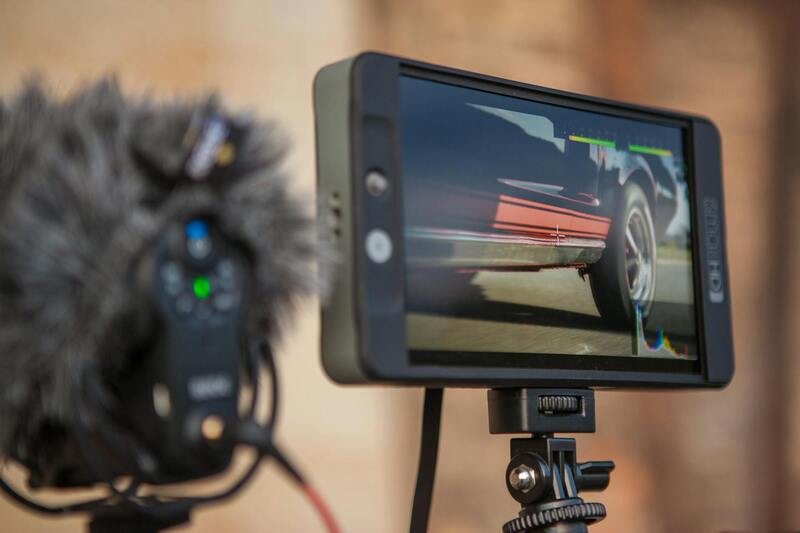
Types of Live Broadcasting Solutions
The landscape of live broadcasting services is multifaceted, offering various solutions tailored to specific event and organizational requirements. These solutions include:
- Webcast Streaming: A commonly used method for delivering live content over the internet, suitable for webinars, product launches, and corporate presentations.
- Social Media Live Streaming: Broadcasting directly to platforms like Facebook Live, Instagram Live, or YouTube Live to leverage social media engagement and maximize audience exposure.
- Event Broadcasts: Specialized services for live streaming conferences, concerts, and large public gatherings, often involving multi-camera setups and professional production teams.
- On-Demand Video Integration: Combining live streams with recorded content to provide viewers with flexible access post-event.
Key Equipment and Technology Used
High-quality live broadcasting relies heavily on advanced equipment and reliable technology. Essential components include:
- Broadcast Cameras: Professional-grade cameras capable of capturing high-resolution video with stability and clarity.
- Encoding Devices: Hardware or software tools that convert raw footage into digital formats suitable for online streaming.
- Streaming Platforms and Servers: Infrastructure that manages the distribution of live content across multiple channels securely and efficiently.
- Audio Equipment: Professional microphones and mixing consoles to ensure clear sound quality vital for viewer engagement.
- Backup Systems: Redundant power supplies and data backups to prevent interruptions during live events.
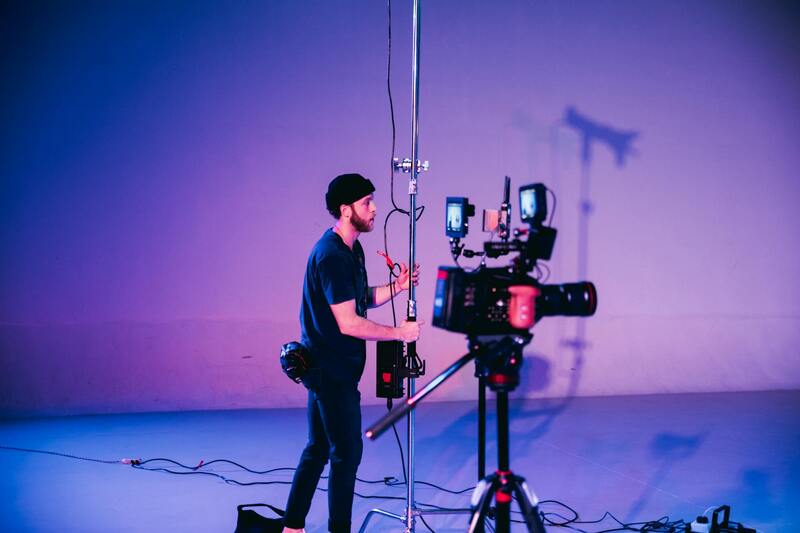
Types of Live Broadcasting Solutions
Various live broadcasting solutions are tailored to meet the specific needs of different events and organizations. These solutions ensure seamless delivery of content, high-quality visuals, and audience engagement. The primary categories include online platform streaming, dedicated network broadcasting, and on-site live transmission.
- Online Platform Streaming: This method involves broadcasting directly through popular social media channels, such as YouTube Live, Facebook Live, or Instagram Live. It offers broad accessibility and real-time interaction, making it suitable for webinars, small-scale conferences, and promotional events. Leveraging these familiar platforms enables organizers to tap into existing audiences while minimizing technical complexity.
- Dedicated Networks and Private Streams: For events requiring enhanced security and higher quality control, dedicated streaming networks are preferred. These solutions often involve private content delivery networks (CDNs) that handle exclusive broadcasts, supporting large-scale enterprise events, product launches, or sensitive corporate meetings. They ensure minimal latency, robust security, and reliable access for authorized viewers.
- On-Site Broadcasting: Larger events like concerts or conferences often utilize on-site broadcasting setups. This approach involves deploying professional-grade equipment such as multi-camera systems, live switchers, and on-site streaming servers to produce a polished, multi-angle broadcast. On-site solutions facilitate live editing, instant replays, and real-time graphics, creating a dynamic viewing experience.
Key Equipment and Technology Used
Producing flawless live streams depends heavily on advanced technology and a comprehensive setup. Here’s a closer look at core equipment involved in professional live broadcasting:

- Broadcast Cameras: High-resolution, professional cameras capture crisp visuals with stability, often featuring pan-tilt-zoom (PTZ) capabilities for flexible framing and angles.
- Encoding Devices: Hardware or software solutions that convert raw video feeds into compressed digital formats, optimizing streams for various internet speeds and platforms.
- Streaming Platforms and Servers: Infrastructure designed to distribute live content efficiently. Servers handle load balancing, content delivery, and adaptive streaming based on viewer bandwidth.
- Audio Equipment: Professional-grade microphones, wireless systems, and mixing consoles ensure clear, balanced sound, which is vital for maintaining viewer engagement.
- Backup Systems: Redundant power supplies, data backups, and failover solutions prevent interruptions, ensuring continuous broadcast quality during live events.
Role of Miami Production Agencies in Live Broadcasting
Miami-based production agencies play a pivotal role in executing comprehensive live broadcasting services. Their expertise spans pre-production planning, equipment setup, technical execution, and post-event analysis. These agencies collaborate closely with clients to tailor solutions that match event objectives, audience expectations, and technical requirements.
Specialized teams typically include directors, camera operators, audio engineers, and graphics designers, all working seamlessly to produce professional-grade broadcasts. By integrating the latest technology and proven methodologies, Miami production experts ensure high reliability and engaging content delivery for any live event.
Factors to Consider When Choosing Live Broadcasting Services
Selecting the right service provider involves assessing several critical elements. Key considerations include:
- Technical Expertise: Verify the provider’s experience with similar events and their technical capacity to handle complex setups or high viewer traffic.
- Equipment Quality: Ensure the use of modern, reliable technology capable of delivering high-resolution visuals and superior audio without glitches.
- Customization and Flexibility: The provider should offer tailored solutions aligned with your event’s unique requirements, including branding, multiple camera angles, and interactive features.
- Coverage and Scalability: Consider whether the service can support your expected audience size and whether it can scale up or down as needed.
- Post-Streaming Support: Evaluate the availability of services like on-demand video integration, analytics, and technical support during and after the event.
Choosing a reputable provider with a proven track record ensures a smooth, professional live stream that enhances audience engagement and meets organizational goals.
Overview of Live Broadcasting Services
Live broadcasting services have become a core component of how organizations, event organizers, and content creators share real-time content with global audiences. These services encompass a comprehensive range of solutions designed to deliver seamless, high-quality live streams across various digital platforms. Whether hosting a corporate conference, live concert, charity event, or educational seminar, leveraging professional live broadcasting services ensures an engaging viewer experience. These services typically involve sophisticated technological infrastructure, strategic planning, and expert execution to guarantee reliable delivery, minimal latency, and superior audiovisual quality. As the demand for live content continues to grow, so does the importance of partnering with experienced providers capable of customizing streaming solutions to meet specific goals and technical requirements.

Professionally managed live broadcasts extend beyond simple streaming; they incorporate interactive features, multi-platform distribution, on-demand options, and data analytics to maximize audience engagement. From choosing the right equipment and software to ensuring robust internet connectivity and synchronization, every detail matters in producing a stream that appears polished and professional. The integration of cutting-edge technology, such as multi-camera setups, live graphics, and real-time editing, enhances the viewing experience and maintains audience attention. Engagement tools like chat functions, polls, and social media integration foster interaction and broaden reach, transforming static broadcasts into lively digital events. In addition, meticulous planning and coordination among technical teams are essential to mitigate risks and troubleshoot issues proactively during live transmission.
Types of Live Broadcasting Solutions
Various solutions are available to cater to different event types, audience sizes, and technical needs:
- Single Camera Live Streaming: Suitable for smaller events or personal broadcasts, focusing on straightforward delivery from a singular perspective.
- Multi-Camera Live Production: Ideal for conferences, concerts, or large panel discussions, involving several cameras to capture multiple angles and dynamic visuals.
- Simulcasting: Broadcasting simultaneously across multiple platforms such as social media, dedicated websites, and streaming platforms to maximize exposure.
- Hybrid Events: Combining in-person and virtual participation, requiring sophisticated streaming and integration services.
- Interactive Live Streams: Incorporating real-time Q&A, audience polls, and social media interactions to enhance engagement.
Role of Miami Production Agencies in Live Broadcasting
Miami-based production agencies specialize in delivering comprehensive live broadcasting solutions that align with clients' objectives. These agencies combine technological expertise with creative production skills, ensuring every event is executed flawlessly. The teams typically include technical directors, camera operators, audio engineers, lighting technicians, and graphics designers. They assess the specific requirements of each event—such as venue characteristics, audience expectations, and branding guidelines—to craft a tailored broadcast plan. Utilizing state-of-the-art equipment and innovative streaming platforms, these agencies guarantee high-definition visuals, crystal-clear audio, and smooth transitions. Moreover, their extensive experience with diverse event formats equips them to troubleshoot issues promptly, manage bandwidth fluctuations, and optimize viewer engagement. Partnering with a Miami production agency ensures that your live stream is professional-grade, reliably delivered, and perfectly synchronized with your organizational objectives.
Factors to Consider When Choosing Live Broadcasting Services
When selecting a live broadcasting partner, it is crucial to evaluate several key attributes to ensure the success of your event:
- Technical Expertise: Confirm the provider’s experience with similar events and their ability to handle advanced broadcast setups under tight timelines.
- Equipment Reliability: Check if the provider uses modern, high-quality hardware and software designed for high-resolution outputs and stable streaming.
- Customization Capabilities: Ensure they offer solutions tailored to your branding, visual preferences, and interactive features.
- Capacity and Scalability: Assess whether the service can support your anticipated viewership and expand or reduce capabilities as needed.
- Post-Event Support and Analytics: Verify if they provide on-demand access, viewer analytics, and technical support during and after the broadcast.
Benefits of Professional Live Broadcasting for Local Events
Employing expert broadcasting services amplifies the reach and impact of local events. Key benefits include increased visibility among broader audiences, enhanced professional presentation, and the ability to capture and preserve content for future use. High-quality live streams help local organizations showcase their initiatives, attract sponsors, and build community engagement. Additionally, including features like real-time interaction fosters meaningful participation, making viewers feel part of the event regardless of their physical location. The professionalism of a well-executed live broadcast can also elevate the organization’s reputation, demonstrating a commitment to quality and innovation.
Types of Live Broadcasting Solutions
Choosing the right live broadcasting solution requires understanding the diverse options available to match your event's specific needs and goals. Broadly, live streaming services can be categorized into several types, each with distinct features and advantages. These include dedicated live streaming platforms, integrated broadcasting solutions, and hybrid models that combine various technologies to optimize reach and performance.
Dedicated Live Streaming Platforms
These platforms focus exclusively on hosting real-time live content, offering high-quality streams with minimal latency. They often provide robust infrastructure, scalable bandwidth, and adaptive bit-rate streaming to ensure viewers experience seamless playback across different devices and network conditions. Examples include enterprise-grade solutions with advanced analytics and viewer engagement tools. Such platforms are ideal for large conferences, sporting events, or high-profile cultural programs where professional-grade reliability and quality are paramount.
Integrated Broadcasting Solutions
Combined software and hardware packages offer a comprehensive approach that encompasses encoding, transmission, and distribution. These solutions typically involve dedicated cameras, encoders, and streaming interfaces integrated into a single system. They are suitable for organizations that require tight control over production quality and branding elements. The integration ensures minimal latency, rich customization options, and a streamlined workflow from event setup to live transmission.
Hybrid Models
Hybrid live broadcasting leverages both traditional and digital methods, enabling organizations to reach audiences through multiple channels simultaneously. For example, a live event could be streamed via a dedicated platform while simultaneously sharing snippets or highlights on social media channels. This approach allows for broader dissemination, increased audience engagement, and multiple vantage points for content distribution. It also provides flexibility to adapt to different audience preferences and technological landscape changes.

Maximizing the effectiveness of live streaming involves aligning the solution type with your event's scale, content complexity, and audience engagement strategies. Whether opting for a specialized platform, an integrated system, or a hybrid approach, it’s crucial to work with providers that deliver a consistent, high-quality experience that meets your organization’s objectives and viewers' expectations.
Factors to Consider When Choosing Live Broadcasting Services
Selecting a reliable live broadcasting service requires a comprehensive evaluation of several critical factors. For organizations aiming to deliver seamless, engaging live streams, understanding these elements ensures that the chosen provider aligns perfectly with the event’s scope and objectives.
Event Scale and Audience Reach
The size and expected reach of your event significantly influence your choice of live broadcasting solutions. Smaller, local events may suffice with basic streaming platforms and portable equipment, whereas large-scale conferences or festivals demand advanced infrastructure capable of handling high viewer volumes without latency issues. It’s essential to assess whether the service provider can support the required bandwidth, encoder capacity, and server stability to prevent disruptions and ensure high-quality playback across multiple devices.
Budget and Cost-Effectiveness
Budget constraints often shape the scope of live broadcasting projects. While premium services offer advanced features such as multi-camera setups, real-time graphics, and interactive tools, these come with higher costs. Conversely, cost-effective packages may be suitable for straightforward broadcasts but could limit customization options. Careful analysis of pricing structures helps identify hidden fees and ensures value while maintaining production quality.
Platform Compatibility and Integration
The compatibility of the broadcasting service with various streaming platforms and devices is paramount. An optimal provider supports a diverse range of endpoints—from social media platforms to dedicated streaming websites—allowing your content to reach your target audience effortlessly. Compatibility extends to integrating with existing event management software, content management systems, or custom apps for a cohesive streaming experience.
Technical Capabilities and Support
The technical prowess of a live broadcasting partner directly impacts content quality. Essential features include high-definition streaming, adaptive bitrate technology, low-latency transmission, and multi-camera switching. Moreover, real-time analytics and audience engagement tools enhance the interactive experience. Equally important is the availability of dedicated technical support during the event, ensuring rapid issue resolution and smooth operation regardless of unforeseen technical challenges.
Experience and Reputation of the Service Provider
Partnering with a provider experienced in live broadcasting ensures access to best practices, reliable equipment, and well-trained personnel. A proven track record of successful event executions, client testimonials, and industry recognition serve as indicators of dependable service delivery. This expertise translates into a more professional broadcast, minimized risks, and the ability to adapt swiftly to dynamic event requirements.

In summary, methodical consideration of these factors enables organizations to select live broadcasting services that not only meet technical and budgetary requirements but also elevate the overall viewer experience. Collaborating with a knowledgeable Miami-based production agency can further refine this process, leveraging local expertise to flawlessly execute live streams for various events and audiences.
Advanced Technologies and Methodologies in Live Broadcasting
Effective live broadcasting relies heavily on a sophisticated array of technologies designed to deliver the highest quality viewing experience with minimal disruptions. Precision in video delivery is achieved through the integration of robust encoding and decoding systems, which optimize video streams for various bandwidth conditions and devices. Adaptive bitrate streaming plays a crucial role in adjusting video quality dynamically, ensuring viewers experience smooth, uninterrupted content regardless of their internet speed.
To further enhance the broadcast, multi-camera setups are employed, providing diverse angles and dynamic visuals that keep the audience engaged. Switchers and mixers enable seamless transitions between camera feeds, contributing to a polished and professional presentation. Additionally, real-time graphics, overlays, and interactive features can be incorporated to communicate key information or foster viewer engagement, elevating the overall production quality.
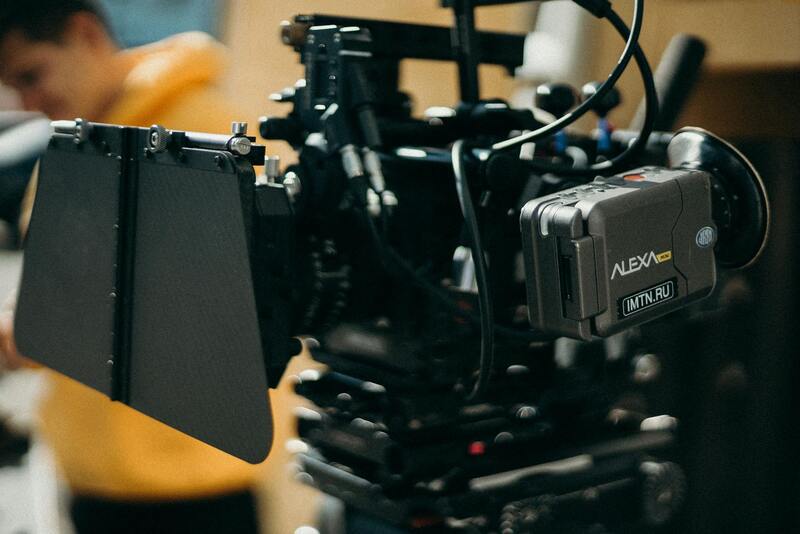
Role of Reliable Internet Connectivity and Server Infrastructure
At the core of successful live broadcasts is a stable and high-capacity internet connection. Redundant internet pathways are often established to mitigate the risk of connectivity failure, guaranteeing an uninterrupted stream. Data centers with global distribution capabilities facilitate content delivery through Content Delivery Networks (CDNs), which minimize latency and buffering issues by distributing streams closer to viewers' locations.
Efficient server infrastructure is also vital for load balancing and real-time transcoding, ensuring the broadcast maintains consistent performance despite high viewer numbers. This infrastructure supports the scalability necessary for large-scale events, accommodating surges in viewer traffic without compromising quality or stability.

Innovations Shaping the Future of Live Broadcasting
Emerging innovations include the integration of 5G technology, which substantially reduces latency and increases bandwidth, opening new possibilities for ultra-low latency streams and mobile live events. Augmented Reality (AR) and Virtual Reality (VR) are also gaining traction, creating immersive experiences that redefine viewer engagement.
Artificial Intelligence (AI) and machine learning are increasingly used for automated content moderation, video editing, and personalized viewer experiences. These advancements contribute to smarter delivery systems, more interactive content, and higher engagement levels across various platforms.
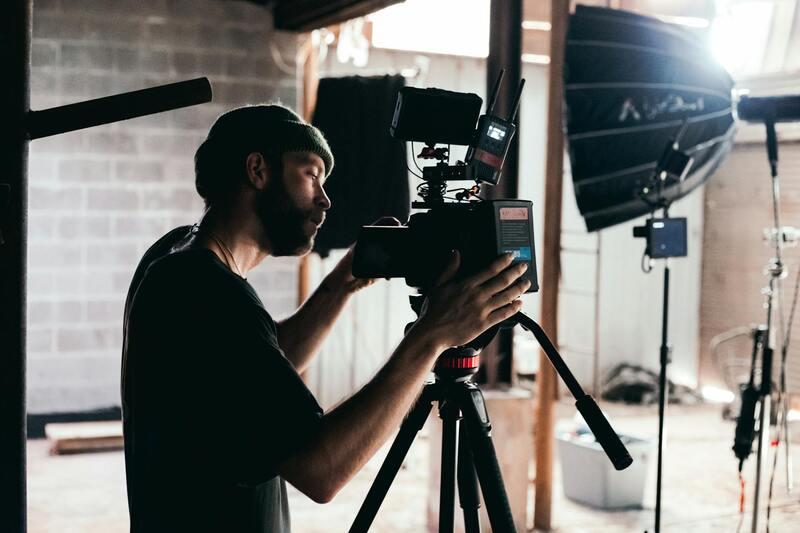
Importance of Skilled Technical Support and On-Site Coordination
Operational success hinges on the expertise of technical teams capable of managing equipment, troubleshooting issues, and ensuring synchronization throughout the broadcast. On-site coordination involves meticulous planning of camera positions, lighting, audio setup, and backup systems, all of which contribute to a seamless live production.
Maintaining continuous communication among broadcast personnel and utilizing remote monitoring tools facilitate rapid response to unforeseen challenges. This coordinated effort ensures the broadcast remains professional, engaging, and glitch-free from start to finish.
Overview of Live Broadcasting Services
Live broadcasting services encompass a comprehensive range of solutions designed to transmit real-time video and audio content across various platforms to audiences worldwide. These services utilize advanced technology to enable organizations, corporations, and event organizers to deliver engaging, immediate content that captures viewers’ attention dynamically. Whether for corporate announcements, concerts, sports events, or community gatherings, live broadcasting provides an interactive experience that bridges geographical gaps seamlessly.

In essence, professional live broadcasting services integrate a mix of hardware and software to ensure high-resolution streams, minimal latency, and reliable transmission. They often include multi-camera setups, professional audio gear, remote control interfaces, and robust encoding systems. The goal is to produce a broadcast that performs flawlessly under various conditions, providing viewers with a visual and auditory experience that rivals traditional broadcasting channels.
Additionally, these services often incorporate content delivery networks (CDNs) and adaptive bitrate streaming to optimize viewing quality based on viewers’ internet speeds. This technological backbone ensures that audiences receive consistent, high-quality streams regardless of their device or connection quality. The use of secure streaming protocols also safeguards content integrity, preventing unauthorized access or disruptions.
Live broadcasting services are crucial for organizations aiming to extend their reach, increase engagement, and generate real-time feedback from audiences. As streaming technology advances, these services become more accessible and customizable—from simple single-camera streams to intricate multi-angle broadcasts integrated with graphical overlays, real-time chat, and interactive features.
Types of Live Broadcasting Solutions
- Simple Webcasts: Ideal for small-scale corporate updates or webinars, utilizing basic streaming platforms and minimal equipment.
- Multi-camera Live Events: Suitable for concerts, sports, and large conferences, featuring multiple angles and advanced production control.
- 360-degree Live Streaming: Provides immersive experiences through panoramic video, often used in real estate tours, virtual events, or interactive experiences.
- Social Media Live Broadcasts: Focused on platforms like Facebook, Instagram, or LinkedIn, emphasizing real-time engagement and shareability.
- Hybrid Broadcasts: Combine live footage with pre-recorded content, graphics, and interactive overlays for comprehensive event coverage.
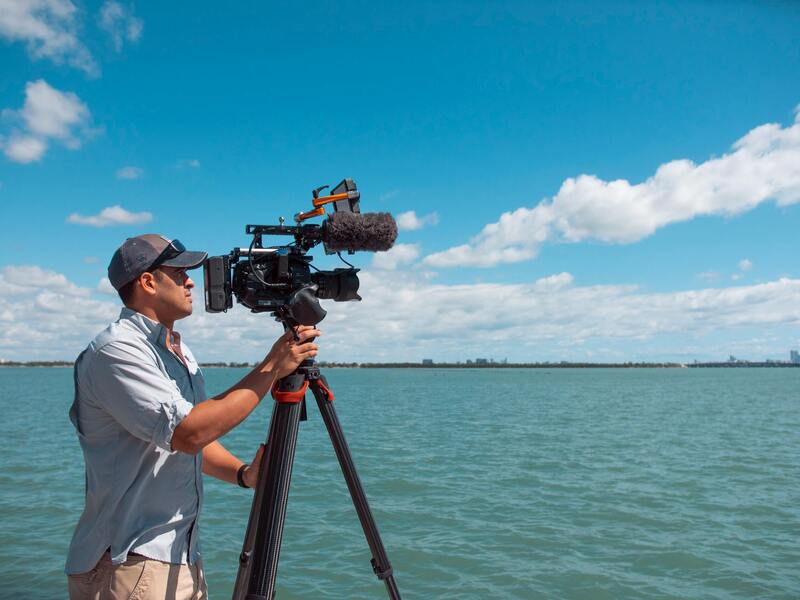
Key Equipment and Technology Used
Execution of a professional live broadcast depends heavily on specialized equipment designed to guarantee optimal quality and reliability. Essential components include:
- Cameras: High-definition, 4K or even 8K capable, often with robotic or remote-control features for dynamic shot selection.
- Switchers and Video Mixers: Enable seamless switching between multiple camera feeds, graphics, and overlays in real time.
- Audio Equipment: Professional microphones, mixers, and wireless systems ensure clear, balanced sound that complements the visuals.
- Encoding Hardware: Transforms raw video signals into digital streams, capable of streaming live content over the internet efficiently.
- Streaming Platforms and Protocols: Utilize secure, scalable platforms with adaptive bitrate support and synchronization tools.
- Networking Infrastructure: High-speed connectivity, often with redundant pathways and fiber-optic cabling to prevent interruptions.
Software solutions, such as live production control panels, graphic overlay tools, and real-time analytics, further enhance the quality and interactivity of the broadcast. Advances in cloud-based solutions now allow for remote operation and monitoring, providing flexibility and scalability for different event sizes and types.

Role of Miami Production Agencies in Live Broadcasting
Miami-based production agencies play a pivotal role in orchestrating seamless live broadcasting experiences. These agencies serve as the technical backbone, handling everything from pre-production planning to post-broadcast analysis. Their expertise ensures that the content delivered aligns with the client’s brand standards and audience expectations.
Specialized Miami production teams are well-versed in deploying cutting-edge technology and managing complex setups at various venues—be it outdoor festivals, corporate arenas, or streaming from iconic Miami landmarks. Their local knowledge enables rapid adaptation to venue-specific challenges, such as signal interference or environmental factors.
Furthermore, these agencies offer end-to-end services, including content scripting, multi-camera direction, live editing, graphic integration, and real-time analytics. They also provide comprehensive support for streaming across multiple platforms, ensuring optimal quality and latency across all viewer devices. The ability to coordinate on-site technical teams while maintaining remote oversight enhances overall broadcast reliability and viewer engagement.
Factors to Consider When Choosing Live Broadcasting Services
- Quality of Equipment: Ensure the provider uses state-of-the-art hardware and software capable of delivering clear audio and high-resolution video.
- Experience and Portfolio: Look for extensive experience in handling similar event types and a portfolio demonstrating successful past projects.
- Technical Support and On-Site Expertise: Availability of knowledgeable technicians to troubleshoot and manage the broadcast broadcast in real-time.
- Platform Compatibility: Compatibility with various streaming platforms and ability to integrate interactive features or branding elements.
- Scalability and Flexibility: Ability to accommodate different event sizes, complexities, and specific customizations.
- End-to-End Service Offering: Services that include pre-production, streaming, engagement tools, and post-event analytics.
- Security and Compliance: Measures in place to protect content and ensure compliance with delivery protocols.
Benefits of Professional Live Broadcasting for Local Events
Engaging a professional live broadcasting service elevates the reach and impact of local events through high-quality visual and audio transmission. It enables event organizers to extend their audience beyond the physical venue, reaching remote viewers across the globe and increasing the event’s visibility.
With professional services, local events gain access to advanced production techniques, such as multi-camera angles, real-time graphics, and interactive features, which enhance viewer engagement. This level of quality fosters a memorable experience, promotes brand awareness, and encourages participation through live feedback and social media interaction.
Moreover, professional live broadcasting ensures reliable operation, minimizing delays and technical hiccups that could detract from the event’s professionalism. This reliability builds trust with viewers and stakeholders, positioning the event as a well-organized, high-caliber production capable of competing in an increasingly digital landscape.
Comprehensive Approaches to Enhancing Live Broadcasts with Advanced Technology
As live broadcasting continues to evolve, integrating cutting-edge technology is essential for delivering a seamless viewer experience and maintaining a competitive edge in the dynamic digital landscape. This involves leveraging the latest advancements in streaming infrastructure, multi-platform compatibility, and interactive engagement tools to extend reach and foster meaningful viewer participation.
Advanced Streaming Infrastructure and Network Optimization
Implementing robust streaming infrastructure is fundamental to ensuring consistent quality during live broadcasts. High-capacity servers, optimized Content Delivery Networks (CDNs), and adaptive bitrate streaming technologies are employed to manage fluctuations in internet connectivity and viewer bandwidth variations. These components allow the broadcast to dynamically adjust quality, preventing buffering or drops in resolution that could diminish viewer experience.

Multi-Platform Compatibility and Cross-Device Streaming
Modern live broadcasting must be compatible with a range of devices, including desktops, smartphones, tablets, and smart TVs. Achieving this requires using flexible encoding formats and adaptive streaming protocols that automatically tailor the broadcast quality to each device’s capabilities. Furthermore, multi-platform integration allows live streams to simultaneously distribute content across social media channels, dedicated websites, and streaming platforms, maximizing audience reach and engagement.
Incorporating Interactive Features and Real-Time Analytics
Interactive components, such as live polls, Q&A sessions, and social media integrations, transform passive viewership into active participation. These features not only enhance engagement but also provide valuable insights into audience preferences. Real-time analytics tracking viewer behavior, engagement levels, and streaming metrics enables broadcasters to make immediate adjustments, ensuring high-quality delivery and increased viewer satisfaction.
Emergence of Immersive Technologies in Live Broadcasting
The integration of augmented reality (AR), virtual reality (VR), and 360-degree video in live broadcasts is paving the way for immersive viewer experiences. These technologies allow audiences to virtually step into the event environment, whether for corporate presentations, sports events, or cultural festivals. Such innovations demand sophisticated equipment and software but significantly elevate the production value, providing a unique, engaging perspective that sets the broadcast apart.
Security and Content Protection Measures
As live content becomes more accessible online, safeguarding intellectual property and ensuring privacy are critical concerns. Advanced encryption methods, digital rights management (DRM), and secure streaming protocols are implemented to prevent unauthorized access and content piracy. These security measures maintain the integrity of the broadcast while fostering trust among content creators and viewers.

Conclusion: Embracing the Future of Live Broadcasting
Staying at the forefront of live broadcasting technology requires continuous innovation and strategic implementation of sophisticated solutions. As Miami production services adopt these advanced technologies, they enable clients to deliver more engaging, reliable, and visually stunning live events, thereby elevating their brand presence and expanding audience engagement.