Understanding Livestream Production Services
Livestream production services encompass a comprehensive suite of technical and logistical solutions designed to broadcast live events over the internet with high quality and reliability. These services are essential for organizations aiming to reach broader audiences through digital platforms, whether for corporate functions, concerts, sports, or community events. Central to livestream production are several key components: state-of-the-art equipment, meticulous planning, and expert execution. Each element plays a critical role in delivering a seamless viewing experience that replicates the immediacy and engagement of in-person attendance.
The process begins with pre-event planning, where the scope, goals, and technical requirements are carefully assessed. This involves selecting appropriate cameras, audio systems, lighting, and streaming platforms that match the nature of the event. Detailed run-throughs and rehearsals ensure synchronization among the production team, presenters, and technical staff. During the event, a professional crew manages multi-camera setups, audio mixing, graphics, and live switching to create a dynamic presentation. Post-production may include live editing, adding overlays, or integrating multimedia content to enhance viewer engagement.
Various event types—ranging from corporate conferences and product launches to music concerts and sports competitions—benefit from specialized livestream production techniques. The ultimate goal is to deliver a smooth, immersive experience accessible across multiple devices and internet connections, with minimal latency and technical hiccups.
A reliable livestream production service not only amplifies event reach but also ensures brand consistency and audience interaction through integrated chat, Q&A, and social media features. Choosing a provider with extensive experience and a robust technological infrastructure is crucial for achieving these objectives, especially within a dynamic market such as Miami, where live digital content demands innovative and adaptable solutions.

Technology and Equipment Used in Livestream Production
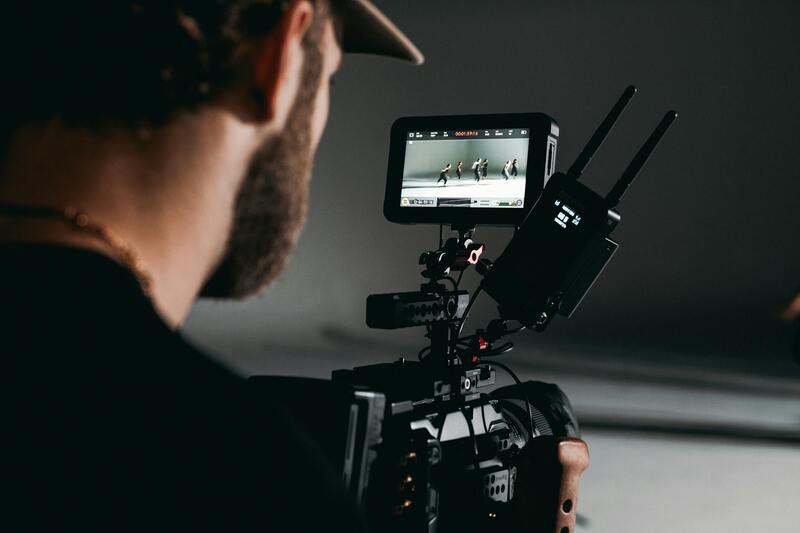
Effective livestream production relies heavily on advanced technology and equipment tailored to meet the specific demands of each event. A comprehensive setup involves high-definition cameras capable of capturing clear visuals from multiple angles, ensuring viewers experience a dynamic and engaging broadcast. These cameras are often complemented by professional-grade audio systems, including wireless microphones and mixers, to deliver crystal-clear sound quality regardless of the event size or environment.
Lighting is another crucial component, with professional lighting rigs designed to enhance visual clarity and mood. Properly lit scenes prevent shadows, reduce glare, and highlight key moments or speakers, ultimately elevating the overall production quality. Additionally, live video switchers enable seamless transitions between camera feeds, graphics, or video overlays, creating a polished and cohesive broadcast appearance.
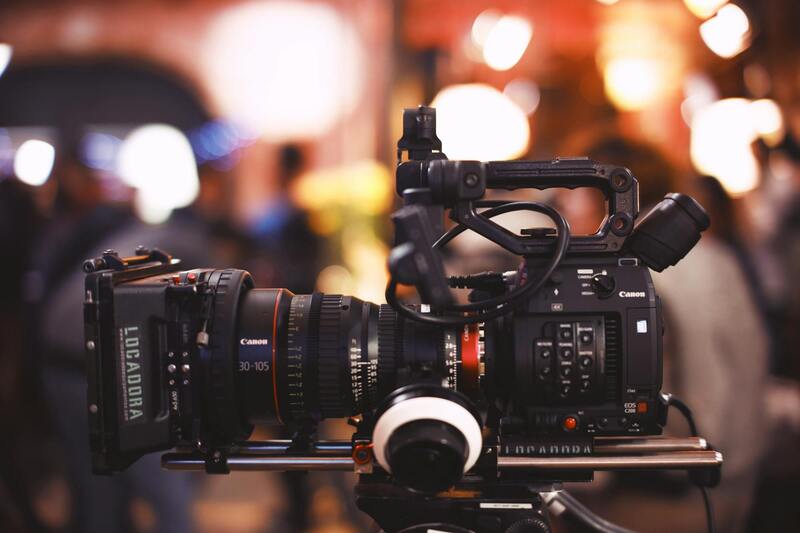
On the streaming front, robust encoding hardware and reliable content delivery networks (CDNs) ensure smooth, uninterrupted streaming even during high traffic periods. These platforms support multiple streaming protocols, adaptive bitrate streaming, and content security measures. Platform compatibility with popular social media networks and dedicated streaming sites further amplifies event reach and audience engagement.
Modern livestream production also incorporates auxiliary tools such as graphics generators, teleprompters, and real-time analytics software. These tools aid presenters, enhance viewer experience, and provide valuable data on viewer behavior and engagement metrics. Integration of these technologies demands expert operation and troubleshooting capabilities, emphasizing the importance of working with experienced production specialists.
Incorporating emerging advancements like 4K resolution, virtual reality (VR), and augmented reality (AR) can further elevate the immersive experience. As technology evolves, staying up-to-date with the latest equipment and tools allows event organizers to stand out with innovative content delivery methods, effectively capturing and maintaining audience attention across diverse digital platforms.
Understanding Livestream Production Services
Effective livestream production services encompass a comprehensive array of technical and creative elements aimed at delivering a seamless and engaging broadcast. When selecting a service provider, it's essential to consider their expertise in handling various facets of the production process, from pre-event planning to live execution and post-event analysis. Skilled production teams utilize a combination of professional-grade equipment, advanced software, and strategic operational procedures to ensure the final output meets high standards of quality and reliability.
Key Elements of Livestream Production
Several core elements are vital to successful livestream production services, including comprehensive planning, technical setup, real-time management, and audience engagement strategies. These factors collectively contribute to the effectiveness of the broadcast and the overall viewer experience.
Pre-Event Planning
- Content Strategy: Defining the core message, content flow, and key segments to ensure a structured presentation.
- Technical Coordination: Selecting suitable equipment, setting up camera angles, audio configurations, and internet infrastructure.
- Rehearsals: Running test runs to identify potential issues with connectivity, audiovisual synchronization, and timing.
Live Production
- Video Capture and Switching: Utilizing multiple cameras and professional switchers for dynamic shot composition.
- Audio Mixing: Balancing sound levels and incorporating overlays such as interviews or ambient sounds.
- Graphics and Overlays: Enhancing visual appeal with real-time graphics, lower thirds, and branding elements.
- Streaming Management: Monitoring stream health, managing bandwidth, and ensuring content security throughout the broadcast.
Post-Event Activities
- Analytics: Tracking engagement metrics, viewer demographics, and stream performance data.
- Content Repurposing: Extracting clips or highlights for social media and marketing campaigns.
- Feedback Collection: Gathering viewer insights for improving future livestream initiatives.
Importance of Using Professional Equipment and Techniques
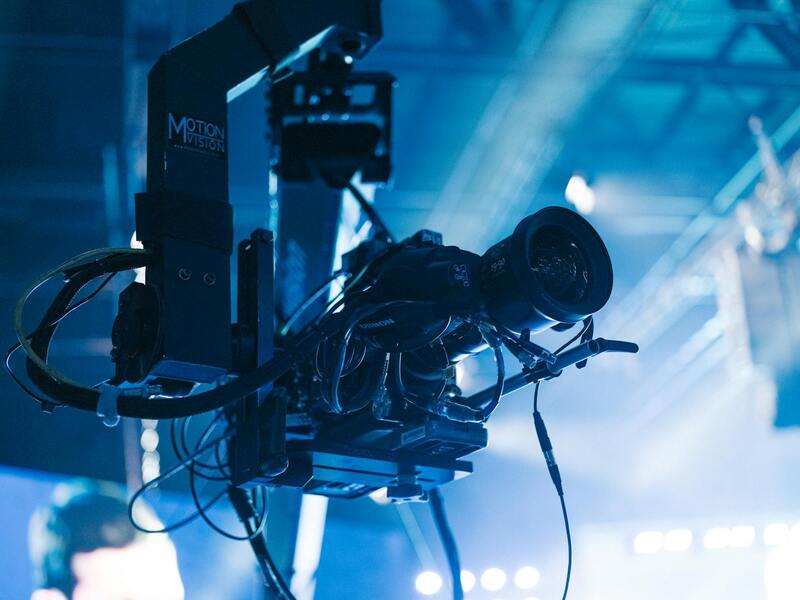
Utilizing the latest high-definition cameras, encoder hardware, and reliable streaming platforms significantly enhances broadcast quality. Emerging technologies such as 4K resolution, virtual reality (VR), and augmented reality (AR) open new horizons for immersive experiences, captivating audiences through innovative visual effects. Moreover, secure and scalable content delivery networks (CDNs) are crucial for maintaining stream stability, especially during high traffic periods or large-scale events.
Understanding Livestream Production Services
Livestream production services encompass a comprehensive suite of technical and creative solutions designed to broadcast live events to digital audiences seamlessly and professionally. These services involve meticulous planning and execution, combining advanced equipment, technical expertise, and innovative strategies to ensure a smooth, engaging viewing experience.
Every live stream begins with strategic planning. This includes understanding the event’s objectives, target audience, and the desired level of production quality. Developers coordinate with clients to determine the type of content, required visuals, and interactive elements that can enhance viewer engagement. From there, a detailed production plan is devised, covering aspects such as camera placements, audio requirements, graphic integration, and streaming platform selection.
Technical Foundations of Livestream Production
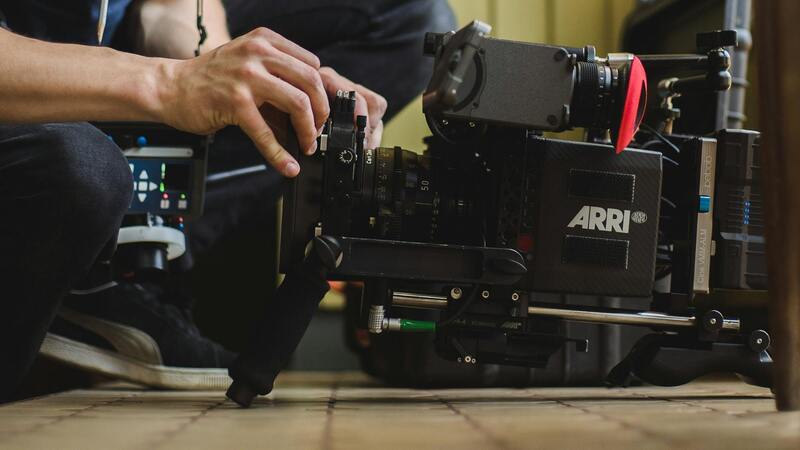
- Video Capture and Switching: Professional-grade cameras capture live footage, which is then dynamically switched using specialized hardware to deliver a cohesive visual narrative.
- Audio Management: Sound engineers manage microphone setups, ambient acoustics, and sound mixing to ensure clarity and balance across the broadcast.
- Graphics and Overlays: Real-time graphics, logos, and lower thirds are integrated to reinforce branding and provide contextual information to viewers.
- Streaming Infrastructure: High-capacity encoders and streaming servers transmit the content securely and reliably, optimized for different platforms and bandwidth conditions.
Importance of Integrated Technical Approaches
Utilizing the latest in high-definition camera technology, reliable encoding solutions, and advanced streaming platforms ensures a broadcast that meets industry standards. Cutting-edge solutions such as 4K resolution significantly enhance image clarity, making the viewing experience more immersive. In addition, virtual reality (VR) and augmented reality (AR) integrations are increasingly being deployed to deliver interactive and visually captivating streams.
Content delivery networks (CDNs) play a key role in maintaining stream stability, especially for large audiences. They distribute the live stream across multiple servers around the globe, reducing latency and mitigating buffering issues. Security measures like encrypted transmissions and access control prevent unauthorized viewing and protect content integrity throughout the broadcast.
Effective troubleshooting and real-time monitoring are fundamental components of professional livestream production. Teams conduct pre-event diagnostics, perform continuous stream health checks during the broadcast, and swiftly address any technical issues that arise to deliver a seamless experience. This level of oversight is essential in environments where the quality of broadcast can directly impact audience engagement and event success.
Visual Representation of Equipment in Action
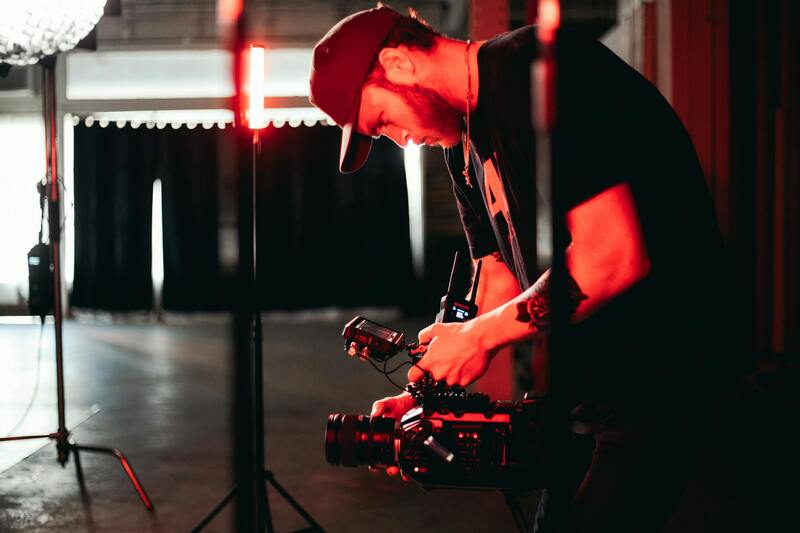
Furthermore, the adoption of emerging technologies like 4K resolution, AR, and virtual sets signifies a shift toward more immersive live experiences. These advancements allow producers to craft engaging narratives and maintain viewer interest in a competitive digital landscape.
Technical and Equipment Aspects Critical to Livestream Production
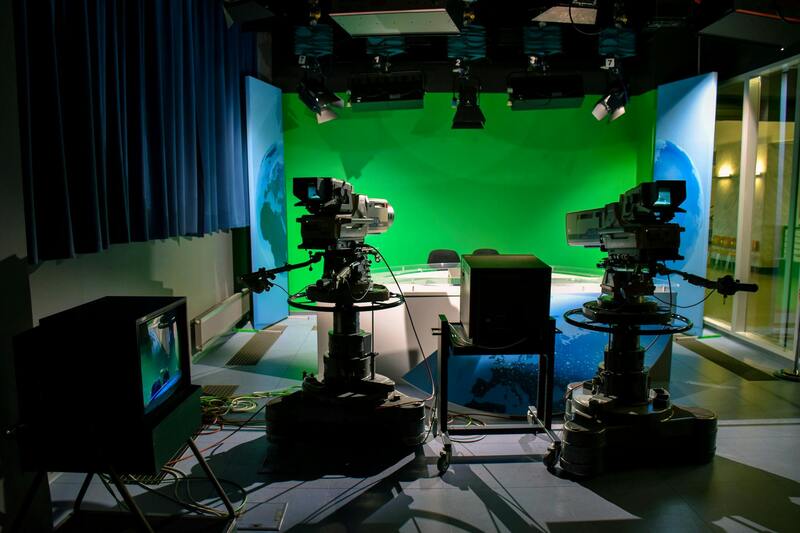
Successful livestream production hinges on deploying advanced technology and equipment designed for high-quality delivery and reliability. Central to this are professional-grade cameras, audio systems, switching consoles, and encoding devices. High-resolution cameras, often 4K-capable, capture every detail with clarity, while multiple camera angles provide dynamic perspectives that enhance viewer engagement. These cameras are typically paired with high-fidelity microphones and sound mixers to ensure crisp, balanced audio that complements the visual content.
Switching consoles are pivotal in seamlessly transitioning between different camera feeds, graphics, and video sources, enabling smooth, visually appealing broadcasts. These systems support real-time video editing, overlays, and transitions, allowing producers to craft a polished presentation. Encoding hardware, often integrated into or linked with streaming software, compresses the video feed into stable digital streams optimized for internet delivery. Secure, reliable internet connectivity, often with dedicated bandwidth or backup solutions, is essential to prevent interruptions during the live event.
Aside from the core video and audio components, supplementary equipment such as video monitors, field production units, and streaming servers play an integral role. Video monitors provide live feedback for the production team, ensuring feeds are correctly captured and transmitted. Streaming servers facilitate distribution, often leveraging Content Delivery Networks (CDNs) that optimize delivery speed and stability across diverse geographic regions.
Preparing for a Result-Oriented Livestream Event
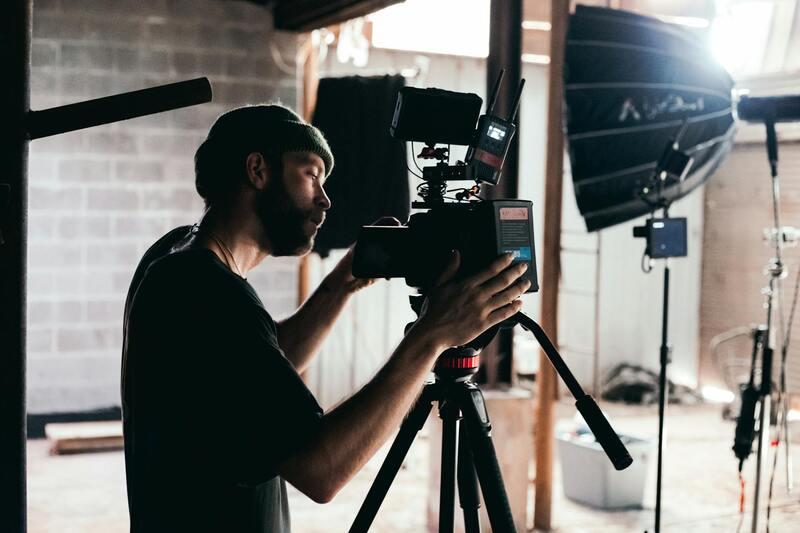
Meticulous planning and preparation form the backbone of successful livestreams. Establishing clear objectives, understanding the target audience, and deciding on the event format are foundational steps. Coordination with clients to develop a detailed production plan ensures alignment on content, timing, and technical requirements.
Pre-event rehearsals are indispensable, allowing technical teams to verify equipment functionality, test internet stability, and fine-tune camera angles and lighting. These rehearsals also help identify potential issues and develop contingency protocols, minimizing disruptions during the live event.
Content organizers should prepare comprehensive scripts or cues, coordinate graphic overlays, and establish communication channels between on-site and remote teams. Effective scheduling and time management ensure that all segments of the livestream proceed smoothly, maintaining audience engagement from start to finish.
Emerging Technologies Shaping the Future of Livestream Production
As technology evolves, so do the possibilities in livestream production. 8K resolution is on the horizon, promising unprecedented detail and viewing experience. Virtual reality (VR) and augmented reality (AR) integration are transforming live streams into immersive experiences, enabling viewers to virtually step into the event environment or interact with digital overlays.
Artificial intelligence and machine learning algorithms are being employed to automate camera tracking, audience analytics, and content personalization, making livestreams more engaging and tailored to viewer preferences. Cloud-based production tools facilitate collaborative workflows, allowing teams to manage and edit live content remotely in real time.
Blockchain technology is beginning to play a role in securing content rights and ensuring transparent monetization models for streamed media. As these innovations mature, producers will have the opportunity to craft highly interactive, immersive, and secure live experiences that resonate deeply with viewers.
Technology and Equipment Used in Livestream Production
Professional livestream production relies heavily on cutting-edge hardware and software to deliver seamless and high-quality broadcasts. A comprehensive setup begins with high-definition cameras capable of capturing dynamic visuals from multiple angles. These cameras often include PTZ (pan-tilt-zoom) models for flexible coverage and remote operation, providing flexibility and precision during live events.
Encoding hardware is crucial in converting camera footage into digital streams compatible with various platforms. Hardware encoders ensure real-time compression and transmission, minimizing latency and buffering issues. Streaming platforms require robust broadband connectivity, often backed by redundant internet connections to avoid interruptions, especially during critical moments of a broadcast.

Audio quality is equally vital, with professional microphones, mixers, and soundboards employed to capture clear, balanced sound. Wireless microphones and in-ear monitors facilitate mobility and clear communication among on-site personnel. Audio mixing allows for real-time adjustments, ensuring dialogue, music, and sound effects are perfectly balanced.
Software solutions play a pivotal role in managing live content. Production switchers enable seamless switching between camera feeds and overlays, while graphics management software facilitates dynamic overlays, subtitles, and branding elements. These tools allow producers to create engaging and visually appealing streams that reflect the event’s branding and theme.
Furthermore, backup systems—including secondary encoders, power supplies, and internet connections—are implemented to ensure uninterrupted transmission. Redundant infrastructure is essential in maintaining broadcast continuity, especially for high-stakes events.
Emerging technologies are increasingly integrated into livestream production workflows. Cloud-based platforms offer remote collaboration tools that enable production teams to manage broadcasts from any location, collaborating on content edits and overlays in real time. Additionally, AI-powered solutions assist in automating camera tracking and audience analytics, enriching the viewer experience by personalizing interactions and content recommendation.
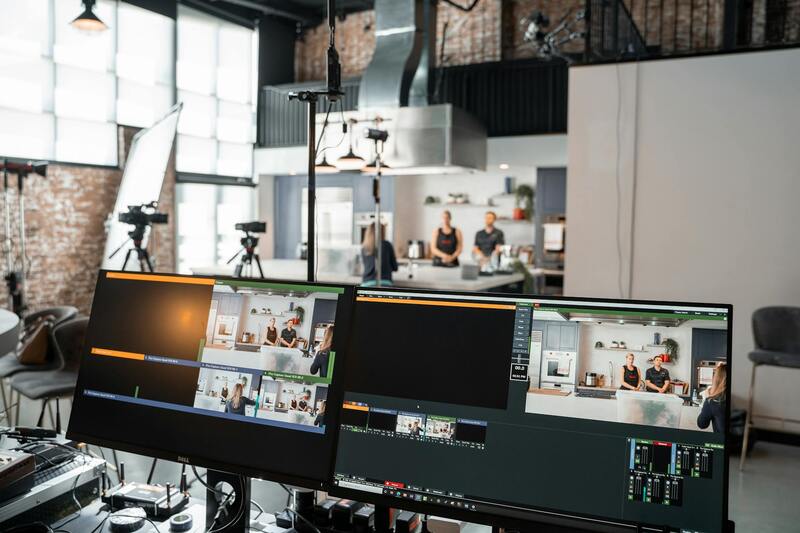
In Miami, partnering with experienced providers ensures access to this sophisticated equipment and the technical expertise necessary. These providers deploy state-of-the-art gear backed by rigorous testing and maintenance, ensuring flawless execution during each event. As the demand for high-quality live streaming rises, the continuous evolution of hardware and software solutions remains central to delivering compelling digital experiences that meet client expectations and audience engagement standards.
Implementing Web-Based and Cloud Solutions for Seamless Broadcasts
Modern livestream production in Miami increasingly relies on web-based and cloud-integrated platforms to enhance flexibility and scalability. These solutions enable remote management of live streams, allowing producers to oversee multiple feeds, insert graphics, and manage audio from any location with internet access. Cloud collaboration tools facilitate real-time editing of content, overlay adjustments, and viewer engagement features, ensuring a dynamic broadcast experience without geographical constraints.
Furthermore, cloud-based storage solutions streamline the management of media assets, making it easier to access and update content on the fly. This flexibility is crucial for live events requiring rapid content changes, such as breaking news coverage or interactive panel discussions. By leveraging these advanced digital solutions, Miami-based livestream production providers can deliver highly professional, adaptable streams that meet the specific demands of diverse clients.
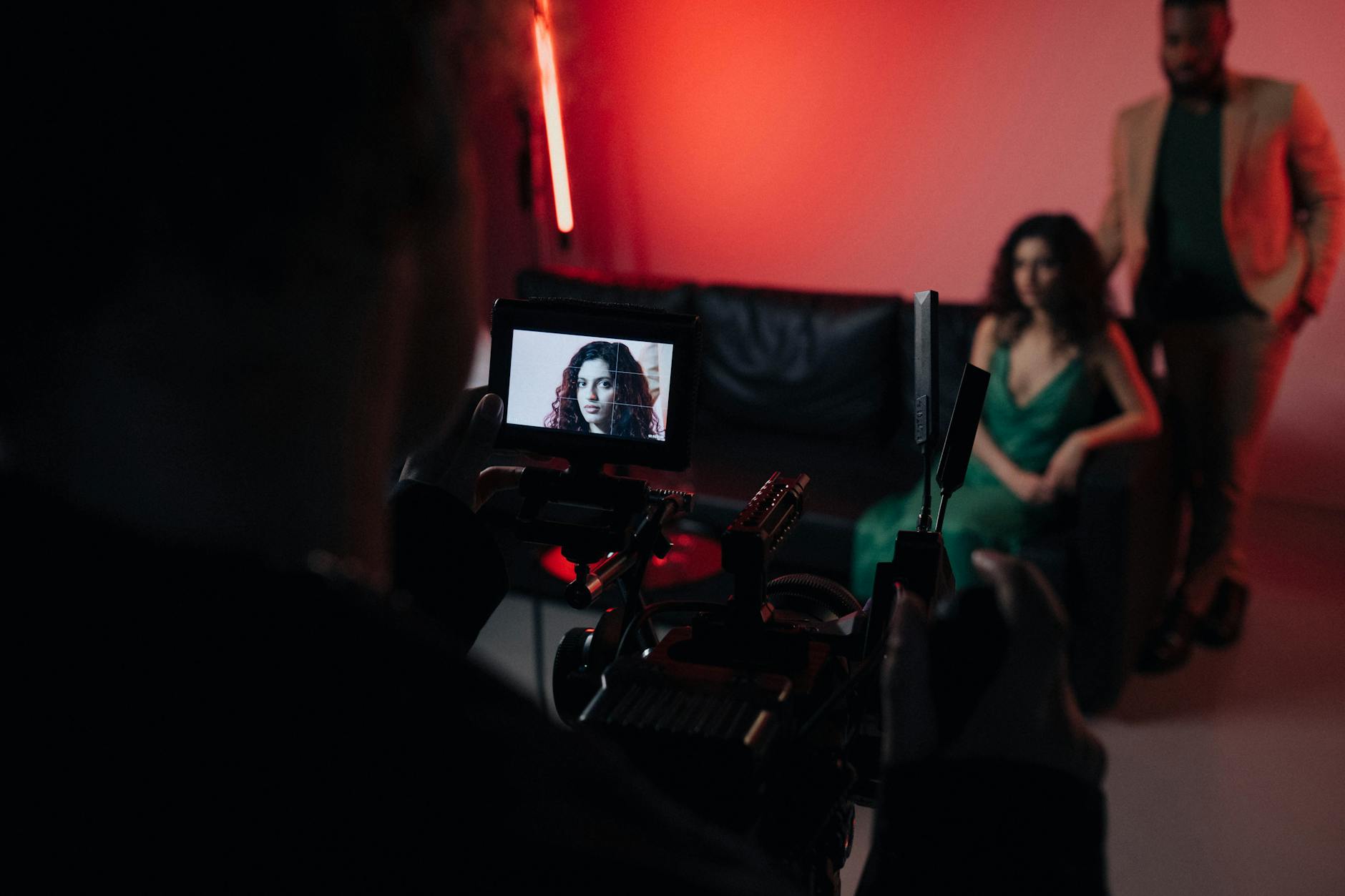
Customizable user interfaces and control dashboards are also part of modern livestream setups, providing producers with intuitive tools to monitor stream health, switch between camera angles, and incorporate live graphics effortlessly. These technologies reduce latency, improve synchronization, and elevate the overall quality of the broadcast, ensuring a polished presentation for viewers.
Training and Skilled Workforce in Livestream Production
High-quality livestreams require a skilled team with comprehensive training on the latest equipment and software. Miami production companies invest in ongoing education for their technicians, editors, and directors, ensuring they are proficient in handling complex live scenarios. Certifications and specialized training programs uphold industry standards and ensure staff can troubleshoot issues efficiently, minimizing downtime during broadcasts.
Additionally, experienced crew members are adept at multitasking during live events, managing multiple camera feeds, audio levels, and graphic overlays simultaneously. Building a reliable, coordinated team is essential for maintaining professional standards, especially during large-scale or high-stakes productions where audience perception hinges on flawless execution.

Post-Event Content Management and Analysis
Post-production processes are integral to the complete livestream experience. Recorded streams can be archived, edited, and repurposed for on-demand viewing, social media sharing, or promotional use. Miami providers typically utilize robust content management systems that streamline the organization, editing, and distribution of broadcast footage.
Data analytics tools are utilized post-event to evaluate viewer engagement, geographic reach, and interaction patterns. These insights inform future content strategies, helping clients optimize their live streaming approach for better audience retention and participation. Metrics such as viewership numbers, comments, shares, and engagement duration help shape more targeted and effective livestream campaigns.

Furthermore, content highlights and key moments can be extracted and repurposed into marketing materials, increasing the longevity and impact of the broadcast. This integrated approach to post-production and analytics ensures clients maximize their investment in livestream production services and continuously enhance their digital outreach initiatives.
Advanced Techniques and Strategies for Effective Livestream Production
To ensure that livestream events resonate with audiences and meet desired objectives, employing advanced techniques and strategic planning is essential. These methods go beyond basic setup, encompassing comprehensive aspects of broadcast engineering, content delivery, and audience engagement. High-quality livestreams rely on a combination of cutting-edge technology, meticulous planning, and professional execution.
Utilizing Multi-Camera Configurations
Implementing multi-camera setups allows for dynamic viewing experiences by capturing different angles, close-ups, and wide shots. This technique helps in creating a cinematic feel, maintaining viewer interest, and emphasizing key moments during the event. Proper coordination among camera operators and seamless switching between feeds are critical to delivering a polished presentation.
Real-Time Switching and Graphics Integration
Professional livestream production incorporates real-time switching between multiple video sources, overlaying graphics, charts, and titles to enhance visual appeal. This integration requires sophisticated switching equipment and skilled operators capable of managing transitions smoothly, ensuring a coherent flow of content. Custom graphics can incorporate branding elements, sponsor logos, and real-time information, elevating the production quality.
Audio Engineering for Clear Sound
High-fidelity audio is fundamental to professional livestreams. Utilizing high-quality microphones, audio mixers, and sound processing tools ensures clarity, balance, and consistency across various audio feeds. Skilled audio engineers monitor sound levels throughout the broadcast, reducing feedback, background noise, and audio dropouts, thereby providing viewers with an immersive audio experience.
Live Monitoring and Technical Support
Continuous monitoring of video and audio feeds during the event allows technicians to swiftly address issues that may arise. This proactive approach minimizes disruptions and maintains broadcast stability. Technical support teams also oversee internet connectivity, encoding hardware, and streaming platforms, ensuring uninterrupted transmission and optimal quality.
Audience Interaction and Engagement
Interactive features such as live chat, Q&A sessions, polls, and social media integration foster active viewer participation. Implementing these elements requires coordination between production staff and moderators, creating an engaging environment that encourages audience retention and participation. Incorporating real-time feedback enhances the overall experience and helps event organizers gauge viewer sentiments.
Post-Stream Content Curation and Distribution
Effective post-event content strategies include editing highlights, creating promotional clips, and archiving footage for on-demand access. Content management systems streamline the process, allowing for efficient editing, tagging, and distribution through various digital channels. Data analytics gathered from the livestream provide insights into viewer demographics, engagement levels, and content preferences, informing future event planning.