
Understanding Live Stream Production
Live stream production has emerged as a critical component in today’s digital communication landscape, particularly within the vibrant business and entertainment sectors of Miami. This process involves the comprehensive planning, setup, execution, and management of real-time video broadcasting. Its goal is to deliver seamless, high-quality content to a remote audience, whether for marketing, event coverage, educational purposes, or entertainment. The significance of professional live stream production lies in its ability to elevate brand visibility, enhance audience engagement, and create immersive experiences that foster loyalty and trust.
At its core, live stream production encompasses multiple stages and specialized tasks. The journey begins with extensive planning—defining objectives, understanding target audiences, and selecting appropriate platforms. This is followed by technical preparation, including the configuration of equipment and software that facilitate smooth content delivery. During the actual broadcast, production teams manage camera operations, audio quality, lighting, and visual effects, ensuring the presentation remains professional and engaging.
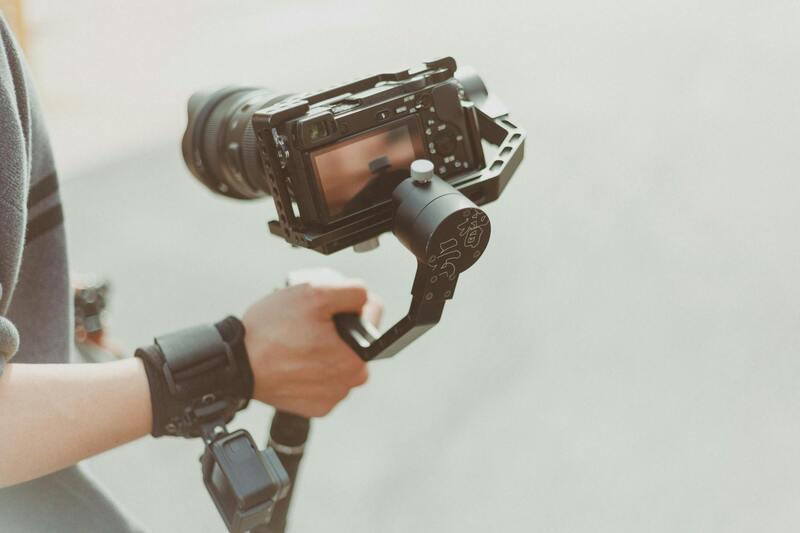
A key component of live stream production is ensuring reliable connectivity, as the stability of internet services directly impacts stream quality and viewer experience. Additionally, integrating graphics, on-screen text, and interactive elements enhances the content’s value and keeps audiences engaged. The primary objectives are to deliver the intended message clearly, maintain technical quality, and create a memorable viewer experience that aligns with the brand or event goals.
In Miami's dynamic environment, professional live stream production services serve diverse sectors—including corporate communications, music festivals, sports events, virtual conferences, and cultural showcases. The increasing demand stems from the expanding necessity for remote engagement and the advantages of instant, wide-reaching dissemination of live content. Consequently, mastering the essentials of live stream production equips businesses and organizers with powerful tools to reach their audiences effectively, ensuring their message resonates in the digital age.
Essential Techniques for Producing High-Quality Live Streams
Achieving a professional live stream requires meticulous planning and execution of several key techniques that ensure seamless delivery and optimal viewer engagement. One of the foundational methods involves multi-camera setups, which allow for dynamic scene changes and a more engaging viewing experience. By strategically positioning cameras on different angles, producers can create a visually compelling broadcast that maintains viewer interest throughout the event.
Another critical method focuses on audio management. High-quality microphones, audio mixers, and soundproofing measures are essential to capture clear sound and eliminate ambient noise. Precise audio synchronization ensures that speech, music, or other audio elements align perfectly with video, fostering professionalism and clarity in the broadcast.
Lighting techniques also play a pivotal role in live stream production. Proper lighting not only enhances the visual clarity but also highlights key elements on stage or set, creating a polished and vibrant appearance. Techniques such as three-point lighting, diffused light sources, and color temperature adjustments are common practices used to achieve consistent illumination, even in diverse shooting environments.
Incorporating Visual and Interactive Elements
Enhancing live streams with graphics, overlays, and on-screen text can significantly improve communication and branding. Live graphics provide real-time data, such as countdowns, sponsors’ logos, or key information, making the broadcast more informative and visually appealing. Interactive features like polls, Q&A sessions, and chat overlays also foster audience participation, transforming passive viewers into active participants and increasing overall engagement.
Ensuring Connectivity and Stream Stability
Reliable internet connectivity is fundamental to maintaining high-quality streams. During production, dedicated fiber-optic connections or backup internet options should be in place to prevent disruptions caused by network instability. Additionally, monitoring bandwidth usage and optimizing encoding settings help sustain a stable stream, especially during high viewer traffic or complex visual effects.
Implementing Effective Production Workflow
Developing a streamlined workflow from pre-production to live execution is vital. This includes detailed checklists for equipment calibration, rehearsals to test all technical components, and clearly defined roles for each team member. A rehearsed production schedule ensures smooth transitions and quick resolution of unforeseen issues, ultimately delivering a professional and frictionless live stream experience.
Leveraging Advanced Software Solutions
The utilization of sophisticated production software enables real-time switching, overlay management, and integration of multiple media sources. Platforms compatible with Miami-based projects often include features like multi-camera switching, live chroma key effects, and instant replay, allowing producers to craft a visually engaging broadcast tailored to specific audiences and event types.
Mastering these techniques and employing the right combination of equipment and workflow strategies ensure that live streams not only meet modern quality standards but also significantly enhance the event’s impact. A comprehensive approach to live stream production offers organizations in Miami the ability to deliver compelling, professional content that resonates with audiences on every platform.
Production Setup and Execution
Executing a successful live stream hinges on meticulous setup and real-time management of technical components. Prior to going live, it is essential to conduct comprehensive equipment checks, including audio levels, camera focus, lighting conditions, and stream encoding settings. Ensuring all devices are synchronized and calibrated minimizes disruptions during the broadcast.
During the live event, constant monitoring of streaming health metrics is critical. This involves observing bandwidth utilization, stream stability, and encoding performance. Employing redundant systems, such as backup cameras and secondary internet connections, offers additional security against technical failures. Properly trained personnel should be assigned to oversee these aspects, promptly addressing any issues that arise to prevent interruptions.
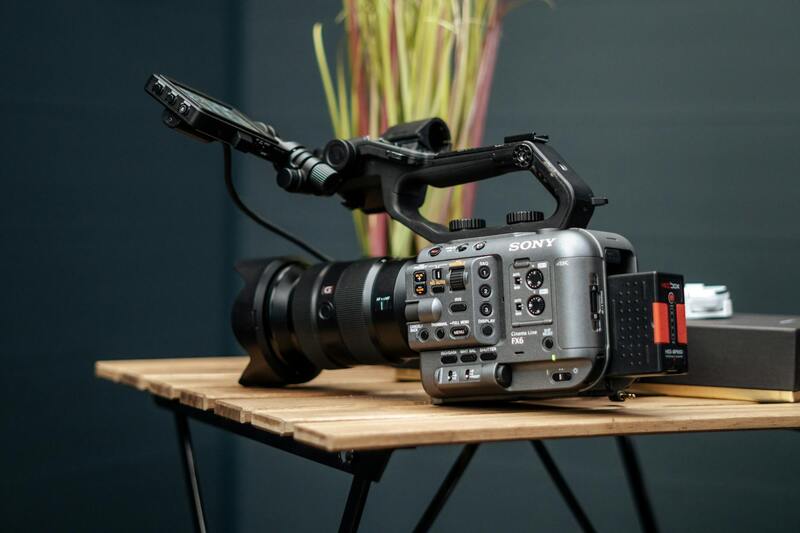
Managing Live Interactivity and Content Flow
- Implement real-time communication tools for on-set coordination.
- Utilize multi-camera feeds for dynamic presentation and audience engagement.
- Incorporate graphics, overlays, and lower thirds effectively to convey information visually.
- Streamline transitions between different segments or speakers to maintain viewer interest.
- Engage viewers through live polls, Q&A sessions, or interactive chat features, if appropriate and technically feasible.
Quality Control During Broadcast
Maintaining consistent audio and video quality is paramount. Regularly check audio feeds for clarity and consistent volume. Visual elements should be free from glitches or buffering issues, which may involve adjusting encoding bitrate or temporarily switching to lower quality streams during peak traffic. It is vital to remain adaptable, ready to troubleshoot or switch to backup sources instantly to keep the broadcast seamless.
Post-Stream Content Management
Once the live stream concludes, focus shifts to content archiving and distribution. Recorded footage should be stored securely, with metadata labeled accurately for easy retrieval and repurposing. Editing raw footage to create highlight reels or promotional clips can extend the content’s reach. Additionally, analytical data on viewer engagement and technical performance should be reviewed to inform future production improvements.
Production Setup and Execution
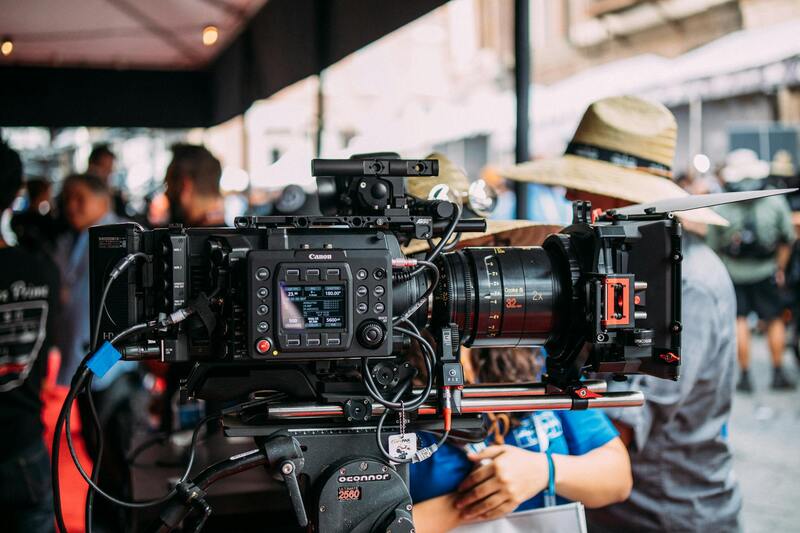
Executing a live stream requires meticulous on-site setup and coordination among various technical departments. The first step involves establishing a reliable environment where all essential equipment is properly arranged and tested before going live. This includes positioning cameras to capture multiple angles and ensuring that switching hardware can seamlessly transition between feeds, delivering a smooth visual experience for the audience. Effective camera operation hinges on precise focus, framing, and movement, which demand skilled personnel capable of adapting to dynamic on-screen action.
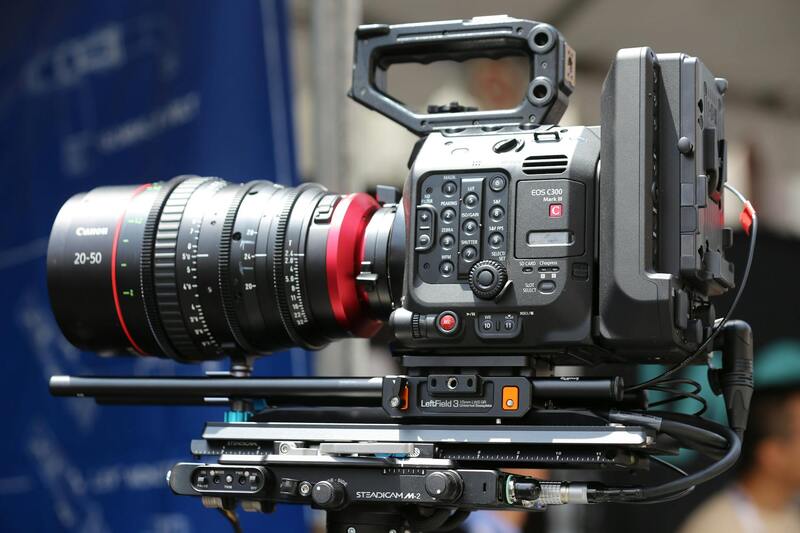
Audio management plays an equally critical role in live production. Clear sound ensures viewers receive all spoken content and background audio without distortion or distracting noise. Deploying professional microphones and mixers, along with careful placement and sound checks, enhances overall quality. Additionally, real-time audio monitoring allows for immediate adjustments, maintaining consistent sound levels throughout the broadcast.
Switching between different sources—such as cameras, computer screens, or pre-recorded videos—must be handled with precise timing. Operators utilize video switchers to control on-screen content, ensuring transitions are fluid and synchronized with the narrative flow. Concurrently, a dedicated technical director oversees the live feed, coordinating cues and responding swiftly to any technical hiccups.
Real-Time Monitoring and Troubleshooting
Continuous observation of the production ensures that all elements perform optimally. Live monitoring stations display multiple feeds, audio levels, and streaming metrics, enabling technicians to identify issues promptly. Common problems, like signal loss, audio disruptions, or visual glitches, require swift intervention. Having backup sources and redundant systems prepared minimizes downtime, maintaining a seamless viewer experience. In high-stakes environments, detailed pre-broadcast checklists and rehearsals contribute significantly to the smooth execution of the live stream.
Technical Coordination and Communication
Efficient communication channels among crew members—including the director, camera operators, audio engineers, and technical support—are essential. Using intercom systems or dedicated communication software allows instant relay of commands and updates, ensuring everyone operates in sync. Clear coordination mitigates risks of missteps, delays, or errors during the broadcast. Post-event debriefs further enhance future performances by highlighting areas for improvement.
Understanding Live Stream Production
Live stream production involves a complex interplay of technology, planning, and execution to deliver a seamless broadcast experience to viewers. It encompasses everything from capturing high-quality video footage to managing real-time audio and visual feeds, all synchronized for optimal viewer engagement. The process requires meticulous coordination among various technical and creative roles, ensuring that each element aligns perfectly during the transmission. Effective live stream production not only enhances brand visibility but also allows real-time interaction, which is vital for engaging audiences across diverse platforms.
Key Components of Live Stream Production
- Video Capture Devices: High-definition cameras and professional capture equipment are fundamental. These devices need to be capable of delivering crisp visuals suitable for large screens and online viewing platforms.
- Audio Equipment: Clear sound quality is crucial for viewer retention. Microphones, mixers, and audio processing hardware eliminate background noise and ensure balanced sound levels.
- Encoding Hardware and Software: Live encoding compresses video for streaming, maintaining quality while optimizing bandwidth. Advanced encoding solutions enable adaptive streaming, adjusting quality based on viewer connection speeds.
- Streaming Platforms and CDNs: Reliable content delivery networks (CDNs) distribute content seamlessly across the internet, minimizing latency and buffering issues.
- Control and Switching Systems: Video switchers, multi-view monitors, and graphic overlays facilitate real-time content management, allowing producers to switch between cameras, display pre-recorded videos, and insert live graphics.
Importance of Technical Coordination and Crew Communication
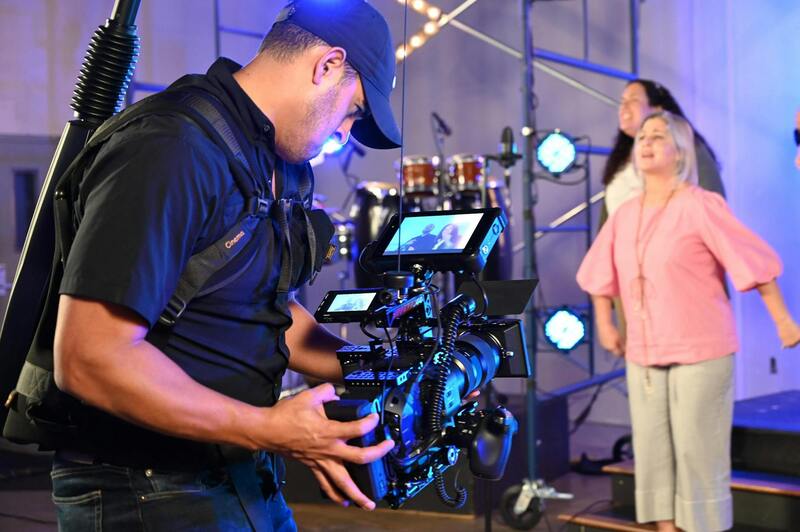
Efficient communication channels among the production team are vital for a smooth broadcast. Directors, camera operators, technical support staff, and audio engineers work in tandem, often using dedicated intercom systems or software. This setup allows for instant updates, command dispatch, and quick decision-making in response to live events or technical glitches. Detailed pre-show rehearsals are standard practice to ensure everyone understands their roles, timings, and contingency procedures. Such preparation minimizes risks and helps in delivering a polished live stream that meets quality standards and viewer expectations.
Advanced Streaming Techniques and Optimization Strategies
Maximizing the quality and reach of a live stream involves implementing sophisticated techniques that enhance viewer experience and ensure reliable delivery. Adaptive bitrate streaming is a critical strategy, allowing the stream to dynamically adjust its quality based on real-time viewer bandwidth. This approach minimizes buffering and ensures smooth playback, regardless of device or network fluctuations. Implementing multi-bitrate encoding requires robust hardware or software solutions capable of generating multiple streams simultaneously, providing flexibility in distribution.
Content Delivery Networks (CDNs) play an essential role in scaling live streams efficiently. Utilizing a reputable CDN optimizes server load distribution and reduces latency, which is particularly important for large audiences spread across different geographic locations. The selected CDN should offer features such as geo-replication, edge caching, and adaptive delivery to ensure viewers experience minimal delays and high-quality playback.
Implementing Interactive and Multi-Platform Streaming
Integrating interactive elements enhances viewer engagement and retention during live streams. Incorporating features like live polls, Q&A sessions, or audience chat allows real-time interaction, creating a more immersive experience. These features require specialized software or platforms that can seamlessly embed interactivity without disrupting the core broadcast.
Additionally, multi-platform streaming extends the reach of the live event across various social media channels, websites, and specialized streaming services. Distributing content across multiple platforms necessitates synchronized encoding and optimized workflows to ensure consistent quality and timing. This multi-channel approach broadens visibility and provides multiple avenues for audience engagement.
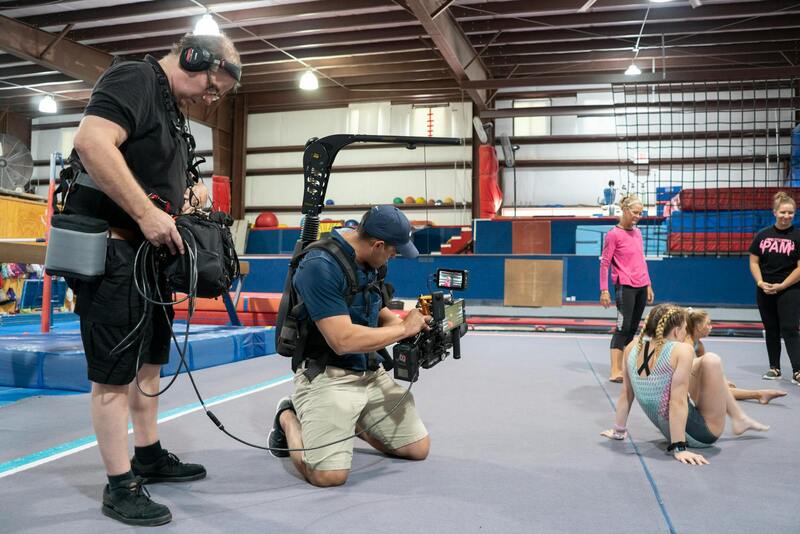
Technical teams must establish stringent quality control measures, including real-time monitoring and analytics, to swiftly identify and resolve issues during the broadcast. Analytical tools offer insights into viewer behavior, stream stability, and technical performance, informing decisions that improve future productions.
Post-Production and Content Utilization
Following the live event, the recorded content offers opportunities for continued engagement and revenue generation. Effective editing can highlight key moments, creating shorter clips suitable for marketing or promotional campaigns. Archiving the raw footage provides valuable material for creating highlight reels, tutorials, or retrospective presentations.
Repurposing content across different channels maximizes exposure and sustains audience interest. Edited summaries can be shared on social media platforms, embedded in websites, or used in email marketing campaigns. Additionally, transcripts and captured data can support content localization and accessibility efforts, ensuring broader reach and compliance with diverse audience needs.
Ensuring Quality Control During Live Stream Production
Maintaining high-quality output throughout the live stream is crucial for engaging viewers and delivering a professional experience. This involves rigorous pre-broadcast checks, real-time monitoring, and swift troubleshooting when issues arise. Producers should employ dedicated team members trained in technical oversight to oversee the streaming process, ensuring that audio levels, video quality, and stream stability meet established standards.
Real-time monitoring tools enable the production team to track key performance indicators such as stream latency, bit rate, and viewer engagement metrics. These tools help identify potential issues before they impact the viewer, allowing for immediate corrective actions. For example, if a drop in video frame rate or audio distortion occurs, the team can adjust encoding settings or switch to backup hardware to restore quality seamlessly.
Consistent communication among the technical crew is essential. Clear protocols should be established for reporting and resolving issues swiftly, minimizing viewer disruption. Backup systems, including redundant internet connections and secondary hardware, are vital components to guarantee uninterrupted streaming even in case of technical failures.
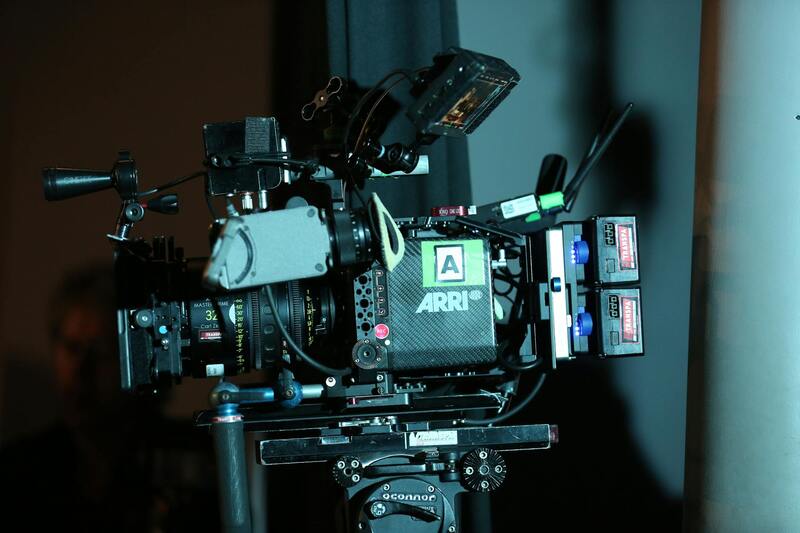
Additionally, integrating analytics during the live event provides valuable insights into viewer engagement and stream performance. These data points allow producers to make real-time adjustments, such as modifying stream quality based on bandwidth conditions, thereby optimizing both viewer experience and resource utilization.
Advanced encoding solutions, capable of adaptive bitrate streaming, enable dynamic adjustment of video quality based on network conditions. This flexibility helps prevent buffering issues and maintains the integrity of the broadcast across devices and connection types.
Post-Stream Content Management and Optimization
After the live event concludes, the recorded material becomes a valuable asset for ongoing engagement. Proper archiving of raw footage facilitates future repurposing, whether for promotional content, tutorials, or highlights. Editing tools allow producers to extract relevant segments, crafting short clips that can be integrated into marketing or social media campaigns.
Transcribing the stream’s audio offers additional benefits, including improved accessibility and broader content reach. Transcripts can be utilized for subtitles, SEO enhancements, and content localization, ensuring that your message resonates with diverse audiences.
The process of evaluating stream analytics post-event provides crucial insights into audience behavior, technical performance, and content efficacy. This data guides strategic decisions for subsequent broadcasts, helping to refine production workflows and enhance viewer retention. Tracking metrics such as viewer retention rate, peak concurrent viewers, and engagement duration informs adjustments to content format, timing, and delivery methods.

Leveraging cloud-based storage solutions ensures secure, scalable access to recorded streams and production assets. Quality-controlled post-production editing enables the creation of tailored clips for different platforms, maximizing content value across social channels, websites, and email campaigns.
Legal, Accessibility, and Compliance Considerations
Ensuring that your live stream production adheres to established guidelines and best practices is essential for a smooth and professional broadcast. This includes implementing appropriate accessibility features such as closed captioning, which makes content accessible to viewers with hearing impairments and broadens overall audience reach. Utilizing captioning tools and services allows for real-time or post-production addition of subtitles, enhancing viewer engagement and comprehension.
Another critical component involves managing rights and permissions related to the content being streamed. It’s vital to secure necessary licenses for music, visuals, and any third-party material incorporated into your broadcast. Proper attribution and licensing not only uphold content integrity but also foster a respectful and compliant production environment.
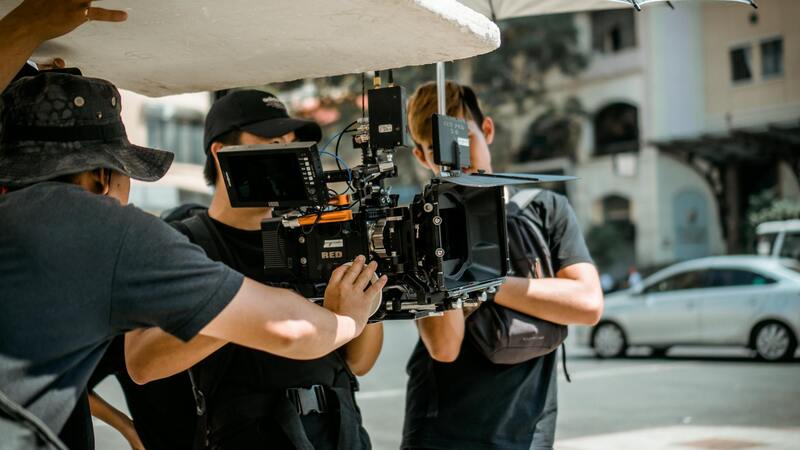
Technical considerations around network stability and data security are equally important. Employing secure, reliable internet connections reduces the risk of interruptions or data breaches. Features such as encrypted data transmission safeguard sensitive information transmitted during the streaming process.
Implementing Quality Control Measures
Establishing quality control protocols helps maintain high production standards. This includes pre-broadcast testing of equipment, verifying audio-visual synchronization, and conducting trial runs to identify potential issues before going live. During the event, continuous monitoring of the stream for issues like latency, buffering, or audio distortions allows immediate corrective actions.
Documentation and Record Keeping
Maintaining comprehensive records of your streaming processes, permissions, and any related legal documentation streamlines future productions and ensures accountability. This documentation can include contracts, licensing agreements, accessibility compliance reports, and technical specifications.
Moreover, familiarizing oneself with platform policies and community guidelines helps prevent content violations that could lead to stream interruptions or content removal. Proactive management of these compliance aspects not only upholds professional standards but also enhances brand reputation and viewer confidence in your live streaming endeavors.