
Understanding Event Livestreaming Services
Event livestreaming has become a vital component for organizations and individuals seeking to extend the reach of their live gatherings to remote audiences. This service involves the real-time transmission of events over the internet, allowing viewers to participate virtually regardless of their physical location. The process relies on a blend of advanced technology and dedicated platforms to ensure seamless delivery of high-quality video and audio content to viewers worldwide.
The core technology behind livestreaming combines high-definition video capture, robust encoding devices, and reliable internet connections. Video cameras and microphones record the event, while encoding hardware or software compresses the raw footage into formats suitable for online streaming. The compressed signal is then transmitted via streaming servers or content delivery networks (CDNs) to viewers’ devices, such as computers, smartphones, or smart TVs.
Popular platforms used for event livestreaming include enterprise solutions like Vimeo Livestream, YouTube Live, Facebook Live, and dedicated services provided by event production specialists. These platforms offer features such as chat integration, multiple camera feeds, live switching, and analytics tracking, which enhance viewer engagement and provide valuable insights post-event. Choosing the appropriate platform depends on the event type, expected audience size, and specific technical requirements.

Effective event livestreaming integrates several critical components:
- Capture Devices: High-resolution cameras, audio mixers, and microphones.
- Encoding Equipment: Hardware or software that compresses video feeds for online delivery.
- Streaming Platforms and CDN: Services that distribute the live feed to viewers across different locations efficiently.
- Reliable Internet Connection: High-bandwidth internet ensures uninterrupted streaming, minimizing latency and buffering issues.
Quality control and technical support are paramount throughout the process. Skilled technicians handle camera angles, audio quality, encoding settings, and streaming health checks to ensure the live broadcast runs smoothly, engaging viewers effectively and providing an immersive online experience.
Types of Events Covered by Livestreaming Companies
Event livestreaming companies in Miami are equipped to handle a diverse range of occasions, ensuring high-quality digital coverage tailored to each event's unique requirements. These services span corporate functions, cultural festivals, sports competitions, educational seminars, charitable galas, religious gatherings, and private celebrations such as weddings and anniversary parties.
For corporate clients, livestreaming companies facilitate conferences, product launches, board meetings, and investor presentations, often incorporating multiple camera angles, real-time translation, and interactive Q&A features that enable remote participation. In the realm of entertainment and cultural events, companies provide live coverage of concerts, art exhibitions, parades, and theater productions, capturing the vibrancy and atmosphere for a wider audience.
Sports events demand fast reactions and minimal latency to deliver seamless, real-time broadcasting of competitions, from local tournaments to larger regional matches. Educational institutions utilize livestreaming for virtual classes, seminars, and graduation ceremonies, expanding access and engagement beyond physical boundaries. Religious organizations rely on live streaming to reach congregants who are unable to attend in person, maintaining community connection through accessible online outlets.
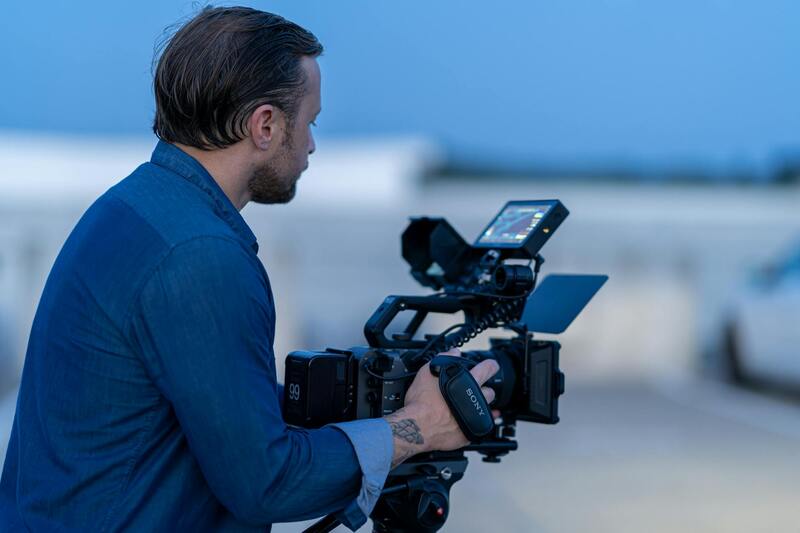
Each of these event types requires a tailored approach in terms of technology, crew, and production flow. For example, a corporate seminar might prioritize clarity of presentation and interactive features, whereas a sports event emphasizes real-time action shots and instant replays. The infrastructure must be adaptable and scalable to meet the diverse demands of each occasion, reflecting the importance of choosing a partner with experience across multiple event formats.
Furthermore, the integration of additional media elements like pre-recorded content, overlay graphics, and live polls can heighten viewer engagement and make remote participation more dynamic. Exact coordination with event organizers is crucial to ensure that the livestream aligns seamlessly with the event schedule, venue logistics, and overall objectives.
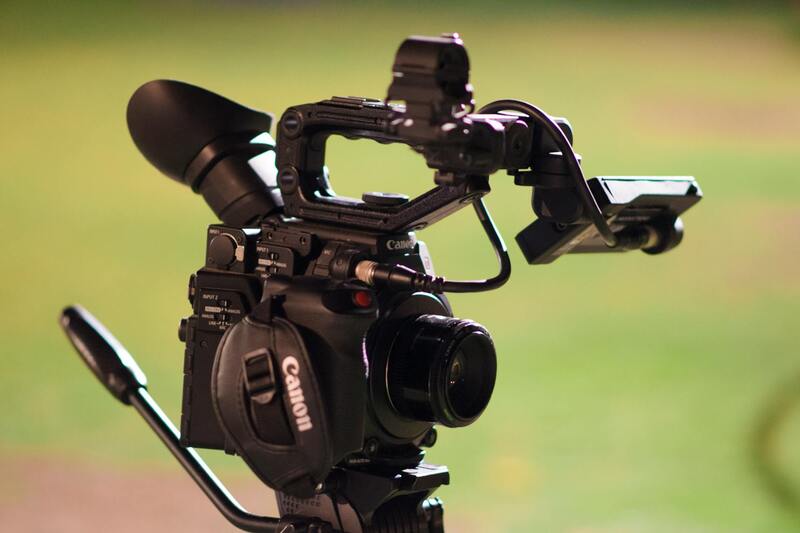
In summary, a proficient event livestreaming company in Miami is capable of seamlessly broadcasting a wide spectrum of events, leveraging cutting-edge technology and skilled personnel to transcend physical limitations and bring unforgettable online experiences to audiences near and far. Their expertise ensures that each event's unique essence is captured and shared with precision and professionalism.
Key Equipment and Technology Used
To guarantee a seamless and professional livestream, a reputable event livestreaming company in Miami invests in a robust array of equipment and cutting-edge technology. This small yet vital component stack ensures exceptional image clarity, smooth audio, and reliable streaming performance, regardless of the event's complexity or size.
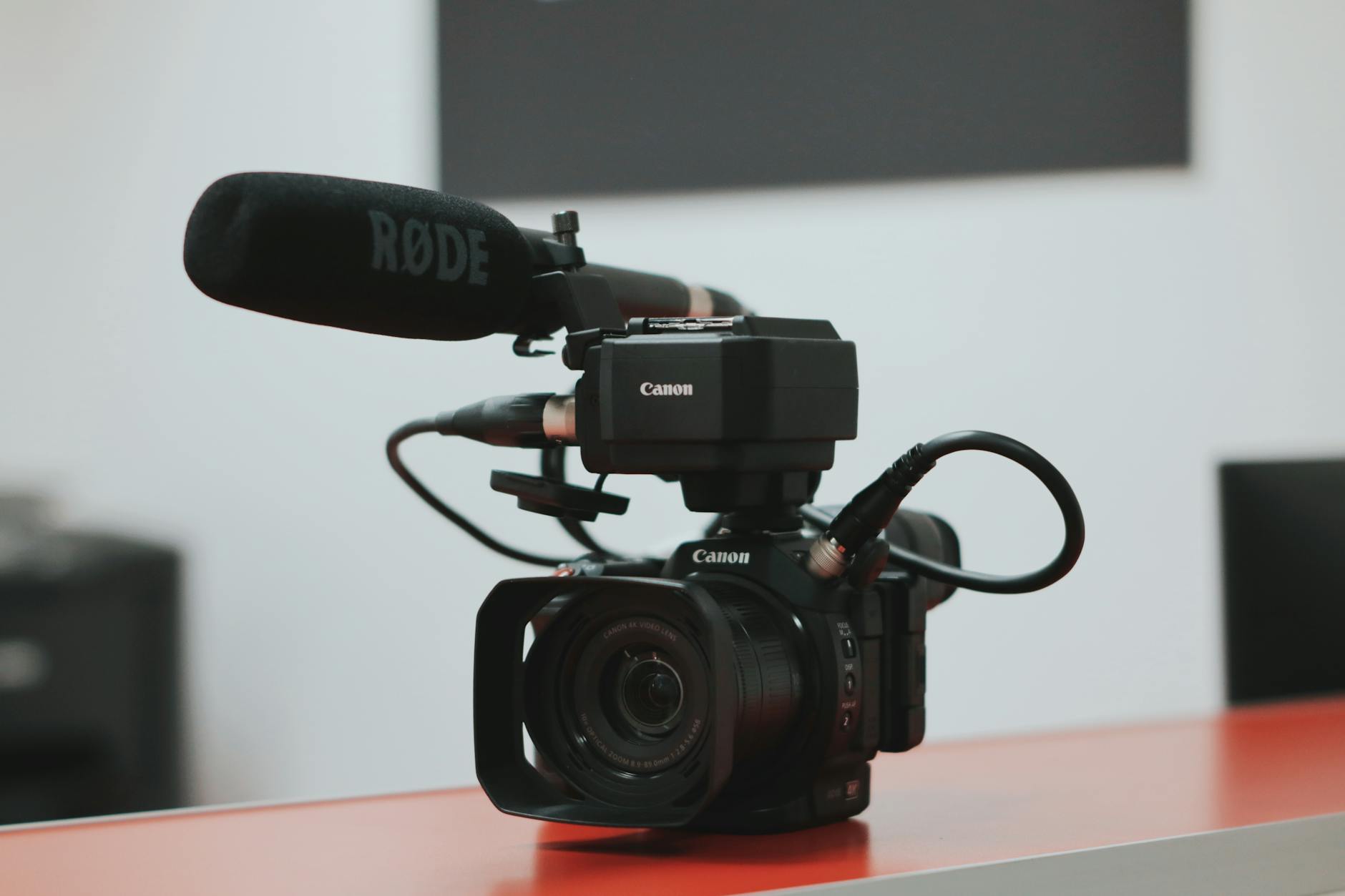
- High-Definition Cameras: Professional-grade cameras with 4K or Full HD capabilities capture every detail with crispness, allowing viewers to feel immersed in the event from afar. Multiple camera angles can be utilized to provide dynamic perspectives, particularly useful during conferences, performances, or panel discussions.
- Audio Equipment: Clear audio delivery is critical for viewer engagement. Lavalier microphones, boom microphones, and mixer consoles ensure speech and live sounds are captured with fidelity, reducing noise and distortion. With high-quality wireless microphones, speakers and performers can move freely without sacrificing audio quality.
- Streaming Hardware and Encoders: Hardware encoders convert video signals into streaming formats compatible with various platforms. These devices support multiple input sources, enabling seamless switching between cameras, pre-recorded content, and graphics overlays in real time.
- Reliable Internet Connectivity: A dedicated, high-bandwidth internet connection with backup options prevents interruptions during live broadcasts. In Miami, utilizing fiber optic internet or bonded cellular devices guarantees stable and fast data transmission, crucial for maintaining stream quality.
- Production Control Systems: Video switchers, live graphics generators, and multi-view monitors allow producers to manage content flow effectively. These tools facilitate on-the-fly overlays, transitions, and real-time edits, elevating the viewer experience.
- Lighting Solutions: Proper lighting is essential to enhance visual quality. LED panels and diffusers ensure participants and speakers are evenly illuminated, preventing shadows and highlighting key moments during the event.

Factors to Consider When Hiring a Miami Livestreaming Company
Selecting the right partner for your event livestream involves a comprehensive evaluation of several key factors. High-quality execution hinges on technical expertise, experience, and a keen understanding of your specific event needs.
- Experience and Portfolio: Review the company’s track record with similar events to gauge their proficiency. A seasoned team should provide case studies or testimonials demonstrating their capability to handle various formats—from corporate seminars to large-scale festivals.
- Technology and Infrastructure: Confirm that the provider uses state-of-the-art equipment and the latest streaming platforms. Up-to-date technology minimizes risks of technical failures and enhances the overall broadcast quality.
- Customization and Flexibility: Your event may require tailored solutions, such as multi-camera setups, interactive features, or bilingual streams. A professional company should be adaptable and capable of integrating additional media and engagement tools as needed.
- Reputation and Client Feedback: Seek reviews and references to understand the company’s reliability, responsiveness, and professionalism. A reputable partner demonstrates a commitment to excellence and client satisfaction.
- Post-Event Support: Beyond the live broadcast, inquire about archive options, on-demand content, and editing services. These components extend the value of your event and facilitate ongoing engagement with your audience.
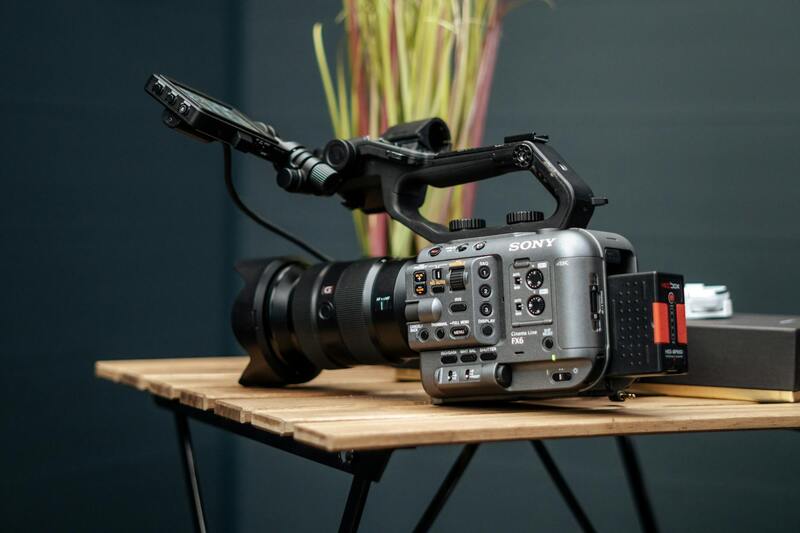
Planning and Coordination for Successful Livestreams
Effective pre-event planning and real-time coordination are indispensable for a flawless live stream. This process entails detailed discussions with the client to understand event goals, schedule, and unique requirements.
Key steps in the planning phase include:
- Pre-Production Meetings: Outlining the event timeline, audience engagement strategies, and technical logistics. Clarifying the roles of each team member ensures smooth execution.
- Site Surveys and Technical Rehearsals: Visiting the venue beforehand allows the team to assess lighting, acoustics, power sources, and internet connectivity. Rehearsals facilitate testing of all audiovisual components and streaming platforms, reducing the likelihood of issues during the live event.
- Coordinate with Event Organizers: Ensuring the streaming schedule aligns with on-site activities, audio-visual cues, and speaker timing. Proper synchronization guarantees that the online broadcast reflects the event’s flow accurately.
- On-Site Management and Technical Support: During the event, dedicated technicians monitor streams, troubleshoot technical problems, and coordinate camera operators and other crew members to adjust feeds and overlays dynamically.
Such meticulous planning and coordination transform an abstract concept into a captivating online event that captures all the nuances and excitement in real time.
Key Equipment and Technology Used
To ensure a seamless and professional event livestream, a reputable livestreaming company invests in advanced equipment and reliable technology. High-definition cameras are fundamental, often including multiple models such as PTZ (pan-tilt-zoom) cameras, which allow for dynamic shots and versatile viewing angles. These cameras are operated either manually or through robotic controls, providing flexibility to capture key moments from various perspectives.
Audio quality is equally vital. Professional-grade microphones, including wireless lapels, handheld mics, and line-in audio feeds, are employed to capture clear sound from speakers, performers, or presenters. These audio signals are processed through mixing consoles to balance levels, eliminate noise, and add effects as needed, ensuring the audience hears every detail without distortion.
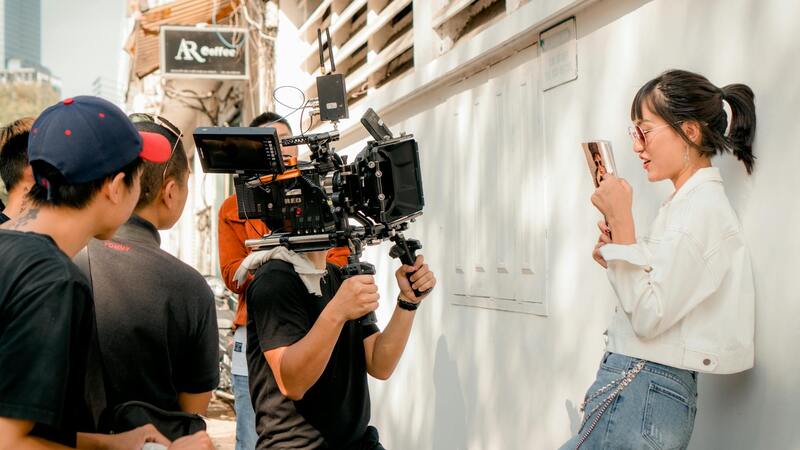
Streaming platforms form the backbone of the broadcast. Leading providers such as YouTube Live, Facebook Live, or specialized enterprise solutions are used depending on event requirements. Low-latency encoding hardware is employed to transmit the live feed with minimal delay, providing real-time interaction capabilities.
Backup solutions are integral to mitigating technical disruptions. Redundant internet connections, backup power supplies, and spare equipment for key components ensure the live stream remains stable even if technical issues occur. These measures safeguard the event’s online presence, maintaining viewer engagement regardless of unforeseen problems.
Factors to Consider When Hiring a Miami Livestreaming Company
When selecting a live streaming partner in Miami, it’s important to evaluate their technical expertise and infrastructure. A company with extensive experience knows how to tailor technology setups for different event types, whether it's a conference, concert, or corporate presentation. They should demonstrate a comprehensive understanding of AV integration, platform interoperability, and troubleshooting protocols.
Additionally, consider their portfolio of past events. Successful project execution showcases their ability to manage complex live streams with precision. Client testimonials and case studies offer insights into their professionalism, punctuality, and capacity to deliver high-quality broadcasts under strict timeframes.
Importance of On-Site Technical Support
Effective on-site technical support is critical for minimizing disruptions during live streaming. The team should include experienced camera operators, audio engineers, and streaming technicians who can dynamically adjust according to real-time needs. Live problem-solving and immediate response capabilities are essential for maintaining broadcast integrity.
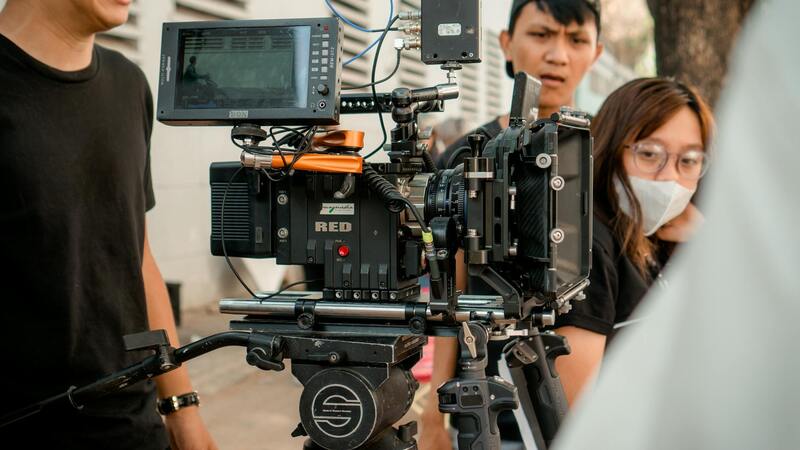
Furthermore, a reliable Miami-based livestreaming service should offer thorough pre-event testing and rehearsal sessions. These preparations include testing internet bandwidth, verifying camera and audio configurations, and ensuring synchronization across all streaming channels. Such diligence reduces the risk of technical failures during the actual event.
Comprehensive Technical Support and Rehearsal Procedures
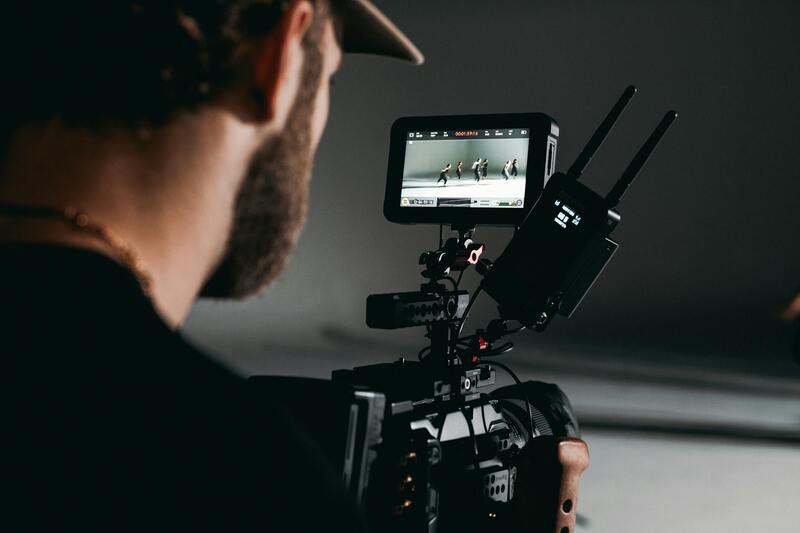
Effective technical support during a live event is essential to ensure a seamless broadcast experience. A professional Miami event livestreaming company maintains a dedicated on-site technical team comprising experienced camera operators, audio engineers, and streaming technicians. These experts work in tandem to monitor all aspects of the feed, swiftly addressing any unforeseen issues that may arise in real-time. Their ability to make immediate adjustments—whether troubleshooting signal disruptions, addressing audio glitches, or modifying camera angles—safeguards the quality of the broadcast.
Pre-event testing and rehearsals are fundamental components of a successful livestream. Such preparatory steps include comprehensive evaluations of internet bandwidth to prevent buffering or disconnections, calibration of audio levels for clarity, and synchronization checks across all streaming channels. These measures minimize the risk of technical failures and contribute to a polished viewing experience. Companies often simulate the actual event environment during rehearsals, allowing their technical teams to identify potential issues beforehand and implement solutions proactively.
Ensuring Platform Compatibility and Stream Security
Beyond hardware and on-site support, choosing a Miami event livestreaming company involves assessing their expertise in platform integration. The broadcaster should be proficient in streaming across multiple channels, such as social media platforms, dedicated websites, or proprietary apps, ensuring broad reach and accessibility for diverse audiences. Compatibility with various devices—including smartphones, tablets, and desktops—is crucial for engaging a wider viewership.
Security measures are equally vital. Professional livestreaming providers employ encryption protocols to safeguard content during transmission, reducing the risk of unauthorized access or cyber threats. Additionally, they implement robust access controls to restrict viewing to designated audiences and have protocols in place for managing unexpected disruptions or cyber incidents, maintaining the integrity of the broadcast.
Key Equipment and Technology Used in Livestreaming
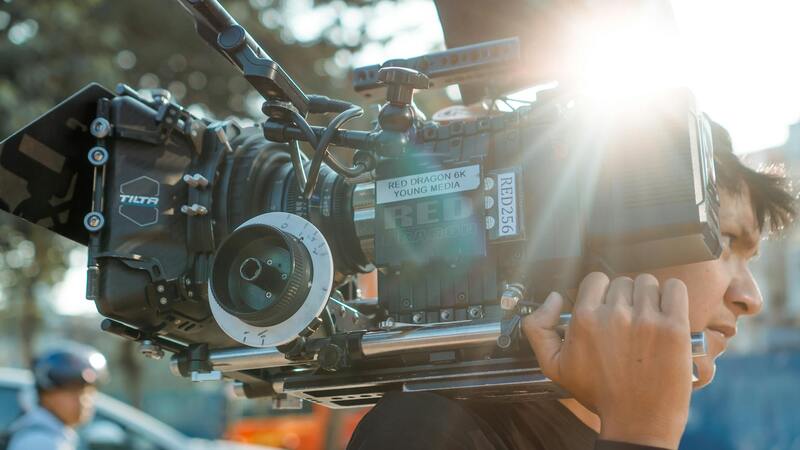
- High-Definition Cameras: Multiple HD cameras, including robotic and handheld units, provide versatile shot options and high-quality visuals.
- Audio Systems: Professional microphones, mixers, and audio processors ensure clear sound and balanced audio levels.
- Streaming Encoders: Advanced hardware and software encoders convert audio-visual signals into streamable formats, supporting multiple output channels.
- Internet Connectivity: High-bandwidth wired connections, along with backup options like cellular networks, provide reliable internet for continuous streaming.
- Monitoring Tools: Real-time monitoring platforms allow technical teams to oversee stream health, manage latency issues, and troubleshoot promptly.
Understanding Event Livestreaming Services
Event livestreaming services encompass a comprehensive range of solutions designed to broadcast live events to digital audiences across the globe. These services involve capturing audio and video feeds, encoding the content, and transmitting it over the internet via stable, high-bandwidth connections. A professional event livestreaming company manages all technical aspects, from equipment setup to streaming delivery, ensuring that viewers experience a seamless broadcast without interruptions.
By leveraging cutting-edge technology, such companies can provide ultra-high-definition visuals, crystal-clear audio, and responsive interfaces. They also implement adaptive streaming protocols to adjust video quality in real-time based on viewers' internet speeds, optimizing the viewing experience for diverse audiences. In addition, secured streaming channels and access controls ensure that broadcasts remain exclusive to targeted viewers, whether for corporate meetings, product launches, or public concerts.
Benefits of Choosing a Local Miami Livestreaming Company
Opting for a local Miami-based livestreaming provider offers several notable advantages. Proximity enables easier coordination and faster response times, especially important during real-time technical troubleshooting or last-minute adjustments. Local companies possess a deep understanding of the Miami event landscape, including venue-specific requirements and city regulations, facilitating smoother logistics.
Furthermore, local providers often have established relationships with venues, vendors, and event organizers in the area, which can lead to more efficient planning and execution of livestreams. They are also more attuned to the regional audience preferences, allowing for tailored content delivery that maximizes engagement. The proximity reduces transit delays for equipment setup and reduces overall costs associated with transportation and logistical planning.
Types of Events Covered by Livestreaming Companies
Event livestreaming companies serve a broad spectrum of occasions, including but not limited to corporate conferences, trade shows, weddings, religious services, sports events, and music concerts. Each event type demands particular technical considerations to optimize the viewer experience.
- Corporate Events: Webinars, product launches, annual meetings, and shareholder presentations.
- Entertainment Events: Music festivals, concerts, theater productions, and award ceremonies.
- Social and Religious Gatherings: Weddings, religious services, and community celebrations.
- Educational Platforms: Campus lectures, online classes, and academic conferences.
- Sports and Recreational Events: Local tournaments, marathons, and athletic competitions.
Each type of event requires customized setups, from camera angles and audio mixing to streaming platforms, ensuring that the content resonates with viewers regardless of the occasion.
Key Equipment and Technology Used
Executing a professional livestream requires high-grade hardware and software components. The core equipment includes:
- HD Cameras: Multiple high-definition cameras—ranging from robotic to handheld units—provide multi-angle coverage and dynamic visuals.
- Audio Systems: Professional-grade microphones, mixers, and sound processors ensure clarity and balanced sound for broadcast.
- Streaming Encoders: Hardware or software encoders convert AV signals into streamable formats, supporting real-time encoding and multi-platform delivery.
- Internet Connectivity: Robust wired internet with backup options like cellular networks or satellite links guarantee uninterrupted streaming.
- Monitoring Tools: Platforms that enable real-time oversight of stream health, quality metrics, and troubleshooting capabilities.
Integrating these components ensures a resilient, high-quality broadcast capable of engaging viewers irrespective of the event's scale or complexity. The strategic placement of cameras and microphones, combined with meticulous network setup, allows for a professional viewing experience.
Planning and Coordination for Successful Livestreams
Achieving a seamless live streaming experience involves meticulous planning and coordination across multiple stages. The initial step is comprehensive pre-production, where the event's objectives, target audience, and specific broadcast requirements are clearly defined. This includes selecting appropriate camera angles, audio setups, and ensuring compatibility with chosen streaming platforms. A detailed storyboard or shot list can be instrumental in maintaining visual consistency and capturing critical moments.
Effective communication between the event organizers and the production team is essential. Establishing a clear timeline, roles, and responsibilities minimizes misunderstandings and streamlines operations on the event day. Technical rehearsals should be scheduled well in advance to test all equipment, verify internet connectivity, and troubleshoot potential issues. This proactive approach reduces the likelihood of disruptions during the actual event.
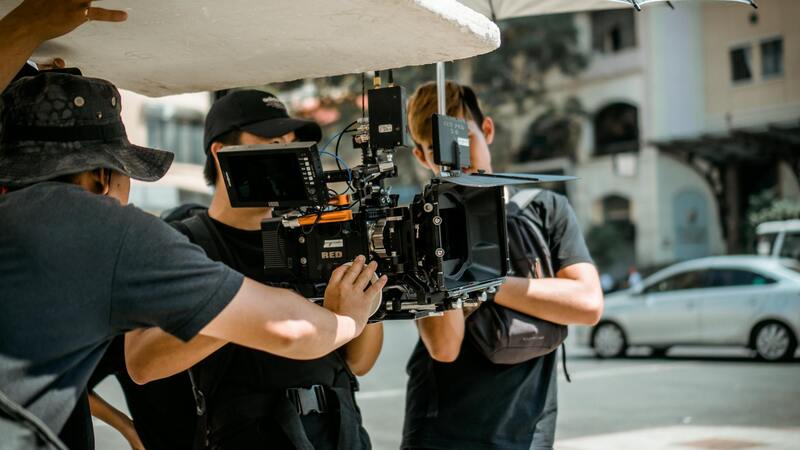
On the day of the event, onsite coordination becomes vital. A dedicated director oversees the live feed, switching between camera angles and managing audio feeds to create a dynamic and engaging broadcast. Multiple crew members monitor internet stability, audio levels, and camera feeds. Having backup plans in place, such as secondary internet links and spare equipment, ensures continuity despite unforeseen technical problems.
Post-event, the workflow shifts to content review, editing, and distribution. Raw footage may be archived for future use, while highlights or edited summaries are prepared for enhanced engagement. Analyzing viewership data helps assess audience engagement levels and strategize improvements for subsequent broadcasts. This cycle of planning, execution, and review underscores the importance of working with an experienced event livestreaming company that can manage each phase effectively, ensuring that the live event reaches its full potential for engagement and success.
Ensuring Seamless Content Delivery and Post-Event Engagement
After the live event concludes, the focus shifts to effectively managing and distributing the recorded content to maximize its impact. A reputable event livestreaming company employs comprehensive post-event strategies that include editing raw footage to create highlight reels, summaries, or full recordings that serve various purposes, from promotional materials to archival records.
Quality editing enhances viewer experience by cutting unnecessary segments, adding graphics or captions, and improving overall visual and audio clarity. This refined content can be shared across multiple platforms, such as social media, websites, or internal channels, broadening the event's reach long after the live broadcast ends. In addition, providing on-demand access enables attendees and those who could not participate live to engage with the content at their convenience, increasing overall visibility and engagement.
Data analysis plays a crucial role in evaluating the success of a livestream. Metrics such as viewer counts, engagement rates, geographic reach, and audience retention times provide valuable insights into how the content resonated with viewers. These insights guide future content strategies, allowing organizers to tailor approaches that better meet audience preferences and expectations.
For organizations and event planners, partnering with an experienced Miami event livestreaming company ensures a smooth transition from live broadcasting to post-event content management. With expertise in editing, archiving, and distribution, such companies help maximize the return on investment for the event. They also assist with copyright management and proper content licensing to ensure compliance with legal standards. This comprehensive approach ensures that the event’s digital footprint remains impactful and professionally curated.
The infrastructure for content delivery should prioritize security and accessibility. Secure hosting options prevent unauthorized access or content theft, while flexible distribution channels make the content available on various devices and platforms, adapting to different viewer preferences. Properly managed content post-event can serve as promotional material, educational resources, or record-keeping, offering ongoing value beyond the initial broadcast.
In summary, effective post-event services delivered by a dedicated livestreaming company are vital for amplifying the event’s success. From editing and content management to data analysis and distribution, these steps help extend the life of your event’s content, ensure compliance, and engage your target audience continuously. Entrusting these responsibilities to a specialized Miami livestreaming provider guarantees professional results, seamless content flow, and maximum audience engagement long after the cameras stop rolling.