
Understanding Live Stream Video Production
Live stream video production is a sophisticated process that allows organizations, businesses, and event organizers to broadcast real-time video content over the internet to a targeted audience. It encompasses a range of technical and creative elements designed to deliver a seamless viewing experience, whether for corporate events, concerts, sports, or community festivals. The significance of live streaming in Miami has grown exponentially, driven by the vibrant cultural scene, business community, and the demand for instant, accessible content. Companies and event planners recognize that live streaming enhances engagement, expands reach, and provides an invaluable platform for branding and communication in a dynamic digital landscape.
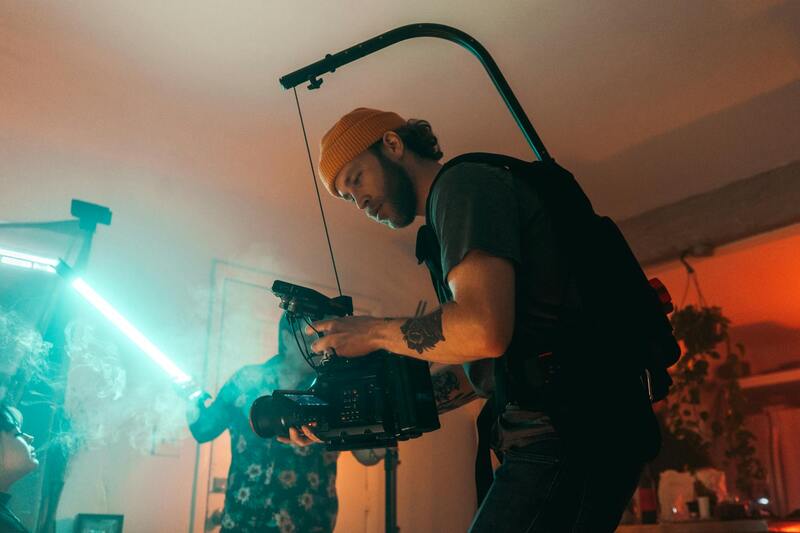
In essence, live stream video production involves several phases: pre-production planning, technical setup, production execution, and post-broadcast analysis. Each phase is crucial to ensure that the final output is professional, reliable, and resonates with viewers. For Miami-based organizations, harnessing the latest in live streaming technology can significantly elevate the production's production value and viewer engagement. High-definition video, multi-camera angles, real-time graphics, and interactive features are some of the components incorporated into professional live streaming efforts, which demand meticulous planning and execution.
Furthermore, Miami’s diverse event landscape—ranging from cultural festivals to corporate conferences—requires tailored approaches that meet specific audience expectations and technical requirements. The importance of a well-coordinated team, state-of-the-art hardware, and a clear understanding of the target platform cannot be overstated, as they directly influence the success of the live stream. Ensuring the audience receives a flawless viewing experience underscores the critical role of live stream video production in today’s digital communication environment.
Key Elements of Live Stream Setup
Establishing a successful live stream hinges on the deployment of crucial equipment, robust software solutions, and a reliable infrastructure. High-definition cameras serve as the cornerstone, capturing visuals that engage viewers and convey professionalism. These cameras should support multiple angles and synchronize seamlessly with the production setup to provide dynamic visual storytelling.
Audio quality is equally vital; using professional microphones and audio mixing consoles ensures clarity and eliminates background noise, creating a more immersive experience for viewers. Complementary hardware like audio mixers, wireless microphones, and audio processing units allow for real-time adjustments, maintaining sonic precision throughout the broadcast.
In addition to visual and audio equipment, a high-performance streaming encoder is indispensable. Hardware encoders or software solutions convert the raw video and audio feeds into internet-friendly formats, enabling smooth transmission over various platforms. Encoding settings—bitrate, resolution, and frame rate—must be meticulously configured to match internet bandwidth and target audience devices.

Robust infrastructure, including high-speed internet connections with dedicated upload bandwidth, prevents interruptions during crucial moments. Redundant internet sources, such as backup fiber lines or cellular networks, provide additional security against connectivity failures. Power backup solutions like uninterruptible power supplies (UPS) further ensure that the live stream remains uninterrupted in case of outages.
Software platforms play a critical role in managing live streams effectively. Comprehensive broadcast management software enables real-time switching between camera feeds, overlays, graphics, and multimedia content. Additionally, features like real-time chat moderation, audience interaction tools, and analytics integration enhance viewer engagement and provide valuable feedback post-broadcast.
Additional Considerations in Equipping a Live Streaming Setup
- Lighting: Proper lighting setups, such as softboxes or LED panels, enhance image clarity and reduce shadows, elevating the overall production quality.
- Networking: Wired Ethernet connections offer more stability than wireless options, which is critical for professional broadcasts.
- Control Room: A dedicated space equipped with video switchers, audio mixers, and monitoring screens allows technicians to execute seamless live production workflows.
When these elements come together cohesively, they form the backbone of a high-quality live stream. Consistent maintenance, equipment calibration, and staff training are essential to keep the system optimized and reliable for every event.
Understanding Live Stream Video Production
Producing a professional live stream involves a complex interplay of technical expertise, sophisticated equipment, and meticulous planning. A seamless broadcast requires everything from high-quality video and audio components to a reliable infrastructure that can handle real-time data transmission. It begins with understanding the core objectives of the live stream, whether it’s broadcasting a corporate event, a concert, or an educational seminar. Each scenario demands different configurations and attention to detail to ensure the final product meets the desired standards.
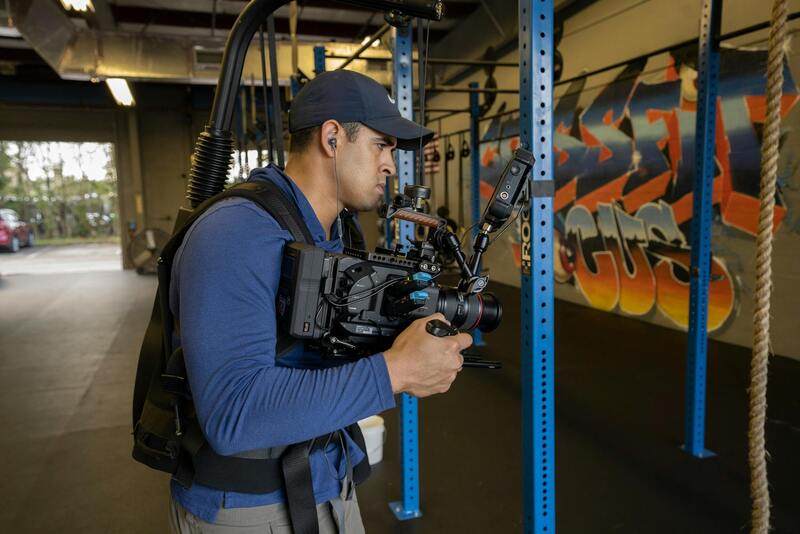
One of the fundamental considerations in live stream video production is the selection of appropriate hardware. This includes professional cameras capable of high-definition transmission, audio equipment that captures clear sound, and encoders that convert raw footage into streaming formats compatible with online platforms. Additionally, the integration of video switchers allows producers to dynamically switch between camera angles, overlays, and multimedia content, creating a visually engaging experience for viewers.
Syncing between hardware and software components is critical for maintaining a consistent flow. High-performance computers run broadcast management software that facilitates real-time control over the content. These systems manage transitions, graphics, overlays, and audience interaction features, enabling a polished broadcast appearance. At the same time, establishing a robust network infrastructure with dedicated internet lines and sufficient upload bandwidth prevents lag and buffering, ensuring viewers experience uninterrupted streaming.
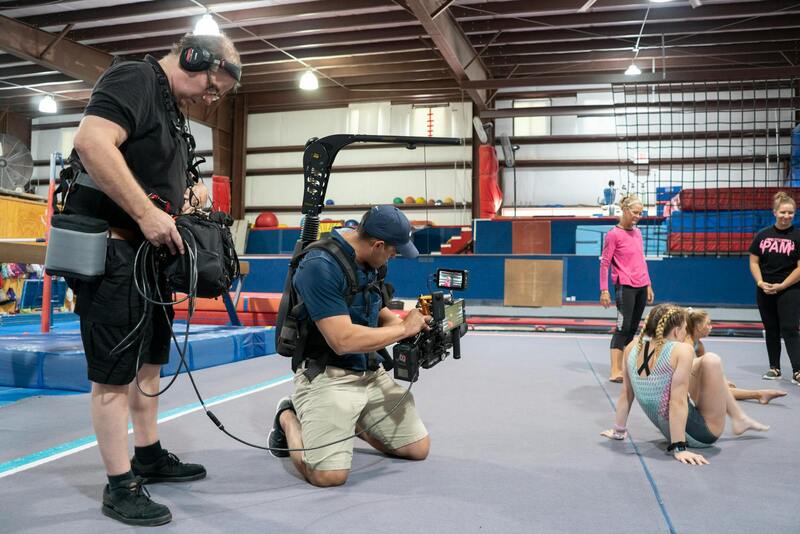
Furthermore, output quality is driven by lighting and audio-visual synchronization. Proper lighting setups involve softboxes, LED panels, or diffusers that enhance image clarity and eliminate unwanted shadows, making the footage appear more professional. Meanwhile, audio quality is boosted through the use of professional microphones and audio processors to capture and transmit sound without distortion. These quality measures, combined with well-calibrated equipment and skilled technicians, contribute to a broadcast that looks and sounds exceptional.
- Reliable Video Encoders: Devices that convert high-definition signals into streaming formats compatible with distribution platforms.
- Robust Network Connections: Wired Ethernet is preferred over wireless for stability, with backup options in place.
- Proper Lighting and Acoustics: Enhancing image clarity and sound fidelity through strategic setup.
- Technical Staff Training: Ongoing training ensures team members operate equipment effectively and respond to issues swiftly.
Additional Measures to Optimize Production
Routine maintenance and testing of all equipment prevent unforeseen failures during a live event. Staff should be well-versed in troubleshooting common problems and executing contingency plans. Monitoring tools integrated into production software enable real-time oversight of various system components. In case of technical difficulties, having backup hardware and alternate internet sources ready can prevent complete stream disruptions. This layered approach to planning and execution assures the continuity and quality of the live broadcast, making it a reliable and professional experience for your audience.
Advanced Techniques for Live Stream Video Production
Effective live stream video production extends beyond basic setup and involves integrating advanced techniques to optimize broadcast quality and viewer engagement. Utilizing multi-camera configurations allows for dynamic shots and seamless transitions, providing a more professional and engaging viewing experience. Switchers and vision mixers are essential in managing multiple video feeds, enabling real-time editing, overlays, or graphics that add context or branding to the broadcast.
Incorporating graphics and on-screen information through professional graphics engines enhances viewer understanding and interaction. These overlays can display real-time data, social media feeds, or sponsor advertisements, creating a richer storytelling environment. Audio mixing consoles with multiple channels enable real-time sound balancing, ensuring all audio sources, from microphones to background music, are clear and properly synchronized with the video content.
Additionally, remote control applications for mobile devices empower production teams to manage live streams from various locations, ensuring flexibility and quick response times during events. By utilizing such tools, operators can adjust camera angles, switch feeds, or apply effects without interrupting the ongoing stream, maintaining a seamless viewer experience.
Importance of Quality Control and Monitoring
Continuous monitoring of stream health is crucial in live video production. Monitoring tools can track bandwidth usage, frame rates, and signal integrity, allowing technicians to proactively address potential issues before viewers are impacted. Integrating software dashboards that display real-time performance metrics helps identify anomalies swiftly.
In scenarios where unexpected disruptions occur, having an incident management protocol ensures quick resolution. This protocol involves predefined procedures for troubleshooting common technical problems like signal interruptions, audio dropouts, or hardware failures. Regularly testing these contingency measures ensures team readiness and minimizes latency or quality degradation during the live event.
Enhancing Audience Engagement
Interactive features such as live chat, real-time polls, or viewer reactions integrated into the stream can significantly bolster audience participation. Advanced streaming solutions allow for embedding these elements directly into the broadcast interface, making the viewing experience more immersive and personalized.
Furthermore, tailored content and targeted advertisements based on streaming analytics can increase viewer retention and satisfaction. Leveraging viewer data responsibly helps in developing content strategies that resonate with your audience, encouraging repeated viewership and expanding your reach over time.
Investing in Training and Willingness to Innovate
To maintain high standards in live stream production, ongoing staff training is essential. Training sessions should encompass new technologies, software updates, and emerging best practices. Developing a culture of innovation within the production team ensures readiness to implement new tools or techniques that enhance stream quality and engagement.
By continually refining technical skills and staying abreast of industry advancements, production professionals can deliver broadcasts that are not only technically proficient but also creatively compelling. This proactive approach ultimately leads to more memorable and impactful live events for audiences in Miami and beyond.
Ensuring Broadcast Quality and Reliability
Achieving consistent high-quality live stream video production requires meticulous attention to technical details and robust infrastructure. The backbone of a successful broadcast hinges on reliable internet connections, optimal encoding settings, and backup solutions to mitigate unforeseen issues that could disrupt the stream. Leveraging redundant network pathways, such as dual internet connections from different providers, ensures that the broadcast remains uninterrupted even if one connection experiences issues.
The choice of encoder hardware or software plays a critical role in maintaining stream stability and quality. Professional-grade encoders with adjustable bitrate settings and hardware acceleration capabilities facilitate the delivery of crisp, clear visuals without buffering or lag. Proper configuration aligned with the capabilities of the streaming platform prevents performance bottlenecks.
Encoding parameters, including resolution, frame rate, and bit rate, must align strategically with the target audience's device types and internet speeds. For example, balancing 1080p resolution with adaptive bitrate streaming allows viewers with varying bandwidths to access the content seamlessly. Adaptive streaming technology dynamically adjusts quality in real-time, ensuring smooth playback regardless of network fluctuations.
To guarantee reliability, extensive testing prior to the live event is essential. Conducting dry runs helps identify potential bottlenecks, equipment malfunctions, or connectivity issues. Implementing monitoring tools that provide real-time analytics on stream health, viewer engagement, and technical metrics allows the production team to address problems proactively.
Implementing Proper Encoding and Compression Techniques
Achieving optimal stream quality and stability hinges on selecting appropriate encoding and compression standards. Live stream video production requires real-time encoding processes that convert raw footage into compressed formats compatible with streaming platforms. Utilizing hardware encoders ensures lower latency and higher reliability, whereas software encoders offer flexibility and ease of updates. Common encoding standards such as H.264 and H.265 (HEVC) provide high-quality video at manageable bitrates, facilitating smoother playback across diverse devices and network conditions.

Proper compression techniques balance visual clarity with bandwidth limitations, ensuring viewers get a seamless experience regardless of their connection speed. Adjusting bitrates dynamically through adaptive streaming protocols like HLS (HTTP Live Streaming) or DASH (Dynamic Adaptive Streaming over HTTP) allows the stream to adapt to varying network environments, minimizing interruptions and maintaining consistent quality. This adaptability is particularly critical during live events attracting a broad audience with diverse internet capabilities.
Monitoring and Managing Stream Health in Real-Time
Continuous monitoring during live video production is vital for detecting issues before they impact viewers. Deploying robust monitoring tools provides insights into key metrics such as packet loss, jitter, and latency. These tools facilitate proactive adjustments by alerting technical staff to potential problems like network congestion or hardware malfunctions. Implementing redundant encoding pathways and failover mechanisms further enhances stream resilience, ensuring uninterrupted delivery even if primary systems face issues.
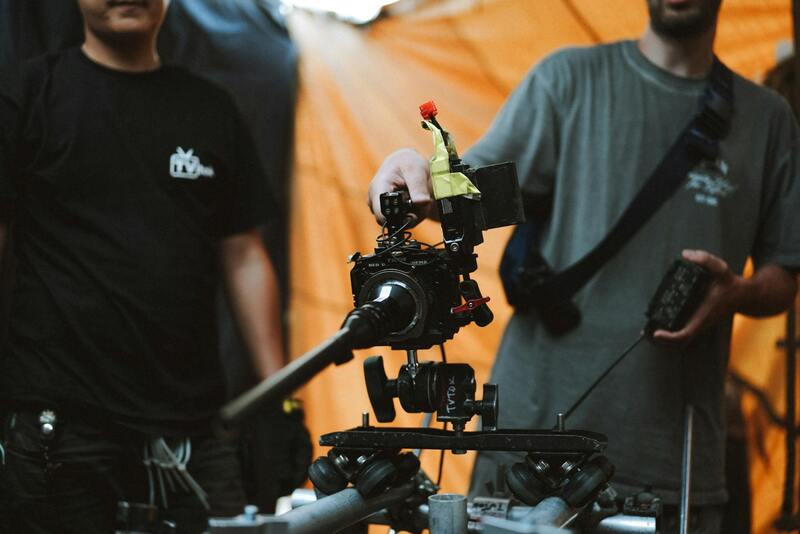
Effective management of stream health involves a combination of automated alerts and manual oversight. This allows the production team to swiftly troubleshoot and resolve issues, often without viewer awareness. The integration of analytics dashboards enables a comprehensive view of the live stream's performance, assisting in immediate decision-making and long-term improvements. Regularly analyzing these metrics also supports optimizing future productions by identifying recurring issues or bottlenecks.
Implementing Backup Systems for Uninterrupted Broadcasts
To further secure the integrity of live stream video production, establishing backup systems is essential. Redundant internet connections, such as secondary fiber or wireless links, can automatically take over if primary connections experience disruptions. Similarly, secondary encoding devices or cloud-based streaming services provide fallback options to ensure continuous broadcast flow. A well-designed redundancy plan minimizes downtime and maintains a high level of professionalism during live events.
Preparing contingency plans that include fallback hardware, alternative streaming servers, and predefined troubleshooting procedures ensures swift responses to unforeseen technical problems. Training staff to operate backup systems seamlessly reduces the risk of missed content delivery and reinforces the quality of the viewer experience. The overarching goal is to create a resilient infrastructure capable of adapting swiftly to any technical or network challenge that may arise during a live stream event.
Understanding Live Stream Video Production
Effective live stream video production hinges on meticulous preparation, high-quality equipment, and seamless integration of various technical components. It involves capturing live footage through professional cameras, encoding the signals into streams suitable for digital delivery, and broadcasting the content to viewers in real-time. The process demands coordination between technical staff, performers, and production managers to ensure a smooth flow of content that aligns with the event’s objectives. Additionally, incorporating multiple camera angles and media feeds enhances viewer engagement, providing a dynamic viewing experience that mirrors traditional broadcast quality.
High-Quality Equipment and Technical Infrastructure
To achieve professional-grade live streaming, selecting the right equipment is critical. This includes high-definition cameras capable of capturing crisp visuals, audio systems that deliver clear sound, and encoders that efficiently compress the video signals without sacrificing quality. Network stability remains a cornerstone, with dedicated internet connections, such as fiber optic lines or bonded cellular networks, providing reliable bandwidth. Large-scale productions may utilize multi-camera setups, switchers, and graphics systems to overlay information or branding seamlessly during the broadcast.
Technical Workflow in Live Streaming
- Pre-production planning to establish content flow, camera positions, and graphics.
- Capture of live video and audio signals through professional equipment.
- Encoding and compression of footage to optimize transmission speeds.
- Multiplexing signals to incorporate multiple sources or feeds.
- Streaming transmission over a stable, high-capacity internet connection.
- Monitoring and adjustment during the live event to maintain quality and resolve issues promptly.

Implementing Redundancy and Backup Measures
An essential aspect of professional live stream video production is ensuring broadcast continuity through redundancy. Multiple internet connections, such as primary fiber lines complemented by wireless backup links, allow automatic switching in case of disruption. Redundant encoding hardware and cloud-based services further safeguard against technical failures. This layered approach minimizes downtime and guarantees uninterrupted delivery of content. Preparing contingency plans, including alternative stream links and quick troubleshooting protocols, enhances resilience and provides peace of mind, especially during high-stakes events.
Strategies for Maintaining Broadcast Reliability
- Deploy primary and secondary internet connections with automatic failover capabilities.
- Utilize backup encoding devices or cloud encoding services.
- Pre-test all equipment and connections before the event.
- Establish clear procedures and trained staff for troubleshooting.
- Maintain open communication channels among production team members.
These measures, combined with real-time monitoring, help detect and resolve issues swiftly, ensuring that the live stream remains consistent and professional.
Legal and Compliance Considerations in Live Stream Video Production
Maintaining adherence to regulations and standards is essential in professional live stream video production. Securing appropriate permissions and rights for copyrighted content ensures a smooth broadcast without disruptions or potential disputes. This includes obtaining clearances for music, images, branded content, and any third-party media incorporated into the stream. Implementing robust content management protocols prevents unauthorized use and maintains the integrity of the broadcast.
Data privacy and security are also critical components. Protecting viewer information, especially in interactive streams or events requiring registration, involves complying with data protection practices. Measures such as secure encryption of data transmissions, strict access controls for production systems, and regular security audits safeguard sensitive information against breaches.
Broadcasting legally and ethically involves clear communication regarding terms of use and content rights. Producers should include disclaimers and notices where necessary and ensure all on-screen content complies with intellectual property laws. This careful adherence helps to uphold the reputation of the production team and fosters trust with viewers and stakeholders.
Moreover, live event organizers and production companies often work within industry standards and guidelines for ethical broadcasting, ensuring that content is respectful, non-discriminatory, and appropriate for all audiences. Following these best practices not only helps avoid legal complications but also reinforces credibility and professionalism in the live streaming sector.
Finally, establishing a comprehensive risk management plan, including contingency procedures for unexpected legal issues or content conflicts, ensures preparedness and swift response when challenges arise. These strategies demonstrate a commitment to responsible broadcasting and contribute to the seamless delivery of high-quality live stream content.