
Understanding Live Streaming Production Services
Live streaming production companies play a critical role in delivering high-quality video content in real-time across various digital platforms. These companies specialize in transforming events, presentations, and corporate communications into engaging online broadcasts that reach a broad audience. Their core functions encompass several key services essential for seamless live streaming experiences.

One primary service these companies provide is **video capture**, which involves filming the event using multiple high-definition cameras. Skilled operators manage camera angles and focus on capturing the most engaging visuals to ensure viewers at home experience the event as if they were physically present. Effective video capture sets the foundation for a compelling broadcast.
Following the filming process, **video switching** takes place. This involves seamlessly transitioning between different camera feeds, incorporating picture-in-picture overlays, and adding visual effects when necessary. A professional production team manages this live switching process, ensuring the flow of the broadcast remains smooth and engaging.
Equally vital is **encoding**, where the raw video signals are compressed into a format suitable for streaming over the internet. Encoding involves adjusting bitrate, resolution, and compression settings to optimize video quality while considering bandwidth limitations. Quality encoding minimizes buffering issues and maintains a high viewer experience across various devices.
Once the video is encoded, it must be **distributed** through reliable streaming platforms, content delivery networks (CDNs), and servers. The distribution process ensures that the live content reaches viewers with minimal delay and buffering. Effective distribution strategies incorporate redundancy and failover systems to prevent stream interruptions.
Throughout the process, live streaming production companies also handle audio mixing, graphic overlays, and real-time chat integration, which aid in creating an interactive and professional broadcast. These services require meticulous planning and technical expertise to deliver a polished live event.
For organizations seeking professional live streaming, partnering with a production company that offers comprehensive services—from camera operation to broadcast transmission—is essential. Such companies ensure that every technical component works harmoniously, enabling audiences to engage with high-quality content regardless of their location.
Key Features of a Reliable Live Streaming Production Company
Reliability in live streaming hinges on several factors, including technical expertise, quality equipment, and a thorough understanding of digital platforms. The best companies employ state-of-the-art technology and skilled professionals to handle complex live production scenarios. They invest in redundant systems to safeguard against technical failures, ensuring continuous broadcast without interruptions.
Experienced Technical Team
An adept team of videographers, sound engineers, and broadcast technicians is crucial. Their collective expertise ensures smooth transitions, clear audio, and optimal visual presentation. Their familiarity with different streaming platforms enables tailored solutions suitable for specific event requirements.
Advanced Equipment
Using modern cameras, switches, encoders, and broadcasting hardware enhances overall stream quality. Additionally, adaptive streaming technology allows viewers to experience consistent quality despite varying internet speeds.
Importance of Local Expertise in Miami
Miami’s vibrant event scene demands a production partner that understands the city’s unique logistical and cultural landscape. Local live streaming production companies provide invaluable expertise in navigating venues, permits, and access, which are essential for efficient event execution. Their familiarity with regional providers and venues streamlines the planning process and minimizes unforeseen challenges.
This local knowledge also extends to understanding the preferences of Miami’s diverse audiences. Crafting content that resonates locally involves tailoring graphics, language, and event-specific elements to enhance viewer engagement and satisfaction.
Evaluating Portfolio and Past Projects
Assessing a potential partner’s portfolio provides insight into their capabilities and the quality of their work. Successful live streaming companies maintain a diverse portfolio showcasing various event types—corporate conferences, sports, concerts, and community events. Past projects demonstrate their experience in handling different scales and technical requirements.
Requesting case studies or client testimonials can reveal the company’s problem-solving skills, creativity, and their ability to meet deadlines. The ability to adapt to unforeseen challenges during live events reflects professionalism and competence.
Customization and Innovation in Live Streaming Solutions
Every live event has distinct needs, and a reputable production company offers customized solutions to meet these demands. Whether it’s integrating multiple camera angles, 360-degree video, or augmented reality graphics, innovation enhances the viewer experience.
Innovative companies are also proactive in adopting new streaming technologies such as cloud-based encoding, interactive features, and multi-platform broadcasting. These advancements provide added value, increasing viewer engagement and network reach.
Pricing Structures and Budget Considerations
Understanding the cost structure of live streaming services enables organizations to plan effectively within their budgets. Pricing often depends on factors such as event duration, complexity, equipment requirements, and post-production needs. Transparent providers offer clear estimates outlining costs for each service component.
Balancing quality with cost-efficiency involves choosing a company that delivers custom packages aligned with your event’s scope. It’s vital to consider both immediate needs and potential future collaborations when evaluating pricing options.
Planning and Collaboration for Successful Streaming
Successful live streaming hinges on detailed planning and collaboration between the organization and the production team. Clear communication about event goals, desired broadcast quality, technical specifications, and preferred platforms ensures alignment. Early planning sessions facilitate logistical arrangements, equipment setup, and run-of-show rehearsals, which are essential for a smooth live event.
Future Trends in Live Streaming Production
The industry continually evolves with technological innovations. Moving forward, trends such as 8K streaming, virtual and augmented reality integration, and AI-powered editing will redefine live production standards. Companies that stay ahead of these developments can offer more immersive, interactive, and high-quality live streaming experiences.
Understanding Live Streaming Production Services
Choosing a live streaming production company involves more than just selecting a service provider; it requires understanding the comprehensive scope of what live streaming entails. These services encompass a range of technical and creative components designed to deliver seamless, high-quality broadcasts tailored to various event types, including corporate presentations, sports events, concerts, and seminars.
At the core of professional live streaming production is the ability to handle complex technical requirements while maintaining video and audio excellence. This includes multi-camera setups, professional-grade audio systems, graphics integration, and real-time editing. The production team works meticulously from pre-event planning to post-broadcast review, ensuring each element aligns with your objectives.
Comprehensive Technical Solutions
- Multi-Camera Productions: Utilizing several cameras to capture different angles offers viewers an immersive experience and promotes engagement.
- Audio Management: Clear sound quality is fundamental, requiring expert handling of microphones, mixers, and soundboards to eliminate echoes and background noise.
- Graphics and Visual Branding: Incorporating logos, lower thirds, and visual overlays enhances professional appearance and reinforces brand identity.
- Encoding and Compression: Ensuring smooth streaming without buffering involves optimized encoding techniques suitable for various internet speeds and devices.
Furthermore, a reputable live streaming company offers solutions compatible with multiple platforms such as YouTube, Facebook Live, Vimeo, or custom websites, thus maximizing reach and accessibility for your audience.
Pre-event planning is pivotal; this phase includes coordination meetings to discuss technical requirements, event timelines, and contingency plans. Rehearsals allow the production team to identify potential issues and fine-tune their approach, ensuring a flawless live broadcast.
Post-Production and Content Management
Beyond the live event, professional companies offer post-production services including recording, editing, and distribution of the broadcast. These services provide notable value, enabling organizations to reuse content for marketing, training, or future promotional activities.
Live streaming providers also assist with audience interaction tools, such as live chat, Q&A sessions, and social media integrations, to foster engagement and community building during broadcasts.
Advanced Technical Capabilities and Equipment
To ensure a seamless live streaming experience, a top-tier live streaming production company must utilize advanced technical capabilities and state-of-the-art equipment. This includes high-definition cameras capable of capturing crisp visuals from multiple angles, professional-grade audio mixers that deliver clear sound with minimal latency, and robust encoding hardware that adapts to varying internet speeds. High-quality switchers enable smooth transitions between camera feeds, while real-time graphics and overlays enhance visual engagement and ensure brand consistency throughout the broadcast.
Additionally, fiber optic internet connections and redundant streaming servers are critical for maintaining stability and preventing interruptions. These technologies support high-bitrate streams, which are essential for delivering high-resolution content without degradation. The integration of such tools directly impacts the overall quality of the broadcast, making it more professional and engaging for viewers.
Comprehensive Technical Support and On-Site Expertise
High-quality live streaming production companies bring experienced technical teams to oversee every aspect of the broadcast. From pre-event setup, where they configure cameras, audio, and streaming software, to live operation, where they monitor the feed for issues and make real-time adjustments, constant on-site support is vital. This expertise ensures any unexpected problems are swiftly addressed, minimizing downtime and maintaining a professional appearance.
Furthermore, these companies often provide on-site engineers who are well-versed in local venues' specific technical setups. Their familiarity with venue infrastructure allows for quick troubleshooting during live events, which helps avoid delays and technical difficulties that could diminish audience satisfaction.
Engagement and Audience Interaction Tools
Successful live streams are not only about the technical broadcast but also about viewer engagement. Leading live streaming providers incorporate interactive features such as live chat, real-time polls, and Q&A sessions to foster community participation. These tools enable viewers to ask questions, provide feedback, and interact directly with hosts or speakers, increasing engagement levels and viewer retention.
Social media integration is another critical element. By linking live streams to platforms like Facebook, Twitter, or Instagram, companies extend reach and facilitate real-time sharing. This broadens the audience base and drives further visibility for the event or content being broadcasted.
Post-Production and Content Repurposing
Post-event services are an essential component of a comprehensive live streaming package. Professional companies offer editing, highlight compilation, and content repurposing options, allowing organizations to extract maximum value from their broadcasts. Edited videos can be used for promotional campaigns, training modules, or archival purposes. These services ensure that the content continues to generate engagement long after the live event concludes.
The ability to archive broadcasts in high quality also facilitates on-demand viewing, providing convenience for audiences who may have missed the live session. Additionally, data analytics and viewer metrics provided after the event help clients understand audience preferences and tailor future content more effectively.
Technological Infrastructure and Equipment
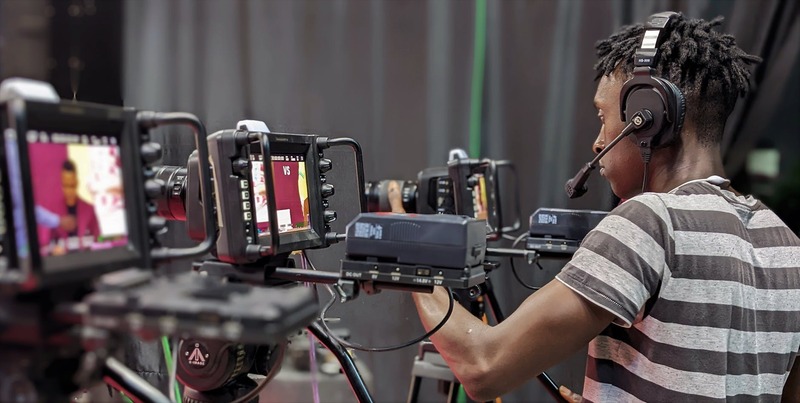
One of the primary indicators of a live streaming production company's reliability is the sophistication of its technological infrastructure. A professional provider utilizes high-end encoding hardware and multiple streaming servers to ensure seamless transmission and minimal latency. This infrastructure is also able to handle high-resolution streams, such as 4K, without compromising on quality, especially for clients expecting a premium viewing experience. In addition, state-of-the-art cameras, audio equipment, and lighting setups are fundamental to producing visually appealing content that captivates audiences. Wireless transmission technologies coupled with backup systems guarantee consistent streaming even in challenging environments or unforeseen technical issues. Furthermore, a robust network setup with dedicated bandwidth mitigates the risk of buffering and downtime, maintaining a reliable connection from start to finish. The integration of live switching, graphics overlay, and real-time video editing enhances the sophistication of the production, making the live broadcast more engaging and professional.
Client Support and Technical Assistance
Exceptional client support is a hallmark of a dependable live streaming production company. From the initial planning stages through execution and post-event analysis, having access to dedicated technical support staff ensures that any issues are swiftly addressed. Reliable companies typically assign project managers who coordinate all aspects of the live stream, providing clients with clear timelines, technical briefings, and contingency plans. During the event, on-site technicians monitor each element—camera angles, audio feeds, internet connectivity, and streaming quality—making real-time adjustments as needed. This proactive approach minimizes disruptions and guarantees a smooth viewing experience for the audience. Post-broadcast, thorough debriefings and performance reports give clients detailed insights into the stream's technical performance and viewer engagement metrics. This data is crucial for refining future live streaming strategies and ensuring continued satisfaction with the company's services.
Reputation and Industry Recognition
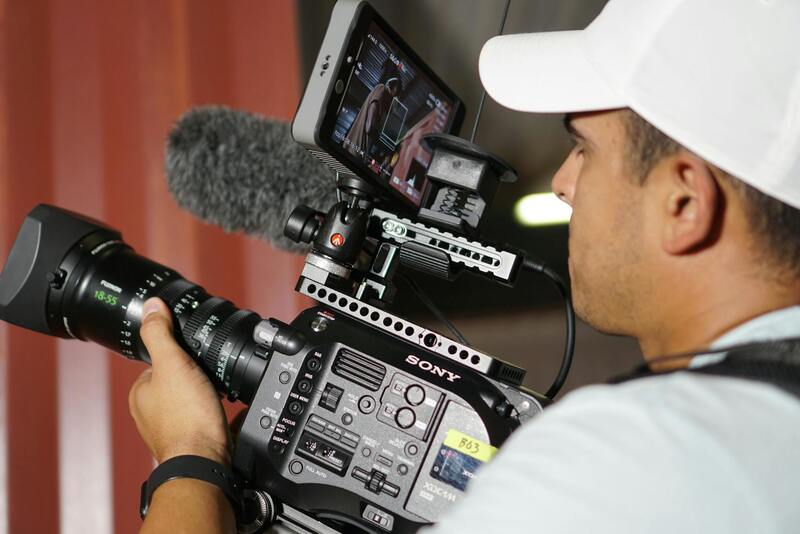
A reliable live streaming production company often boasts a solid reputation backed by industry certifications, awards, or positive testimonials from previous clients. Such recognition reflects a company's commitment to quality, innovation, and customer service. When evaluating providers, reviewing case studies and client references provides insight into their track record and ability to handle diverse event types, from corporate conferences to large-scale entertainment events. A company with extensive experience and positive reviews demonstrates consistency in delivery, technical excellence, and professionalism. This track record offers peace of mind that their operations are well-managed and capable of meeting high standards. Additionally, memberships in professional associations and adherence to best practices in broadcast standards further validate a company's credibility. Continuously updated certifications and participation in industry events showcase a company's dedication to staying current with technological advancements and regulatory requirements.
Evaluating Portfolio and Past Projects
When choosing a live streaming production company, reviewing their portfolio and past projects provides critical insight into their capabilities and style. A comprehensive portfolio showcases a variety of events the company has successfully managed, ranging from corporate seminars and product launches to large-scale entertainment concerts. This diverse experience indicates adaptability and expertise across different event formats and audience sizes.
For a company operating in Miami, it’s advantageous to see local projects that demonstrate an understanding of regional audience preferences and logistical considerations. Observing high-quality video samples, seamless transitions, and professional audio integration in their portfolio reflects technical proficiency. Additionally, case studies highlighting specific challenges faced during previous events can demonstrate the company’s problem-solving skills and ability to deliver under pressure.
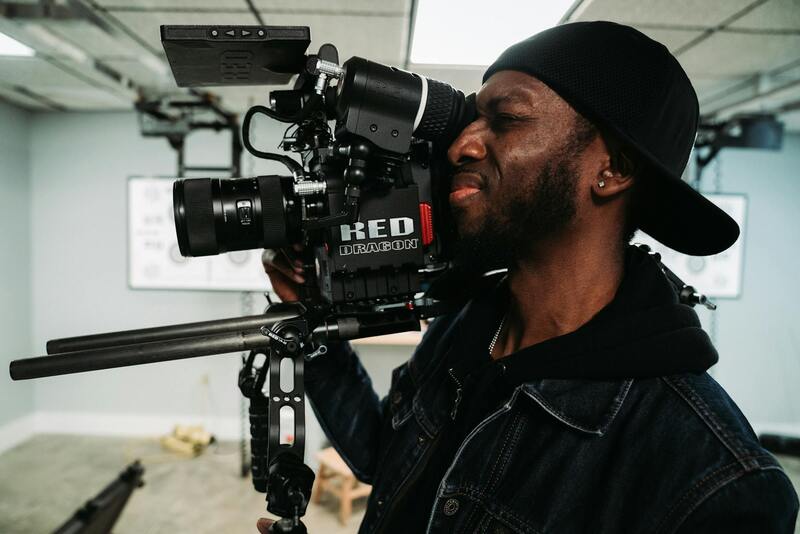
Client testimonials and reviews embedded in their project descriptions serve as valuable indicators of customer satisfaction and service consistency. Positive feedback on their responsiveness, technical support, and overall execution underscores their commitment to excellence. Companies with well-documented success stories often have long-term relationships with clients, reflecting reliability and trustworthiness in the competitive Miami event scene.
Furthermore, the ability to adapt the presentation style to match the brand or theme of each event, whether formal or casual, indicates a level of customization and attention to client needs. Reviewing their past projects also allows clients to assess whether the production team is skilled in utilizing the latest streaming technologies and equipment, such as 4K broadcasting, multi-camera setups, and real-time graphics integration.
In-depth scrutiny of an enterprise’s previous work helps in establishing their technical standards and creativity, ensuring that the live stream aligns with the desired quality and engagement levels. A reputable provider will maintain a portfolio that not only highlights their technical capabilities but also demonstrates innovation in engaging visual storytelling, making each event memorable for viewers while maintaining professionalism throughout the broadcast.
Evaluating Portfolio and Past Projects
When selecting a live streaming production company, reviewing their portfolio provides a comprehensive view of their expertise, technical prowess, and creative capacity. A well-curated portfolio showcases a spectrum of events, from corporate conferences and product launches to concerts and community events, demonstrating versatility across different industries and event types.
Attention should be paid to the technical standards evident in their showcase. High-quality footage, clarity of visuals, and smooth transitions are indicators of proficiency with advanced streaming equipment. The use of 4K resolution, multi-camera angles, and overlay graphics reflects a commitment to delivering professional-grade content that captures audience engagement at a granular level.
Beyond technical elements, a strong portfolio reveals a company’s ability to adapt stylistically to various event themes and branding requirements. Whether the focus is on a formal corporate presentation, an energetic music festival, or a casual community gathering, the production team should demonstrate flexibility and creativity in visual storytelling. This adaptability ensures that each live stream resonates with its intended audience and aligns with the client’s vision.
Client testimonials embedded within project descriptions serve as valuable qualitative indicators of reliability and client satisfaction. Positive feedback regarding responsiveness, technical support, and the ability to meet deadlines underscores a company’s professionalism and dedication. Long-term client relationships revealed through repeat projects indicate consistent delivery quality and trustworthiness within the competitive Miami event landscape.
A company's ability to incorporate innovative features like real-time graphics, live polls, social media integration, and multi-platform streaming can significantly elevate the viewer experience. A diligent review of past work also allows prospective clients to evaluate a provider’s preparedness for technical challenges and their capacity to execute seamless broadcasts under pressure.

Evaluating Pricing Structures and Budget Considerations
Understanding the cost framework of a live streaming production company is crucial for aligning services with your event’s financial parameters. Reliable providers typically offer transparent pricing models that detail all costs associated with production services, ensuring clients can make informed decisions. These structures may include flat rates for specific event types, hourly charges for technical support, or package deals that encompass multiple elements such as equipment, personnel, streaming platforms, and post-event analytics.
When assessing pricing, consider the scope of services included. A comprehensive package might feature pre-production planning, quality camera setups, multiple camera angles, live graphics, on-site technical support, and post-event analysis. Additional expenses could involve specialized equipment like drone cameras, augmented reality integration, or multi-language subtitling, which should be discussed upfront to avoid surprises.
It is also essential to evaluate the value for investment. A high-quality live streaming service not only ensures reliable broadcast but also enhances viewer engagement through professional visuals, smooth transitions, and interactive elements. Companies that prioritize client customization may offer flexible options that fit different budgets without compromising on production quality. Thorough comparison between providers’ offerings allows clients to select a solution that aligns with their goals and financial expectations.
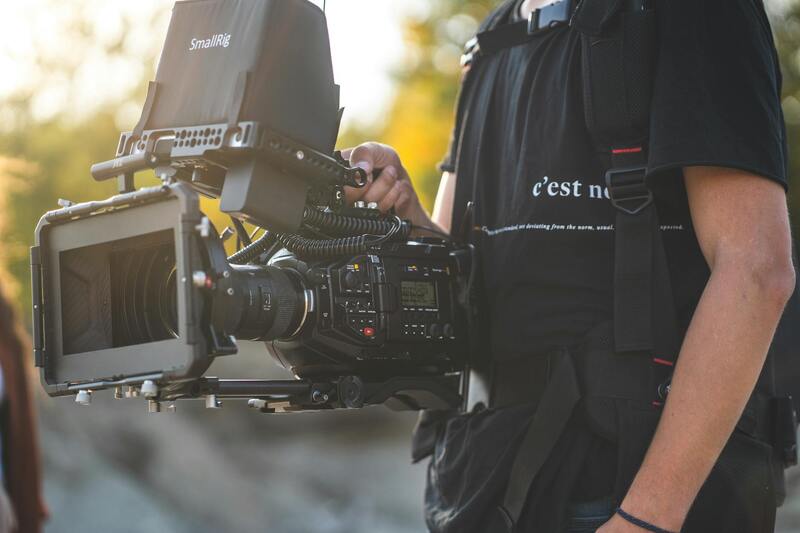
In addition to the base costs, inquire about potential additional charges for extra services or unforeseen technical needs. Clarifying these details beforehand helps prevent misunderstandings and supports a smooth collaboration process. A trustworthy company not only provides competitive rates but also justifies their pricing through demonstrated expertise, advanced technology, and a track record of delivering impactful live streams under various constraints.
Planning and Collaboration for Successful Streaming
Effective planning and seamless collaboration are the cornerstones of a successful live streaming event. Engaging with a professional live streaming production company requires a comprehensive understanding of the project’s objectives, target audience, and desired outcomes. Detailed pre-production meetings help establish a clear roadmap—covering technical requirements, creative direction, content flow, and contingency plans for potential issues.
Clear communication channels between clients and production teams facilitate real-time updates, ensuring that every detail aligns with expectations. This includes decisions on camera angles, graphics, location setups, and interactive features if applicable. A dedicated project manager often serves as the primary point of contact, coordinating the various elements involved in the live broadcast.
In addition to logistical arrangements, establishing a shared vision helps streamline decision-making processes during the event, minimizing delays and technical hiccups. Utilizing collaborative tools and detailed checklists ensures that all departments—from technical crew to on-screen talent—are synchronized, contributing to a polished and engaging broadcast.
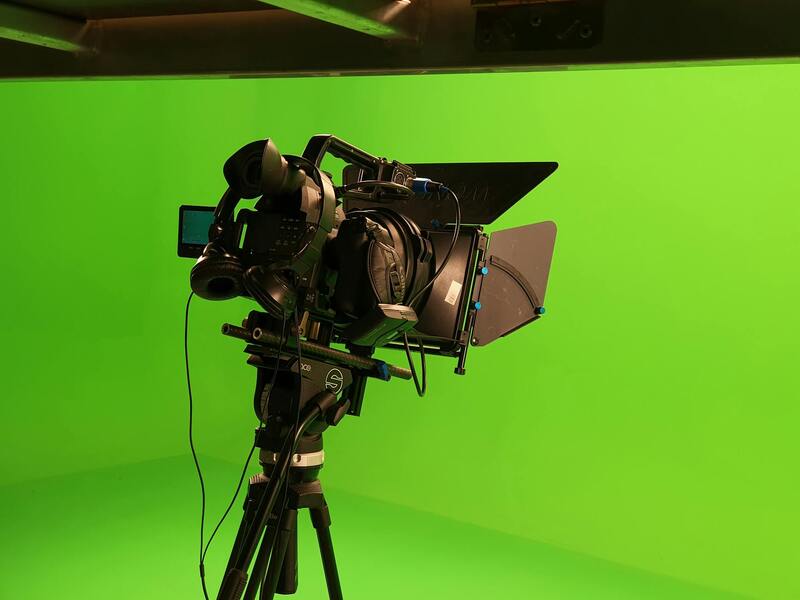
On-site rehearsals provide valuable opportunities to troubleshoot potential issues and adapt to unforeseen circumstances. Reviewing the timeline, test runs of equipment, and rehearsing key segments foster confidence among the production team and clients. During the event, real-time monitoring and communication are vital to promptly address any technical difficulties or content adjustments, maintaining a high standard of broadcast quality.
Ultimately, a company's ability to adapt swiftly, maintain open communication, and adhere to a well-structured plan significantly impacts the success of a live stream. Choosing a partner with proven expertise in collaboration and planning ensures that your event resonates with professionalism and meets your strategic goals.