
Understanding Live Streaming Production Services
Live streaming production services have become an essential element for organizations seeking to deliver real-time content to a broad audience via digital platforms. These services encompass a comprehensive range of technical and creative components designed to produce high-quality live broadcasts that engage viewers and foster meaningful interactions. Central to these services are video capture, broadcasting infrastructure, and the technical expertise necessary to manage complex live events. High-definition cameras and professional audio equipment ensure that visuals and sound are captured with clarity and precision, while robust streaming platforms facilitate smooth delivery across multiple channels.
Expertise in video switching, graphics integration, and real-time editing allows service providers to produce polished live content that maintains viewer interest and aligns with branding standards. On-site technical support teams are crucial for managing network stability, troubleshooting issues promptly, and coordinating synchronized operations between various equipment and personnel. This ensures the entire live stream runs seamlessly from start to finish, regardless of the event's scale or complexity.
The process involves meticulous planning, from pre-event setup and equipment calibration to post-event analysis. The overarching goal is to deliver a crisp, uninterrupted, and engaging viewing experience that meets the specific needs of each client. As the demand for live streaming in various sectors—including corporate events, entertainment, education, and religious services—continues to grow, the significance of sophisticated production methods becomes increasingly apparent.
Technical Infrastructure and Equipment for High-Quality Live Streams
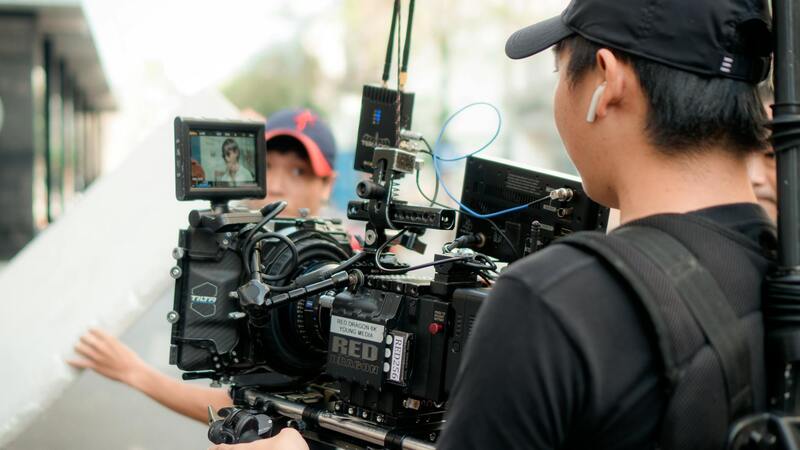
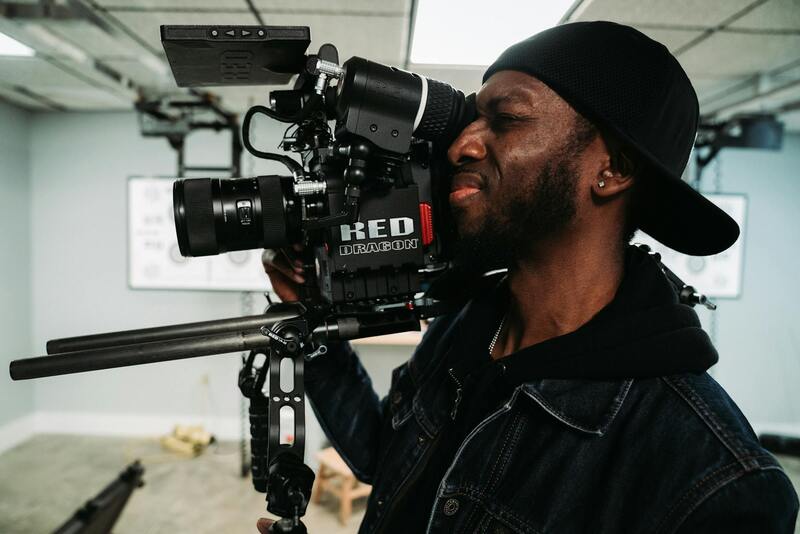
Achieving seamless live streaming experiences hinges on deploying state-of-the-art technical infrastructure complemented by reliable equipment. At the core of successful production services are professional-grade cameras capable of capturing detailed visuals from multiple angles, ensuring viewers receive an immersive visual experience. These include both static and robotic cameras, which offer flexibility in capturing events of varying scales and complexities.
Switchers or video mixers are essential for real-time scene changes, enabling smooth transitions between different camera feeds, graphics, and video sources. These devices allow operators to craft a polished broadcast that maintains engagement and visual consistency throughout the event. Alongside video switchers, encoders play a vital role by converting raw video signals into a digital format optimized for streaming platforms. Modern encoders support various encoding protocols and bitrates, ensuring compatibility across different devices and network conditions.
Audio quality is a critical component, with professional sound systems and microphones providing clear and balanced sound. Wireless microphones are often employed for dynamic presentations, while sound mixers help in balancing multiple audio sources. The integration of high-fidelity audio equipment ensures that the live broadcast maintains clarity and professionalism, which is paramount in corporate, religious, or entertainment settings.
Additionally, reliable network infrastructure, including high-speed internet connections and backup solutions such as bonders or cellular modems, is fundamental to prevent interruptions. Modern live streaming operations leverage redundant systems to mitigate disruptions caused by network instability, thereby safeguarding the continuity and quality of the broadcast.
Supporting Equipment and Infrastructure
- Lighting Systems: Proper lighting enhances video quality, reducing banding, shadows, and color inaccuracies. Professional lighting setups ensure the subject is well-illuminated and visually appealing.
- Graphics and Teleprompters: Dynamic graphics, lower thirds, logos, and real-time overlays add professionalism and branding to the broadcast. Teleprompters assist speakers in maintaining eye contact and delivering messages fluently.
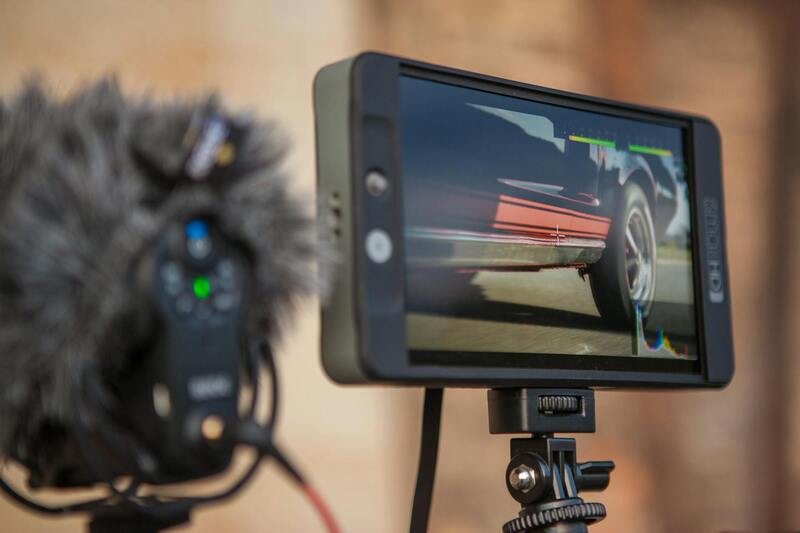
- Monitoring and Control Systems: Multi-view monitors and control interfaces provide production teams with real-time feedback and command over the live stream, facilitating immediate adjustments for optimal output.
- Power Backup Systems: Uninterruptible Power Supplies (UPS) and generators ensure continuous operation in the event of power outages, preventing disruptions during live events.
All these components work synergistically to deliver a superior live streaming experience, capable of handling both planned productions and unforeseen technical challenges efficiently. The careful selection and maintenance of this equipment by experienced technicians play a pivotal role in maintaining broadcast quality and reliability throughout the production process.
Understanding Live Streaming Production Services
Live streaming production services encompass the comprehensive process of planning, executing, and broadcasting live video events over the internet. These services are tailored to meet the specific needs of various types of events, including corporate conferences, concerts, sports events, and product launches. They involve a coordination of multiple technical elements to ensure a seamless viewing experience for audiences across different platforms and devices.
At their core, live streaming production services involve a combination of content creation, video capture, encoding, transmission, and distribution. Expert production teams first work closely with clients to understand their objectives, targeting the right audience at the right time with the right message. This collaborative approach guarantees the production aligns with branding goals and event objectives, whether it’s a small corporate meeting or a large-scale concert.
One of the vital aspects of these services is the seamless integration of multiple production components. From camera operation and audio management to video switchers and graphics insertion, each element plays a crucial role in enhancing broadcast quality. Skilled technicians handle these technical tasks efficiently, ensuring high-quality visuals and sound, while also managing real-time transitions and overlays that add professionalism to the final output.
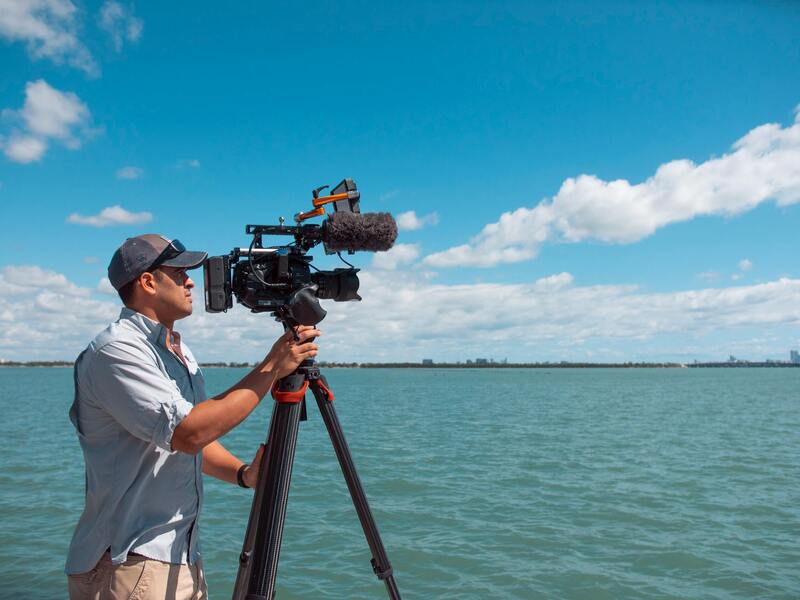
In addition to technical prowess, live streaming production services often incorporate advanced infrastructure such as multi-camera setups, wireless transmission systems, and real-time monitoring tools. These technologies allow producers to adapt dynamically during the broadcast, ensuring a polished presentation regardless of unforeseen challenges or technical glitches. The process also involves comprehensive pre-event planning, including content scripting, rehearsal coordination, and contingency arrangements, to facilitate a smooth delivery.
Moreover, these services employ specialist software and hardware solutions for encoding and transmitting video content. Encoding converts raw footage into a suitable format for streaming, optimizing for quality and bandwidth efficiency. Transmission involves secure, high-capacity data channels that deliver the live feed to various streaming platforms like social media channels, proprietary portals, or dedicated websites. This multi-platform dissemination maximizes audience reach and engagement.

Execution also includes post-broadcast activities such as content archiving, analytics collection, and viewer feedback analysis. These insights help refine future productions and enhance overall streaming strategies. Skilled production services ensure that every aspect of the event is managed proactively, from initial setup to the final broadcast and post-event review, providing a reliable and professional live streaming experience that meets the highest standards of quality and viewer satisfaction.
Technical Support and On-Site Assistance
Ensuring a seamless live streaming experience requires a dedicated team of technical professionals who can promptly address any issues that arise during the broadcast. Reliable technical support is essential to maintain a continuous and high-quality stream, minimizing downtime and technical disruptions. These specialists are skilled in managing a wide array of equipment, diagnosing potential problems, and implementing quick fixes to keep the event on schedule.
On-site assistance involves having a team present at the event location, overseeing setup, calibration, and real-time troubleshooting. Their presence allows for immediate response to equipment malfunctions, connectivity issues, or unforeseen technical challenges. This proactive approach significantly reduces the risk of stream interruptions and ensures the broadcast maintains professional standards throughout the event.

Additionally, on-site assistance includes managing live camera feeds, audio mixing, lighting control, and network stability. These components are crucial in delivering a visually compelling and technically flawless broadcast. Skilled technicians coordinate closely with the event organizers and production team, ensuring that all visual and audio elements are synchronized for a cohesive viewing experience.
Pre-event site surveys are often conducted by the technical team to assess infrastructure, test connectivity, and determine optimal equipment placement. This groundwork prevents potential technical interruptions during the live broadcast. Continual communication between on-site staff and the remote production team allows for swift adjustments, especially if unexpected changes occur during the event.
Moreover, comprehensive training for the client’s staff and event personnel sometimes forms part of the service package. Knowledgeable staff ensure that everyone involved understands operational protocols, providing an extra layer of preparedness. This collaborative effort guarantees that every technical aspect is managed proactively, creating a polished and professional live streaming experience that resonates with viewers across channels.
Technical Support and On-Site Assistance
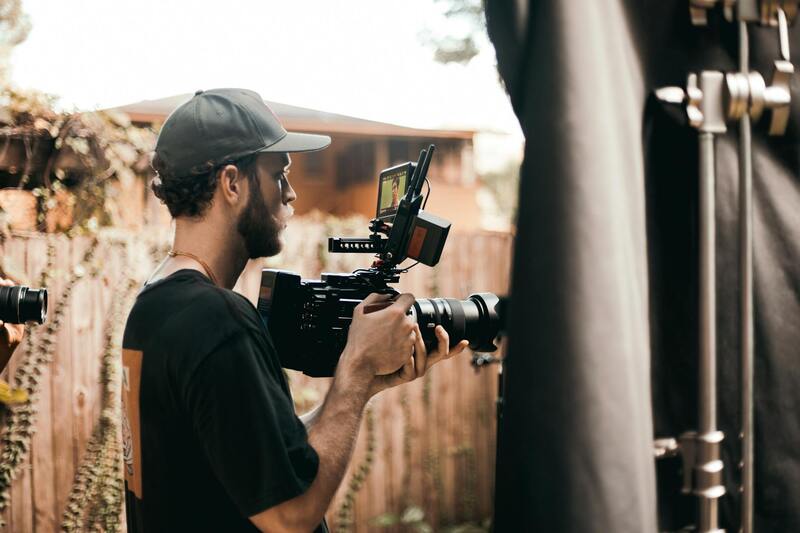
Providing comprehensive technical support during live streaming events is essential to ensure a smooth and professional broadcast. Experienced technicians operate and monitor all equipment, swiftly addressing any issues that arise to minimize disruptions. On-site teams are responsible for managing camera feeds, audio mixing, lighting adjustments, and network connectivity, all while maintaining real-time communication with remote coordinators. This close coordination allows for immediate troubleshooting, ensuring that the stream remains uninterrupted and visually consistent.
Pre-event readiness plays a critical role in successful live streaming. Prior to the broadcast, technical teams conduct site surveys to evaluate the existing infrastructure, test network stability, and position equipment optimally. This preparation helps identify potential challenges early, enabling technicians to implement effective solutions in advance. During the live event, continuous monitoring of equipment performance and network health is essential for maintaining high-quality streaming standards.
In addition to hardware management, on-site assistance encompasses training event staff on operational procedures and safety protocols for technical equipment. This ensures that everyone involved understands their roles, reducing the risk of accidental disruptions. The presence of knowledgeable staff also facilitates quick responses to unforeseen issues, allowing the production team to adapt seamlessly to changing circumstances. Ongoing communication between the on-site support personnel and the remote production team underpins the overall success of the live stream.
Implementing backup systems is another vital aspect of on-site assistance. These include redundant internet connections, backup power sources, and alternative streaming routes to keep the broadcast live despite hardware failures or connectivity problems. Such redundancies safeguard the broadcast’s continuity, providing peace of mind for clients expecting a flawless viewing experience.
Ultimately, a dedicated on-site technical team acts as the backbone of a professional live streaming service. Their expertise ensures real-time monitoring and rapid problem resolution, delivering a broadcast that meets high standards and satisfies client expectations.
Legal and Compliance Considerations
Choosing a reliable live streaming production service in Miami necessitates a thorough understanding of various legal and compliance considerations that influence the quality and legality of your broadcast. These factors ensure that your content adheres to industry standards, respects intellectual property rights, and complies with local regulations, preventing potential legal challenges that could disrupt your event or damage your reputation.
One fundamental element involves the proper management of copyrighted material. When broadcasting videos, images, music, or other multimedia content, it is essential to secure the appropriate licenses or permissions. This not only respects the rights of content creators but also safeguards your organization from copyright infringement claims that could lead to legal disputes or financial penalties.
Furthermore, compliance with privacy laws and data protection regulations is increasingly critical. Live streaming often involves capturing personal information from viewers or participants, making it necessary to implement measures for data security and obtain necessary consents. Adhering to regional laws like the California Consumer Privacy Act (CCPA) or relevant national standards helps ensure responsible handling of data while maintaining public trust.
Another vital aspect involves compliance with broadcast standards and regulations. This includes adhering to rules regarding broadcast content, such as avoiding misleading or inappropriate material, especially when targeting diverse audiences. Ensuring your service provider is familiar with the local regulatory landscape, including permits and disclosures, is essential for seamless and lawful streaming.
Part of the service provider’s role often includes assisting clients in navigating these legal landscapes. They may offer consultation on copyright issues, assist with obtaining necessary permissions, and ensure the stream meets all regulatory requirements. This proactive approach minimizes risks and promotes a smooth streaming experience that aligns with legal standards.
Finally, maintaining comprehensive documentation of agreements, licenses, and authorizations related to the streaming content is a best practice. This documentation serves as proof of compliance should questions arise later, giving your organization added protection and peace of mind when executing live event strategies.
Legal and Compliance Considerations
When executing live streaming production services, it is imperative to address key legal and compliance requirements. This encompasses securing necessary rights and permissions for all content included in the broadcast, which ensures that intellectual property rights are respected and upheld. Before going live, it’s essential to verify licensing agreements for music, videos, images, and any third-party content integrated into the stream, preventing potential copyright infringements.
In addition, adherence to local and national regulations relating to broadcast standards must be maintained. These regulations often govern content appropriateness, safeguarding against misleading, harmful, or inappropriate material that could impact viewers or breach broadcasting codes. Ensuring compliance with these standards not only facilitates a smooth streaming experience but also preserves the organization’s reputation.
Another vital facet involves managing permissions related to participant consent and viewer data protection. For events involving interactions, it is crucial to obtain explicit consent from individuals whose images and voices appear on the stream. This process is complemented by implementing privacy safeguards that manage viewer data responsibly, aligning with regional policies and data protection laws.
Organizations should maintain comprehensive documentation of all the permissions, licenses, and agreements secured for their streaming events. Such records serve as a safeguard, demonstrating due diligence if questions about content rights or compliance arise later. This proactive approach not only mitigates risks but also promotes transparency and trust among viewers, participants, and regulatory bodies.
Collaborating with a live streaming production provider well-versed in regional legal landscapes can significantly streamline this process. These providers often offer advisory services that help clients understand their legal obligations and navigate the complex regulatory framework effectively. This expertise ensures every aspect of the broadcast — from content to participant involvement — aligns perfectly with specified guidelines, facilitating a risk-free streaming operation.
Understanding Live Streaming Production Services
Live streaming production services encompass a comprehensive suite of solutions designed to broadcast high-quality video content in real-time. These services integrate multiple components, including video capture, audio management, switching, encoding, and distribution, to deliver a seamless viewing experience across various platforms. Professional providers leverage sophisticated hardware and software systems to ensure clarity, stability, and engagement during live events.
Core Components of Live Streaming Production
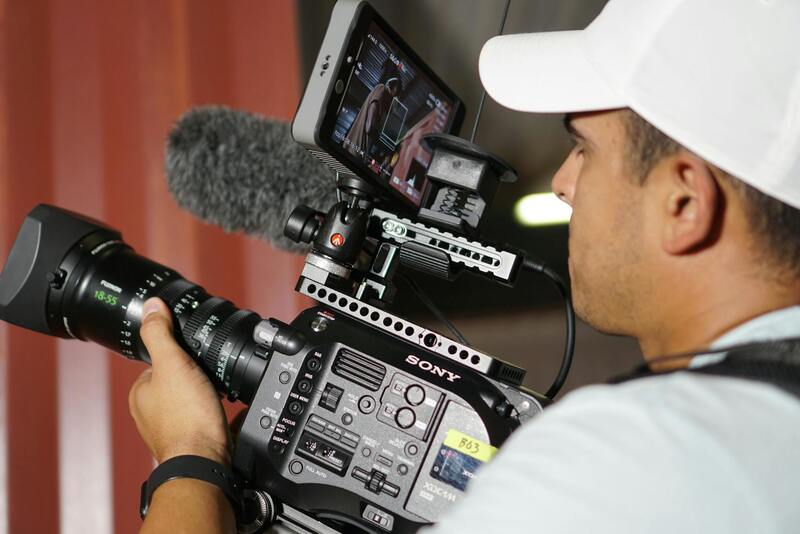
- Cameras and Video Capture Devices: High-definition cameras capture multiple angles and perspectives, providing dynamic visuals.
- Audio Equipment: High-quality microphones and mixers ensure clear, professional sound quality.
- Video Switchers: Enable real-time switching between camera feeds, adding production effects and overlays.
- Encoding Hardware and Software: Compress and format video streams for optimal delivery across internet platforms.
- Streaming Platforms and CDNs: Distribute content effectively to large audiences without buffering or lag issues.
Additional Technologies
In addition to core components, live streaming services often incorporate interactive elements such as live chat, viewer polls, and Q&A segments to foster audience engagement. Advanced technologies like 4K resolution, multi-view streaming, and virtual reality are also increasingly integrated to enhance the viewing experience further.
Implementation and Management
The success of a live stream heavily relies on meticulous planning and execution. A dedicated production team manages camera angles, audio quality, transitions, and feed switching in real-time. They continuously monitor the stream for technical issues, ensuring a smooth and distraction-free broadcast.
Benefits of Professional Live Streaming for Businesses
Employing professional live streaming production services enhances a company's ability to reach wider audiences, promote brand visibility, and deliver compelling content that drives engagement and conversions. Professional-grade broadcasts reflect positively on the organization, showcasing a commitment to quality and innovation. These services also allow businesses to customize their content presentation, incorporate branding elements, and interact with viewers more effectively.
Enhanced Audience Engagement
- Real-time interaction through live chat and Q&A features
- Dynamic content with overlays, lower thirds, and graphics
- Multiple camera angles for more immersive experiences
Increased Reach and Accessibility
- Broadcast to global audiences via multiple platforms
- On-demand viewing options post-event
- Accessible content for diverse audiences, including those with disabilities
Analytics and Data Insights
Professional services often provide detailed analytics post-broadcast, helping organizations understand viewer demographics, engagement levels, and content performance. This data is invaluable for planning future campaigns and refining content strategies.
Factors to Consider When Choosing a Service Provider in Miami
Selecting the right live streaming partner requires evaluating several key factors. Miami's vibrant market offers numerous options; however, organizations should prioritize providers with proven expertise in handling diverse event types, from corporate meetings to large-scale concerts.
Experience and Portfolio
A provider's track record in executing successful live streams across different industries is a strong indicator of reliability and skill. Reviewing case studies and client testimonials can provide insights into their capabilities.
Technical Infrastructure
Assess the quality and modernity of their equipment and facilities. State-of-the-art hardware ensures smoother operation, better quality output, and the ability to handle high traffic volumes.
Customization and Flexibility
Pick a provider that offers tailored solutions aligned with your event objectives. Flexibility in service packages, platforms supported, and branding integration are critical for a cohesive broadcast experience.
Support and Response Time
Reliable technical support before, during, and after the event minimizes potential disruptions. Providers with dedicated on-site teams and 24/7 support are preferable for high-stakes broadcasts.
Customizing Live Streaming Solutions
Effective live streaming hinges on customization tailored to specific organizational needs. This includes choosing appropriate platforms, integrating branding elements, adding interactive features, and designing content layouts that align with your visual identity.
Platform Selection
- Social media channels such as Facebook Live, YouTube, and Instagram
- Dedicated streaming websites or apps
- Secure private links for exclusive audiences
Branding and Graphics
- Incorporating logos and color schemes visually frame the broadcast
- Overlay graphics and lower thirds enhance information delivery
- Intro and outro sequences reinforce brand identity
Interactive Features
- Live chat for audience questions and feedback
- Polls and surveys to increase viewer engagement
- Q&A sessions integrated seamlessly into the broadcast
Technical Support and On-Site Assistance
Technical support is vital for the integrity of a live broadcast. A professional team provides on-site assistance with setup, testing, and real-time troubleshooting to address any unexpected issues promptly. Their presence ensures all equipment functions optimally and the event proceeds without technical interruptions.
Pre-Event Planning and Testing
- Equipment testing and network connectivity checks
- Run-through to synchronize all technical components
- Contingency planning for potential technical failures
On-Demand Support During Event
- Monitoring stream health and viewer feedback
- Immediate response to technical anomalies
- Coordination with on-site staff to resolve issues swiftly