
Understanding Live Event Streaming Production
Live event streaming production encompasses the comprehensive process of capturing, encoding, and transmitting live events to audiences over the internet. This modern approach allows organizers to share their events in real-time with viewers who are unable to attend physically, broadening reach and enhancing engagement.
In the vibrant city of Miami, where diverse gatherings ranging from corporate conferences to music festivals occur regularly, live streaming offers a strategic advantage. It ensures that content reaches a global audience, extends the lifespan of marketing efforts, and creates additional revenue streams through expanded viewership.
Professional live event streaming production involves several critical stages, each designed to guarantee a seamless viewing experience. From meticulous planning to advanced technical setup, every step is crucial to delivering high-quality content that reflects the professionalism of the event organizers.
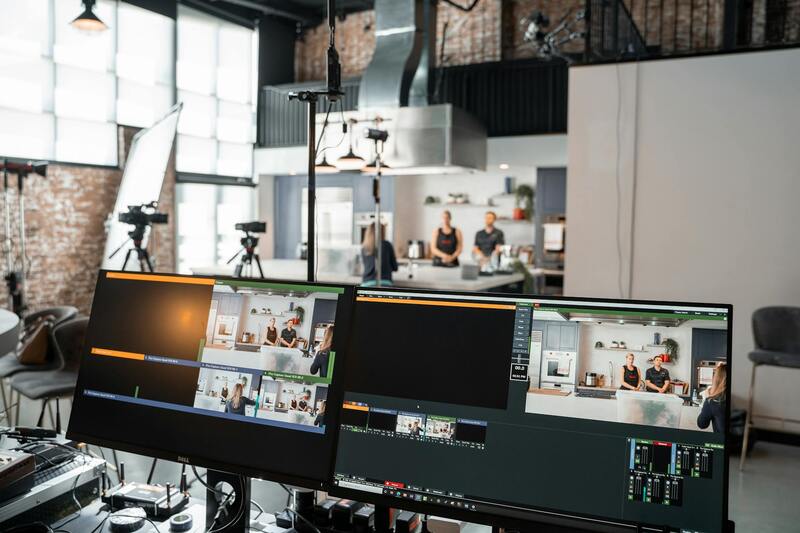
The importance of such production lies in the ability to create engaging, visually compelling content that maintains viewer interest throughout the broadcast. Event organizers in Miami leverage latest technologies and expert personnel to ensure their live streams are reliable, clear, and accessible across various devices and internet connections.
Effective live streaming production requires a strategic approach—from selecting suitable venues and camera placements to ensuring real-time encoding and streaming capabilities. As a result, it is vital for event organizers to partner with experienced professionals who understand the nuances of live event broadcasting.
This comprehensive process not only elevates the profile of the event but also provides measurable data on viewer engagement and reach, informing future marketing and event planning strategies. Ultimately, high-caliber live event streaming production connects organizers with a wider audience, amplifying the event’s impact beyond physical boundaries.
Choosing the Right Equipment and Technology
Implementing the appropriate hardware and software components is fundamental to guaranteeing a seamless live streaming experience. The selection process begins with assessing the event's scale, desired production quality, and budget constraints. High-definition cameras equipped with optical zoom and wide-angle lenses enable detailed shots as well as broad venue coverage, capturing every critical moment. Additionally, utilizing multiple camera angles allows for dynamic visual storytelling, keeping viewers engaged throughout the broadcast.
Audio quality is equally vital. Professional-grade microphones, such as wireless lavaliers or shotgun mics, should be strategically placed to ensure clear and balanced sound. Incorporating audio mixers can help manage multiple audio sources, avoiding issues like feedback or background noise. Complementing the video and audio setup, video switchers facilitate real-time scene transitions, while external encoders convert signal feeds into streaming-compatible formats.
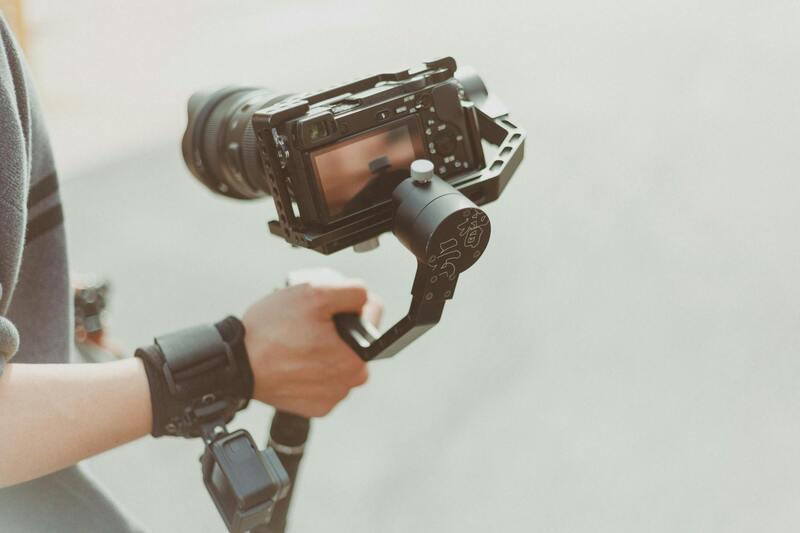
The choice of streaming software plays a pivotal role as well. Reliable platforms enable features like multi-camera streaming, live graphics overlays, and instant audience interaction. Cloud-based solutions can simplify workflows, offering scalability and remote access for editing or managing streams. Integrations with content delivery networks (CDNs) ensure high availability and minimal latency, especially when targeting a wide geographic audience.
Technical Setup and Network Considerations
Establishing a robust technical infrastructure begins with assessing the venue’s network capabilities. A dedicated high-bandwidth internet connection minimizes disruptions and supports the data-intensive nature of live streams. Bonded internet solutions, which combine multiple internet sources, provide redundancy and increased stability, reducing the risk of connectivity loss during critical moments.
Implementing sufficient uplink speeds is crucial to maintain stream quality across various devices and internet conditions. Additionally, network security measures such as firewalls and VPNs protect data integrity and prevent unauthorized access. For indoor venues, installing network switches, routers, and Wi-Fi extenders optimizes coverage and ensures smooth transmission of multiple data streams from cameras, microphones, and control rooms.
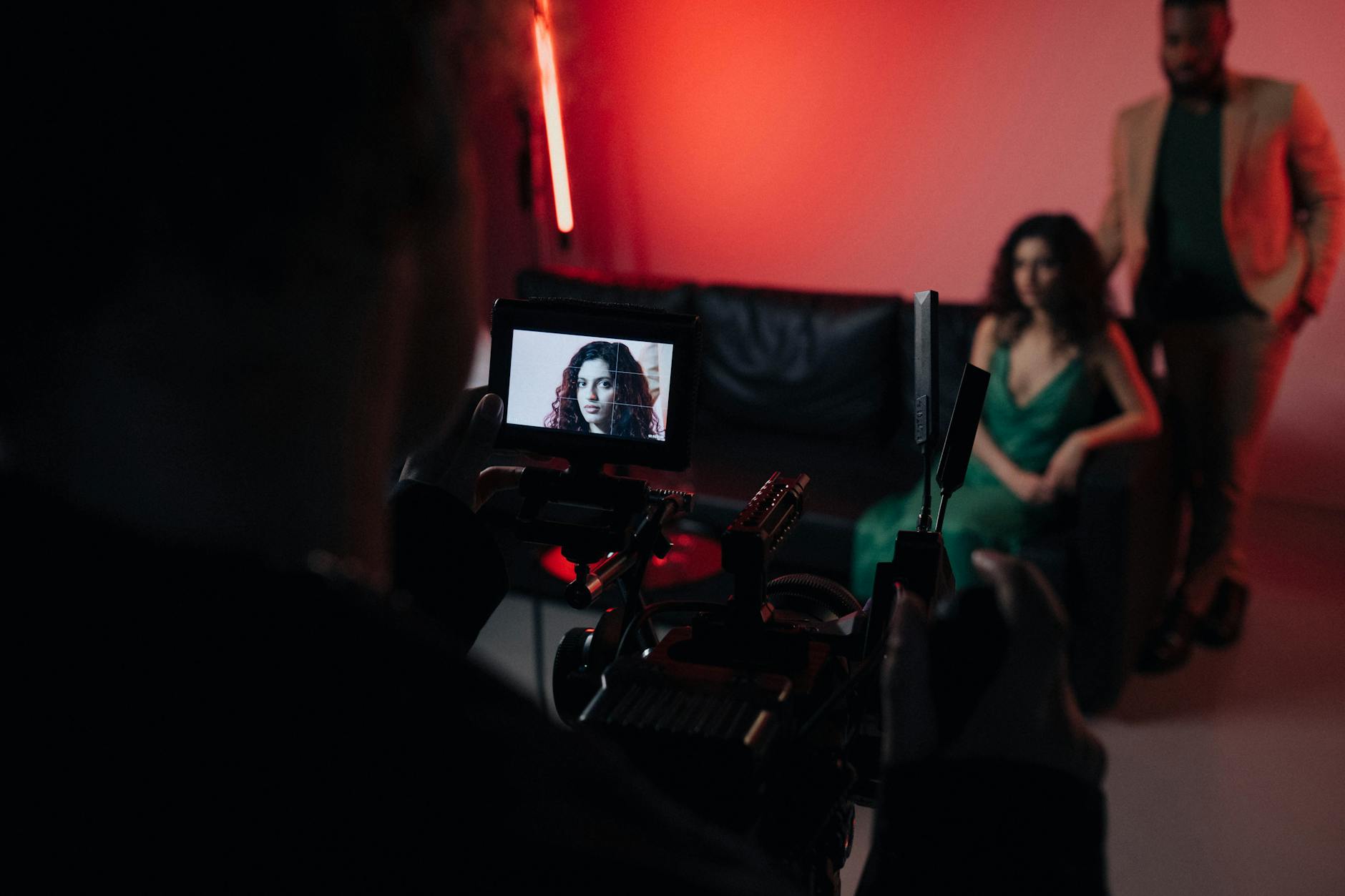
Timing the transmission with minimal latency is essential, especially for real-time audience interaction or live Q&A sessions. Testing the entire setup before the event allows technical teams to troubleshoot potential issues, calibrate equipment settings, and ensure synchronization across systems. On-site technical support during the event addresses live challenges promptly, helping maintain a flawless broadcast quality.
Understanding Live Event Streaming Production
Live event streaming production involves a multifaceted approach that combines technical expertise, strategic planning, and high-quality equipment to broadcast events seamlessly to audiences in real-time. This process is integral in delivering engaging and professional live experiences, whether for concerts, corporate events, sports competitions, or entertainment shows. The core of successful live streaming lies in meticulous preparation, robust technical infrastructure, and the ability to adapt swiftly to unforeseen challenges during the broadcast.

Essential Components of Live Streaming Production
- Video Capture Devices: High-definition cameras, including professional-grade camcorders and PTZ (pan-tilt-zoom) cameras, are vital for capturing multiple angles and ensuring sharp visuals. For indoor venues, fixed cameras combined with mobile units offer flexibility, while outdoor events may require weatherproof, rugged equipment to withstand environmental conditions.
- Audio Equipment: Clear audio is fundamental for audience engagement. This includes lapel microphones, shotgun mics, and mixing consoles that ensure balanced sound levels. Audio interfaces should be capable of handling multiple input sources, and redundant setups can prevent disruptions caused by equipment failure.
- Streaming Encoders: These devices convert video and audio signals into digital streams compatible with online platforms. Hardware encoders provide reliability and lower latency, while software encoders offer flexibility and ease of use, often suited for smaller productions or additional streaming channels.
- Backup Solutions: Redundancy is crucial in live production. Backup transmission paths, secondary encoders, and additional storage media ensure content preservation and uninterrupted streams, even during technical glitches.
Infrastructure and Network Setup
To facilitate a high-quality live stream, it's essential to establish a resilient network environment. This begins with assessing the venue's existing internet bandwidth and integrating bonded internet solutions to aggregate multiple connections for increased stability. Ensuring low latency uplink speeds supports real-time interactions and minimizes delay, vital for segments like live chats or Q&A sessions.
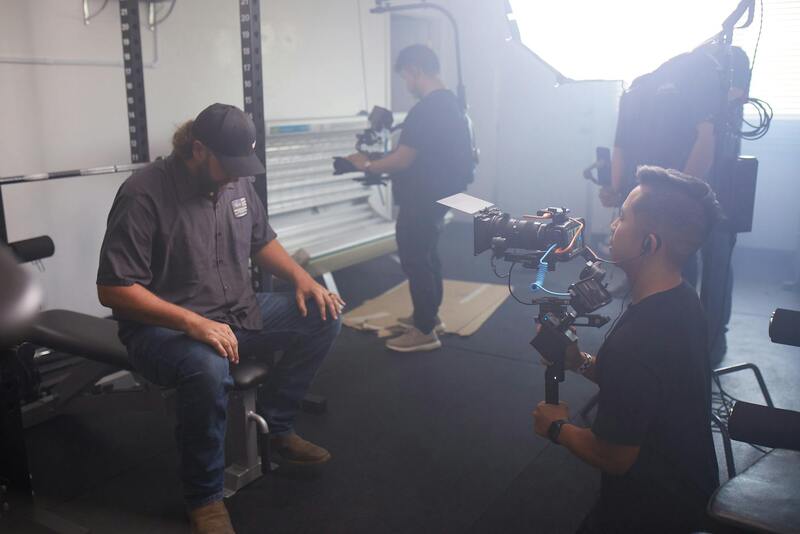
Careful network configuration includes deploying enterprise-grade routers, switches, and Wi-Fi extenders to enable comprehensive coverage across the event space. Firewalls and VPNs help safeguard sensitive data and maintain network security, especially when transmitting proprietary content. Pre-event testing of all connectivity points allows the technical team to identify weak links, adjust settings, and ensure synchronization across all devices involved.
Coordination and Technical Support
Having on-site technical personnel with clearly defined roles maximizes efficiency during live events. Technical staff are responsible for managing camera feeds, switches, and encoding processes, as well as monitoring network performance. They also need the authority and expertise to troubleshoot immediately if issues arise, thereby minimizing potential disruptions.
Continuous communication between the production team, venue staff, and technical support is essential for a coordinated workflow. This includes rehearsing the entire setup beforehand, conducting dry runs, and reviewing our contingency procedures to swiftly adapt to unexpected circumstances without affecting the broadcast quality.
Technical Setup and Network Considerations
Establishing a robust technical setup is fundamental to delivering an uninterrupted live event stream. Central to this is securing a reliable Internet connection capable of handling the high bandwidth demands of live video transmission. This often involves deploying multiple internet sources, such as fiber optic links, LTE/5G bonds, or satellite connections, which can be aggregated to augment bandwidth and ensure continuous data flow. Bonded internet solutions combine these multiple networks, providing redundancy and load balancing that keeps the stream stable without interruption.
Bandwidth management plays a critical role in live streaming production. By analyzing the event's content and audience size, the technical team can determine optimal bitrates and encoding settings, balancing video quality with available upload speed. Effective management includes reserving sufficient bandwidth for live data while avoiding network congestion caused by other onsite activities.
Configuring all equipment within the streaming infrastructure involves selecting professional-grade encoders, switches, and media servers compatible with the chosen platforms. Encoders are set up to compress and transmit the live feed efficiently, often utilizing H.264 or H.265 codecs for high-quality compression with minimal latency. Simultaneously, switches and routing hardware are configured to prioritize streaming traffic, ensuring smooth handoff between different camera feeds and graphics overlays.
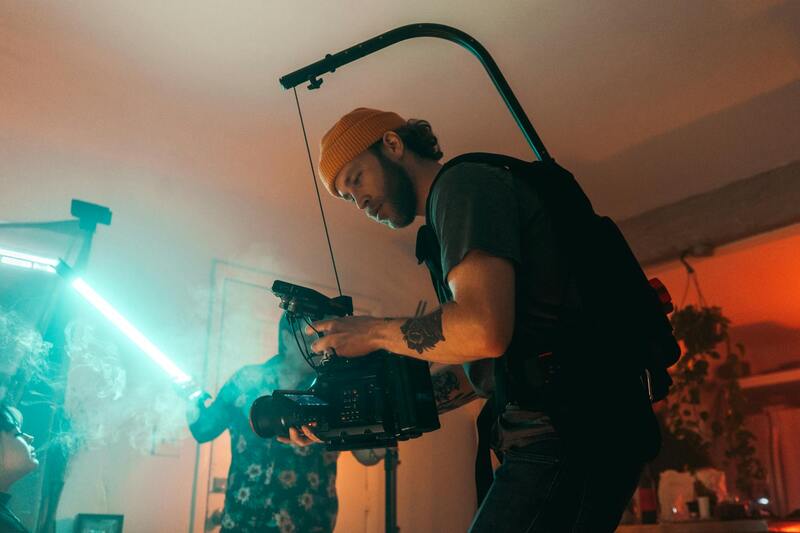
The configuration process also involves implementing security measures such as firewalls, VPNs, and encryption to protect sensitive content and prevent unauthorized access. Prior to the event, comprehensive testing of all equipment is essential. This includes bandwidth tests, latency measurements, and failover drills, which help identify potential bottlenecks or weak spots in the network. Real-time monitoring tools further enable the technical team to track data flow, troubleshoot issues quickly, and adapt live operations on the fly.
Seamless integration of all technical components necessitates meticulous planning and collaboration among the production team, venue IT staff, and streaming providers. During rehearsals, the entire system is tested under conditions mimicking the live event to verify that all elements—from camera feeds to streaming hardware—perform correctly. By ensuring each part functions cohesively, the production can maintain high-quality output and deliver a compelling experience to viewers across various devices and platforms.
Technical Setup and Network Considerations
Effective live event streaming production hinges on meticulous technical setup and robust network infrastructure. A well-planned configuration ensures the delivery of high-quality streams, minimal latency, and an uninterrupted viewer experience. Central to this setup are the encoding devices, which convert raw video feeds into compressed digital formats suitable for streaming. Common codecs like H.264 or H.265 are employed for their efficiency in balancing video quality and bandwidth usage. Implementing multiple encoders provides redundancy, allowing seamless switching in case of hardware failure or network instability.
Switchers play a vital role in live event production by enabling real-time transitions and graphics overlays. They aggregate multiple video inputs, such as different camera angles, pre-recorded clips, and visual effects, into a single output stream. Routing hardware ensures that each feed is directed appropriately to different destinations, whether for multi-platform distribution or internal review.
Network infrastructure must be optimized for high bandwidth, low latency, and redundancy. Fiber optic connections are preferred for their capacity to handle large data flows without signal degradation. To prevent potential interruptions, dedicated internet lines are often established exclusively for streaming purposes, isolated from other venue network traffic.
Bandwidth management is critical; real-time monitoring tools should be employed to track data flow and identify bottlenecks promptly. Quality of Service (QoS) protocols prioritize streaming data, reducing the risk of buffer issues or lag during live transmission. Security measures such as firewalls, Virtual Private Networks (VPNs), and encryption safeguard sensitive streams from unauthorized access or interception.
Pre-event testing is an essential step in the setup process. This includes bandwidth tests, latency measurements, and failover drills to confirm that all components can operate under live conditions. Conducting dry runs under realistic scenarios allows the team to troubleshoot issues in advance. During the event itself, real-time monitoring tools provide feedback on stream stability, viewer engagement metrics, and technical anomalies, enabling quick responses to keep the broadcast running smoothly.
Technical Setup and Network Considerations
Achieving a high-quality live event stream hinges on meticulous technical setup and a well-structured network infrastructure. The foundation of any successful live streaming operation lies in the selection of robust hardware components and the deployment of a network that can support large data transmissions with minimal latency.
One of the primary considerations is utilizing enterprise-grade encoding equipment. Hardware encoders convert audio and video signals into compressed digital formats suitable for live streaming. These devices offer superior reliability and lower latency compared to software encoders, especially in high-demand environments where stability is paramount.
To handle large data flows intrinsic to live event streaming, fiber optic connections are commonplace. They provide the high bandwidth capacity necessary to transmit pristine video quality and multiple audio streams simultaneously. Critical to this setup is establishing dedicated internet lines that are isolated from other network traffic within the venue. This segregation ensures that streaming bandwidth remains unaffected by other activities, such as Wi-Fi usage or internal data transfers.
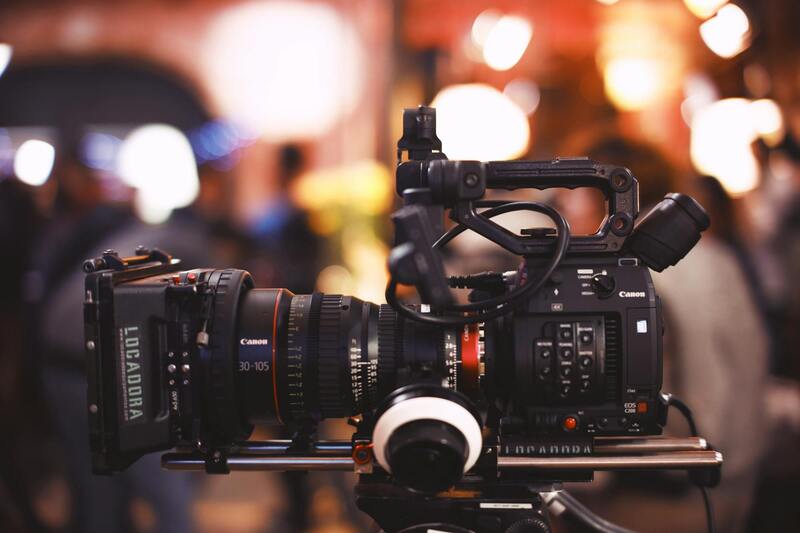
Bandwidth management plays a crucial role in maintaining stream stability. Real-time monitoring tools, such as network analyzers and bandwidth testers, should be employed before and during the event to track data flow, identify bottlenecks, and make necessary adjustments. Implementing Quality of Service (QoS) protocols is essential to prioritize streaming data packets, ensuring consistent delivery and reducing buffer issues, which can cause frustrating interruptions for viewers.
Security measures must also be integrated into the network infrastructure. Firewalls, Virtual Private Networks (VPNs), and encryption protocols protect streams from interception and unauthorized access. This helps preserve the integrity of the live broadcast and secures sensitive event content.
Pre-Event Testing and Reliability Assurance
Before the live event, comprehensive testing is vital to validate all technological components. This includes bandwidth testing to confirm capacity, latency measurements to ensure minimal delay, and failover drills to prepare for network disruptions. Conducting dry runs helps identify potential issues in a controlled environment, enabling technicians to troubleshoot and fine-tune equipment.
During the event, continuous real-time monitoring offers valuable insights into stream stability, viewer engagement, and possible technical irregularities. Metrics such as bit rate stability, error rates, and viewer counts help technicians respond swiftly to maintain a smooth broadcast. Preparing backup configurations and redundant hardware ensures that the production can continue seamlessly in case of equipment failure or network interruptions.
Best Practices for Live Event Streaming in Miami
Effective live event streaming production requires meticulous attention to detail, technical expertise, and strategic planning. In Miami, a dynamic hub for events of all sizes, adhering to established best practices ensures that the broadcast is seamless, engaging, and of high quality. Building upon the technical foundations, implementing standardized workflows, optimized equipment management, and audience engagement strategies play a vital role in elevating the live streaming experience.
Implementing Standardized Workflows
Standardized workflows are essential for synchronizing efforts across various teams and phases of live event streaming. Clear documentation of each process—from pre-production setup to post-event analytics—reduces the likelihood of errors and streamlines operational procedures. Regular training sessions should be conducted to ensure all team members are familiar with the established protocols, including equipment handling, communication protocols, and emergency procedures.
Pre-Event Preparation
- Conduct comprehensive site surveys to assess environmental conditions, power requirements, and space considerations for equipment setup.
- Establish a detailed timeline that coordinates staff shifts, equipment setup, testing procedures, and contingency plans.
- Coordinate with event organizers to understand schedule changes and special requirements that may affect streaming logistics.
On-The-Day Operations
- Ensure all equipment is calibrated, tested, and ready before the event commences.
- Assign roles clearly—such as camera operators, switchers, technicians, and content managers—to avoid confusion during live transitions.
- Use real-time communication tools, like intercom systems, to facilitate swift coordination among team members.
Post-Event Review
- Gather feedback from team members to identify areas of improvement.
- Review stream quality metrics and viewer engagement data to evaluate overall performance.
- Document lessons learned for continuous process enhancement in future events.
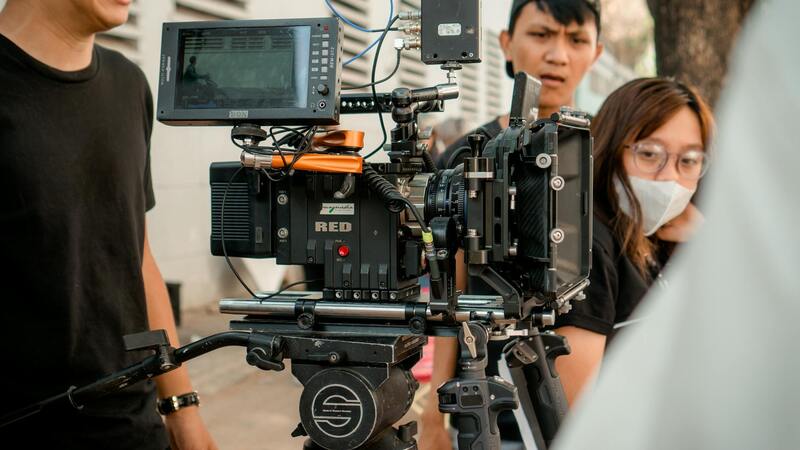
Optimizing Equipment Management and Maintenance
The reliability of live streams heavily depends on the condition and management of the technical equipment utilized. Regular maintenance schedules, proper storage, and careful handling of hardware can prevent unexpected failures that disrupt broadcasts. Essential equipment includes high-definition cameras, reliable switchers, audio mixers, backup power supplies, and encoder systems.
Scheduled Maintenance and Testing
- Perform routine inspections of all hardware components to identify signs of wear or malfunction.
- Update firmware and software to ensure compatibility and security.
- Test backup equipment regularly to guarantee readiness in case primary systems fail.
Inventory Management
- Implement an organized inventory system to track equipment status, location, and maintenance history.
- Pre-position backup units in strategic locations within the venue to facilitate quick replacements.
- Keep spare parts readily available—such as cables, batteries, and connectors—to minimize downtime.
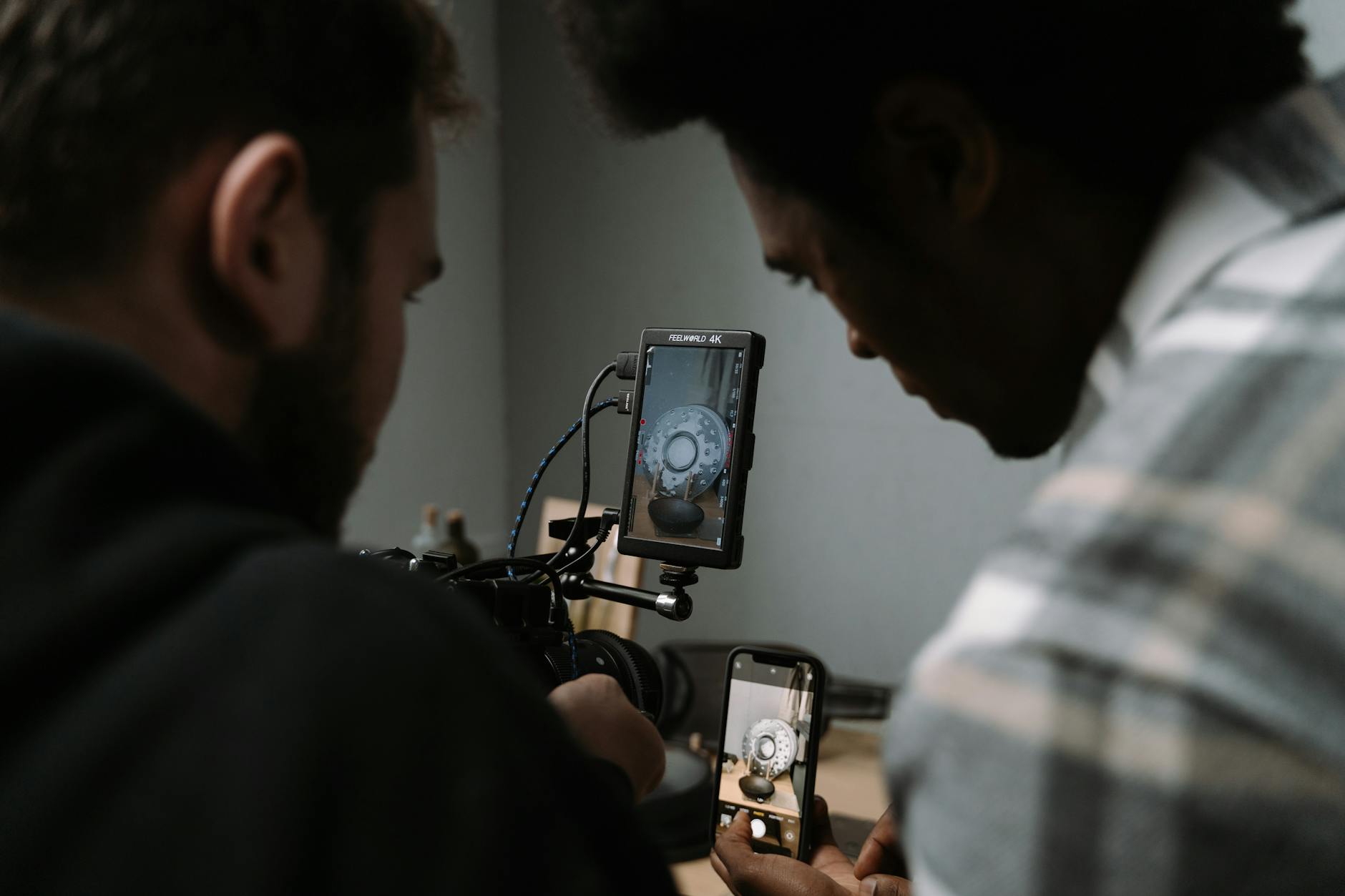
Enhancing Audience Engagement and Interaction
Live streaming is not merely about broadcasting; it is also about creating an interactive environment that captivates viewers. Incorporating interactive elements can significantly increase viewer retention and satisfaction. This includes live chat moderation, real-time polls, Q&A sessions, and social media integration. Engagement strategies foster a sense of community, especially for local Miami audiences who value participating in events remotely.
Utilizing Multiple Distribution Channels
- Distribute the live stream across popular platforms such as YouTube Live, Facebook Live, and custom embedded players on websites to maximize reach.
- Use geo-targeting tools to customize content delivery for Miami-based audiences.
- Coordinate with regional partners or sponsors to expand distribution and visibility.
Real-Time Audience Analytics
- Monitor viewer engagement metrics like watch time, interaction rates, and peak viewership times.
- Adjust streaming parameters dynamically based on real-time feedback to enhance quality and accessibility.
- Gather post-event data to plan targeted marketing campaigns and improve future live streams.
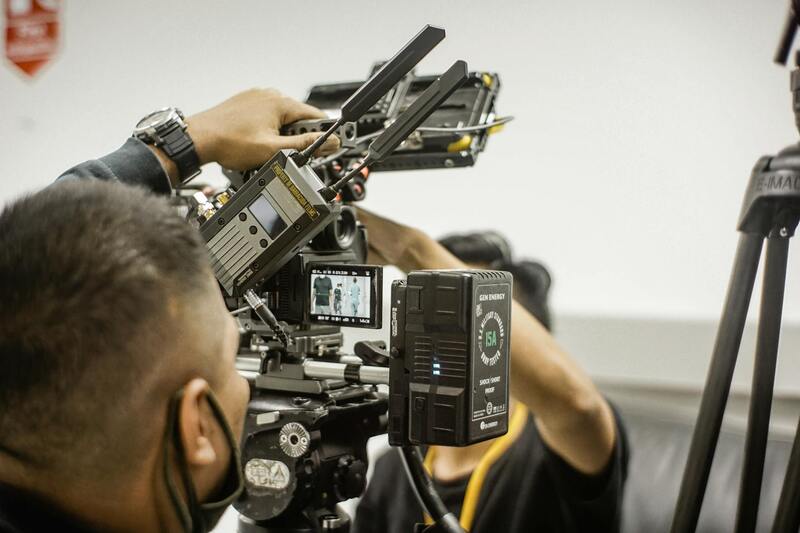
Best Practices for Live Event Streaming in Miami
Executing a successful live event stream in Miami demands adherence to proven strategies that ensure high-quality delivery, audience engagement, and seamless operations. These best practices are essential for maximizing the impact of your broadcast and delivering a memorable experience for remote viewers without technical hiccups or engagement lapses.
Pre-Event Rehearsals and Testing
Extensive rehearsals are vital to identify potential issues before the live event. Conduct full dress rehearsals that mimic the actual broadcast environment, testing all equipment, software, and internet connections. Verify camera angles, graphics, audio quality, and streaming platform functionality. Testing network stability through bandwidth analysis helps prevent unexpected interruptions. Keeping backup systems and alternative internet sources engaged during rehearsals ensures preparedness for unforeseen network disruptions.
Syncing Audio-Visual Content
Clear synchronization between audio and visual feeds is essential for viewer immersion. Implement professional audio mixers and switchers that provide precise control over audio levels and timing. Use high-quality encoders with low latency to transmit streams smoothly. Regularly calibrate equipment to ensure consistent synchronization, especially when switching between camera angles or incorporating pre-recorded segments. This attention to detail elevates the overall quality of the live stream, providing an engaging experience for your audience.
Ensuring Compliance with Local Regulations
Miami's vibrant event scene involves adherence to safety, licensing, and broadcast standards. Collaborate with local authorities to secure necessary permits and ensure compliance with noise ordinances and safety protocols. Be aware of content restrictions, copyright considerations for music or visuals, and data privacy regulations. Maintaining open communication with regulatory bodies helps avoid disruptions and ensures your live stream aligns with regional expectations and legal frameworks.
Audience Engagement and Interaction
Engagement during live streaming turns passive viewers into active participants. Integrate live chat functionalities moderated by dedicated staff to facilitate real-time interaction. Use social media channels to promote viewer participation through hashtags, polls, and Q&A sessions. Highlight viewer comments and feedback during the broadcast to foster a sense of community. Personalized shout-outs or behind-the-scenes glimpses can also boost viewer interest and satisfaction.
Real-time Monitoring and Support
Assign a dedicated support team to monitor stream health actively. Use analytics dashboards to track viewer counts, engagement levels, and stream quality metrics. If issues are detected, have contingency measures in place to switch to backup streams or adjust streaming parameters dynamically. Rapid response capabilities help maintain a professional presentation and prevent loss of audience trust.
Post-Event Analysis and Feedback
Following the live event, compile comprehensive analytics data to evaluate performance. Review viewer engagement, drop-off points, and technical issues to inform future improvements. Solicit feedback from participants and viewers to gain insights on content relevance and broadcast quality. This feedback loop is invaluable for refining workflows, enhancing equipment setups, and aligning content strategies for subsequent live streams. The continuous improvement process ensures you stay ahead in Miami’s competitive live event streaming landscape.