Understanding Live Video Stream Production
Live video stream production has become a vital component for organizations seeking real-time engagement with their audiences. At its core, this process involves capturing live footage, processing the video feed, and transmitting it over the internet to viewers across the globe. The seamless execution of this process requires a combination of specialized equipment, skilled personnel, and adherence to industry standards that ensure high-quality output. For businesses and content creators in Miami, understanding the fundamentals of live video stream production is essential for creating compelling broadcasts that meet professional expectations.
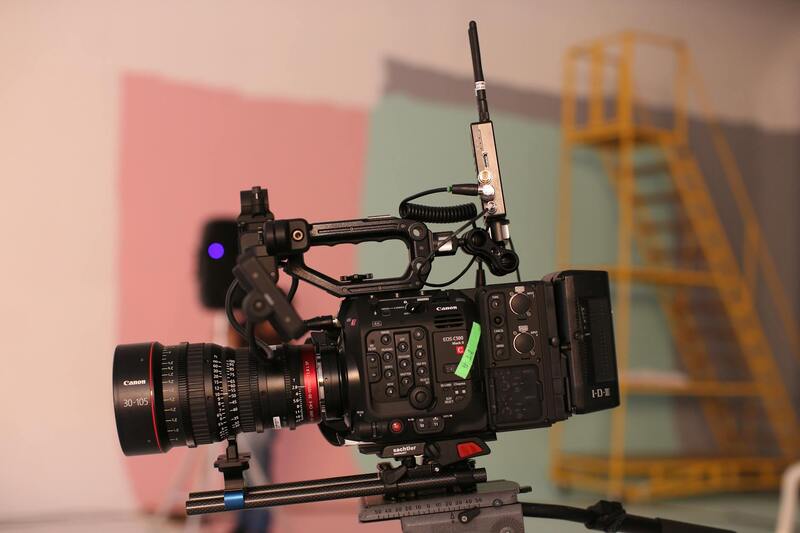
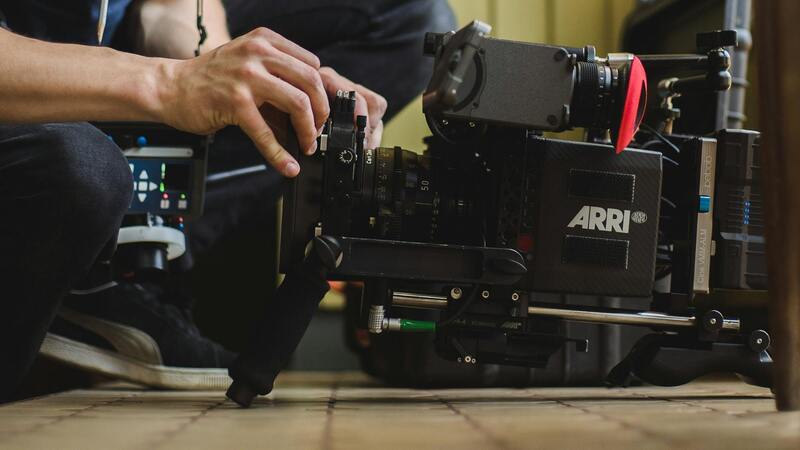
Key components of live video production include video cameras, audio equipment, switchers, and encoders. Cameras serve as the primary source of footage, and their quality significantly impacts the final output. Audio mixers and microphones ensure clear sound, which is equally critical for viewer engagement. Video switchers allow producers to seamlessly transition between different camera feeds, graphics, and pre-recorded content. Encoders convert the audio-visual signals into a digital format suitable for internet streaming. These elements work in unison under the guidance of technical directors and production staff to deliver a smooth viewer experience.
Industry standards play a crucial role in maintaining consistent quality. Typically, high-definition (HD) streams in 1080p or 4K resolutions are preferred for clarity and professionalism. Frame rates of 30 or 60 frames per second are common, contributing to smooth motion rendition. Bitrate optimization is vital for balancing video quality with reliable streaming, particularly in markets like Miami where varied internet speeds may influence performance. Ensuring low latency and minimal buffering reinforces the viewer’s experience, making it vital for live streams to be meticulously managed using proven production practices.
The Importance of Proper Infrastructure
A robust production setup depends on reliable internet connectivity, with dedicated bandwidth ensuring uninterrupted streams. Redundant systems such as backup encoders, power supplies, and internet connections provide resilience against technical failures. Well-organized control rooms equipped with real-time monitoring tools enable producers to identify issues instantly and make adjustments on the fly, safeguarding the quality and stability of the broadcast.
Standards for Quality Content Delivery
Adhering to best practices in live video stream production elevates the overall viewing experience. These include accurate audio-visual synchronization, professional lighting to enhance image quality, and the integration of graphics and overlays to convey information effectively. Furthermore, attention to detail during the production process ensures clarity, color accuracy, and consistency, which are paramount for establishing credibility and trust with viewers.
From live event coverage to webinars, corporate announcements, and entertainment broadcasts, mastering live video stream production forms the backbone of successful digital communication strategies. For Miami-based organizations aiming to elevate their online presence, investing in high-quality production practices and understanding these fundamental principles is the first step toward delivering engaging and professional live content.
Equipment and Technology Essentials
Achieving a seamless live video stream requires meticulous selection of the right equipment and technology to meet the demands of high-quality broadcasting. The core components include professional-grade cameras capable of capturing high-definition footage, reliable audio capture devices such as shotgun microphones or wireless systems, and advanced video switchers to manage multiple camera feeds efficiently. In addition, high-capacity streaming encoders are crucial for compressing and transmitting audio-visual data without sacrificing quality. Modern streaming solutions often incorporate hardware encoders that support various output formats and resolutions, ensuring compatibility with different distribution platforms and display devices. Integration of hardware or software-based streaming platforms allows real-time encoding and transmission, minimizing latency and maintaining synchronization. Network infrastructure plays a vital role, where high-bandwidth internet connections designed explicitly for streaming are essential. Signal redundancy—accomplished through secondary internet sources or cellular bonding—ensures continuous broadcast despite potential outages. Choose encoders and streaming hardware that support scalable solutions, allowing for adjustments based on event size or location constraints. Live production typically involves a mix of core tools:
- High-definition cameras with optical zoom capabilities for dynamic shots
- Professional audio mixers and microphones for clear sound quality
- Video switchers for smooth transitions and overlays
- Encoders for live data compression and transmission
- Reliable internet connections or bonded networks to ensure stable streaming
- Monitoring tools for real-time quality control and troubleshooting

Equipment and Technology Essentials
Successful live video stream production hinges on the integration of best-in-class hardware and software designed for professional broadcasting. At the core are high-definition cameras capable of capturing crisp, detailed video across varied environments, whether indoor or outdoor. These cameras often come equipped with optical zoom functionalities, allowing live operators to frame shots dynamically and adapt to changing scenes without missing critical action.
Complementing the cameras are robust video switchers that enable seamless transitions, picture-in-picture effects, and overlay graphics, ensuring that the broadcast remains visually engaging. Switchers must support multiple video inputs, audio integration, and real-time effects to meet the demands of live events hosting a wide audience.
Audio quality is equally critical; professional-grade microphones and mixing consoles ensure crystal-clear sound, minimizing background noise and feedback. Proper audio setup maximizes clarity for viewers, which directly impacts viewer engagement and overall broadcast quality.
Encoders are pivotal in converting high-quality video and audio signals into compressed data streams, ready for transmission across streaming platforms. Advanced encoders support adaptive bitrate streaming, allowing the broadcast to adjust stream quality based on viewer bandwidth and device capabilities. This flexibility helps in minimizing buffering and providing a smooth viewing experience.
Connectivity solutions are fundamental, especially in a vibrant and diverse city like Miami. Reliable internet connections, often supplemented by bonded networks or cellular bonding devices, help maintain continuous streams even amidst potential network fluctuations. Backup internet sources serve as an added safeguard, ensuring that broadcasts remain uninterrupted during unforeseen outages.
Monitoring tools are integrated into the workflow for real-time quality control. These systems track video and audio signals, network performance, and stream health, providing instant feedback to technical crews so that issues can be addressed promptly. Such proactive management maintains high broadcast standards and minimizes technical disruptions during live events.
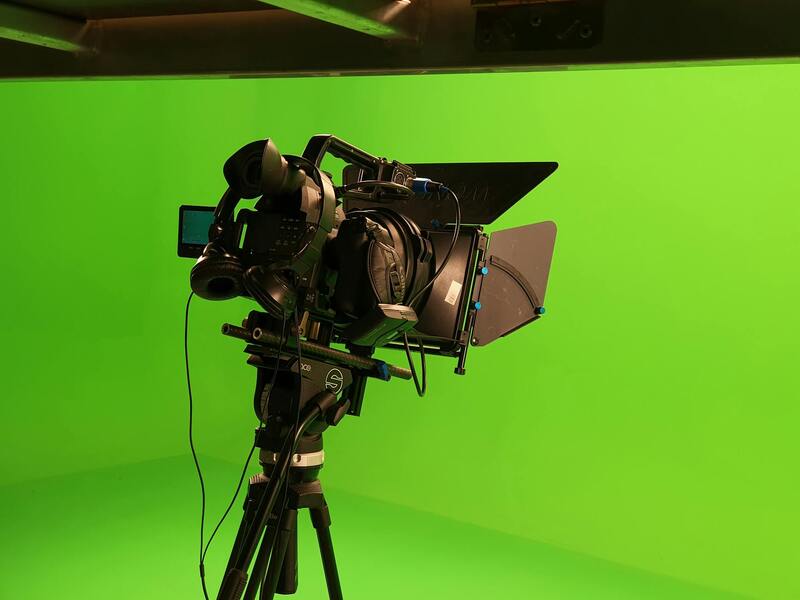
This suite of hardware and software components must be meticulously selected and configured during pre-production to ensure seamless operation during live events. Proper calibration, compatibility checks, and testing are vital steps that prevent technical issues and guarantee high-quality output. Each piece of equipment should be capable of handling the specific demands of the event, from small-scale local productions to large, multi-camera live streams with complex graphics and multiple audio feeds.
Investing in top-tier equipment not only enhances the production value but also streamlines the workflow, allowing technical teams to manage live content efficiently under pressure. When integrating this technology, it is essential to prioritize scalability and flexibility, enabling adjustments based on event scope, location, and viewer engagement levels. This approach ensures that the live video stream production aligns with client expectations and industry standards, providing a reliable and engaging viewing experience for audiences in Miami and beyond.
Quality Control and Real-Time Monitoring
Achieving a flawless live video stream hinges on rigorous quality control measures and continuous monitoring. During a broadcast, technical teams utilize sophisticated software solutions to oversee various parameters, including video resolution, audio clarity, bit rate stability, and stream latency. These monitoring tools are capable of detecting inconsistencies or disruptions instantaneously, thereby enabling quick corrective actions to maintain broadcast integrity.
Effective quality management begins with pre-event testing: verifying signal flow, checking encoding settings, and conducting mock streams to identify potential issues before going live. Once live, dedicated operators track the feed constantly, observing for any anomalies such as signal dropouts, audio lag, or graphical glitches. They can make real-time adjustments—such as switching camera feeds, modifying audio levels, or adjusting encoding parameters—to ensure a smooth viewing experience.
Furthermore, implementing redundancy systems is vital. Backup encoders, secondary internet connections, and failover hardware safeguards ensure that even if primary systems encounter issues, the stream continues uninterrupted. This layered approach to system reliability minimizes downtime, preserves broadcast quality, and enhances viewer satisfaction.

Advanced Techniques for Optimizing Live Video Stream Production
Achieving a seamless live video broadcast requires mastery of a variety of techniques that extend beyond basic equipment setup. High-level optimization strategies include implementing adaptive bitrate streaming, which adjusts video quality dynamically based on viewer bandwidth, ensuring consistent playback without buffering issues. This approach maintains viewer engagement regardless of differences in internet speeds across the audience.
Another critical method involves smart transcoding, which allows for multiple versions of the stream in different resolutions and formats. By providing viewers with options such as 720p, 1080p, or even 4K streams, broadcasters can cater to diverse devices and preferences, resulting in a more personalized viewing experience. This process also reduces load on the server by distributing the bandwidth requirements effectively.
Overlay integrations, such as real-time graphics, lower thirds, and branding elements, enrich the visual presentation of a live event. These components can be synchronized with the live feed, ensuring a polished and professional appearance that enhances brand recognition and viewer retention.
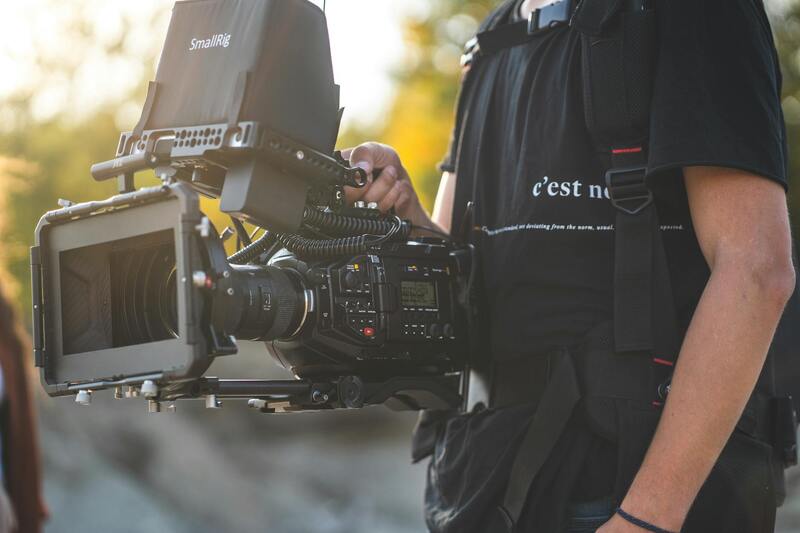
To guarantee uninterrupted delivery, implementing edge computing strategies can significantly reduce latency and decrease load on central servers. Distributing processing tasks closer to the viewer minimizes delays and improves overall stream stability. Coupling this with content delivery networks (CDNs) helps distribute the stream load efficiently, accommodating large-scale audiences without sacrificing quality.
From a technical standpoint, cybersecurity measures such as encryption protocols, robust firewalls, and secure streaming protocols protect the content from potential interception or hacking attempts. Ensuring data integrity and privacy enhances viewer trust and safeguards brand reputation.
Operational excellence also relies on comprehensive training for production staff. Regular drills, updated procedures, and clear documentation prepare teams to respond effectively to technical challenges or unexpected disruptions during live broadcasts. This proactive readiness minimizes downtime and maximizes broadcast quality.

Implementing Robust Content Delivery Systems
To ensure a seamless live video stream, deploying an effective content delivery network (CDN) is vital. CDNs distribute the streaming load across multiple servers located closer to the audience, reducing latency and buffering times. This approach not only enhances the viewer experience but also allows for scaling up to accommodate larger audience sizes without compromising quality. A well-configured CDN minimizes interruptions caused by network congestion, which can be particularly problematic during high-traffic events or in densely populated areas like Miami.
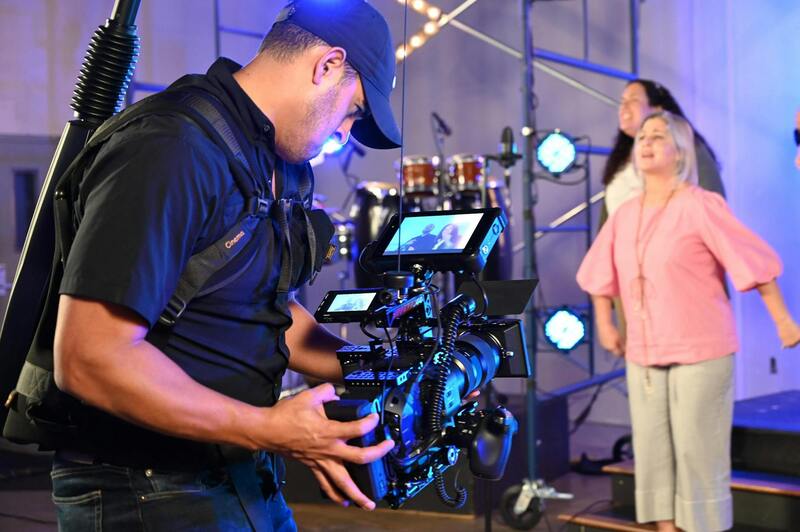
Integrating adaptive bitrate streaming technologies further enhances reliability by dynamically adjusting video quality based on the viewer’s internet connection. This adaptability ensures that viewers with varying network capabilities experience smooth playback without abrupt drops in quality. Implementing server-side and client-side monitoring enables real-time adjustments, maintaining the stream’s stability and clarity throughout the event.
Security Measures for Live Broadcasts
Securing live video streams involves multiple layers of protection. End-to-end encryption prevents unauthorized access and content interception, safeguarding the integrity of the live broadcast. Additionally, deploying secure streaming protocols such as Secure Reliable Transport (SRT) or Real-Time Messaging Protocols (RTMPs with security enhancements) ensures data confidentiality during transmission.
Firewalls and intrusion detection systems are essential for defending network infrastructure against hacking attempts and unauthorized access. Regular vulnerability assessments and security audits help identify potential weak points before they become problematic. Employing multi-factor authentication and access controls restricts system entry to authorized personnel only.
Technical Support and Real-Time Monitoring
During live production, having dedicated technical support on hand is crucial. Real-time monitoring of stream health, bandwidth, and device status allows rapid identification of issues and immediate corrective action. Tools that provide detailed analytics and dashboards facilitate proactive management, reducing the risk of unexpected disruptions.
Backup systems, such as redundant internet connections and failover streaming servers, should be configured to automatically activate in case of primary system failure. This redundancy guarantees continuous broadcast, even amid technical difficulties, maintaining the event’s professionalism and viewer satisfaction.

Advanced Techniques for Ensuring Stream Stability and Quality
Maintaining a high-quality live video stream in Miami requires meticulous attention to various technical aspects that influence the stability and clarity of the broadcast. Employing adaptive bitrate streaming, for instance, allows the stream to dynamically adjust its quality based on the viewer’s available bandwidth. This technique prevents buffering and ensures a smooth experience regardless of network fluctuations.
Utilizing multi-platform streaming protocols helps distribute your content across several channels simultaneously, broadening your reach and reducing dependence on a single platform. Technology such as SRT (Secure Reliable Transport) provides encrypted data transmission, which enhances security and reduces latency, especially important in environments with variable network conditions.
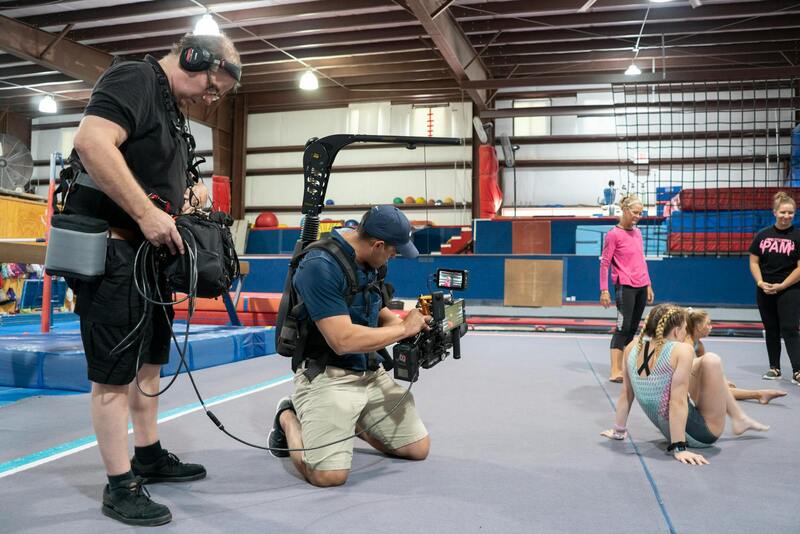
Implementing Quality Control Measures
Rigorous quality control protocols include continuous monitoring of signal strength, audio and video synchronization, and bitrate consistency. Using specialized software tools, producers can observe real-time metrics and promptly respond to any degradation issues, ensuring viewers experience an uninterrupted and visually appealing broadcast.
Pre-broadcast tests are vital components of quality assurance. These tests involve simulating the live environment, checking the stability of internet connections, and verifying encoding settings across all equipment. This proactive approach helps identify and troubleshoot potential issues before the actual event, reducing the risk of technical failures.
Remote Management and Control
Remote operation capabilities have become a cornerstone of successful live video production in Miami. Centralized control systems enable operators to oversee multiple aspects of the broadcast, such as camera feeds, audio levels, and graphic overlays, from a distance. This flexibility allows for rapid adjustments and troubleshooting without physical intervention, saving valuable time and resources.
Advanced control interfaces can also integrate with automation tools that manage transitions, overlays, and camera switching based on predefined cues. These systems improve the overall professionalism of the broadcast and significantly reduce human error, especially during complex live events.
Implementing Redundancy and Backup Solutions
Redundancy is crucial to minimize disruptions during live streams. Dual internet connections, preferably via different providers, serve as backup pathways if the primary connection experiences failure. Similarly, employing redundant streaming servers ensures that a backup source takes over seamlessly in case of hardware malfunction or overload.
To further safeguard the broadcast, backup audio and video feeds can be pre-encoded and ready for deployment if primary streams encounter issues. This layered approach ensures continuous content delivery, maintaining professionalism and viewer trust throughout the event.
Ensuring Seamless Transmission and Continual Improvement in Live Video Stream Production
Achieving a high-quality live video stream in Miami hinges on meticulous planning, robust technology, and proactive troubleshooting. Once the production is underway, ongoing monitoring of stream health is paramount. This involves real-time analytics and diagnostic tools that keep a close eye on streaming bitrate, latency, and viewer engagement metrics. Sophisticated encoding and streaming software offer dashboards that alert operators to any anomaly, enabling swift corrective measures to prevent degradation of the viewer experience.
Moreover, implementing adaptive bitrate streaming ensures that viewers with varying internet speeds receive the best possible quality without buffering interruptions. This technology dynamically adjusts video quality based on the viewer's network conditions, thus providing a smoother viewing experience and reducing the risk of viewer dropout. Such advancements are especially beneficial in Miami’s diverse geographic landscape, where internet connectivity can vary significantly among audiences.

Post-Event Evaluation and Archive Management
Following the live event, the focus shifts toward post-production processes including detailed analysis and comprehensive archiving. Post-event analytics provides insights into viewer engagement, technical issues encountered, and overall stream performance. This data informs future production strategies, helping to refine equipment usage, technical workflows, and content delivery methods.
Archiving raw footage and edited recordings not only preserves the event for future reference but also supports content repurposing. Miami production professionals often utilize cloud-based storage solutions for secure, scalable access to these assets. High-resolution copies of the stream can be cataloged and stored, ensuring easy access for on-demand viewing, promotional activities, or content licensing opportunities. Properly documented archives also facilitate transparency and accountability, which are critical components of credible live video stream production.
Maintaining Consistency Through Quality Assurance
Implementing rigorous quality assurance protocols throughout the entire production process ensures that each live stream meets stringent standards. Prior to go-live, comprehensive test runs simulate the entire broadcast operation, checking for equipment malfunctions, audio-visual synchronization, and network stability. These dry runs help identify potential issues, allowing for adjustments well before the event begins.
During the live production, constant communication among crew members, including producers, camera operators, and technical directors, supports a coordinated effort. Designating roles and establishing clear communication channels minimizes confusion and ensures quick resolution of unforeseen issues. High standards in live video streaming demand a disciplined approach to workflow, with predefined contingency plans to address common challenges swiftly and effectively.
Fostering Client Confidence and Compliance
Transparency in the production process fosters trust and confidence among clients and stakeholders. Providing clear updates during the event, such as technical status reports or viewer feedback summaries, reassures clients of professional standards. Additionally, adhering to content rights management, licensing, and intellectual property regulations is essential for maintaining operational integrity and avoiding legal complications.
Regular training sessions for staff on the latest streaming technologies and industry best practices further enhance the team's competence. Certified training programs and industry certifications serve as benchmarks of expertise, ensuring that your team remains prepared for all facets of live video production in Miami.
Innovating with Emerging Technologies
Continuous innovation is vital to remain at the forefront of live video stream production. Emerging technologies such as 5G connectivity, immersive AR/VR experiences, and AI-driven production tools are transforming how live content is created and delivered. Embracing these advancements allows Miami-based production teams to offer cutting-edge solutions that captivate audiences and expands the scope of live event coverage.
For example, integrating 360-degree cameras and real-time virtual overlays can provide audiences with immersive experiences, especially for virtual tourism or real estate showcases. AI algorithms can assist in real-time editing, content moderation, and audience engagement analysis, making workflows more efficient and interactive.