
Understanding Live Video Streaming Production
Live video streaming production is a sophisticated process that involves capturing, encoding, transmitting, and broadcasting live video content to audiences in real time. It has become an essential component for various sectors, including entertainment, corporate events, education, and governmental communications, offering immediacy and engagement that traditional broadcast methods cannot match.
The core objective of live streaming production is to deliver seamless, high-quality video experiences to viewers across multiple devices and platforms. This requires meticulous coordination of multiple technical elements, including camera operations, audio management, signal transmission, and real-time graphics integration. The goal is to produce a broadcast that is not only technically robust but also visually compelling and aligned with the event's thematic and branding objectives.
At the heart of professional live streaming are key components such as professional-grade cameras capable of delivering high-definition footage, robust audio equipment to ensure clear sound, and encoders that convert raw footage into optimized digital streams suitable for distribution over the internet. Additionally, stable internet connectivity with sufficient bandwidth is critical to prevent interruptions and maintain stream quality.
Live video production also involves strategic planning around seamless switching between multiple camera angles, live feeds, and graphic overlays. This requires skilled technical operators and production staff who can adapt to dynamic situations, troubleshoot issues on the spot, and coordinate the various elements involved to ensure a smooth broadcast.
Furthermore, the objectives extend beyond mere transmission. Content creators aim to enhance viewer engagement through interactive elements, real-time chat integration, and tailored streaming platforms. Metrics tracking and analytics post-broadcast help in evaluating performance, understanding audience behavior, and refining future productions.

Essential Equipment and Technology
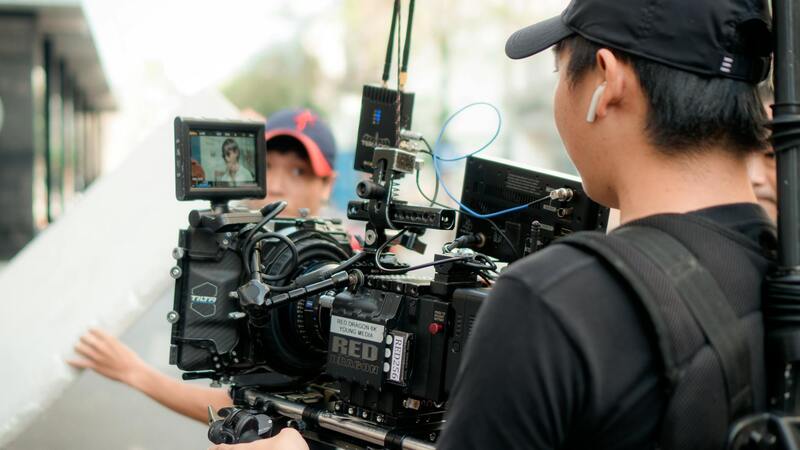
Choosing the right equipment is fundamental to achieving a professional live stream. High-definition cameras are the cornerstone for capturing sharp visuals, providing viewers with crystal-clear images that enhance engagement. Often, multiple cameras are employed to deliver dynamic perspectives and seamless switching between angles, which can significantly elevate the production quality. Camera stabilization tools such as tripods, gimbals, and dollies are used to ensure steady footage, especially in dynamic settings.
Audio quality is equally critical; professional-grade microphones, audio mixers, and soundboards help capture clear, balanced sound that complements the visual content. Wireless microphones or lapel mics are frequently used for flexibility, enabling presenters or performers to move freely without sacrificing audio clarity.
Lighting equipment tailored to the environment ensures that the subject is well-lit and visually appealing, reducing shadows and improving overall image quality. Softboxes, ring lights, and LED panels are common choices for controlling light quality and direction.
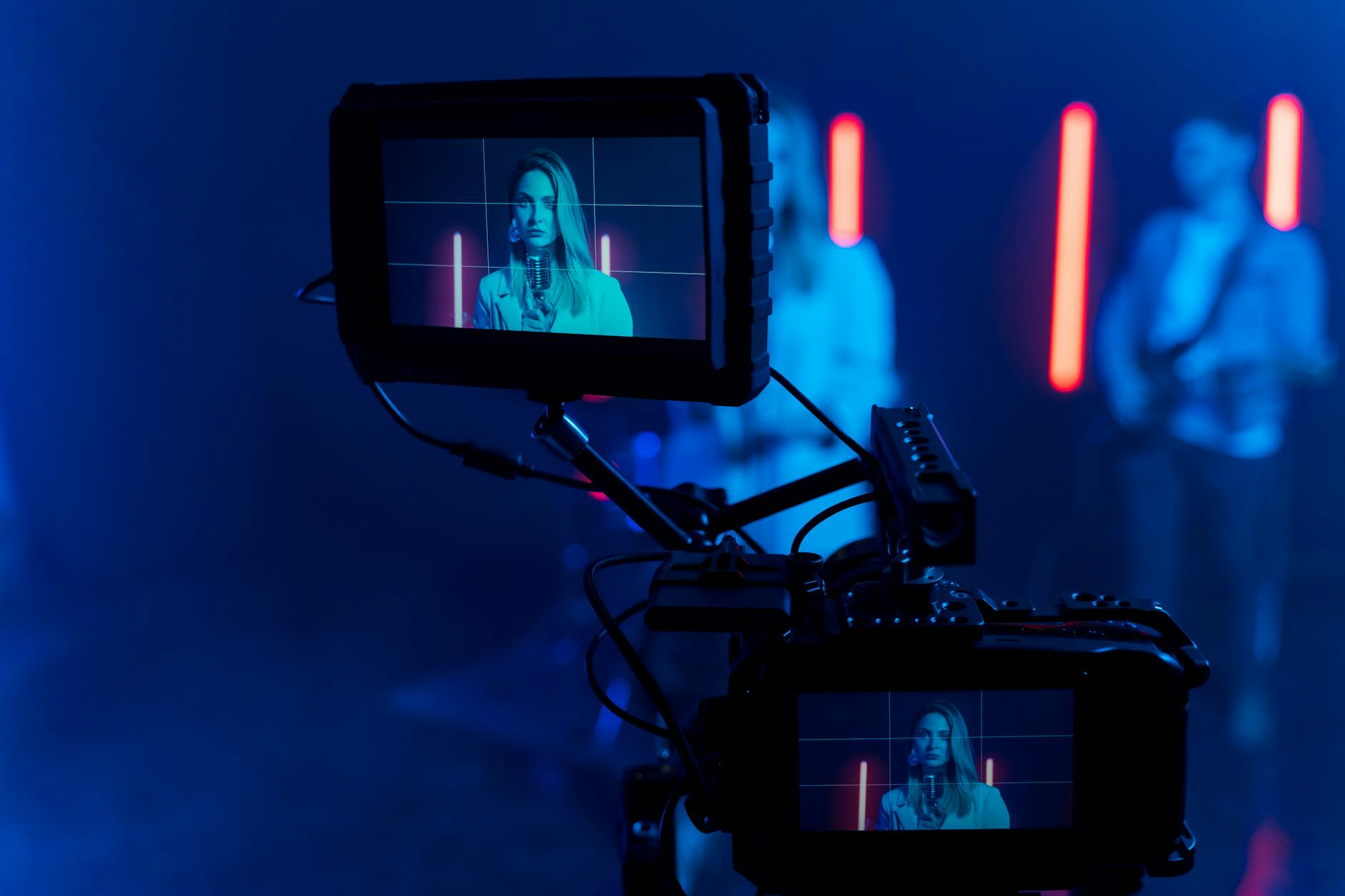
At the core of broadcast technology are hardware encoders and switchers, which facilitate real-time video mixing and streaming. These devices convert the raw video signals into a format suitable for transmission over the internet. Streaming software platforms and hardware encoders work in tandem to encode, compress, and deliver high-quality streams with minimal latency.
Reliable networking infrastructure ensures a stable connection that can handle the demanding bandwidth requirements of live streaming. Ethernet connections are preferred over Wi-Fi for stability, especially in professional settings, and backup internet sources are vital to mitigate any unforeseen disruptions.
Streaming platforms play a pivotal role in the delivery process. They manage the distribution of the live feed across multiple channels, monitor stream health, and provide analytics. Integration with Content Delivery Networks (CDNs) can further optimize the distribution, allowing global audiences to access content seamlessly.
In summary, investing in cutting-edge equipment and reliable technology infrastructure is essential for producing live video content that is visually stunning, audibly clear, and consistently stable. These technological elements underpin every successful live stream, ensuring a seamless experience for viewers regardless of location or device.
Technical Methods for Authentic Live Video Streaming Production
Executing a professional live video stream involves a combination of specialized technology and precise operational strategies to deliver real-time content seamlessly to the target audience. The core objective is to transmit high-quality video and audio with minimal latency and maximum reliability, which requires adherence to established, dependable production techniques.
One foundational element is the use of dedicated hardware encoders, which transform raw video signals into formats optimized for streaming over the internet. These devices support various streaming protocols and ensure that video quality remains consistent, even in bandwidth-constrained environments. Hardware switchers, meanwhile, allow producers to seamlessly transition between multiple video sources, such as cameras and multimedia feeds, creating a dynamic and engaging broadcast.
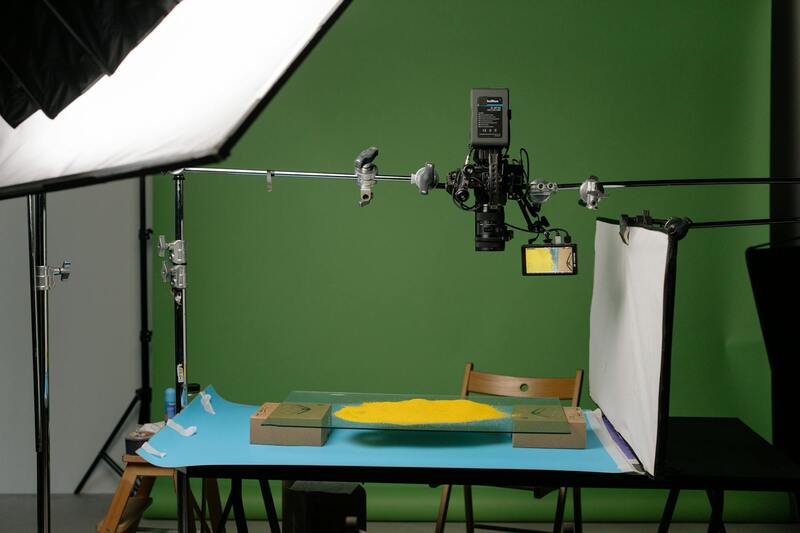
Efficient encoding and processing are complemented by a robust network infrastructure. Wired Ethernet connections are preferable for their stability, especially during complex productions involving multiple cameras and feeds. In scenarios where wireless connectivity is necessary, dual or backup internet sources are implemented to mitigate interruptions. During a live event, network redundancy is critical to maintaining a continuous broadcast without glitches.
The backbone of a reliable live stream is a well-configured Content Delivery Network (CDN). CDNs distribute streams across various servers worldwide, reducing latency and preventing buffering issues for viewers regardless of their geographical location. This setup involves integrating streaming software solutions that manage bit rate adjustments dynamically, ensuring the stream adapts to real-time network conditions to avoid quality drops or disconnections.
The use of multiple cameras and professional-grade hardware encoders enables a multi-angle production similar to traditional broadcast studios. These setups often incorporate wireless video transmission systems, facilitating camera mobility and diverse shot compositions without sacrificing stream quality. As technology advances, SDI (Serial Digital Interface) and HDMI connections further enhance signal quality and reliability in high-definition productions.
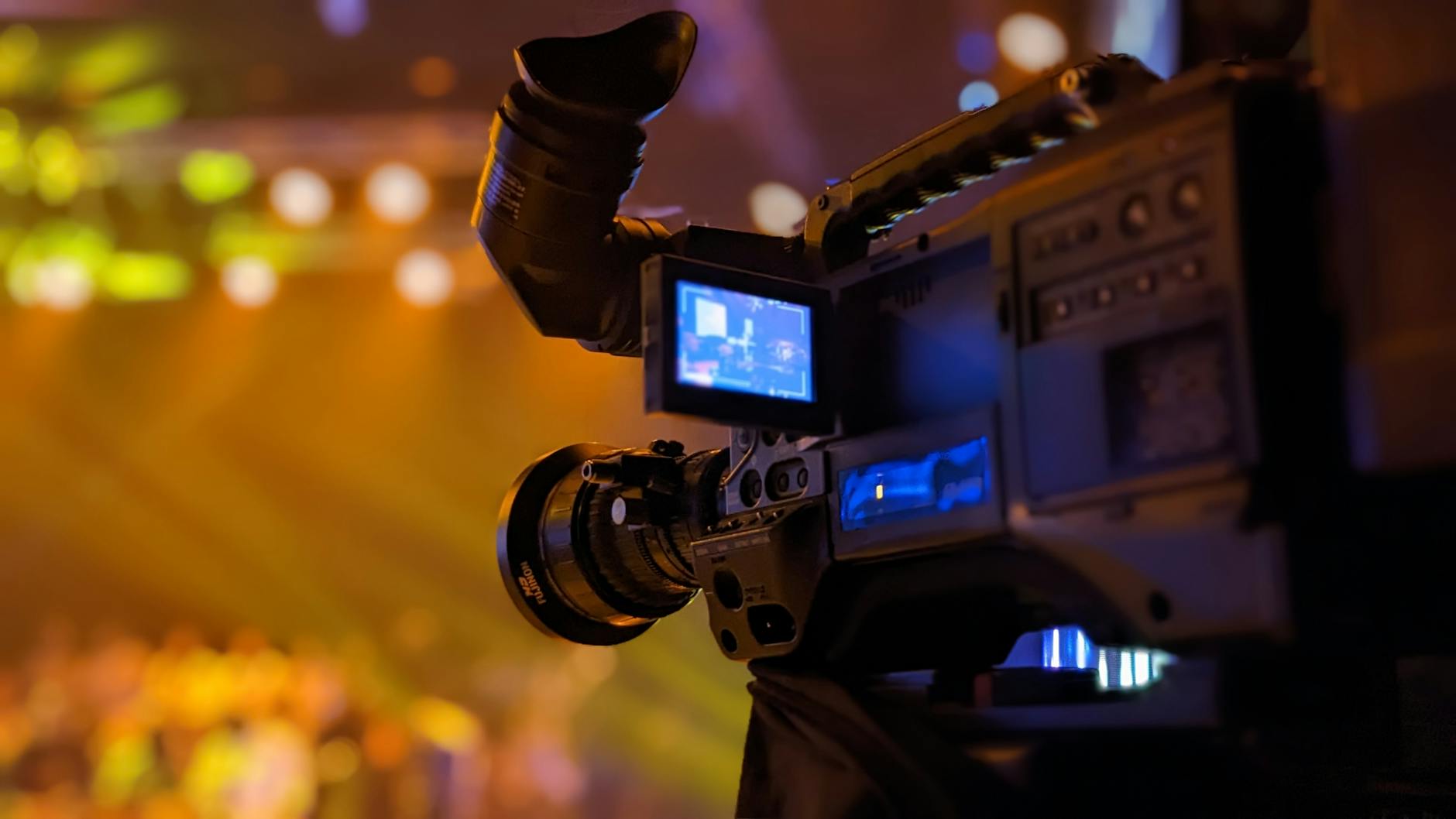
Successful live streaming also integrates audio equipment such as professional microphones, audio mixers, and sound processors, ensuring clear and balanced sound. Synchronization between audio and video streams is managed through sophisticated software tools during the production phase, preventing delays and echo issues.
Operational Best Practices for Authentic Live Video Content
- Pre-Event Testing: Conduct comprehensive rehearsals to test all technical elements, including camera angles, audio sources, internet connections, and streaming configurations.
- Redundancy Planning: Implement backup systems for critical components such as internet access, power supplies, and streaming hardware to avoid disruptions.
- Real-Time Monitoring: Use live analytics tools to oversee stream health, viewer engagement, and quality metrics, allowing immediate troubleshooting when necessary.
- Professionally Managed Transitions: Use operator-controlled switchers for seamless scene changes, inserting graphics, overlays, and advertisements as required.
- Engagement with Audience: Incorporate chat moderation and interaction features to foster viewer participation and feedback during the broadcast.
Understanding Live Video Streaming Production
Effective live video streaming production hinges on meticulous preparation, the use of professional-grade equipment, and advanced broadcasting techniques. It involves coordinating multiple elements — from camera setups and audio synchronization to streaming hardware — to ensure a seamless viewing experience for audiences regardless of their location. As technology evolves, live streaming production has become more sophisticated, incorporating innovations such as multi-camera switching, real-time graphics overlays, and network redundancy measures to deliver high-quality content reliably.
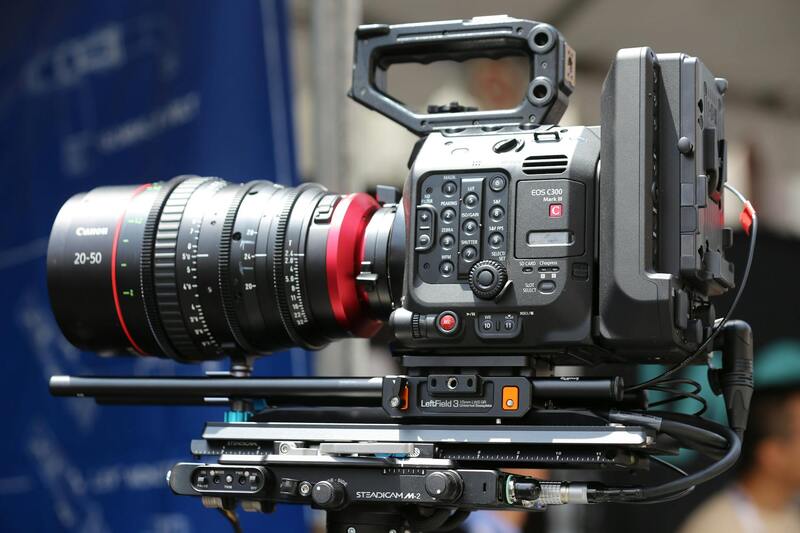
Central to successful live streaming is the integration of robust switching systems that enable dynamic scene changes without interruption. Overlays, lower thirds, and branded graphics can be added in real-time to enrich the visual presentation. Audio quality is equally critical, demanding professional microphones, sound mixers, and processing units to guarantee clarity, balance, and synchronization with video feeds. Achieving this level of production quality requires a combination of skillful operation and dependable hardware components.
Key Components of Professional Live Video Streaming Production
- Video Capture Devices: High-definition cameras with remote control capabilities ensure crisp visuals and flexibility during live events.
- Switchers and Video Processors: Enable real-time scene transitions, picture-in-picture features, and graphics overlays to keep the content engaging.
- Audio Equipment: Professional microphones (like lavalier, shotgun, or condenser mics), electronic audio mixers, and sound processing units help produce clear, balanced sound.
- Streaming Hardware: Dedicated encoders or software solutions designed to optimize video and audio signals for various streaming platforms.
- Network Infrastructure: Reliable internet connections, preferably with dedicated bandwidth, to support uninterrupted data flow and high-resolution streams.
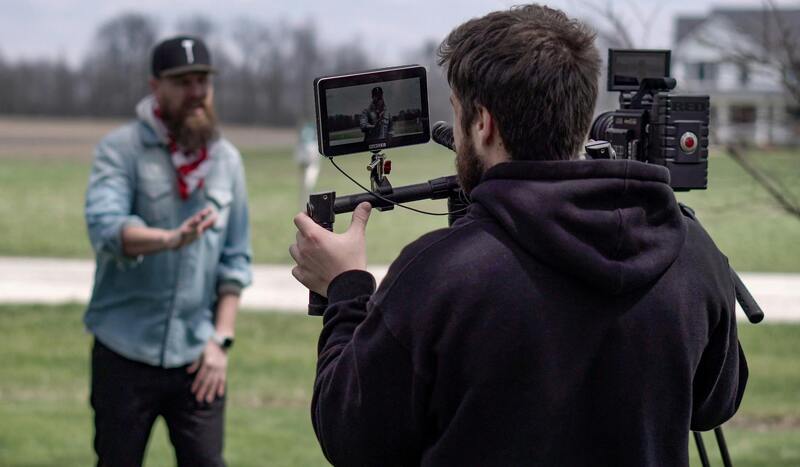
Integrating Technology for Reliable and High-Quality Output
Combining these components requires a comprehensive setup that accounts for on-site and remote factors. Redundant internet connections, such as LTE backup links, can be established to prevent disruptions. Advanced encoding solutions facilitate multi-platform broadcasting, providing the flexibility to reach viewers on social media, dedicated apps, or embedded web players. The use of cloud-based switching and streaming management tools further enhances coordination, enabling producers to monitor stream performance and make adjustments in real-time.
Moreover, the emphasis on pre-production planning ensures that every technical aspect aligns with the content delivery goals. This includes detailed test runs, establishing communication protocols among team members, and preparing contingency plans for potential technical failures. By focusing on these official and proven methods, live video streaming production achieves the high standards necessary for professional-grade broadcasts, engaging audiences effectively and maintaining brand integrity.
Utilizing Remote and Multi-Camera Streaming Techniques
Employing remote and multi-camera streaming techniques significantly elevates the quality and engagement level of live video productions. These methods allow producers to create dynamic content by capturing multiple angles and perspectives, offering viewers a richer and more immersive experience. Multi-camera setups involve strategically positioning cameras at different locations and angles—such as wide shots, close-ups, and audience reactions—to facilitate seamless switching during the broadcast. This necessitates advanced video switchers and real-time editing capabilities, which are often managed via professional production control rooms or remote control panels.
Remote production, also known as REMI (Remote Integration Model), involves managing video feeds from multiple locations without the need for extensive on-site crew or equipment. This approach relies heavily on high-bandwidth internet connections and sophisticated streaming hardware, enabling live feeds from remote sites to be integrated into a centralized production control system. Remote operators can control camera angles, monitor audio levels, and coordinate transitions from disparate locations using secure, dedicated communication channels. This setup minimizes logistical complexities and reduces overall production costs while maintaining broadcast quality.
Integration of multiple feeds involves synchronized processing to ensure seamless transitions between various camera angles and remote sources. Video mixing consoles and switching software enable real-time editing, with overlays, graphics, and other visual enhancements added dynamically. To optimize viewer engagement, broadcasters can incorporate synchronized live chat feeds, interactive polls, and multimedia elements. Achieving this requires meticulous planning and testing, including bandwidth assessments, latency mitigation, and redundancy measures.
Professional live stream production pipelines leverage cloud-based platforms for scalable management of multiple feeds. These platforms facilitate multi-redundant streams, instant feed switching, and comprehensive monitoring capabilities, ensuring consistent broadcast quality. The combination of advanced hardware, robust network infrastructure, and expertly coordinated remote operations culminates in a high-fidelity streaming experience that resonates with viewers and enhances the overall production value.
Understanding Live Video Streaming Production
Effective live video streaming production demands a comprehensive grasp of both technical and operational components. It involves meticulous planning, the use of advanced equipment, real-time production execution, and strategic distribution methods. Central to establishing a seamless live broadcast are the core principles of video and audio quality, synchronization, and audience engagement. Professionals in the field leverage a combination of hardware, software, and network infrastructure to deliver high-quality streams that meet the expectations of diverse viewers across multiple devices and locations.
Key Elements Influencing Live Streaming Success
- Content Quality: The foundation of a compelling live stream is content that resonates with the target audience. Clear visuals, crisp audio, and engaging presentation styles enhance viewer retention.
- Technical Infrastructure: Reliable high-speed internet connections, servers, encoding hardware, and streaming software are essential to handle high-volume data transfer without interruptions.
- Production Management: Real-time direction, camera switching, overlays, and graphics require skilled operators and robust control systems to adapt to live circumstances.
- Audience Interaction: Incorporating chat functions, polls, and viewer feedback tools fosters greater engagement and provides immediate analytics to refine future broadcasts.
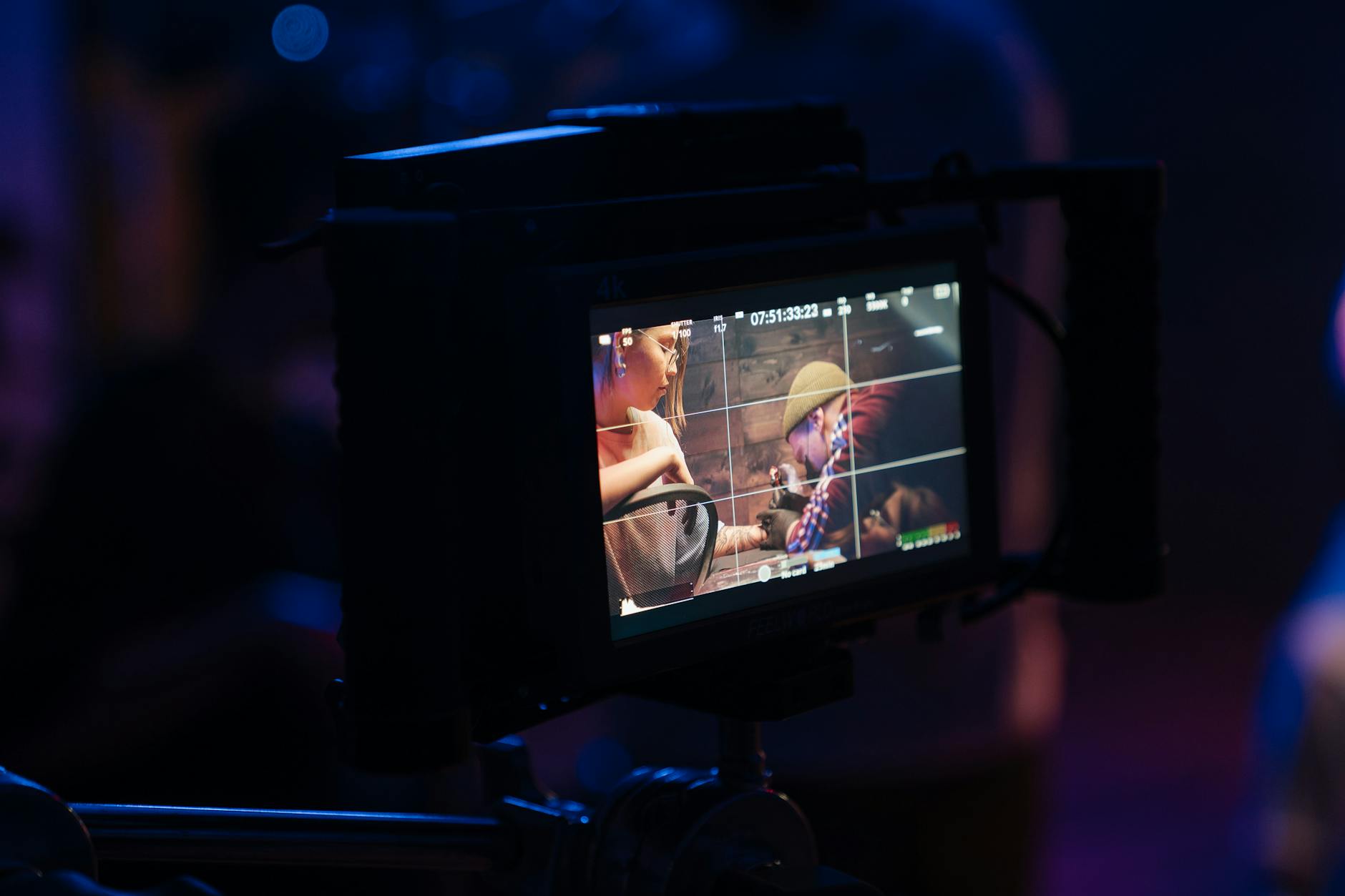
Technical Foundations of Live Video Streaming
A well-structured live streaming production depends on the integration of multiple components working in harmony. High-definition cameras and professional audio gear capture the event, which is then encoded using specialized hardware or software encoders. These encoders compress the video and audio signals into formats suited for internet transmission, such as H.264 or H.265, ensuring high quality while maintaining manageable data rates.
From there, the encoded streams are transmitted via a content delivery network (CDN), ensuring global accessibility and minimal latency. The use of redundant servers and internet connections further mitigates the risk of outages, preserving stream continuity. Software solutions facilitate seamless switching between camera feeds, overlaying graphics or live commentary, and enabling real-time editing. This process requires meticulous synchronization to avoid lag or glitches that can detract from viewer experience.
Implementing a Robust Streaming Workflow
An effective live streaming setup involves comprehensive workflow planning, encompassing:
- Pre-Event Testing: Conduct thorough dry runs to evaluate equipment performance, internet stability, and software functionality.
- Network Optimization: Prioritize bandwidth for streaming, employ dedicated internet lines if available, and employ QoS (Quality of Service) measures to reduce latency and packet loss.
- Multi-Source Management: Integrate multiple cameras and audio feeds, synchronized via control systems such as broadcast switchers or streaming software with multi-input capabilities.
- Real-Time Monitoring: Utilize monitoring tools to observe stream quality, detect issues early, and implement immediate corrective actions.
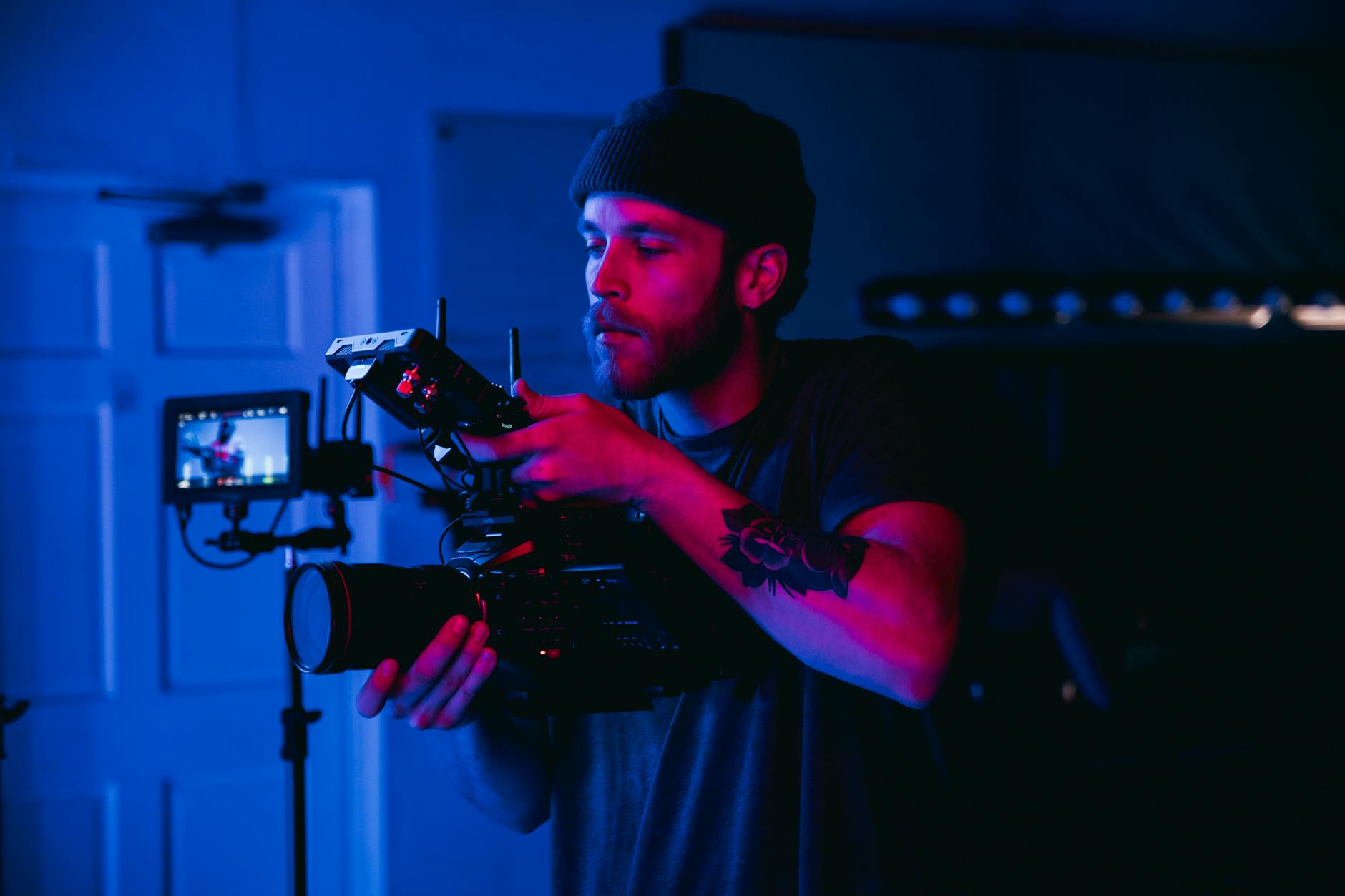
Best Practices for Live Broadcast Execution
Executing a professional live stream requires precision, adaptability, and coordination among team members. Behind the scenes, a designated director oversees camera feeds, audio levels, graphics, and timing cues, communicating via secure channels with technical operators. To maintain high standards, teams should prepare contingency plans for potential technical failures, including backup internet connections, spare equipment, and alternative routing strategies. Integration with other media, such as social media platforms or interactive web interfaces, is facilitated via streaming pipelines that deliver synchronized content to diverse endpoints.
Advanced techniques, such as remote production and multi-camera switching, empower broadcasters to extend their reach beyond physical locations. Hosts or remote guests can join via high-quality video conferencing tools, which are integrated into the broadcast workflow, providing dynamic, live interactions that enhance viewer engagement.
Overall, the sophistication of live video streaming production relies heavily on clear strategy, cutting-edge technology, and highly coordinated team efforts, ensuring broadcast reliability and viewer satisfaction.
Advanced Techniques in Live Video Streaming Production
Effective live video streaming production leverages cutting-edge methodologies that enhance broadcast quality, viewer engagement, and operational efficiency. These advanced techniques include multi-camera setups, remote production workflows, and dynamic switching capabilities that allow broadcasters to adapt swiftly to on-set developments. Utilizing multi-camera configurations enables seamless switching between various angles, providing a more immersive experience for viewers. This method requires synchronized feeds, professional switchers, and real-time video editing to deliver a polished presentation.
Remote production technologies have revolutionized the way live streams are managed, especially when physical presence is constrained by distance or logistical challenges. By deploying remote control centers, production teams can oversee multiple feeds from diverse locations, ensuring cohesive content delivery without the need for on-site personnel. This setup typically involves high-bandwidth internet connections, cloud-based control systems, and secure communication channels that safeguard the integrity of the stream.

Another notable development involves real-time graphics and overlay integration. Live graphics such as scoreboards, branding elements, and interactive annotations can be layered precisely on the broadcast using specialized software. These visual enhancements not only reinforce brand identity but also serve functional purposes during live events, such as highlighting key moments or providing additional information.
Implementing Simulcasting and Content Distribution Strategies
To maximize reach, broadcasters often employ simulcasting—distributing the live feed across multiple platforms simultaneously. This approach requires robust encoding solutions capable of handling different formats and resolutions tailored for each destination, including social media, streaming services, and private networks. Effective distribution involves managing multiple streams efficiently, ensuring synchronization, and maintaining optimal quality across varied devices and bandwidth conditions.
Ensuring Quality and Reliability in High-Profile Broadcasts
High-stakes live streams demand rigorous quality control processes. Continuous monitoring of stream health, encoding parameters, and network stability ensures consistent delivery. Incorporating redundant systems, such as backup encoders and failover internet connections, safeguards against unforeseen issues. Advanced analytics and reporting tools help in diagnosing problems promptly, providing actionable insights for immediate correction.
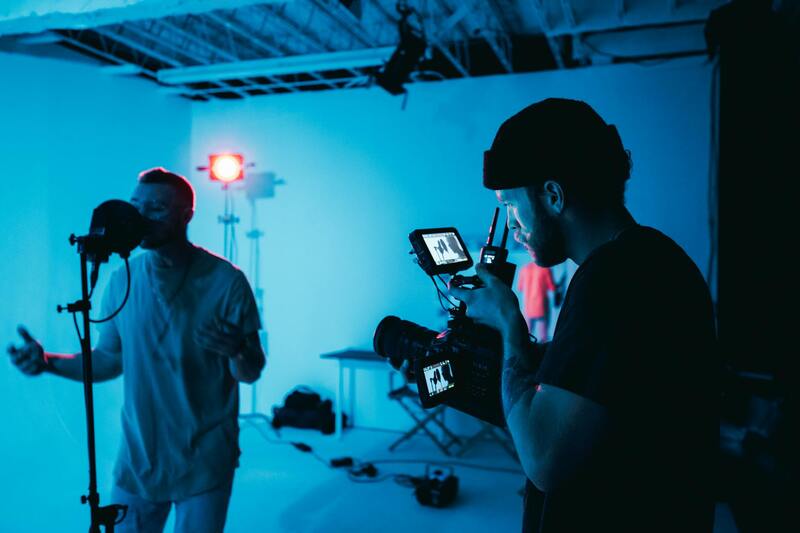
Moreover, integrating live chat, Q&A sessions, and viewer polls can elevate interactive engagement, making the event more participatory. These features require secure, real-time data transmission and user interface integration to ensure smooth operation without affecting stream stability.
Security and Data Protection Considerations
Securing live streams against unauthorized interception and piracy involves encryption technologies and access controls. Content protection measures, such as secure tokens and geo-restrictions, ensure that only authorized viewers access the stream. Additionally, safeguarding private source feeds and sensitive participant data minimizes vulnerabilities during production and distribution.
Advanced Techniques for Enhancing Live Video Streaming Production
Implementing advanced techniques in live video streaming production elevates the quality, reliability, and viewer engagement of broadcasts. As technology continues to evolve, producers and technical teams leverage innovative methods such as adaptive bitrate streaming, multi-platform content delivery, and real-time analytics to deliver seamless viewing experiences across diverse devices and network conditions.
Adaptive Bitrate Streaming
This method dynamically adjusts the video quality based on the viewer's internet connection speed. By encoding multiple versions of the stream at different bitrates, the system can switch seamlessly between them, ensuring minimal buffering and optimal quality. Adaptive streaming not only improves viewer satisfaction but also reduces bandwidth costs by avoiding unnecessary high-quality streams for viewers with constrained connections.
Multi-Platform Content Delivery
Delivering live streams across various platforms and devices is essential to maximize reach. This involves encoding content in multiple formats compatible with desktops, smartphones, tablets, and smart TVs. Effective multi-platform delivery leverages content delivery networks (CDNs) that distribute traffic efficiently, reducing latency and maintaining high-quality streams regardless of geographic location. Coordinating simultaneous streams ensures a consistent experience, regardless of the endpoints.
Real-Time Analytics and Data Integration
Utilizing real-time analytics during broadcast provides insights into viewer engagement, stream quality, and technical performance. Metrics such as viewer count, buffering rates, and geographic distribution help producers make immediate adjustments and optimize content delivery. Integrating data-driven decision-making ensures higher viewer retention and enhances overall broadcast effectiveness.
Implementing Secure Transmission Protocols
Security measures are vital to safeguarding content and maintaining viewer trust. Employing encryption protocols such as Secure Reliable Transport (SRT) and Hypertext Transfer Protocol Secure (HTTPS) ensures that data remains protected from interception and tampering. Access controls, including secure tokens and password protection, restrict unauthorized access and protect sensitive streams from unauthorized distribution.
Use of Cloud-Based Solutions
Cloud platforms offer scalable infrastructure for live video streaming production. Cloud-based encoding, storage, and distribution services simplify deployment and management, allowing teams to handle high-volume broadcasts efficiently. The flexibility of cloud solutions supports rapid scaling for peak traffic and provides redundancy options to improve stream stability and uptime.
Emerging Technologies and Future Outlook
Advancements such as 8K streaming, virtual reality (VR), and augmented reality (AR) integration are poised to transform live video production. These innovations aim to provide more immersive and interactive experiences for viewers. Additionally, AI-driven content management and automated editing tools optimize the production workflow, enabling real-time adjustments and personalized viewer experiences.