
Understanding Live Streaming Services
Live streaming services have revolutionized the way events are shared and experienced by audiences worldwide. These services facilitate the real-time broadcast of various events, allowing viewers to watch live content over the internet from any location. This capability is especially valuable for organizations, event organizers, and individuals seeking to reach a broader audience without geographical limitations.
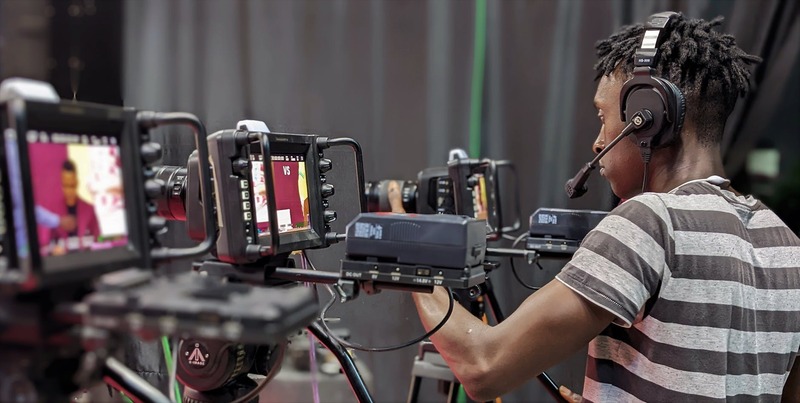
At its core, live streaming involves capturing video and audio from an event venue, processing the media through specialized equipment and software, and transmitting the signal over an internet connection to viewers’ devices such as computers, smartphones, or smart TVs. This seamless transmission is made possible by advanced encoding hardware and reliable content delivery networks (CDNs) that ensure a steady, high-definition stream free of buffering or interruptions.
Today’s live streaming platforms and services serve a multitude of purposes—from corporate conferences, product launches, and trade shows to religious gatherings, concerts, and community events. They offer a dynamic way to engage audiences, expand reach, and enhance event visibility. Moreover, live streaming services incorporate interactive features such as real-time chat and Q&A sessions, providing a more engaging experience and fostering a sense of connection between hosts and viewers.
For event organizers and businesses in Miami seeking to utilize live streaming, partnering with experienced providers ensures high-quality output, reliable coverage, and technical support throughout the event. As demand continues to grow, local providers have developed sophisticated workflows, leveraging cutting-edge technology to deliver professional-grade streams tailored to specific event requirements.
- Scalability: Capable of accommodating audiences from small groups to thousands of viewers simultaneously.
- Customization: Tailored streaming solutions to fit the nature and scope of each event.
- Accessibility: Easy access for viewers on multiple devices and platforms, expanding overall reach.
- Cost-effective: Reduces logistical expenses compared to traditional event configurations involving on-site attendees or multiple physical venues.
Whether it’s a corporate conference in Downtown Miami or a local community festival in Miami Beach, understanding the fundamentals of live streaming services is essential for leveraging this technology effectively. Selecting the right provider involves evaluating technical expertise, equipment quality, and service reliability to ensure that the live event achieves its intended impact and reaches the desired audience in real time.
Types of Events Suitable for Live Streaming
Live streaming services are adaptable to a wide variety of event types, providing a flexible solution for organizers seeking to reach broader audiences. Corporate events, including product launches, press conferences, and seminars, benefit significantly from professional streaming, allowing remote participants to engage seamlessly. Cultural events, such as music concerts, theater performances, and art exhibitions, can be broadcast to audiences who are unable to attend physically, enhancing visibility and engagement.
Community and social gatherings, including festivals, parades, and religious events, also leverage live streaming to extend their reach beyond geographic limitations. Educational institutions frequently utilize streaming for webinars, lectures, and graduation ceremonies, making content accessible to students and staff irrespective of location.
Furthermore, sports tournaments and competitions, whether local or regional, rely on live streaming for real-time updates, attracting spectators worldwide. Even corporate training sessions or internal meetings can be effectively streamed to facilitate remote collaboration while maintaining professionalism.
The capability to broadcast a diverse spectrum of events underscores the importance of selecting a live streaming service equipped to handle specific technical demands, ensuring the event's content is delivered smoothly and professionally across all platforms.
Local Miami Production Agencies Offering Live Streaming
Many Miami-based production agencies specialize in providing comprehensive live streaming solutions tailored to local event needs. These agencies often combine technical expertise with a nuanced understanding of the Miami event landscape, ensuring personalized service and high-quality output.
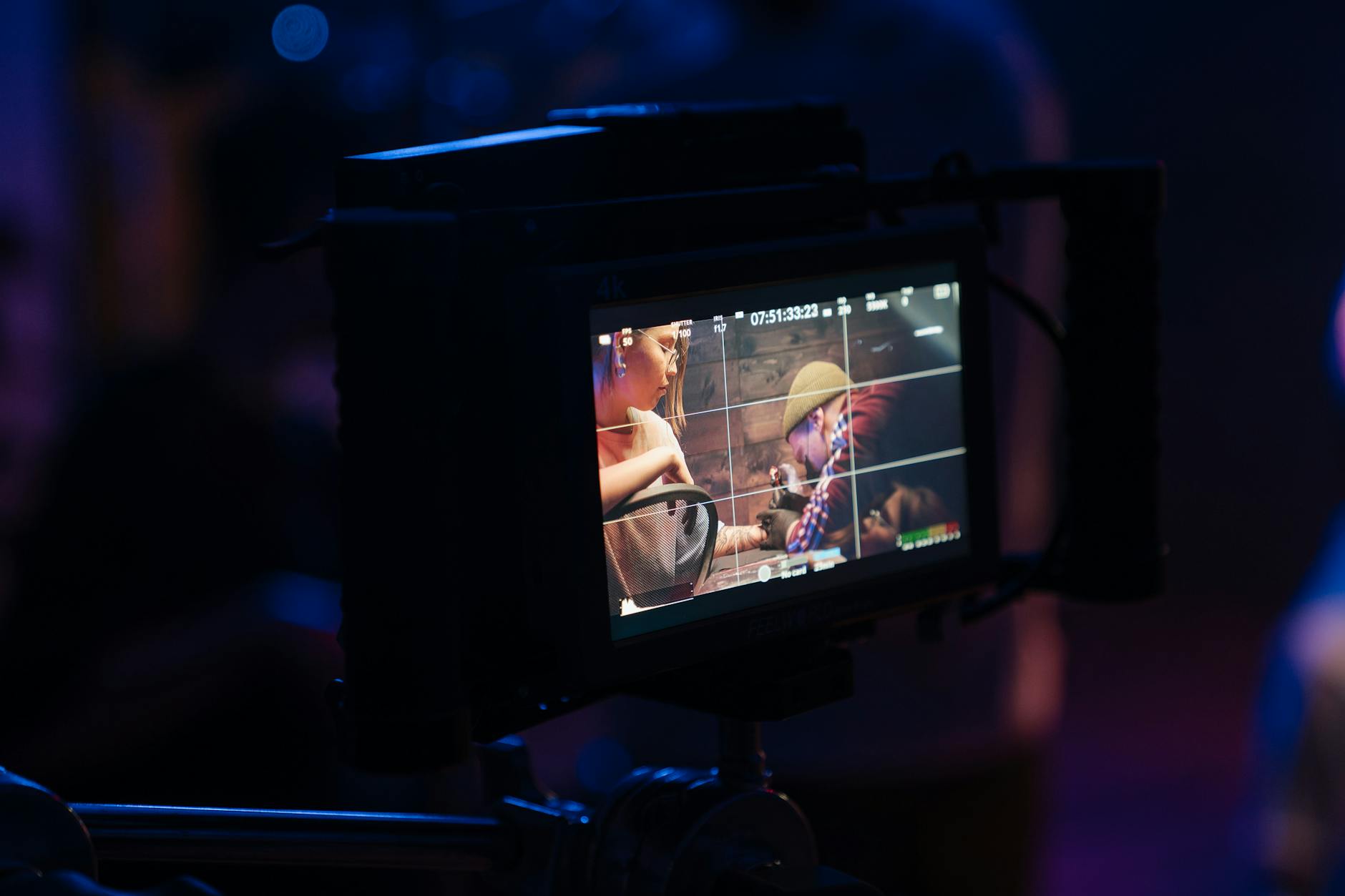
These local providers typically maintain a fleet of advanced broadcasting equipment, such as high-definition cameras, audio mixers, and encoders. Their teams of experienced technicians manage every aspect of the stream, from setup and testing to live operation and post-event support.
Partnering with local specialists also offers the advantage of responsiveness; on-the-spot troubleshooting and adjustments can be handled swiftly, minimizing potential disruptions. Additionally, working with Miami-based providers often simplifies logistical coordination, as they are familiar with local venues, permits, and regulatory considerations.
These agencies often offer customizable packages, allowing clients to select options that align with their budget and event specifications, ensuring a tailored approach that maximizes impact and audience engagement.
Technology and Equipment Used in Live Streaming
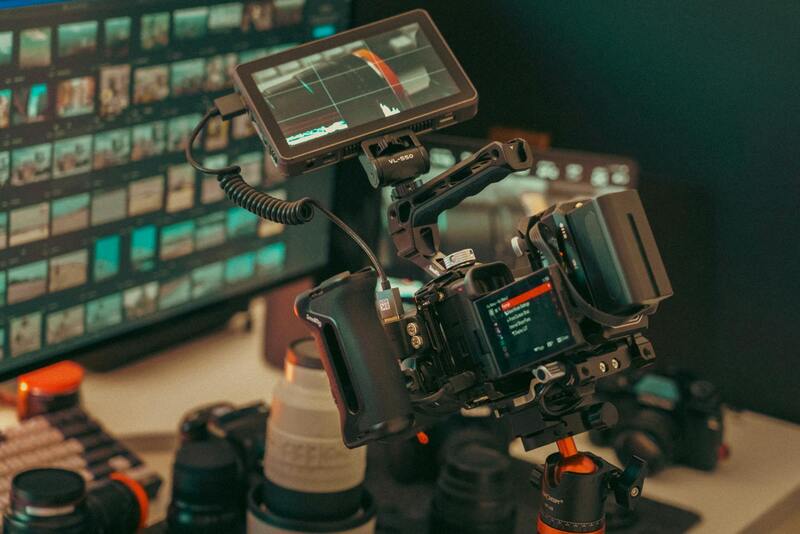
The backbone of a successful live streaming event is the use of top-tier technology and equipment. High-quality cameras capable of 4K resolution capture clear images under various lighting conditions, while professional audio equipment ensures crisp sound reproduction.
Encoding devices convert the captured audio and video signals into streaming-compatible formats, supporting multiple platforms simultaneously. Moreover, the use of dependable internet connectivity, often via fiber-optic lines, guarantees stable transmission with minimal latency.
Additional tools such as multi-camera switching systems allow for dynamic production, offering viewers multiple angles and shot selections. On-screen graphics, overlays, and lower thirds further enhance visual engagement, providing informational context and branding.
Streaming platforms integrated into the process support adaptive streaming technologies, which adjust quality based on the viewer's device and internet speed to optimize viewing experience.
Pricing and Packages for Live Streaming Services in Miami
Pricing for live streaming services varies depending on the scope of the event, equipment requirements, and additional services such as multi-camera setups, graphic overlays, or audience interaction features. Most local providers offer tiered packages designed to accommodate different budgets and event sizes.
Basic packages typically include essential streaming, standard-definition video, and limited technical support, suitable for small-scale or internal events. Mid-tier packages extend to HD streaming, multiple camera angles, and enhanced technical assistance, ideal for larger conferences or public events.
Premium packages often incorporate full production values, including custom graphics, multiple camera feeds, live editing, and extensive post-event analysis. These options are best suited for high-profile or broadcast-quality events.
Many providers in Miami also tailor custom solutions, offering additional features like on-site green screens, interactive chat integration, or multi-platform distribution. It’s advisable to discuss specific needs during consultation to receive an accurate quote aligned with the event’s scale and objectives.
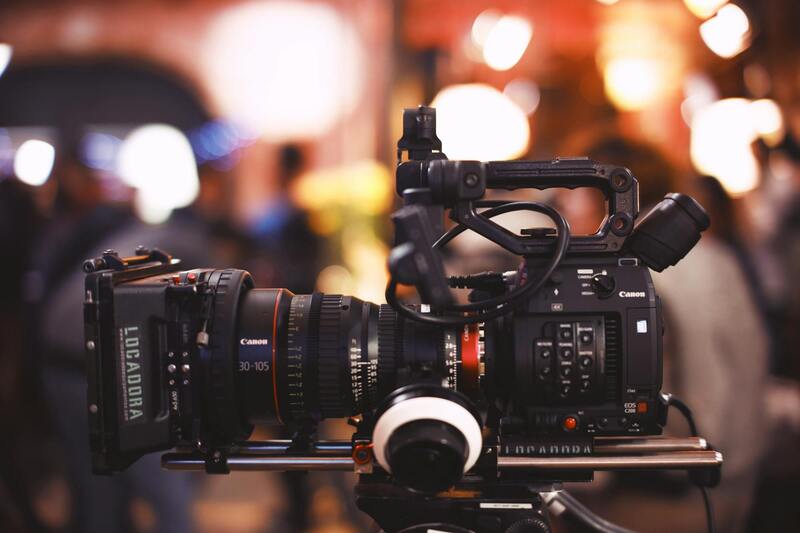
Technology and Equipment Used in Live Streaming
Implementing a high-quality live stream requires advanced technology and professional equipment to ensure seamless delivery and optimal viewer experience. Leading providers near you prioritize state-of-the-art tools, including high-definition cameras capable of capturing multiple angles for dynamic presentations. These cameras often feature HD or 4K resolution, ensuring crisp visuals that maintain clarity across various devices and internet speeds.
Audio quality plays a crucial role in engaging live streams. Professionals utilize high-fidelity microphones, mixers, and soundboards to capture clear, balanced audio, reducing background noise and echo. This technological investment guarantees that every word, applause, or musical note reaches the audience without distortion.
In addition to cameras and audio gear, top-tier live streaming providers utilize high-performance encoders and streaming software that transcode live video into optimized formats. These systems support smooth streaming with minimal latency and buffer time, even during large-scale events.
Networking infrastructure is also a critical factor. Use of dedicated fiber-optic internet connections and redundant systems ensures stability and reduces the risk of interruptions. Many local providers conduct pre-event tests to confirm all equipment functions correctly and that internet speeds are sufficient for the event’s demands.
Lighting equipment further enhances broadcast quality, especially for indoor events. Proper lighting ensures the visuals are well-lit and natural, preventing grainy or shadowed footage. Overall, a combination of cutting-edge gadgets and meticulous setup helps create professional, reliable live streams that capture the event’s atmosphere authentically.
For organizers seeking top-tier presentation quality, consulting with experienced providers near you guarantees access to these advanced systems. Their knowledge ensures the right mix of hardware and software is used, tailored to the specific requirements of each event.
Understanding Live Streaming Services
Live streaming services have revolutionized the way events are broadcast and consumed, offering real-time delivery of video content to audiences across the globe. These services rely on sophisticated technology that ensures high-quality transmission, minimal latency, and seamless viewer engagement. When considering live streaming, it is crucial to understand the core components that contribute to a successful broadcast. This includes the use of multi-camera setups for dynamic visual coverage, professional-grade audio equipment to capture clear sound, and robust encoding systems that transcode the live feed into suitable formats for various devices and platforms.
Effective live streaming also depends heavily on the stability of the internet connection. Utilizing dedicated fiber-optic networks and backup systems minimizes the risk of interruptions, ensuring the event remains uninterrupted regardless of unforeseen issues. Many providers conduct pre-event testing, calibrating all equipment and internet connections to confirm optimal performance. Lighting also plays a pivotal role, especially for indoor events, as proper illumination enhances video quality and visual clarity. The integration of advanced streaming encoders and software allows for real-time transcoding, adaptive bitrate streaming, and multi-platform distribution, reaching audiences on various devices with minimal buffering.
Choosing the right provider means understanding these technical elements and trusting that experienced professionals will tailor their approach based on the specific event requirements. Their expertise guarantees that every aspect—from camera angles to audio mixing—is optimized, resulting in a professional broadcast that captures the event’s atmosphere authentically and engagingly.
Key Factors to Consider When Choosing a Live Streaming Provider
- Technical Expertise and Equipment: Confirm that the provider offers state-of-the-art technology, including HD cameras, professional audio, reliable encoders, and streaming software capable of handling the event's scale.
- Network Infrastructure: Ensure they utilize dedicated internet connections and have backup systems in place to prevent disruptions during the live broadcast.
- Experience with Similar Events: Review their portfolio or seek references to gauge their capability in handling events similar in size and complexity.
- Customization and Support: A reliable provider offers tailored solutions and real-time support, assisting with setup, troubleshooting, and post-event analytics.
- Cost and Packages: Transparency in pricing and flexibility in packages can help manage budgets while ensuring quality delivery.
Types of Events Suitable for Live Streaming
Live streaming services are versatile and applicable across a wide range of events, providing an accessible platform to reach larger audiences beyond physical venue limitations. Corporate conferences, product launches, and seminars benefit from real-time broadcasting to connect with remote attendees, speakers, and stakeholders. Live music concerts, cultural festivals, and theater performances are enhanced by instant streaming, offering viewers an immersive experience from their locations. Additionally, sports events, awards ceremonies, and community gatherings leverage live streaming to increase participation and engagement.
The flexibility of live streaming also extends to educational settings, such as lectures and workshops, providing students and participants with immediate access to content. Moreover, religious services and charitable events often utilize live broadcasting to foster community involvement regardless of geographical barriers. The key is selecting a provider capable of customizing the streaming setup to fit the specific requirements of each event type, ensuring the highest quality delivery and audience interaction.
Technology and Equipment Used in Live Streaming
Delivering professional-quality live streams hinges on a combination of advanced technology and meticulous setup. The core components include high-definition cameras, which capture clear visuals from multiple angles, creating an engaging viewing experience. These cameras should be capable of delivering at least 1080p resolution, with some events requiring 4K capabilities for superior clarity and detail, especially in large venues or detailed productions.
Encoders play a vital role in converting raw video signals into digital streams compatible with streaming platforms. Hardware encoders are favored for their reliability and consistent performance, especially for high-profile events with large viewership. Software encoders, on the other hand, offer flexibility and are ideal for smaller events or those requiring on-the-fly adjustments.
Reliable internet connectivity is crucial to maintain uninterrupted streams. A dedicated, high-bandwidth internet line with a stable upload speed minimizes buffering and lag, ensuring a smooth viewing experience. Some providers incorporate backup internet connections to mitigate potential disruptions caused by network instability.
Additional hardware such as audio equipment, including professional microphones and mixers, ensures clear sound quality, which is just as essential as visual clarity. For interactive sessions, streaming solutions might incorporate multiple cameras, teleprompters, and integrated graphics to enhance visual engagement.
In the modern streaming environment, software solutions also facilitate live editing, screen sharing, and real-time graphics overlay, providing a polished appearance to broadcasted content. Integration of scalable platform technology allows seamless distribution across various social channels and streaming websites, accommodating diverse audience preferences and sizes.
Advances in streaming gear and tools continue to evolve, empowering providers near you to offer tailored, high-quality live broadcasts. When selecting a service, understanding the specific equipment used can help assess their ability to meet the technical demands of your event effectively.
Understanding Live Streaming Services
Live streaming services have revolutionized the way events are broadcasted, allowing for real-time delivery of content to audiences regardless of their geographical location. These services leverage advanced video encoding, robust cloud infrastructure, and reliable content delivery networks (CDNs) to provide seamless viewing experiences. By utilizing professional-grade equipment and infrastructure, live streams achieve high-definition clarity, minimal latency, and stability during transmission.
Event organizers can select from a range of live streaming solutions, from traditional broadcasting setups to integrated digital platforms. The key is understanding the core components that make up a quality live stream, including high-resolution cameras, powerful encoders, polished audio systems, and scalable streaming platforms. As the demand for high-quality broadcasts increases, providers offering sophisticated and adaptable technology are essential to meet the diverse needs of various event types.
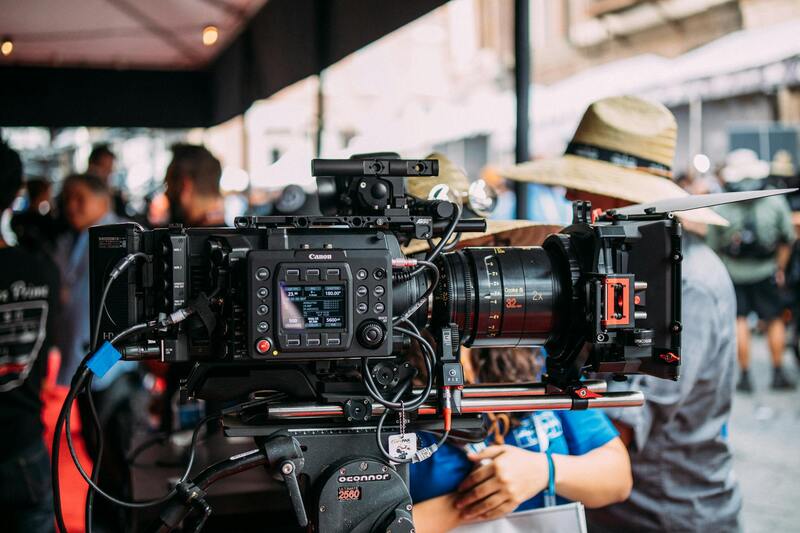
Key Factors to Consider When Choosing a Live Streaming Provider
- Technical Expertise: Ensure the provider has extensive experience in handling different event formats, such as conferences, concerts, or sports.
- Equipment Quality: Confirm they use professional-grade cameras, robust encoders, and reliable audio systems to guarantee broadcast clarity.
- Connectivity Stability: Check for dedicated high-bandwidth internet connections and backup solutions that prevent interruptions.
- Platform Compatibility: The provider should support multiple streaming platforms and offer easy integration for seamless distribution.
- Customization Options: Look for services that offer branding, graphics, and interactive features to enhance viewer engagement.
- Support and Reliability: 24/7 technical support ensures issues are swiftly addressed, maintaining broadcast continuity.
Types of Events Suitable for Live Streaming
Live streaming technology is versatile, accommodating a wide spectrum of event types, including:
- Corporate Meetings and Conferences – delivering presentations, keynote speeches, and panel discussions to remote audiences.
- Concerts and Music Festivals – reaching fans worldwide while maintaining high audio-visual quality.
- Sporting Events – providing immersive experiences with multiple camera angles and live commentary.
- Weddings and Personal Celebrations – allowing friends and family unable to attend in person to participate virtually.
- Educational Workshops and Seminars – extending learning opportunities to wider audiences in real-time.
The flexibility of live streaming makes it possible to broadcast events of all sizes and formats, delivering professional-grade quality without geographical constraints.
Understanding Live Streaming Services
Live streaming services have become essential tools for organizations, event organizers, and individuals looking to broadcast their events to a broad audience in real time. These services leverage advanced digital technology to deliver high-quality video and audio content over the internet, reaching viewers regardless of their location. By broadcasting an event live, hosts can increase engagement, expand their reach, and create a more interactive experience for remote audiences. The core of live streaming involves capturing the event with professional-grade cameras, encoding the video signal, and transmitting it to various streaming platforms or customized player interfaces.

Effective live streaming depends on a combination of sophisticated equipment, reliable internet connections, and skilled operators. Technologies like multi-camera setups, professional microphones, and live switching software ensure the broadcast maintains visual and audio clarity. Additionally, streaming platforms and Content Delivery Networks (CDNs) are used to distribute the broadcast widely, ensuring minimal latency and buffering for viewers. Live streaming services are highly customizable, enabling hosts to incorporate branding elements, interactive features such as chat or polls, and multiple camera angles to enhance the viewer experience. Understanding the capabilities and limitations of different services is crucial when selecting a provider for your event.
Key Factors to Consider When Choosing a Live Streaming Provider
Selecting the right live streaming service involves evaluating several key attributes that influence the success of your broadcast:
- Quality and Reliability: The provider should offer high-definition streaming with minimal lag and buffer times. Reliable service with backup solutions and redundancies guarantees uninterrupted broadcasts.
- Technical Support: Round-the-clock support ensures quick resolution of issues, especially during live broadcasts where technical glitches can disrupt the event.
- Compatibility: Compatibility with various devices, browsers, and operating systems maximizes accessibility for viewers. The service should support popular streaming platforms like YouTube, Facebook Live, and custom players.
- Customization Options: Features such as branded overlays, graphics, and interactive elements help tailor the broadcast to your event’s branding and engagement goals.
- Scalability: The provider should accommodate the expected viewership size, whether it’s a small corporate meeting or a large public festival.
- Pricing and Packages: Transparent pricing models with clear deliverables enable better budgeting and resource allocation.
Types of Events Suitable for Live Streaming
Live streaming technology is adaptable, making it suitable for a diverse array of events:
- Corporate Events: Conferences, product launches, and board meetings benefit from live broadcasts that reach remote stakeholders and employees seamlessly.
- Music and Entertainment Festivals: Musical performances, comedy shows, and cultural festivals can be streamed to an online global audience, ensuring wider participation.
- Sports Events: From local matches to international tournaments, live streaming provides immersive coverage with multiple camera angles and commentary options.
- Personal Celebrations: Weddings, birthdays, and family reunions are made accessible to absent loved ones through professional live streams with high-quality visuals and sound.
- Educational Seminars: Workshops, seminars, and classes can extend their reach by broadcasting to students and participants nationwide or worldwide.

The versatility of live streaming allows organizers to transform almost any event into a professionally broadcasted experience, elevating their visibility and engagement levels.
Advantages of Choosing Local Live Streaming Services
Opting for live streaming providers located within the Miami area offers significant benefits that can elevate the quality and efficiency of your event broadcast. Local agencies possess an intrinsic understanding of the Miami event scene, including popular venues, logistical nuances, and audience expectations. This localized expertise ensures that your live stream aligns seamlessly with regional standards and audience engagement trends.
One of the primary advantages is the reduced setup and response times. Local service providers can swiftly deploy equipment and technical staff, enabling a smoother preparation phase and quick troubleshooting if needed. This proximity also simplifies on-site support, allowing for rapid adjustments during the event to maintain high-quality streaming without unnecessary delays.
Furthermore, working with local experts fosters clearer communication. Having team members in close geographic proximity reduces potential misunderstandings, streamlines coordination, and facilitates face-to-face meetings when planning the event. This direct interaction enhances the overall planning process, ensuring every detail is meticulously managed to achieve your specific goals.
In addition, local live streaming services often have established relationships with Miami-area venues, vendors, and event organizers. These connections facilitate smoother logistics and may unlock access to specialized equipment or venues that are optimized for professional broadcasting. This synergy ultimately translates into a more polished and engaging live event for your viewers.
Ultimately, choosing a Miami-based live streaming provider guarantees a level of immediacy, familiarity, and tailored service that national or distant companies may find challenging to match. This local advantage is particularly crucial when executing time-sensitive or highly specific live events where every detail counts, from high-resolution visuals to synchronized sound quality.