
Updated: October 27, 2026
Telehealth video production in Miami is trusted by virtual care patients.
Telehealth is no longer just a pandemic workaround; it has become a permanent fixture in how South Florida clinics provide care. When a patient never sets foot in a clinic's waiting room, the video they see becomes just as critical as any friendly front desk staff used to be. This is why searches like "telehealth video production miami" and "video for doctor onboarding" have increased among practice managers, who have realized that a poor-quality video can quietly cost their clinics appointments.
This guide outlines what a virtual-care video program looks like when tailored for real clinics. It also explains how to maintain compliance, and where the financial resources are allocated. The second half of the guide details how our Miami team produces these programs.
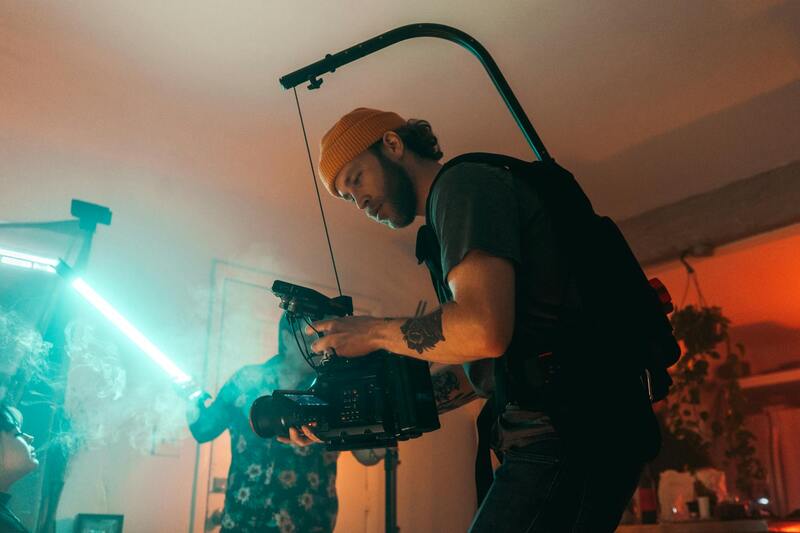
Why telehealth video is considered its own discipline.
A hospital brand film and a telehealth explainer share a camera but have little else in common. Brand films sell a feeling, while telehealth videos remove friction from a specific action: booking a virtual visit, downloading the portal app, taking a blood pressure reading correctly at home, or understanding what a new prescription does. People search for "virtual visit explainer video" and "telehealth waiting room video" because they are stuck at a specific step, not because they want a mood.
Three factors distinguish a functional telehealth video from general healthcare content.
- It is structured as a task. Each video answers a single question, allowing a patient to find the 90-second clip they need, rather than scrubbing through a 12-minute overview.
- It accurately assesses the medical situation. Terminology must be correct, dosages and device instructions must be precise, and nothing should suggest a guarantee of outcome.
- It can withstand a poor connection. Captions, on-screen labels, and slow, deliberate demonstrations ensure the message is conveyed effectively, even when the video stream stutters on a phone.
Getting these right can enable a single clip to reduce no-show rates and lower support-line calls simultaneously.
The compliance layer people skip
The phrase "hipaa compliant video production" gets typed a lot and understood rarely. HIPAA does not regulate a video file by itself; it regulates protected health information. The practical rules are simpler than they sound. Do not film real patients or real records without signed authorization that names the specific use. Use actors or consenting staff for anything resembling a case. Keep raw footage off personal drives and inside access-controlled storage. When a video points to a symptom checker or a health app, keep clinical claims defensible and add the disclaimers your compliance officer signs off on.
A production partner who has shipped healthcare work will discuss these topics during the first call. If authorization forms or claim review are not mentioned, that signals the need to continue searching.
A virtual-care practice typically needs certain videos.
Most practices do not require a film library. Instead, they need a concise, targeted set of videos that address the critical moments when patients might drop off.
Onboarding and portal walkthroughs
A new patient who cannot log into your portal may call the front desk or, worse, give up. A screen-recorded walkthrough with clean voiceover and captions can address the top questions once and for all. Pair it with a bilingual patient education video in Spanish, as a significant share of Miami-Dade patients will search in Spanish before they search in English.
Condition and medication explainers
Short explainers for managing diabetes, using an inhaler, or preparing for a virtual dermatology visit help reduce repeat questions and improve adherence. This is where a "medical animation studio miami" earns its fee, since animation shows what a camera cannot, such as how a drug works inside the body, without exposing any real patient.
Device and monitoring demonstrations
Remote patient monitoring relies heavily on a patient's ability to correctly apply a blood pressure cuff or a glucose sensor. A slow, labeled demonstration video filmed on the actual device is more effective than a printed instruction sheet. This approach also reduces the number of support tickets related to incorrect readings, thereby saving clinical staff time.
Provider introductions and telemedicine promotional materials
A 60-second introduction to the clinician a patient is about to meet on screen helps lower anxiety and build rapport before the visit begins. A "telemedicine marketing video" or "clinic promo video miami" sits higher in the funnel and belongs on your homepage and paid social. It should be kept separate from the in-portal instructional clips so each one can do its job effectively.
What it costs and what factors drive the number.
How much does a patient education video cost?" does not have a single answer. Here is the honest version: A clean, studio-shot explainer with one clinician, captions, and light graphics typically costs a few thousand dollars. Custom medical animation is more expensive because every frame is drawn and reviewed. The main cost drivers include script and clinical review time, number of languages, animation complexity, and how many finished videos are produced from one shoot day.
The efficient approach is batching. By scripting eight short explainers together and filming them in a single day, the per-video cost drops sharply compared with commissioning them one at a time. When someone searches "medical video production near me," the value is not in the lowest quote, but in the partner who plans the entire set so you can shoot once and publish for a year.
| Video type | Typical length | Primary goal |
|---|---|---|
| Portal onboarding walkthrough | 2 to 4 minutes | Reduce support calls and minimize login drop-off. |
| Condition or medication explainer | 60 to 120 seconds | Improve adherence and comprehension |
| Device demonstration | 90 to 180 seconds | Reduce monitoring errors |
| Provider introduction | 45 to 75 seconds | Lower pre-visit anxiety |
How our Miami team produces telehealth video content.
We build telehealth video the way a clinic actually runs, with compliance baked into the process rather than bolted on at the end. Our work sits inside our broader healthcare video production in Miami practice, so the crews already know how to handle authorization forms, claim review, and quiet on-set protocols around clinical staff.
A typical engagement proceeds through four stages.
- Discovery and scripting involve mapping the patient journey, identifying drop-off points, and creating task-shaped scripts. These scripts are then reviewed by your clinical lead before any filming takes place.
- Production takes place in our Miami studio or at your clinic. To keep the per-video cost low, we batch multiple explainers into one day.
- Post and animation are created by editors who add captions, on-screen labels, and, when necessary, animation from our motion team. This ensures that a search for "medical animation studio miami" stays in-house.
- Delivery and languages: You receive portal-ready files, social media cutdowns, and Spanish versions all produced in the same pass, not as an afterthought.
Because we also handle device work through our medical device video production team, a practice that adds remote monitoring can extend the same visual style to its equipment instructions without restarting from scratch. And when you want patients to hear it from other patients, our testimonial videography approach captures consenting voices in a way that stays defensible.
Getting started
If you are comparing options after searching "healthcare video production company miami," the fastest way to a real estimate is a short call about your patient journey and your compliance requirements. Browse recent work and related guides on our blog, learn how the studio operates on the about page, and when you are ready to scope a batch of explainers, reach the production team through contact. You can also send this page, telehealth video production in Miami, to the colleague who owns your patient experience so you are both looking at the same plan.
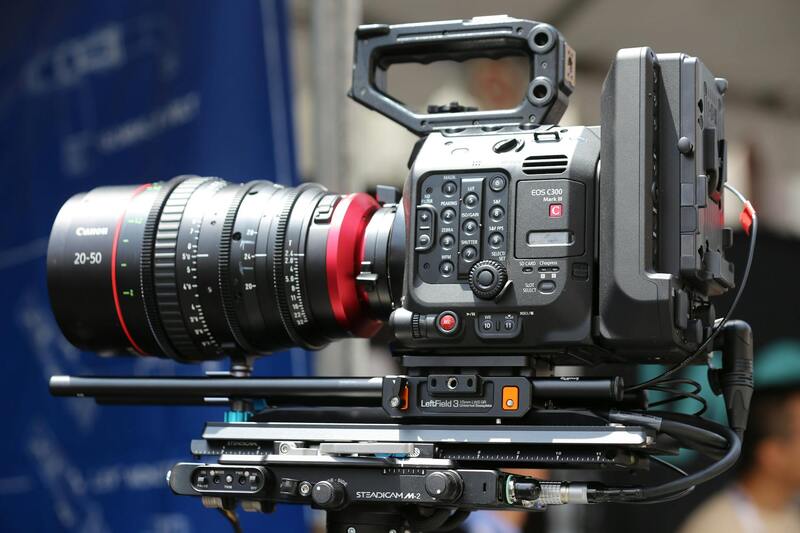
Virtual care is expanding rapidly in South Florida. Practices that integrate video into their clinical workflows, rather than treating it as mere marketing, are seeing higher patient attendance, better adherence to treatment plans, and reduced calls to the front desk.