
Updated: October 27, 2026
Why treatment center video is harder than most healthcare work
Families who search for a detox program, a residential treatment center or an outpatient mental health clinic in Miami are rarely calm when they do it. Many are looking at 2 a.m., after a crisis, on behalf of a son, a parent or themselves. They want to know three things fast: is this place safe, will they treat my person with dignity, and can I trust the people who answer the phone. Video can answer those questions better than a page of copy. It can also do real harm if the production team treats a recovery center like any other clinic.
This guide is for admissions directors, marketing leads and owners of behavioral health and addiction treatment programs in Miami-Dade, Broward and Palm Beach. It covers what to film, who should and should not appear on camera, how privacy law shapes the shoot, what the ad platforms allow, and how to plan a production day inside a facility where people are in active treatment.
What families need to see before they call
We have heard the same questions from admissions teams again and again. A worried family wants to see the place and meet the people. They are not looking for a cinematic sunset over the bay. They want something closer to a walk-through with a staff member they would be comfortable talking to.
- The clinical team. The medical director, a therapist, a nurse and the admissions coordinator, each speaking for a minute about how they work. Credentials on screen as a lower third, stated accurately.
- The rooms. Bedrooms, group rooms, the dining area and outdoor space, filmed empty and clean. Families picture their person sleeping there.
- The first day. What happens at intake, what to pack, whether phones are allowed, how visits and family sessions work. A simple explainer here cuts down on repeat phone questions.
- Levels of care. Detox, residential, partial hospitalization, intensive outpatient and outpatient mean nothing to most families. A short animated or whiteboard-style segment can lay out the path clearly.
- Insurance and cost. Not specific prices, but how verification works and what the admissions team will check before anyone commits.
- Language. In South Florida, a Spanish version of the core video is often as important as the English one, and some programs also need Haitian Creole or Portuguese.
Filming without patients: the default that protects everyone
The safest rule in addiction treatment center video is simple: current patients do not appear on camera. Not in the background of a group room, not walking past in a hallway, not blurred in post. Federal confidentiality rules for substance use disorder records (42 CFR Part 2) and HIPAA both treat the fact that someone is receiving care as protected information. A face in a frame can disclose that. Your compliance officer and your attorney should set the policy for your program, but in practice most responsible centers choose a no-patients rule for any marketing shoot.
How we make a facility look alive without patients
- Staff and volunteers as stand-ins. Team members can sit in a group circle, share a meal or walk the grounds. Nobody should be presented as a patient, so the narration and on-screen text never say "our clients" over those shots.
- Detail shots. Hands holding a coffee cup in the morning group, a journal on a nightstand, a yoga mat being rolled out, a chef plating lunch. These carry mood without identifying anyone.
- Shoot on a schedule gap. Many programs move patients to an off-site activity or a different building for a few hours. We plan the shoot around that window.
- Clear the frame of records. Whiteboards with names, sign-in sheets, medication carts and screens with an EHR open all get removed or turned away before the camera rolls.
Alumni stories: powerful, but only with real consent
A recovery story told by someone who completed the program a few years ago is often the most watched video a center will ever post. It is also the one that needs the most care. Alumni who agree to appear are disclosing their own history to anyone who watches, including future employers and neighbors.
Good practice looks like this. The program's clinical team, not the marketing team, makes the first approach, and only to alumni who have been stable for a meaningful period. The person gets the questions in advance, can stop the interview at any time and sees the final cut before it is published. The release spells out where the video will run and how to ask for it to be taken down later. Some alumni prefer to appear in silhouette or with their face out of frame, and that works on screen when the lighting is planned for it. Family members of alumni, speaking about what changed at home, are another option many viewers relate to.
Avoid any claim that sounds like a guaranteed outcome. A single story is one person's experience, and the edit should say so through tone rather than a fine-print disclaimer.
Advertising rules that shape the edit
Paid distribution for addiction treatment is restricted. Google requires addiction treatment providers to be certified through its third-party partner before running ads on related keywords, and Meta has its own policy for addiction treatment advertisers. These rules change, so check current requirements with whoever runs your paid media before the script is locked. Florida has also tightened rules on patient brokering and deceptive marketing in this sector after years of problems.
For the video itself, that means a few practical choices:
- No before and after framing, no "cure" language and no success rates unless your clinical team can document them.
- The facility name, license information if your counsel recommends it, and the real admissions number on the end card, never a lead-generation line that routes elsewhere.
- A cutdown under 30 seconds for paid placements, plus the full 2 to 3 minute version for the website and YouTube.
- Captions burned in or supplied as files, since many people watch on mute late at night.
Planning a production day in a live facility
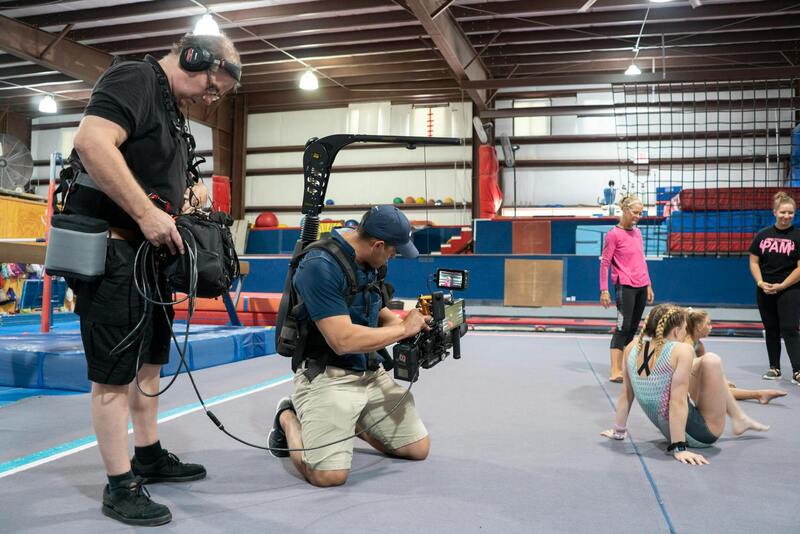
A behavioral health program cannot pause care for a film crew. The shoot has to fit around groups, meals, medication times and intakes, and a small crew is better than a big one. A typical day for a mid-size residential program might look like this.
| Block | What we film | Notes |
|---|---|---|
| Early morning | Exterior, grounds, empty rooms in soft light | Before groups start, quiet and easy to control |
| Mid-morning | Staff interviews in an office or empty group room | Patients at off-site activity or in another building |
| Lunch | Kitchen, chef and food details only | No dining room shots while patients eat |
| Afternoon | Staged group and activity scenes with staff | Same rooms, cleared and reset |
| End of day | Admissions walkthrough, intake room, phone desk | Coordinator explains what happens on a first call |
Every crew member signs a confidentiality agreement with the center, follows its visitor rules and leaves phones out of patient areas. If someone unexpected walks into frame, that take is deleted on the spot, in front of a staff member.
Mental health clinics, therapy practices and outpatient programs
Not every project is a residential facility. Outpatient therapy groups, psychiatry practices, eating disorder programs and teen mental health services all need video, often on a smaller budget. The same privacy rules apply, but the content shifts. A therapist explaining what a first session is like, how telehealth appointments work or how to tell whether a teenager needs more than a school counselor will help more people than a facility tour. If your practice already offers virtual care, our notes on telehealth video production in Miami cover the remote side in more detail, and the general guide to filming in a Miami healthcare facility walks through consent and live-clinic logistics.
How Miami Production Experts handles behavioral health video
We produce video for healthcare organizations across South Florida, and treatment programs get a slightly different process from other clients. Before we quote, we ask for your privacy policy and talk with whoever owns compliance. Our scripts go through your clinical and legal review before a camera is booked. On the day, we bring a small crew, a quiet lighting package and a producer whose only job is to watch the frame for anything that should not be in it.
A typical package includes a 2 to 3 minute facility and team overview, short staff introduction clips for the website, a level-of-care explainer, Spanish versions of the core pieces and ad-ready cutdowns. Alumni or family stories are added only when your clinical team has people who want to take part. You can read more about our wider healthcare video production work or browse the rest of the blog.
If you are planning admissions video for a detox, residential or outpatient program, send us a short note about your program and your timeline. We will come back with questions about your compliance requirements first and a production plan second, which is the right order for this kind of work. You can also learn more about our team before you reach out.