
Updated: October 27, 2026
Why physical therapy clinics need a different kind of video
A physical therapy practice sells something people cannot see in a photo: progress. A patient with a frozen shoulder, a runner coming back from an ACL reconstruction or a grandmother relearning stairs after a hip replacement all want proof that the clinic knows how to get them moving again. Most PT websites in Miami still rely on stock images of a smiling person on an exercise ball. Video does the job much better, as long as it is planned around how a rehab clinic actually works.
This guide is for owners, clinic directors and marketing leads at outpatient physical therapy, sports rehab, occupational therapy and chiropractic practices in Miami-Dade and Broward. It covers the videos that bring in new patients, the ones that help current patients do their home exercises correctly, how to film real patients without creating a privacy problem, and what a realistic shoot day looks like inside a busy clinic.
The videos a rehab clinic actually uses
Before anyone talks about cameras, it helps to sort the work by purpose. A physical therapy clinic video budget usually splits into three buckets, and each one is shot differently.
Patient acquisition video
These are the pieces people see before they ever book. A short clinic overview, a meet-the-therapist series, condition pages for the problems you treat most (low back pain, knee replacement rehab, rotator cuff, vertigo, pelvic floor) and a "what happens at your first visit" walkthrough. A nervous patient who has never been to PT wants to know whether they will be in pain, what to wear, how long the evaluation takes and whether the therapist will actually listen.
Home exercise program video
This is the work most clinics underestimate. A printed sheet with stick figures is easy to misread. A 40-second clip of your own therapist demonstrating a clamshell, a bridge or a scapular retraction, with clear cues about what to feel and what to avoid, leads to better adherence. Patients rewatch these at home, which means they are also the videos that carry your brand into the living room every night.
Referral and recruiting video
Orthopedic surgeons, sports medicine physicians and primary care offices refer to clinics they trust. A short piece showing your post-surgical protocols, your equipment and the way you report progress back to the referring doctor gives a physician liaison something concrete to send. The same footage can feed a hiring video for new graduate therapists and PT assistants, which matters in a market where good clinicians have options.
Filming real patients without a privacy problem
Physical therapy is healthcare, so HIPAA applies to anything that shows a patient being treated. A recognizable face on a treatment table, a name on a whiteboard or a voice describing a diagnosis can all count as protected health information. Your compliance lead or healthcare attorney should set the rules for your practice, but these are the habits we follow on every rehab shoot.
- Written authorization, separate from intake paperwork. A patient who appears on camera signs a specific media release that names the video, where it will be used and how to withdraw consent later.
- Patients are never asked by the marketing team. The treating therapist mentions it, and only to people who seem comfortable. Nobody should feel their care depends on saying yes.
- Background control. In an open gym, other patients on other tables are the biggest risk. We shoot in a closed treatment room, book the gym after hours, or use tight framing and shallow depth of field so nobody else is identifiable.
- Screens and paperwork out of frame. EMR monitors, schedules on the front desk and exercise sheets with names on them get turned or removed.
- Staff as demonstration models. For home exercise clips, your own therapists, aides or front desk team are often the better choice anyway. They perform the movement correctly every take.
If you want a deeper look at consent forms and working inside a live practice, our guide to filming in a Miami healthcare facility covers that side in detail.
Shooting exercise demonstrations that patients can follow
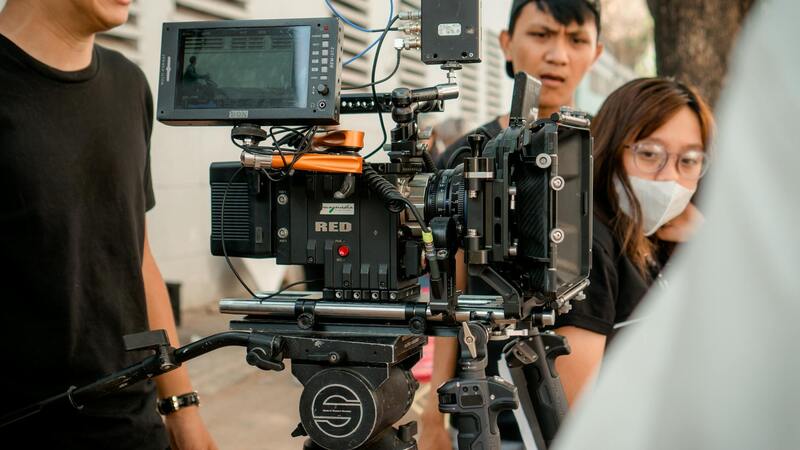
Exercise video looks simple and is easy to get wrong. A therapist who moves fast, a camera that crops off the feet, or a cue that only makes sense in person will confuse the patient you are trying to help. A few production choices make a big difference.
- Pick the angle for the joint. Side view for squats, hinges and bridges. Front view for anything about knee alignment. Overhead or three-quarter view for shoulder work on a table. For some movements we shoot two angles and cut between them.
- Show the full range at a slow pace. Three clean repetitions at a controlled tempo beat ten rushed ones. The patient should be able to count along.
- Record the cue separately. We capture the demonstration first, then record the therapist's voiceover in a quiet room. Gym audio, with music and other conversations, rarely works.
- Common mistakes on screen. A second short clip showing the wrong version (knee caving in, back arching) helps patients self-correct. Many clinicians find this is the part patients remember.
- Plain backgrounds. A clean wall and a mat in a contrasting color make the body easy to read on a phone screen.
- Consistent naming. Each clip gets the same name your clinic uses in its exercise software, so a therapist can send the right link in seconds.
Many clinics deliver these through a patient portal or an unlisted YouTube playlist. If you plan to sell structured programs online, such as a self-guided back care course, the approach overlaps with online course and e-learning video production, where chaptering and file organization matter as much as the shoot.
What the clinic should say, and what it should not
Patients and referring physicians respond to specifics. "We see a lot of post-op ACL patients from surgeons across Coral Gables and Kendall, and here is how our return-to-sport testing works" is believable. "We get everyone back to 100 percent" is not, and it can create trouble with the Florida Board of Physical Therapy and with insurers. Keep outcome language honest, avoid promising a recovery timeline, and let a patient's own words describe their experience instead of a scripted claim. If you mention insurance, keep it general: whether you are in network with major plans, how benefits verification works and what a cash-pay option looks like, without quoting prices that will change.
Bilingual content is close to essential in South Florida. A Spanish version of the first-visit video and of the most common home exercise clips will often get more views than the English one. Some clinics in Little Haiti and North Miami also add Haitian Creole voiceovers. Plan for it in the script so the timing works in both languages.
A realistic shoot day in a working clinic
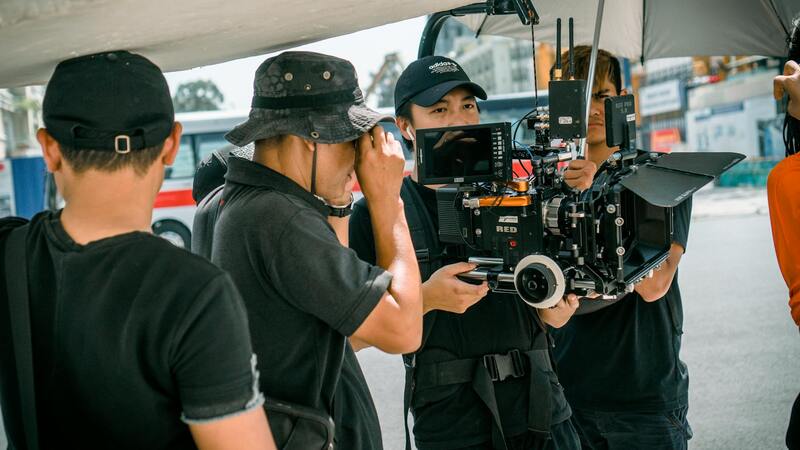
Most outpatient clinics cannot close for a full day. We usually build the schedule around the quietest hours and keep the crew small: a director, a camera operator who also handles lighting, and a sound recordist on interview blocks.
| Time block | What we film | Notes |
|---|---|---|
| Before opening | Clinic exterior, front desk, empty gym and treatment rooms | Best light, no patients, quick setups |
| Morning session | Therapist interviews and meet-the-team clips | Closed office or treatment room |
| Midday lull | B-roll of staff working with consenting patients | Closed room, tight framing, releases on file |
| After hours | Home exercise demonstrations, 20 to 40 clips | Gym cleared, plain background, steady pace |
A clinic with two or three locations can often reuse the home exercise library across all of them and shoot only the overview and team pieces at each site. That is the same logic multi-location brands use, and our notes on franchise video production show how to keep the look consistent across sites.
Sports rehab, performance and the overlap with fitness
Clinics that treat athletes have extra material to work with: force plate testing, running gait analysis, return-to-play progressions and work with local high school and club teams. That footage is great for social media, but check the rules before filming minors or team logos. Parents must sign for any athlete under 18, and some schools and leagues restrict use of uniforms and names. If your practice also runs performance training or a gym membership, the marketing angle starts to look like fitness and gym video production, and it pays to keep the clinical and the training content clearly separated so patients understand which service they are booking.
How Miami Production Experts works with rehab clinics
We produce video for healthcare practices across South Florida, and physical therapy clients get a process built for the way their clinics run. Before we quote, we ask which conditions bring in the most new patients, how you deliver home programs today, and who handles compliance. The script goes to your lead therapist for clinical accuracy before a camera is booked. On the shoot, a producer keeps a release log and watches every frame for paperwork, screens and people who did not agree to appear.
A typical package for a single-location clinic includes a 90-second clinic overview, three to five therapist introduction clips, a first-visit explainer in English and Spanish, and a starter library of home exercise demonstrations organized by body region. Larger groups often add a referral video for physician liaisons and a recruiting cut. You can see how this fits our wider healthcare video production work, and if your clinic also offers virtual visits, our notes on telehealth video are a useful next read.
If you run a physical therapy, sports rehab or occupational therapy practice and want video that patients actually use between visits, tell us about your clinic, the conditions you treat most and how many locations you have. We will start with the patient questions your front desk hears every week and plan the shoot from there.